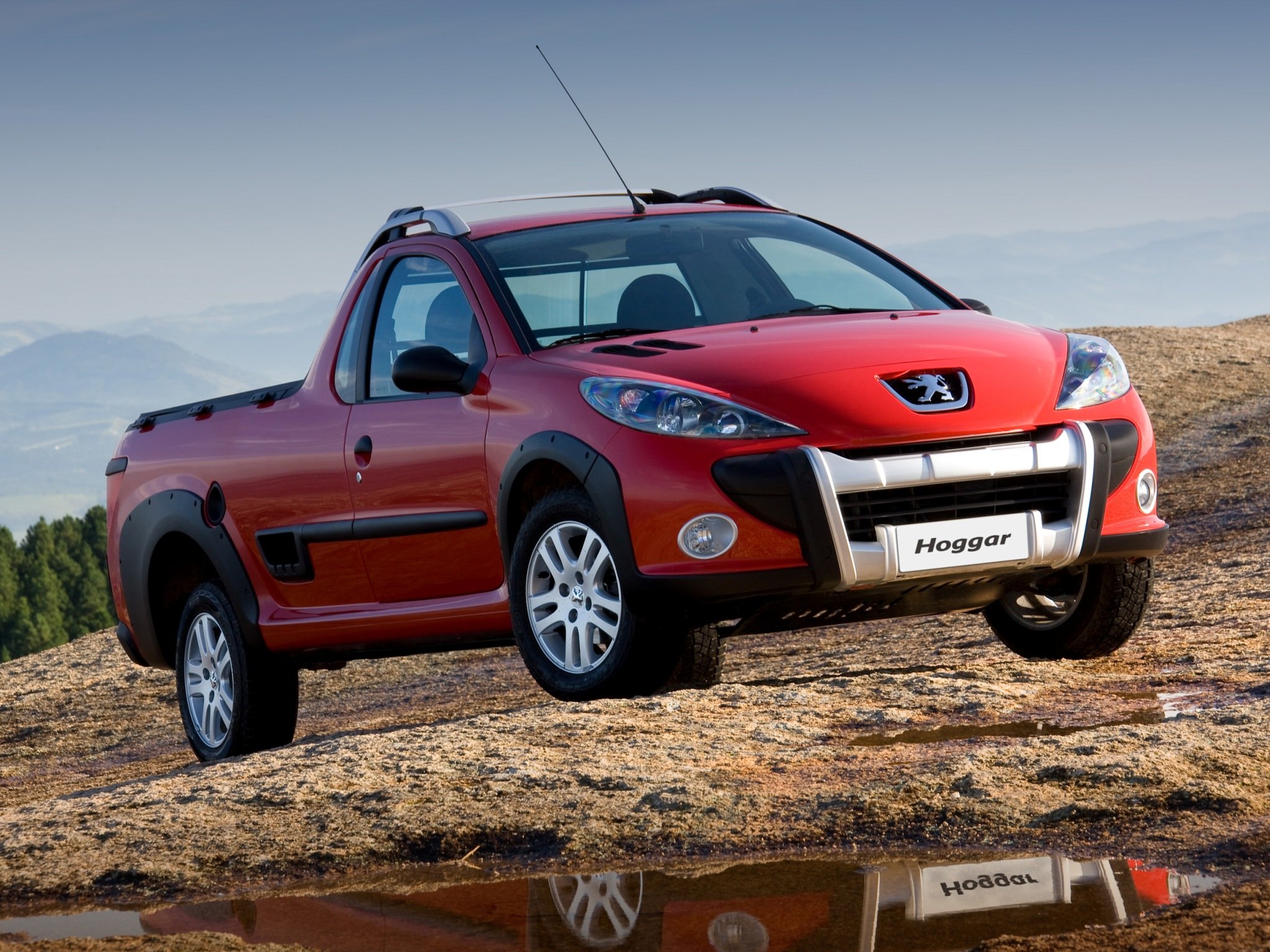
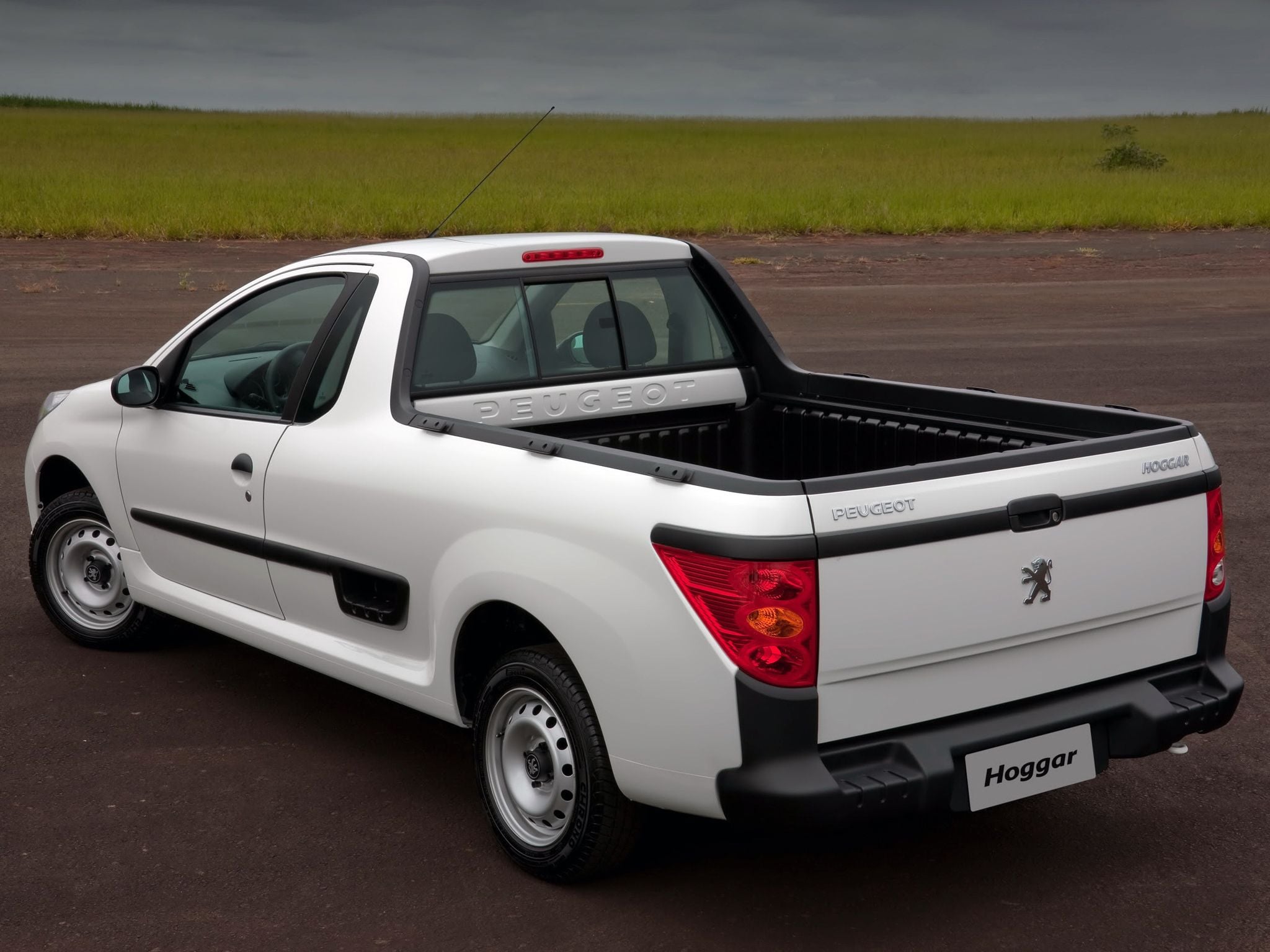
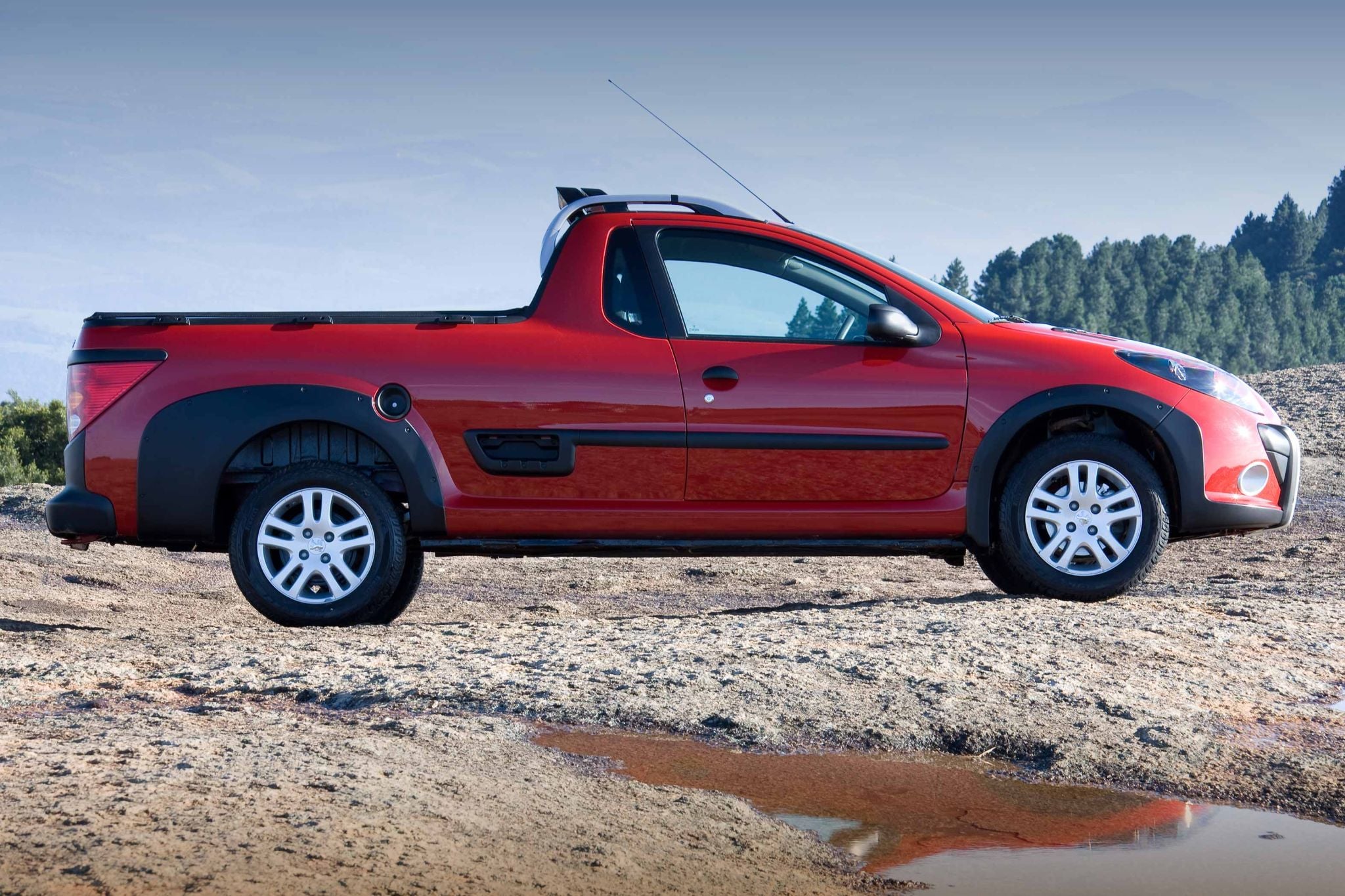
It was May 2010 when Peugeot gathered specialized journalists to present its new compact pickup to the Brazilian market. The model was based on the Peugeot 207, from which it inherited all the mechanical front. At the rear, it received a bucket with a capacity close to 1,150 liters and a payload of more than 700 kilograms, depending on the version. Thus configured, the Peugeot Hoggar emerged as a competitor capable of competing for space with Fiat Strada and Volkswagen Saveiro, absolute leaders in the segment.
In theory, everything looked very promising. The new pickup offered good load capacity, a modern look and mechanics already known to the Brazilian consumer. But practice showed a very different scenario. The Peugeot no longer enjoyed the best reputation in the national market, a consequence of a series of problems that affected several models of the brand over the years. With Hoggar, the situation became even more evident, because it was used precisely in the hardest possible function: heavy work.
The weak engines of the Peugeot Hoggar
The pickup truck hit the market equipped with two engine options. The first was the well-known eight-valve 1.4 Flex, capable of generating up to 82 hp. The second was the 1.6 16V, with a power close to 113 hp. They were the same engines used in other models of the brand. The difference is that, at Hoggar, these sets were subjected to much greater effort, especially when the vehicle was constantly loaded close to the limit of its capacity.
Hoggar used a lot of what was on the shelf, even on the chassis, but when it came to dealing with the engine and bodywork they proved to be weak (Photo: Peugeot | Disclosure)
That’s exactly where the problems began. The 1.4 version, which ended up being the best seller, gained fame for the occurrences involving the head gasket. In situations of more severe use, cases of coolant leaks and overheating were not uncommon. For those who depended on the pickup to work, this meant a vehicle stopped in the workshop, financial loss and loss of productivity. An unacceptable situation for a work tool.
The versions equipped with the 1.6 engine suffered less from this type of defect, but had another weakness. The superior power and torque ended up transferring the effort to the transmission. Under constant use with load, several owners reported premature wear of internal bearings of the gearbox, which began to emit noise and required disassembly and repair. Again, the result was the same: Hoggar stopped in the workshop while the money stopped entering the cash register of those who depended on her to work.
Hoggar was bad at service
The problems did not end there. Complaints involving electrical failures were common, in addition to frequent misalignments of the rear lid of the bucket. Evidently, those who used the Hoggar only as a passenger vehicle may not have noticed many of these drawbacks. Those who put the pickup to fulfill the function for which it was created, carrying cargo daily, complained a lot about the number of defects and the low resistance of some components. Hoggar has definitely never been able to build the reputation for robustness that is expected of a work vehicle.
Declared load capacity was 700 kg, but loaded, it suffered to the point of misaligning the bucket lid (Photo: Peugeot | Disclosure)
The numbers help explain the outcome of this story. In its first full year on the market, Hoggar surpassed the mark of five thousand units sold. After that, sales went into free fall. In 2014, when it was discontinued, it was already selling less than 400 copies per year. Throughout its history, it accumulated something around 20 thousand units sold, a volume that the Fiat Strada reached in a few months.
The Peugeot Hoggar turned out to be a classic example of a product that looked interesting on paper but failed when put to the test in the real world. The idea was good. The segment had potential. The market was growing rapidly. But the execution fell short of what was necessary. Mechanical problems, quality failures and an increasingly worn reputation caused the French pickup to lose ground quickly. It could have built a longer trajectory alongside Strada and Saveiro, but it ended up becoming another project that did not resist the demands of the Brazilian consumer.
Comments are the sole responsibility of their authors and do not represent the opinion of this site. Comments containing profanity or offensive language will not be published. If you identify anything that violates the terms of use, please report it.