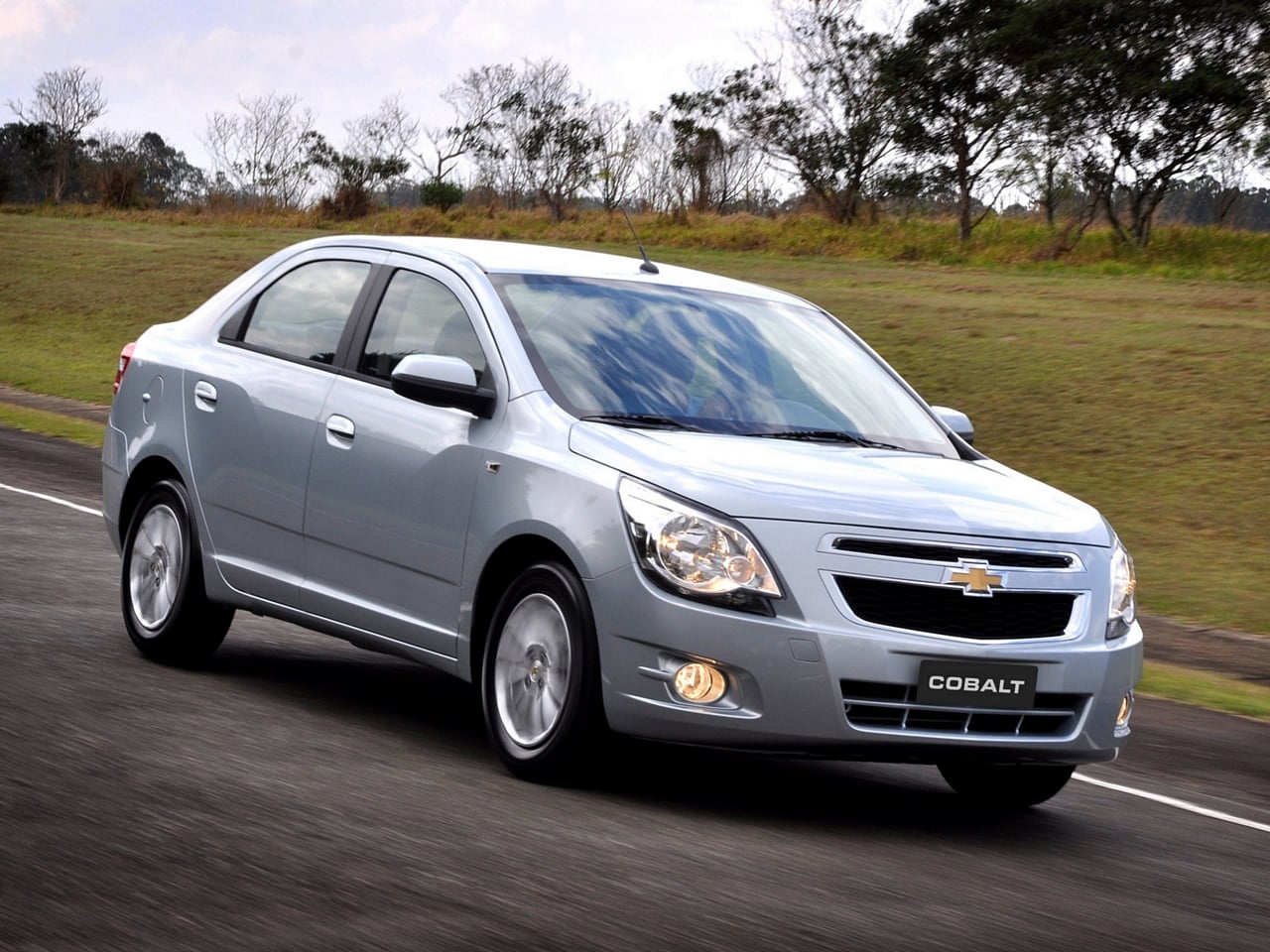
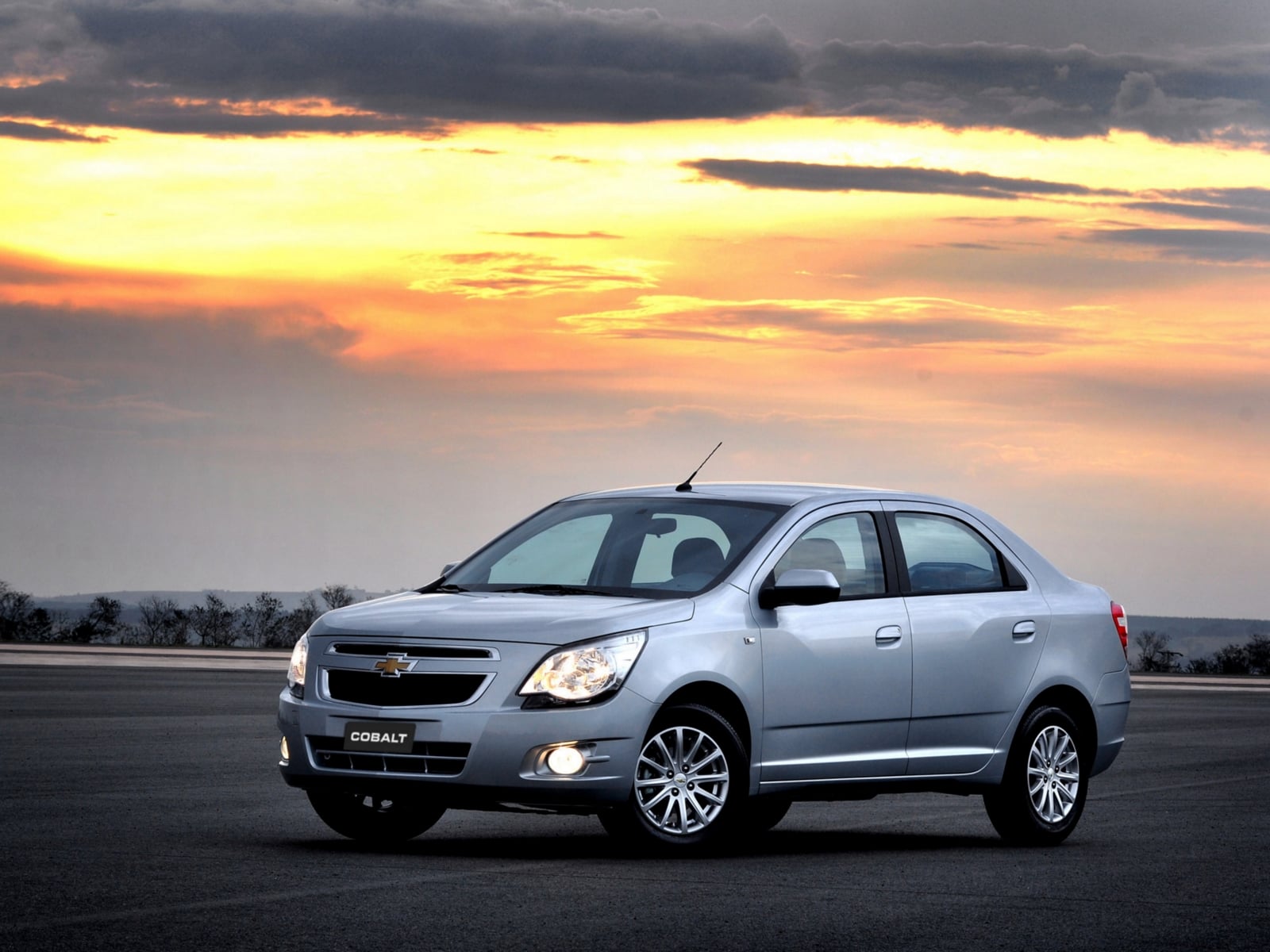
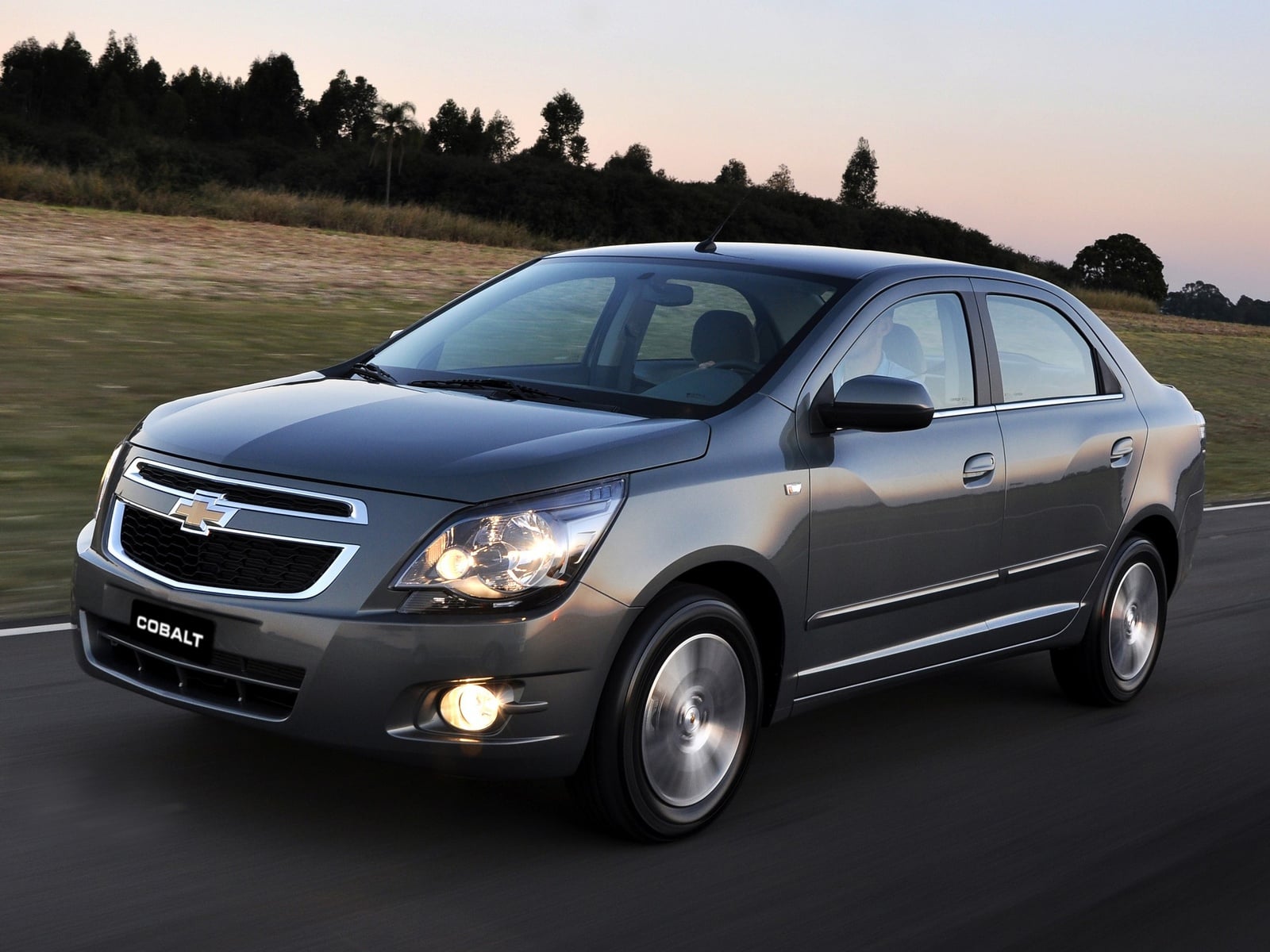
The Chevrolet Cobalt has always been that diligent student in the room: rarely the brightest, never the most stylish, but almost always with good grades. Much due to its functionality and the fact that it is a sedan with a compact price and medium space.
Not by chance, the Chevrolet Cobalt became a darling car of taxi drivers in the 2010s. Precisely because of the larger space than most rivals and the even more generous trunk, which highlights its cost/benefit.
For those looking for an honest, spacious and quietly maintained used sedan, it is worth revisiting the history of the Chevrolet Cobalt year 2014.
1. Trajectory
Launched in 2011, the Chevrolet Cobalt was born with a clear mission: to be an affordable, spacious and robust sedan. It was the car that inaugurated the phase of General Motors in Brazil based on the Gamma II global platform.
The Colbalt was equipped with two engines, but the 1.4 option was too weak for the sedan’s pretensions (Photo: GM | Disclosure)
This architecture was shared with models such as the first Onix, Prisma, Spin and Sonic – the one from the last decade, not the recently launched crossover. That is, a simpler base for emerging markets that did not have the same European refinement as the old Opel – which had already been sold to PSA Peugeot Citroën.
The Chevrolet Cobalt started with a 1.4 engine, won the 1.8 the following year and quickly became a darling of taxi drivers. The trunk and interior space were unbeatable arguments. Over the years, it has received differentials, such as the OnStar system and the MyLink multimedia center.
He had special series on two occasions. The Advantage (2013) received a darkened finish, partially leather seats and a look with “sporty” touches. Graphite, two years later, was the attempt to give a more sophisticated look to the sedan, with glossy black details, digital TV in multimedia and seats with apparent seams.
The 2017 restyling brought a more aligned look to Chevrolet’s portfolio and important mechanical adjustments. But, with the rise of the Prisma/Onix and the imminent arrival of the Onix Plus, the Cobalt lost ground and was discontinued in 2019. In all, almost 280 thousand units were sold in nine years.
2. Was it a Brazilian idea?
Although it was born on the Gamma II platform, the Cobalt is practically a child of Brazilian engineering. It was not only adapted for our market: it was thought, designed and developed to meet the local market.
From the same architecture came other well-known ones of the house, such as Spin, first-generation Onix and second-generation Prisma. The Cobalt is part of a family of Chevrolet models that helped consolidate GM in the compact and compact-plus segment in the 2010s.
3. Performance of the Cobalt 1.4
The cost-benefit of the Chevrolet Cobalt was possible with the adoption of already known mechanical assemblies. That is, GM’s Family I engine, such as the 1.4 8V, known for its robustness, but not for its disposition.
With 102 hp in ethanol and 97 hp in gasoline, it requires constant gear changes to keep the car lively. The 0 to 100 km/h exceeds 11 seconds, and the driver needs to always be aware of the rev counter so as not to lose momentum.
In other words, it is a set that works well in the city. But it is not suitable for those who like to have faster responses and good retakes.
4. Cobalt 1.8 Performance
Sedan has become a good option in the square due to the ample interior space and reliable mechanics (Photo: GM | Disclosure)
The 1.8 is another story. It delivers the torque that the 1.4 lacks and gives the Cobalt the behavior that the sedan deserves. It started with 108/106 hp, and in the 2017 line it went to 111 hp in ethanol, keeping 0 to 100 km/h in 11 seconds – but with much better retakes.
Much thanks to the maximum torque range: 90% of the 17,1 kgfm available already at 2.500 rpm. This means faster responses at low and medium revs, more conducive to those who drive a lot, take a lot of hills and climbs or carry a full car.
5. Cruze
automatic transmission The six-speed automatic transmission is one of the highlights – and contradictory – of the Cobalt. After all, it used the same GF6 box as the medium Cruze, but with a much more dated Family I engine.
In any case, the shifts are smooth, the calibration is well adjusted and the set prioritizes comfort in performance. There is a “hole” between third and fourth gear, but nothing that takes away the driver’s patience.
Now, if you’re the type who likes to play with manual shifts, a warning: the Cobalt uses those little keys on the lever pommel, a “classic” (bad) of recent GM automatic models. Not practical.
6. Dynamics
With generous proportions and soft suspension, the Cobalt prioritizes comfort. The steering is direct in the 1.8 versions, and the wider gauges help with stability. It’s not a “soft” car, but don’t expect sharp behavior in curves either.
Overall, it is that sedan that gives tranquility, absorbs irregularities well and does not tire on long trips.
7. Space and trunk
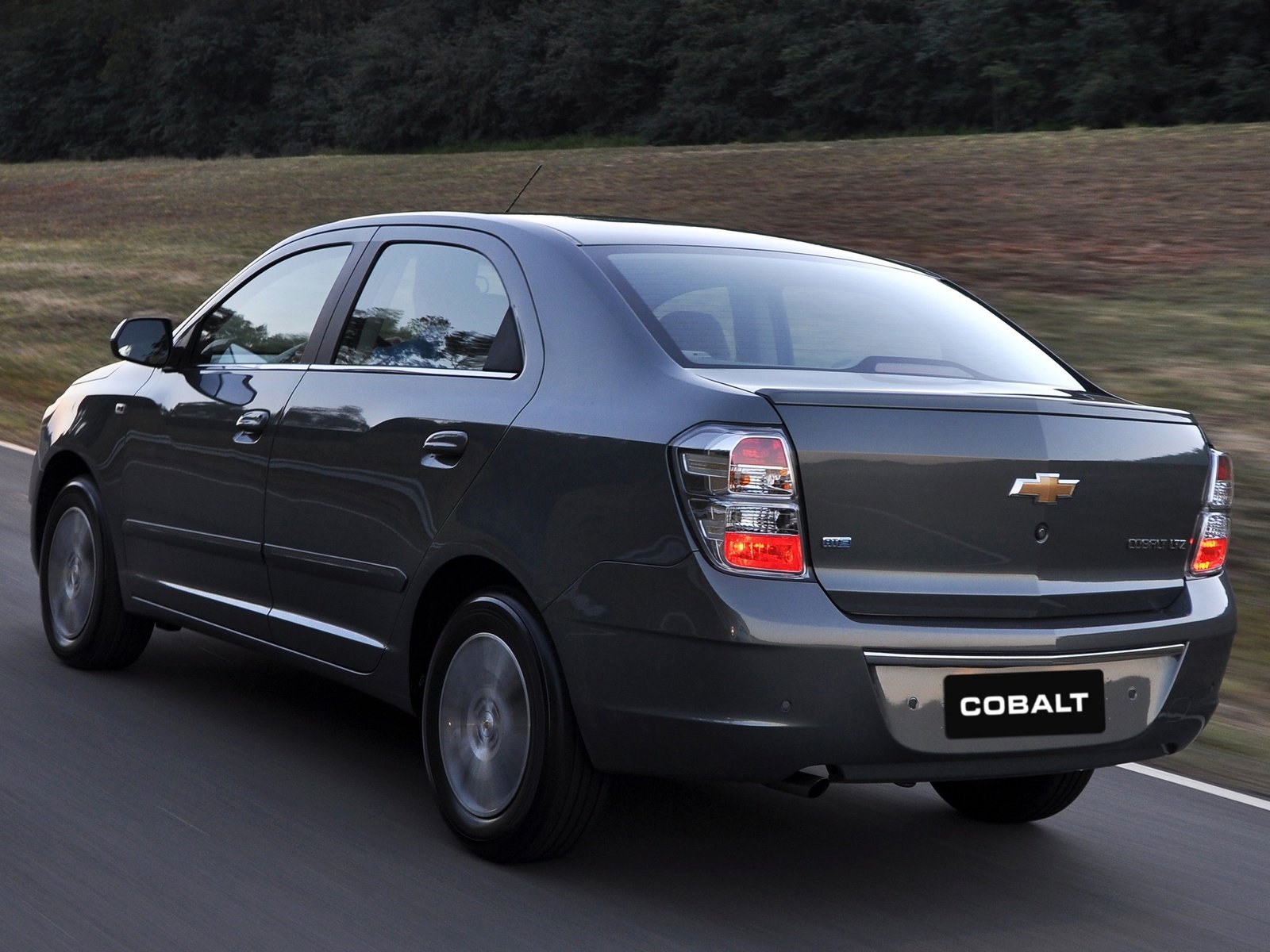
Trunk is the strong point of the sedan, with more than 550 liters of volume, which made it great on trips, but with a 1.8 engine (Photo: GM | Disclosure)
Here the Cobalt shines. The wheelbase of 2.62 m, by the standards of the time, was worthy of a medium sedan (comparable to the Corolla of those times, for example). Driver and front passenger have leg clearance.
The rear seat seats three people with more dignity than most compacts – even today. The 563-liter trunk is practically a large estate: there is space for a large suitcase, a medium suitcase, a backpack, a baby stroller, a market box and there is still a corner left for that bag you forgot at the market.
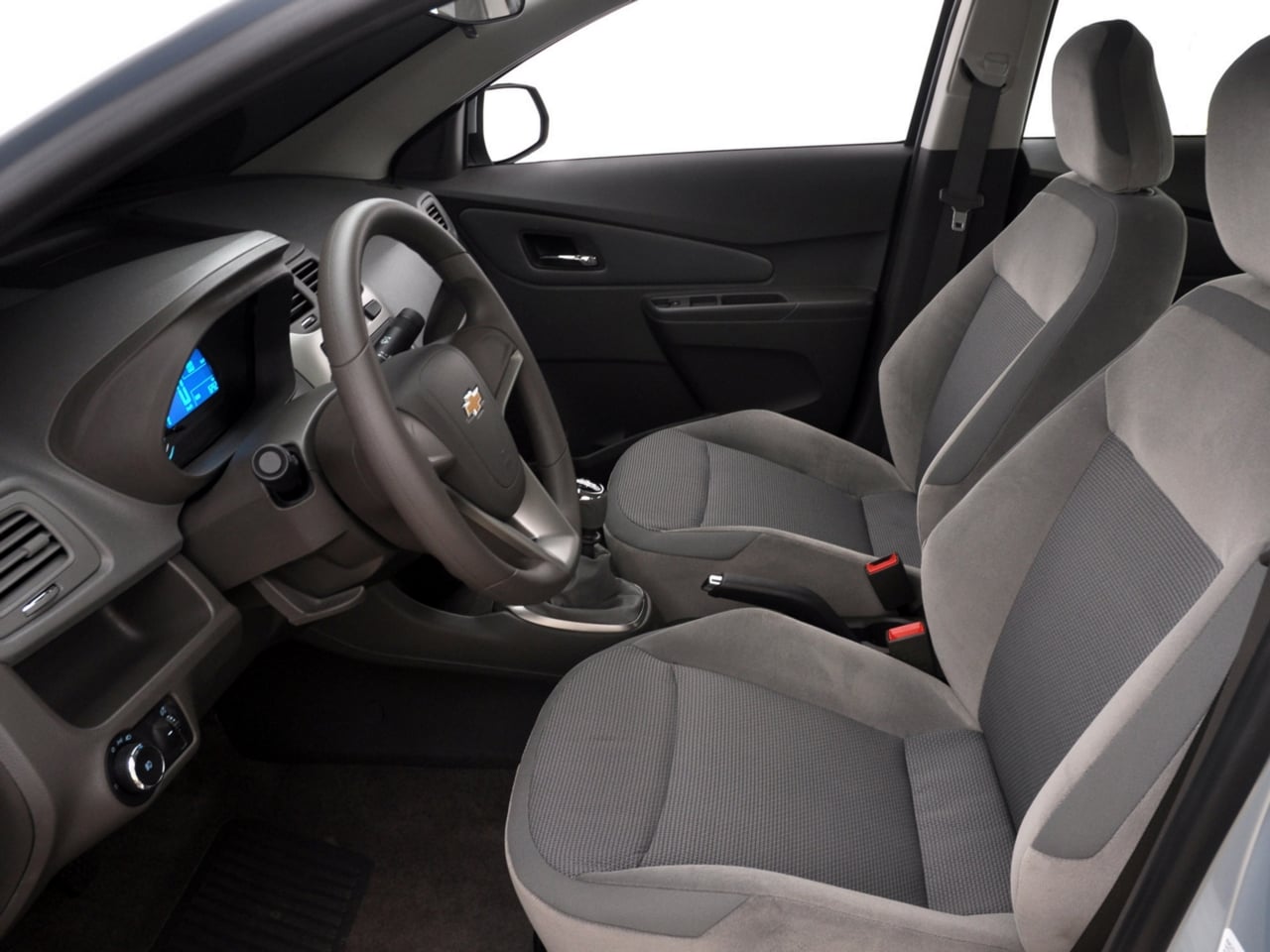
In terms of comfort, however, it has a simple finish, with a lot of plastic and devoid of appeal. In addition, the Cobalt’s acoustic insulation fails miserably at speeds above 80 km/h.
8. Our tip for Chevrolet Cobalt 2014
The Cobalt’s finish is simple and the content package followed the standard of the time, with power steering and air conditioning (Photo: GM | Disclosure)
Let’s go with Chevrolet Cobalt year 2014 in the LTZ version with 1.8 engine and automatic transmission. According to KBB Brasil, the Store Price is R$ 47,749 and the Private Price, R$ 42,974 (August 2026 values).
In safety, it only comes with the mandatory front airbags and brakes with ABS and EBD, in addition to a reverse sensor. Air conditioning, electric trio, steering wheel and driver’s seat height adjustments and automatic transmission are among the items.
The big difference is the MyLink multimedia center. It didn’t yet have the current features, but it is possible to mirror the cell phone and use the reversing camera – if the previous owner installed it as a dealership accessory.
9. Maintenance
The Family I engine is kind of an “old acquaintance” of mechanics. Easy to move and usually with parts with good supply on the market.
See the prices of some components of the Chevrolet Cobalt 2014 with 1.8 engine:
Comments are the sole responsibility of their authors and do not represent the opinion of this site. Comments containing profanity or offensive language will not be published. If you identify anything that violates the terms of use, please report it.