Marea is wronged, and was forgotten in the celebrations of Fiat’s 50th anniversary
Italian brand ignored Marea at its 50th anniversary party in Brazil, due to the bad reputation it helped to build
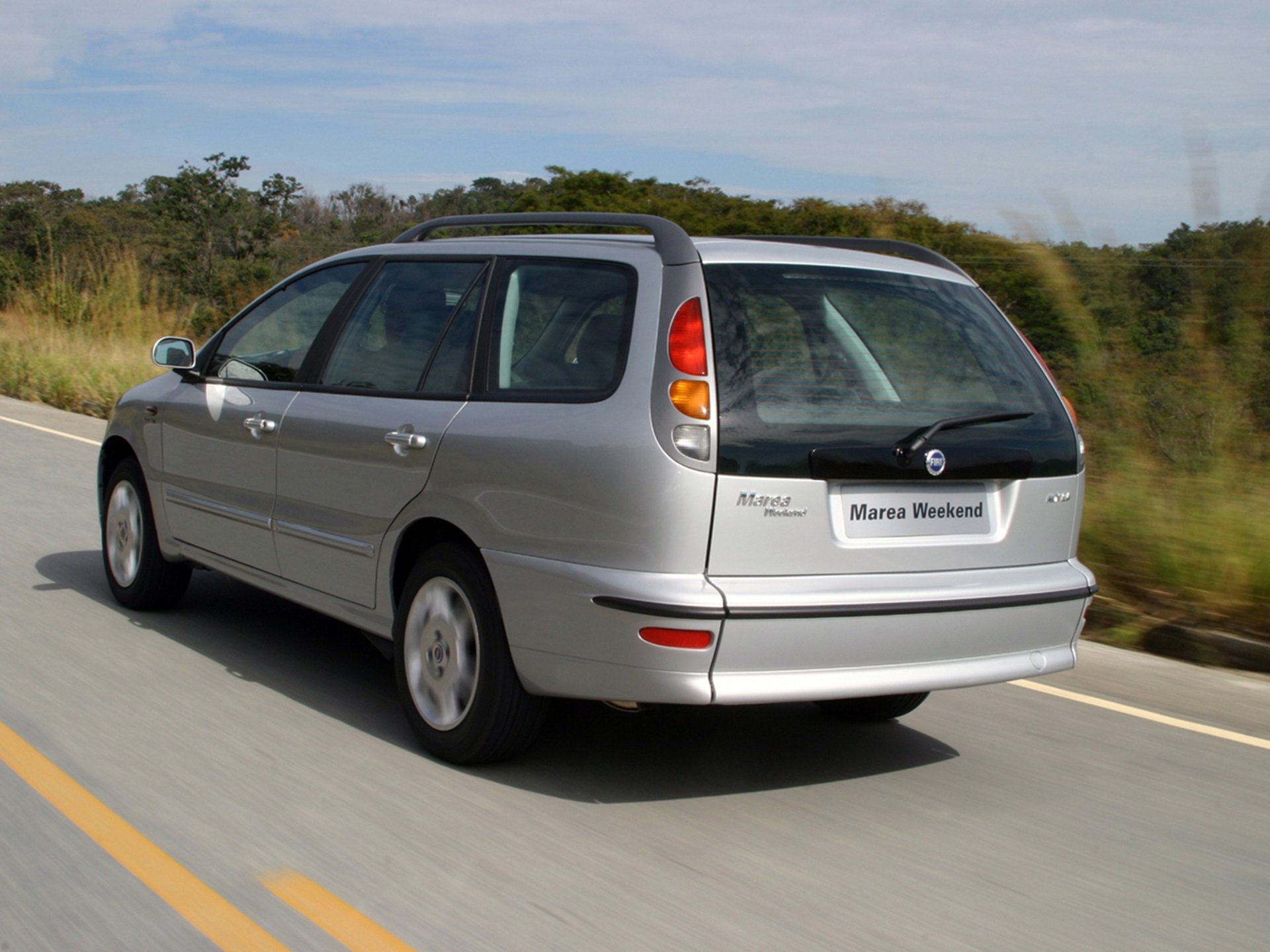
Fiat Marea was a sophisticated car, but it suffered from the Brazilian's maintenance standard and even from the recommendation of the owner's manual (Photos: Fiat | Disclosure)
The poet once said: create fame and lie down in bed. In the case of the Marea, both sedan and station wagon, the fame was negative. The car was known to have serious engine problems, and people started to say that the car could not withstand the temperature and conditions of use here in Brazil, supposedly more critical than those in Europe.
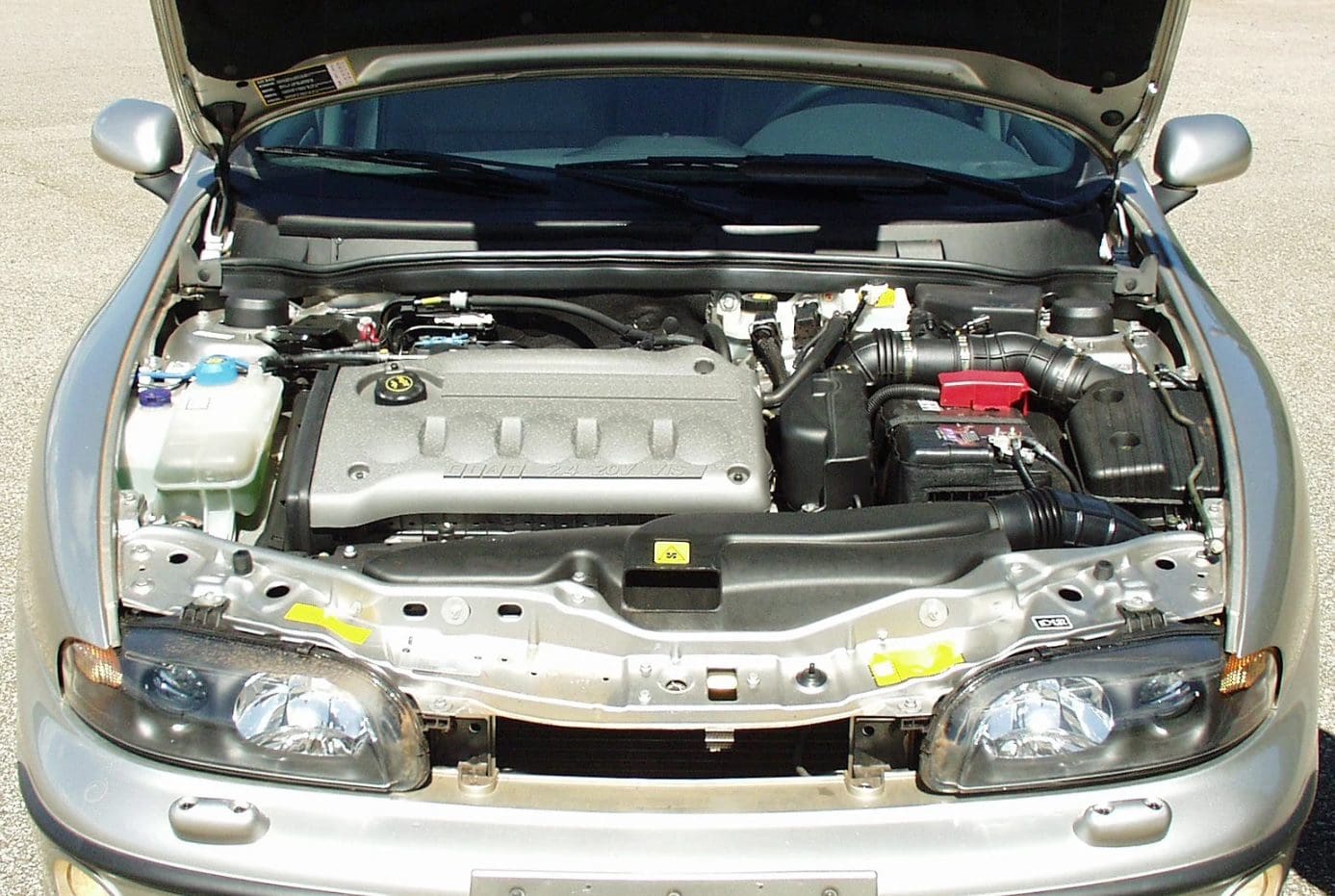
Launched in 1998, the Marea, initially in the sedan version (the station wagon, Weekend, arrived at the end of the year), presented the novelty of the five-cylinder in-line engine, 2.0 (later became 2.4), which was arranged transversely, at the front. An unprecedented configuration in Brazil, called Fivetech.
The station wagon version of the Marea (Weekend) debuted months later with a ravishing look
This new engine already belonged to a new generation of engines, which were finely adjusted, with very little clearance. Which, at least theoretically, pointed to a durability superior to previous generations, whose clearance adjustments were much greater. With much more modern casting and machining processes, their adjustments were very critical, and required special lubricants.
In other words: in Marea’s engine, none of those low-quality mineral oils, which, at the time, dominated among national cars. Produced exclusively in Italy, from where they were imported to power the Fiat model, this new engine had double camshafts, four valves per cylinder, and phase variators in the intake control. Something very modern for the 90s, but which also implied more careful and expensive maintenance. Pros and cons.
Marea was a victim of Fiat itself
At this point, Fiat’s big failure was to have followed European standards, where the condition of use is different, when creating the rules of the Marea maintenance manual. They recommended a lubricant of synthetic origin, with changes every 20 thousand km. In Europe, it could work, but here the situation was different: geographically, climatically, and even because of the preferences and driving styles of Brazilians. They printed these technical recommendations in the car’s owner’s manual, and trained dealerships to service them every 20 thousand km. Blunder.
For the unsuspecting, who understand little about the engine, and don’t look at the oil dipstick often, everything was fine: it was what Fiat sent, with revisions every 20 thousand km, and so they followed the car’s maintenance manual. Can you imagine a new car, only doing the first service at 20 thousand km? If the lubricant lowered even by a settlement of the rings, consuming a little more oil, the interval of services was too long to replace that fluid.
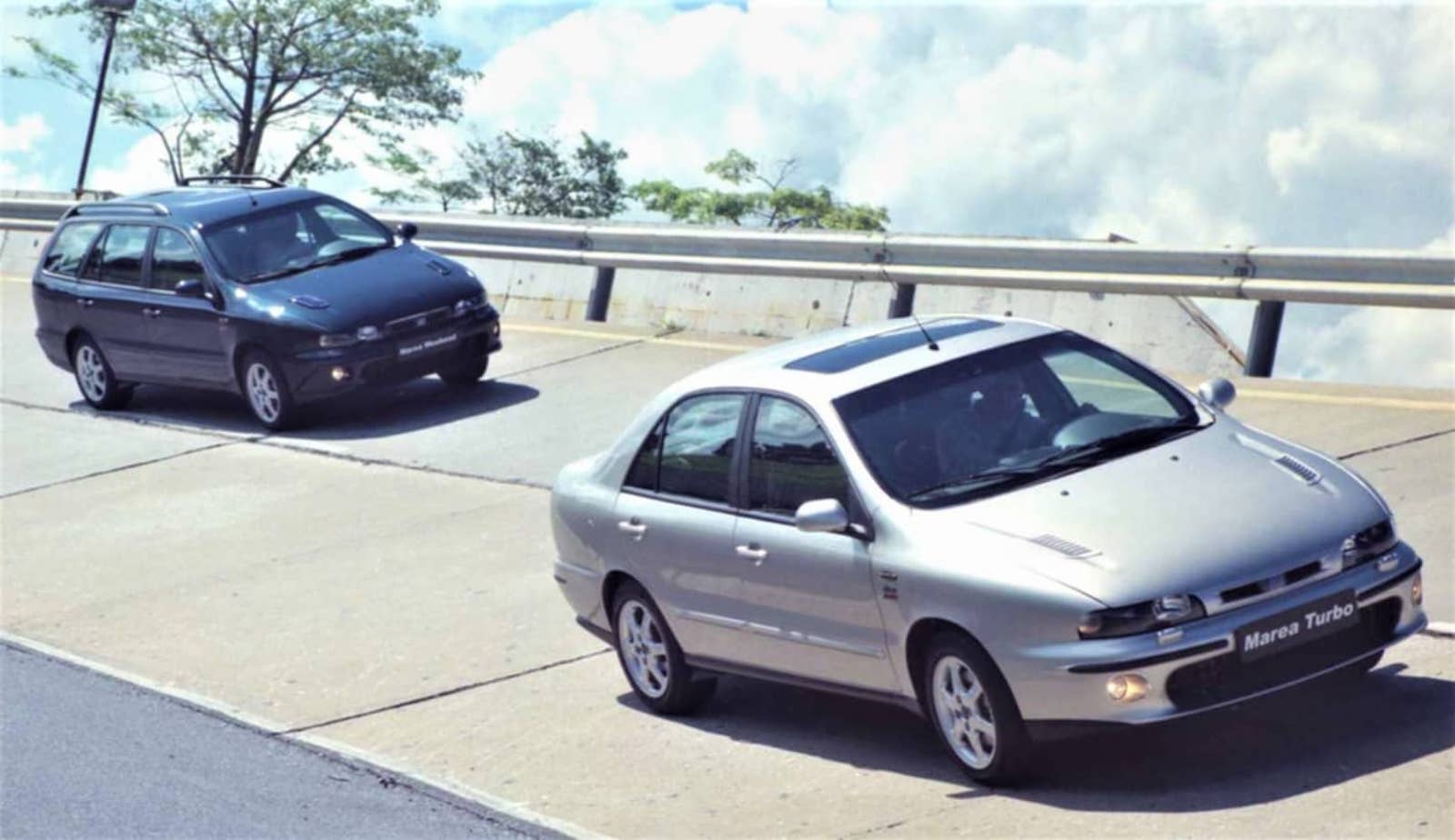
Turbo version offered spectacular performance to the Marea, but mistrust with a five-cylinder block was contagious
And then there was another mistake, on the part of consumers and owners: the use of mineral lubricating oil, instead of the recommended synthetic, despite the price almost twice as high as the second, depending. Either the Marea’s engine suffered from a lack of oil, or the lubricant chosen was the incorrect one, of mineral origin.
These, it is worth mentioning, usually give good results in engines with larger clearances, after all they are denser and thicker. In tight and precise engines, such as the Marea, they did not circulate in the best way, impairing lubrication. Synthetics are thinner precisely to fill all the passages of modern engines.
Some Marea owners even did not even expect the 20 thousand km period in the interval of revisions, and promoted an early oil change, but with the incorrect lubricant, due to the high cost of synthetic, much more common in engines at the time. In the end, the result was, as a rule, a mechanical headache, with a poorly lubricated engine, worn metal parts, overheating, risk of casting and the like. And it wasn’t even the fault of the car itself…
New engines did not erase the bad reputation
These problems were mitigated over time, after all the Fiat Marea was in production until 2007, for almost nine consecutive years. After some time, revisions began to be recommended at shorter intervals, synthetic lubricants became more popular and accessible, and, more than that, the medium model adopted other more traditional mechanical options, so to speak.
The Marea’s five-cylinder engine did not accept any lubricant other than synthetic, which was very expensive in the late 1990s
This list includes the 1.6 16v of the entry-level versions (the famous Torque – which became popular in the Palio), or the 1.8 16v, the latter with a more robust and conventional design than the five-cylinder Fivetech. But by then, the bad reputation had already dominated, and the jokes reigned anyway, even if the Marea in question didn’t use that five-cylinder.
The bad reputation remains to this day, and it is enough to enter the automotive internet to come across endless jokes about the Fiat Marea, always pejorative. They call the car a bomb, an incendiary, an easy break, among others, and the compliments go far and wide.
This situation, finally, even led to a certain ostracism of the Marea by Fiat itself, which, in 2026, celebrates its 50th anniversary in Brazil, and does not even mention the medium models, sedan and station wagon, during its parties. The spotlight goes to hits by Uno, Palio, Strada, Toro, Mobi and the like. O Marea? He is not even remembered. On purpose.
Marea flew on the slopes
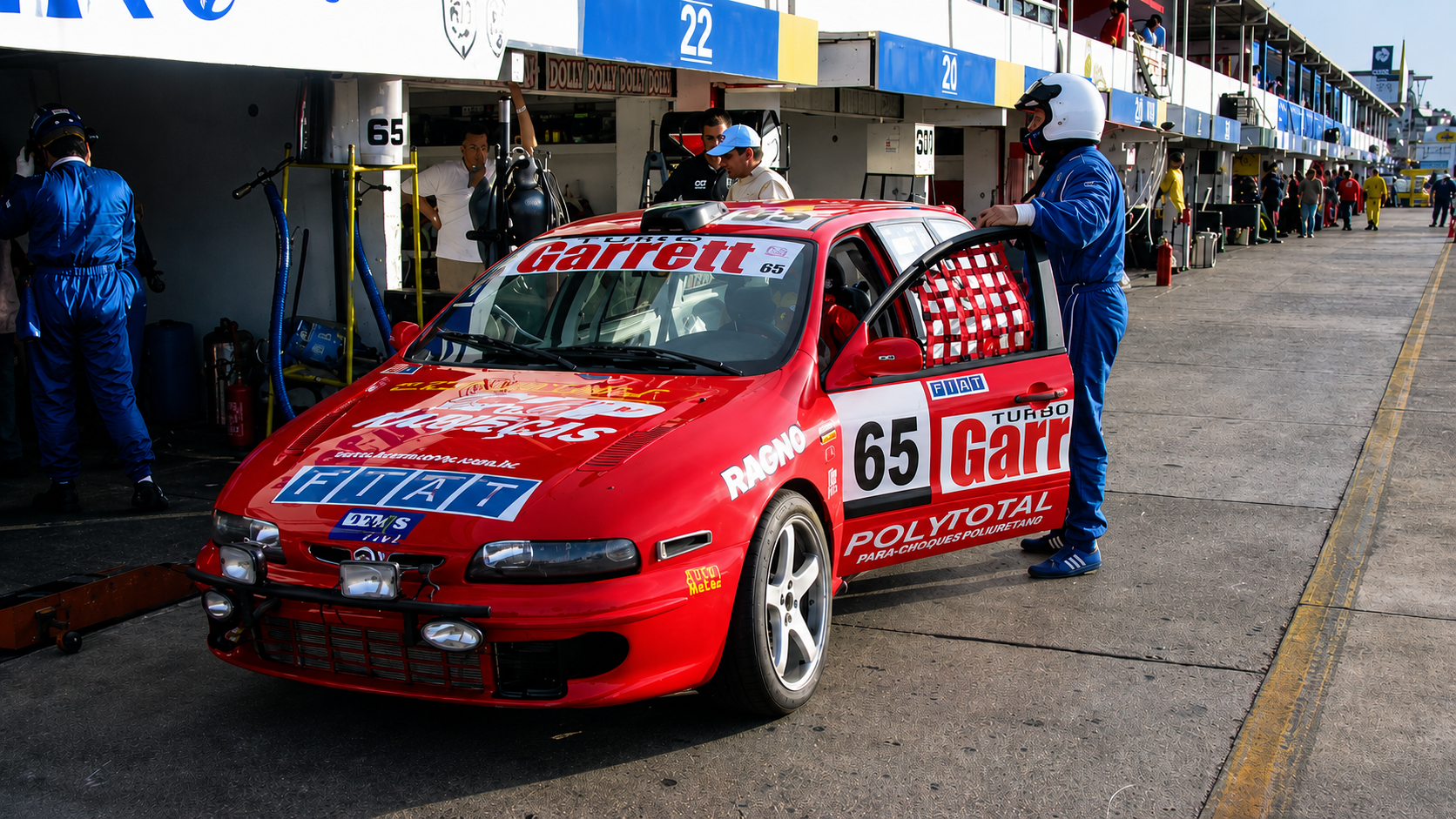
On the tracks, the Fiat Marea proved to be reliable and efficient, which gave it good performance in long-term races (Photo: Fiat Clube Brasília | Disclosure)
Despite carrying one of the worst reputations among all cars ever sold in Brazil, due to these problems mentioned above (which, in this case, were not even his), the Fiat Marea proved to me to be a robust and reliable car. Let me explain: in fact, I competed with a Marea Weekend in the early 2000s, for four years, in endurance races, for the Fiat team itself. In April 2004, I participated in another endurance race with the station wagon, in the same category as the Chevrolet Omega stock car, with a 250 six-cylinder engine prepared. It was a tough match, as the Omegas were at least 10 seconds faster per lap.
But the Fiat Marea Weekend had the advantage of autonomy, after all they consumed less fuel: with a full tank, we drove for two hours without stopping (podium gasoline), while the Chevrolet had to stop to refuel every hour (ethanol). They consumed more tires, too, forcing some extra pit-stops. After seven hours of racing, we ended up winning: the Marea Weekend was the first, and only, station wagon to win a speed race in Brazil.
Breaks? Zero, none. Its five-cylinder turbo engine, completely original, only asked for oil changes on time (with synthetic lubricant, of course), and discreet turbine revisions. In long-term races, such as the Brazilian Thousand Miles, there were more than 12 hours of uninterrupted track, fast corners, strong braking, maximum load accelerations and high speeds, without any problem. A robust car, but it was necessary to take care of it as it deserved, and not as the consumer was used to. And not even as Fiat recommended…
Comments are the sole responsibility of their authors and do not represent the opinion of this site. Comments containing profanity or offensive language will not be published. If you identify anything that violates the terms of use, please report it.