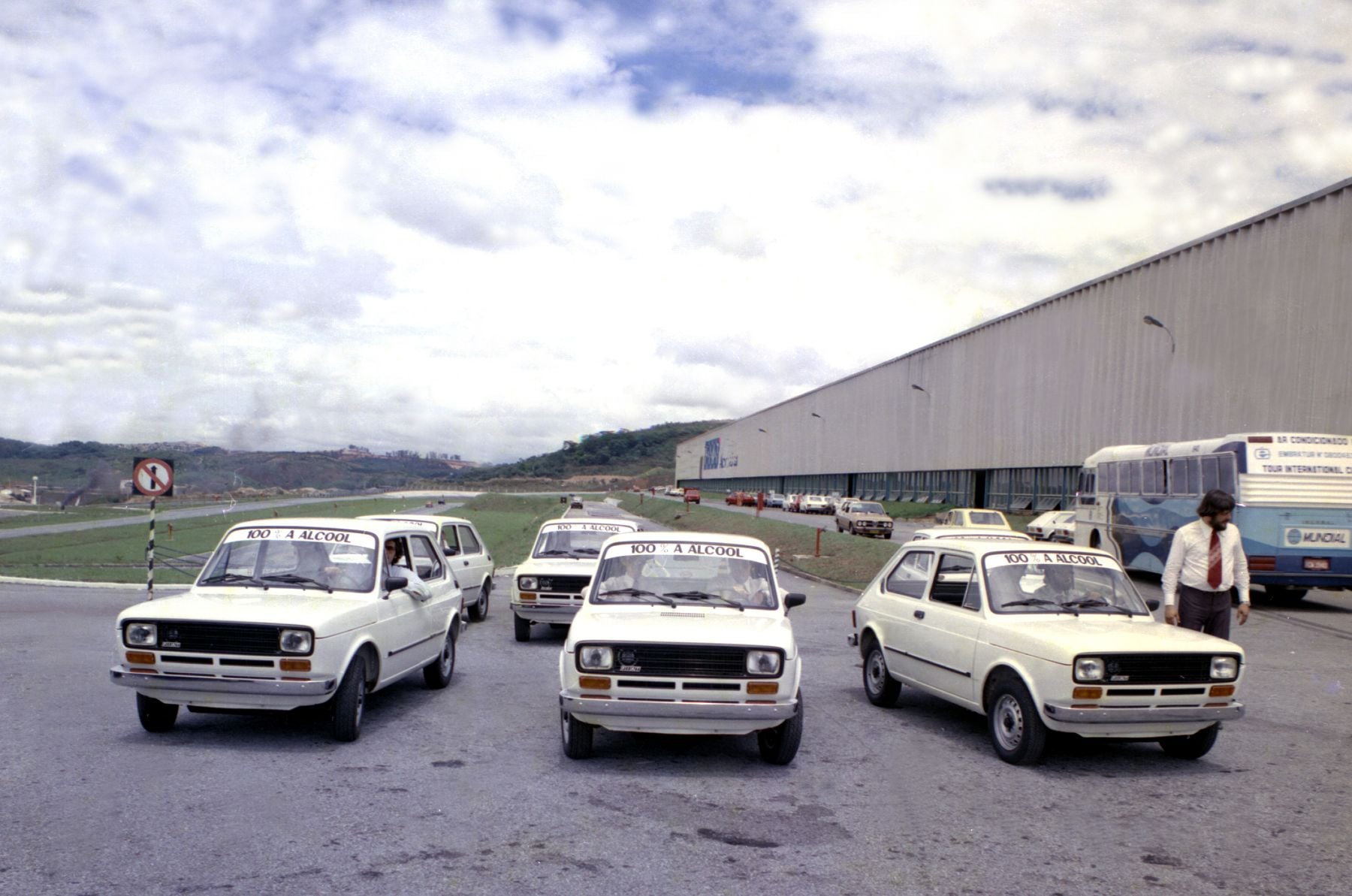
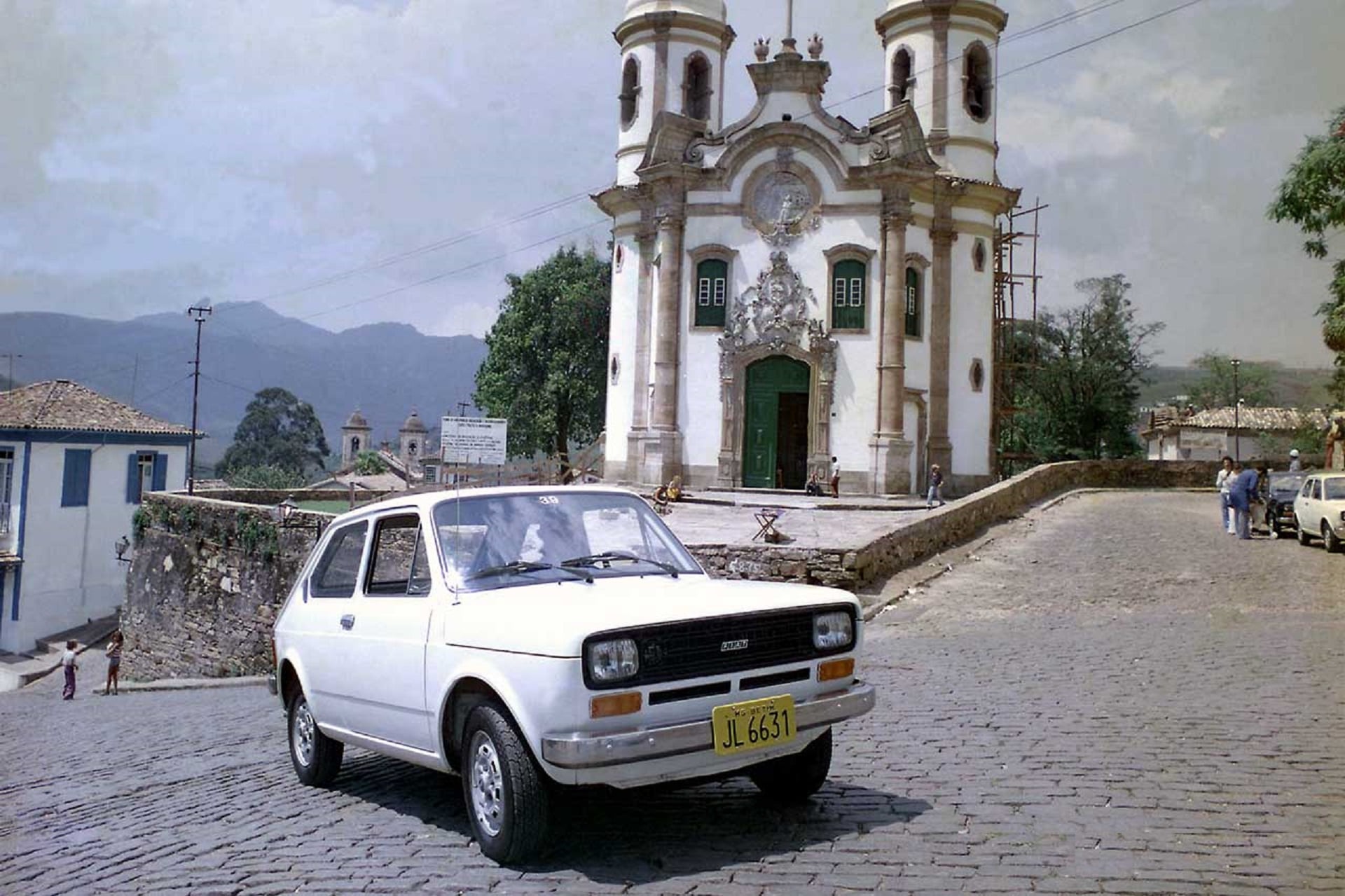
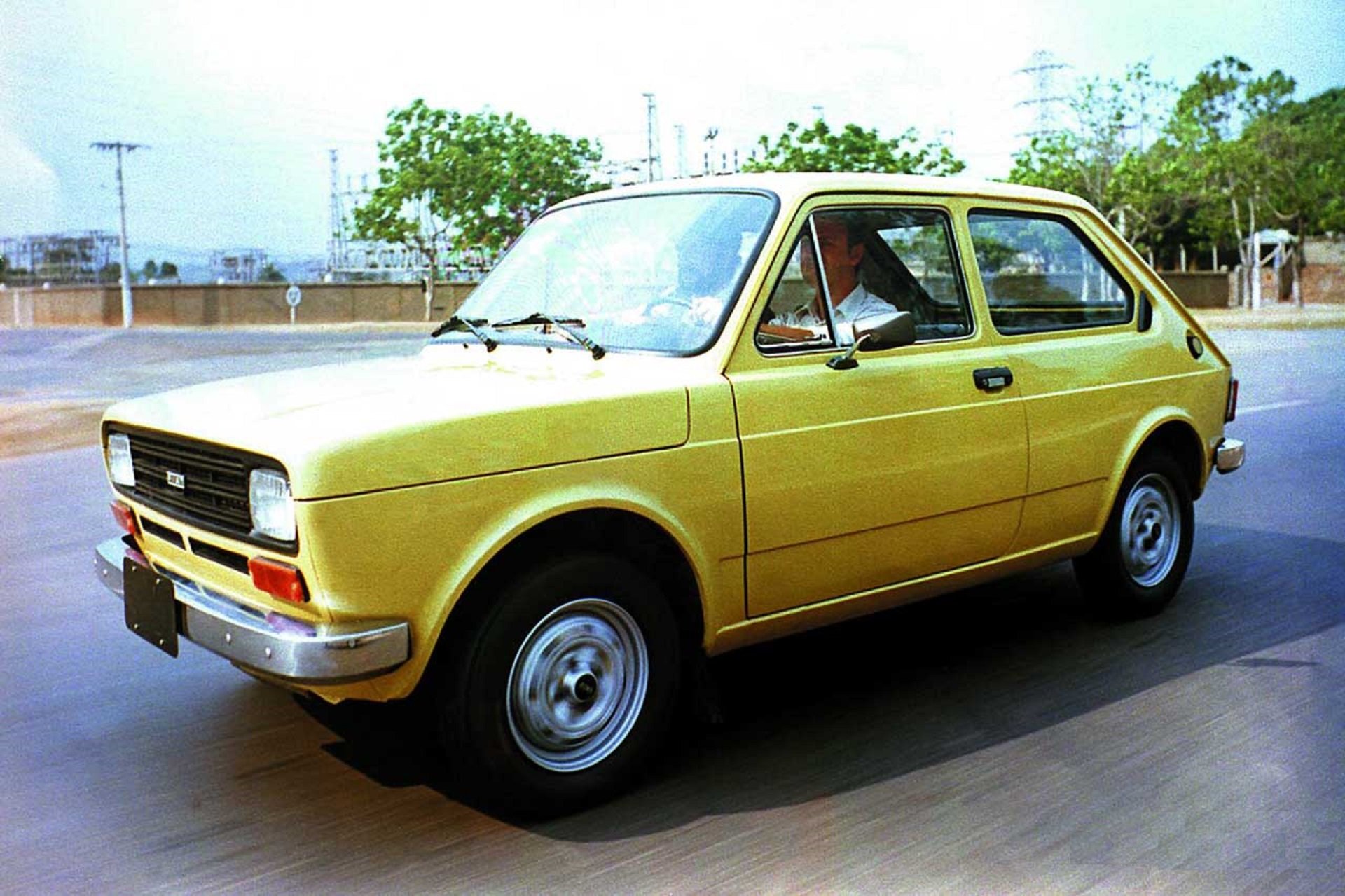
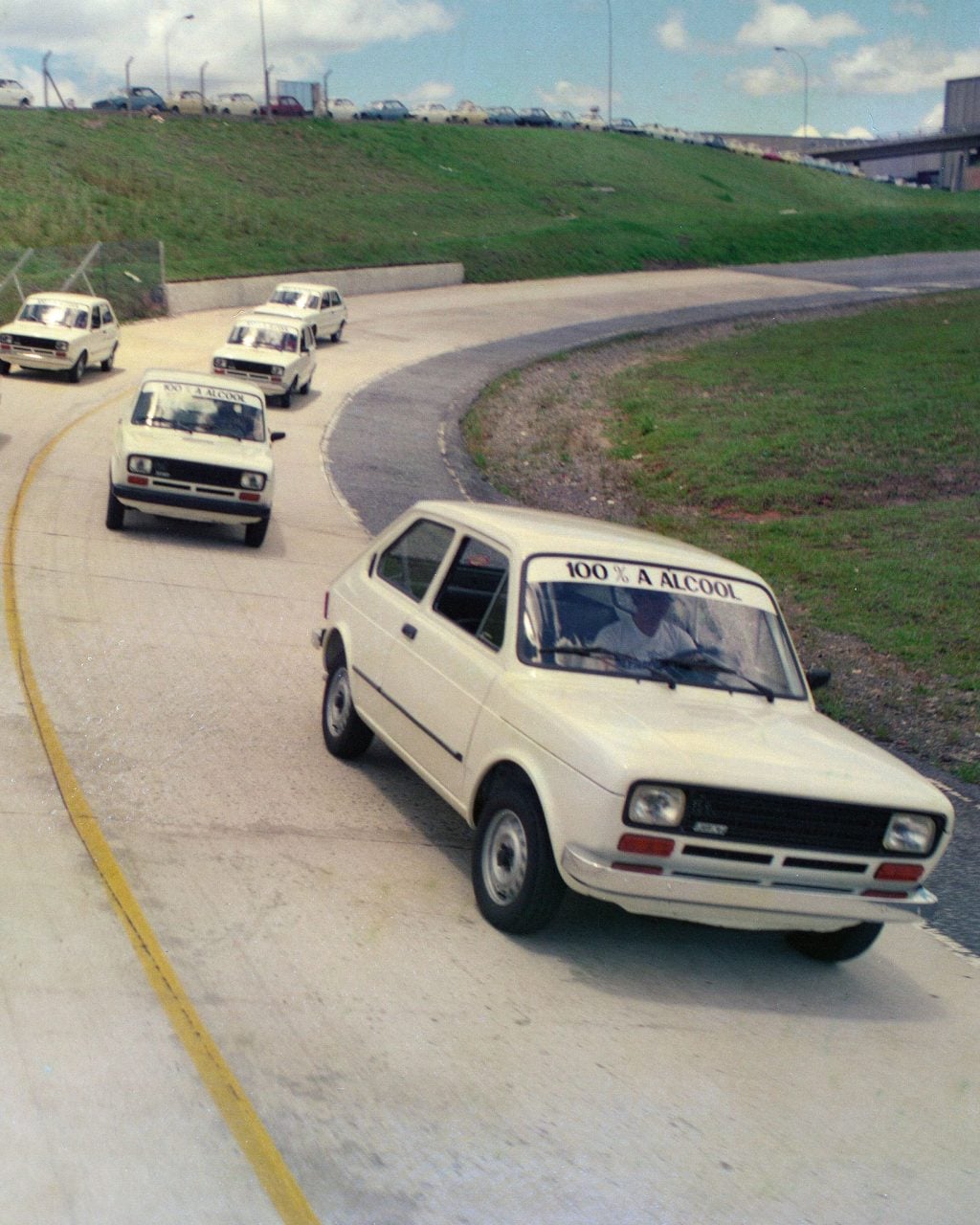
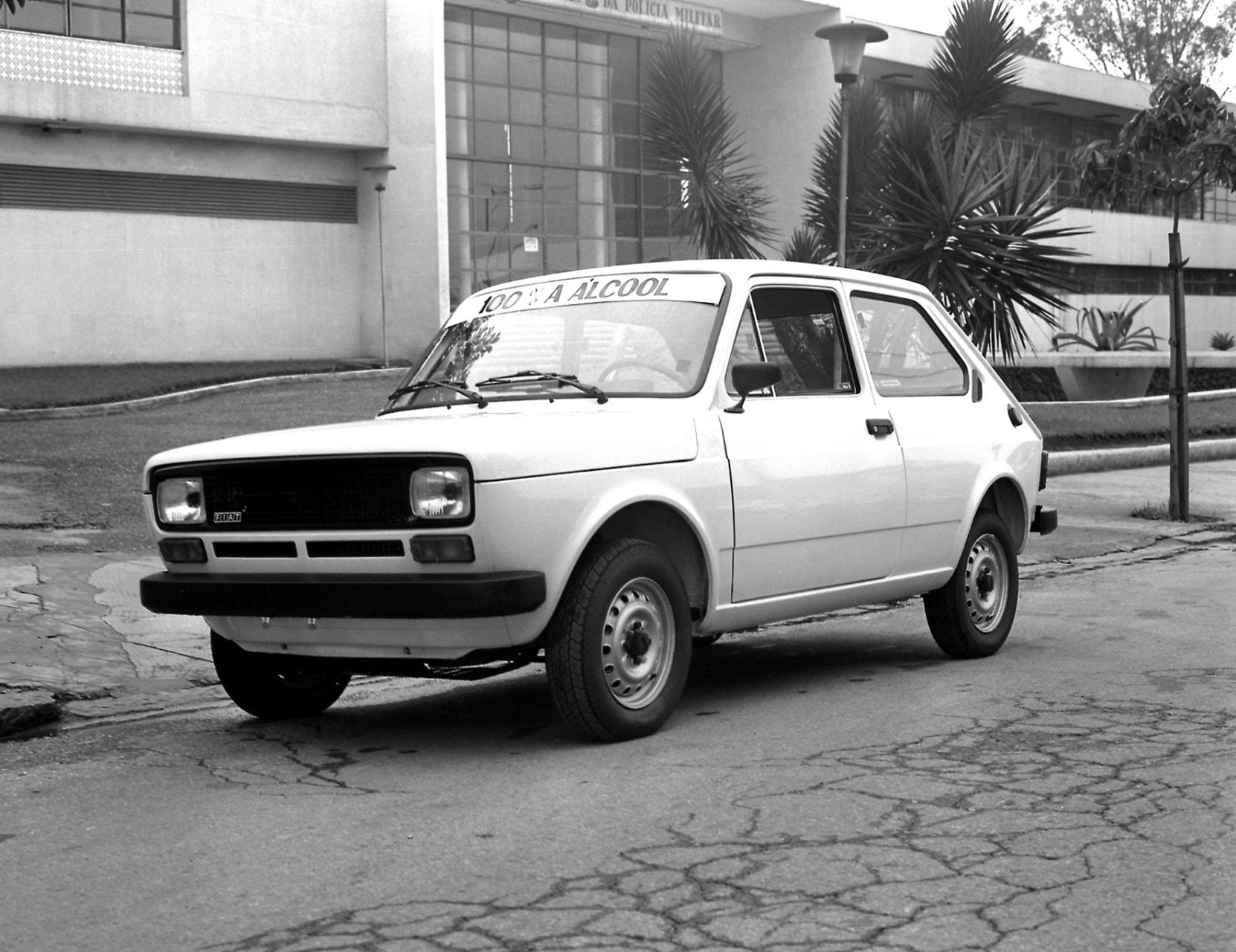
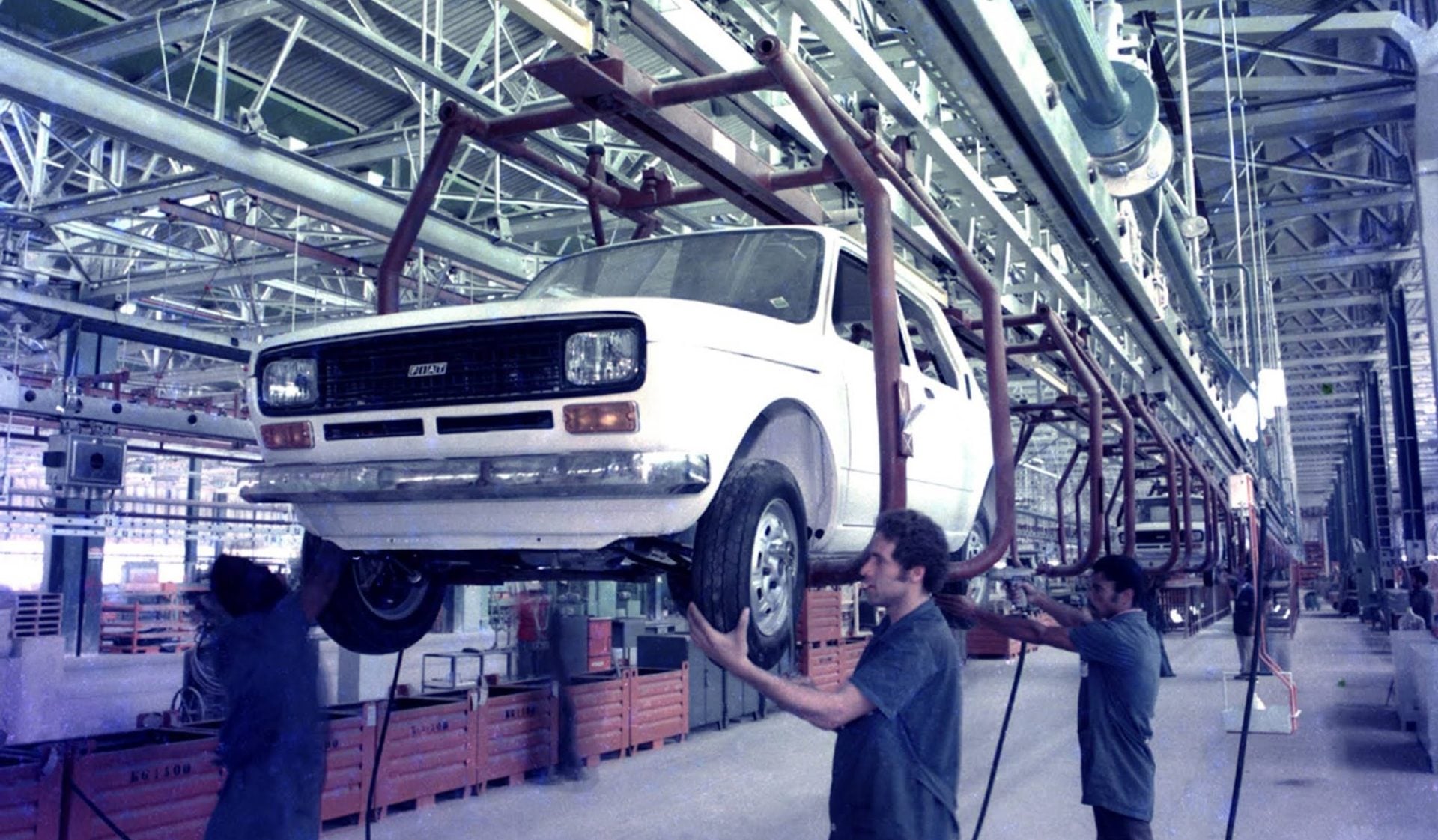
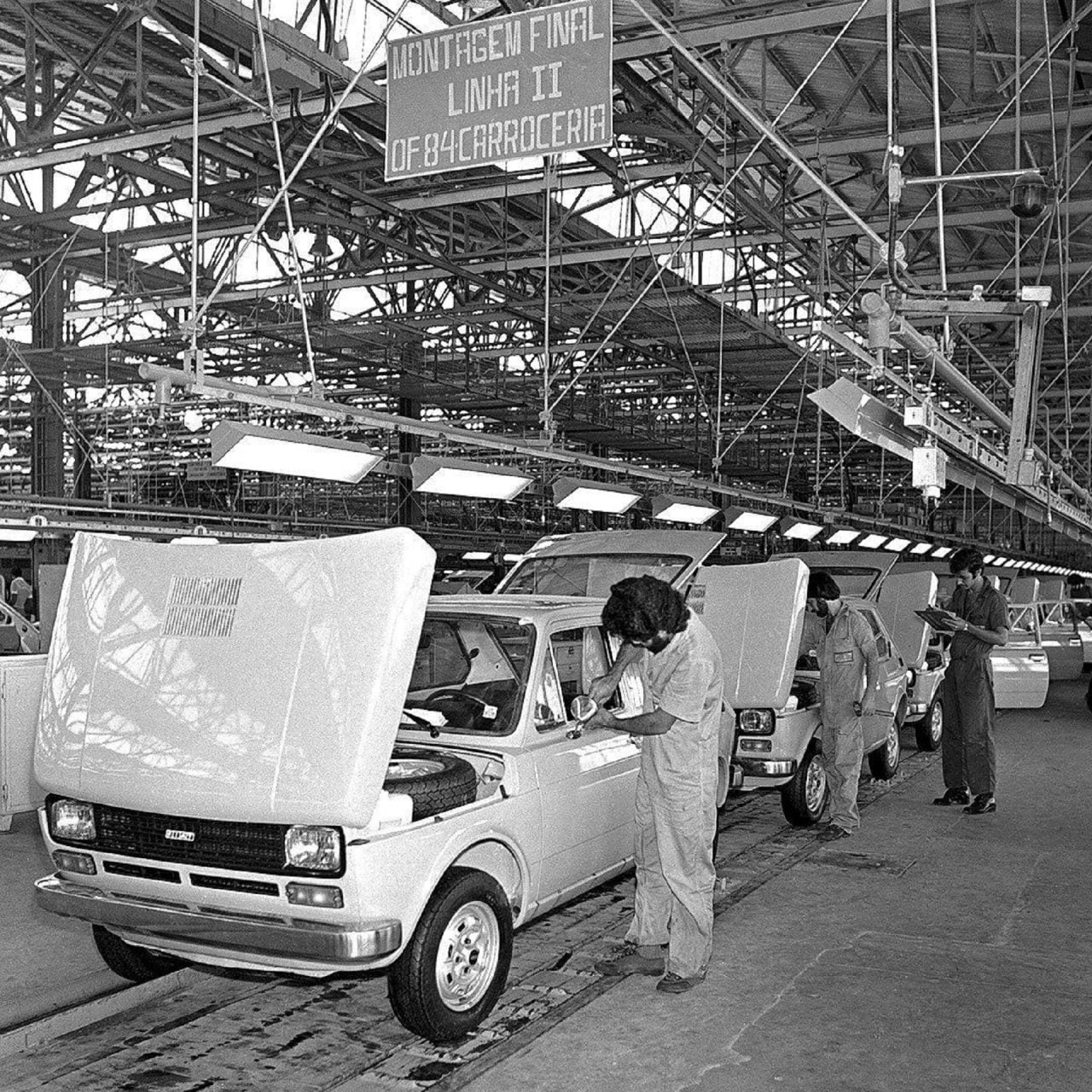
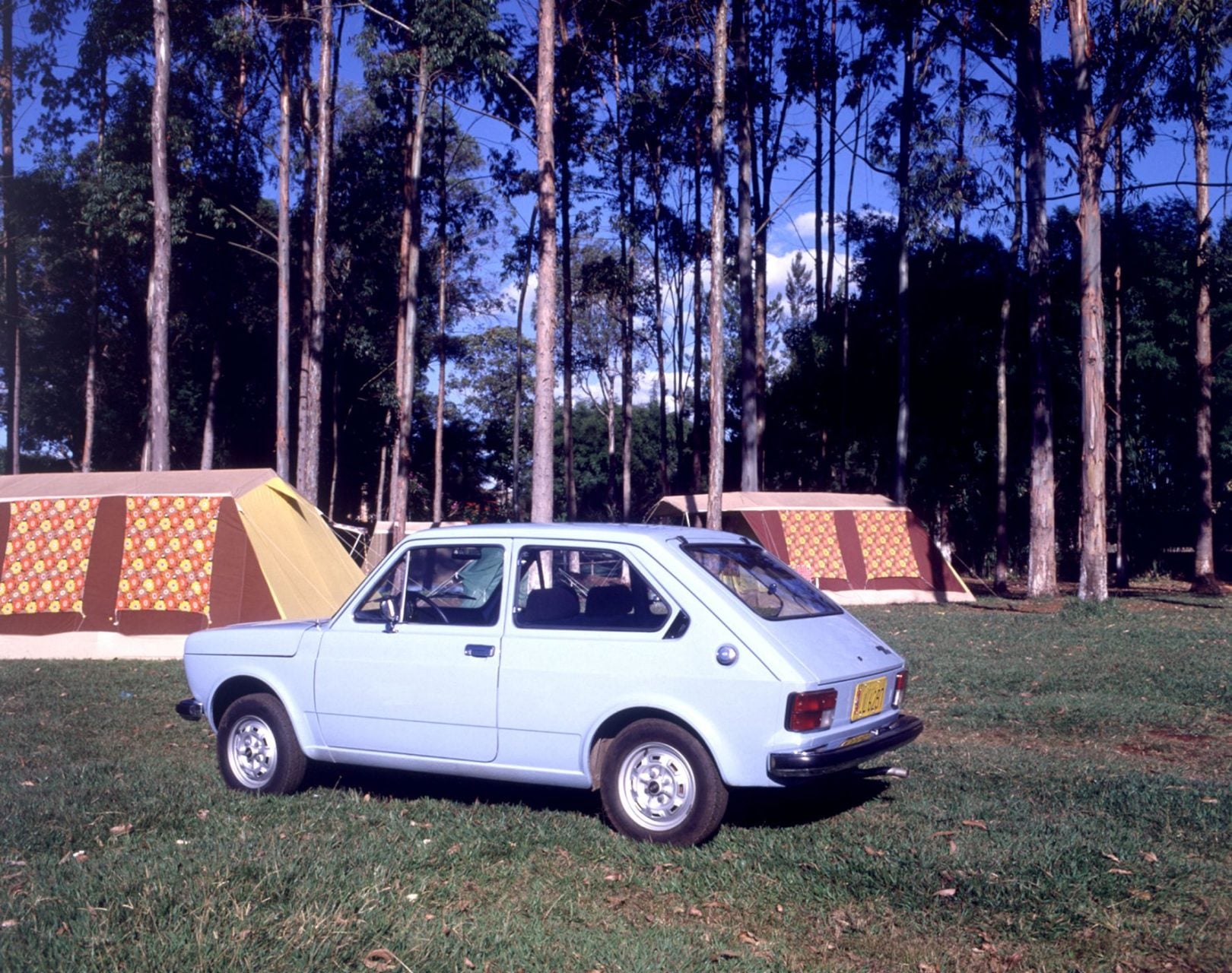
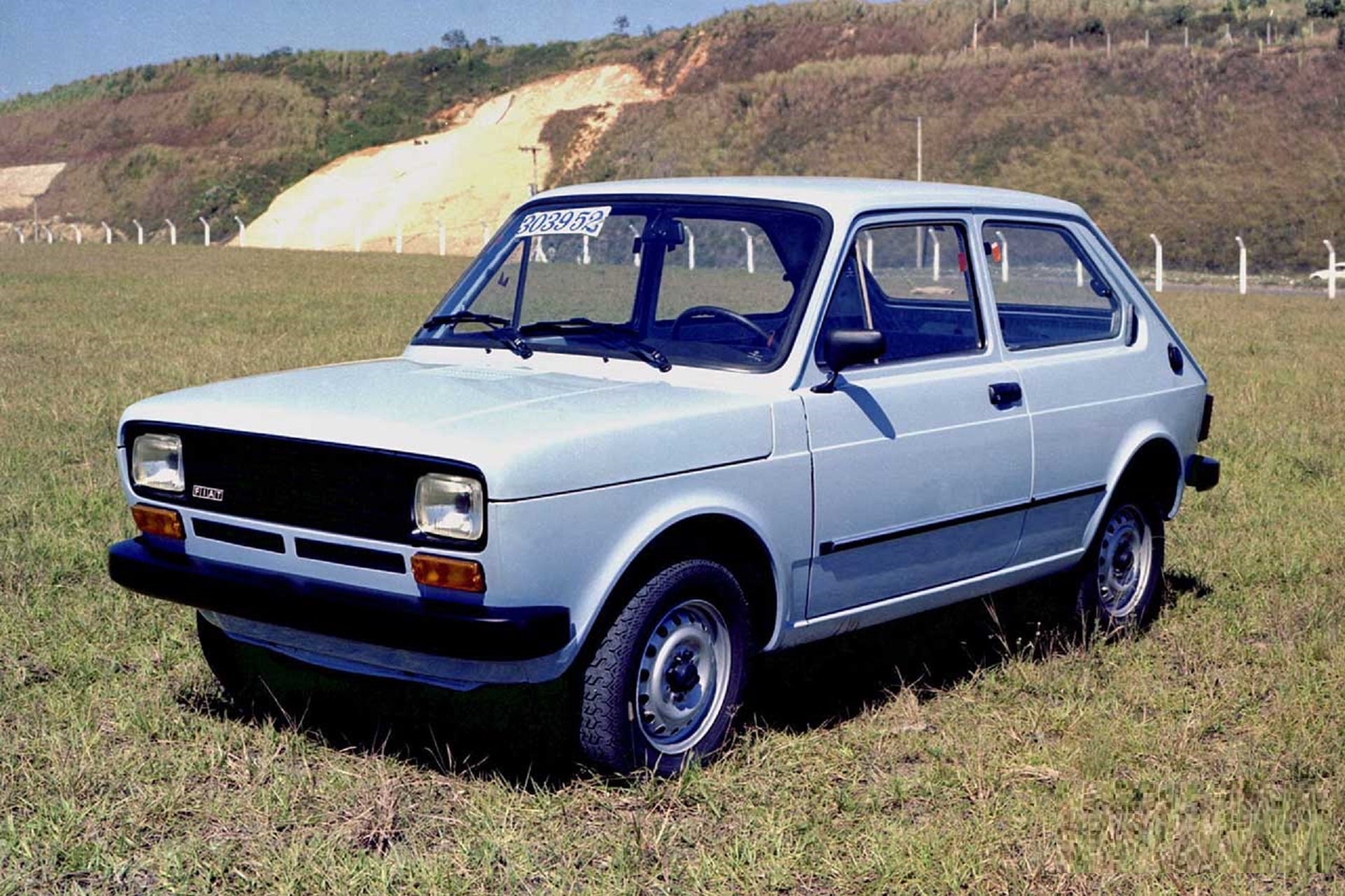
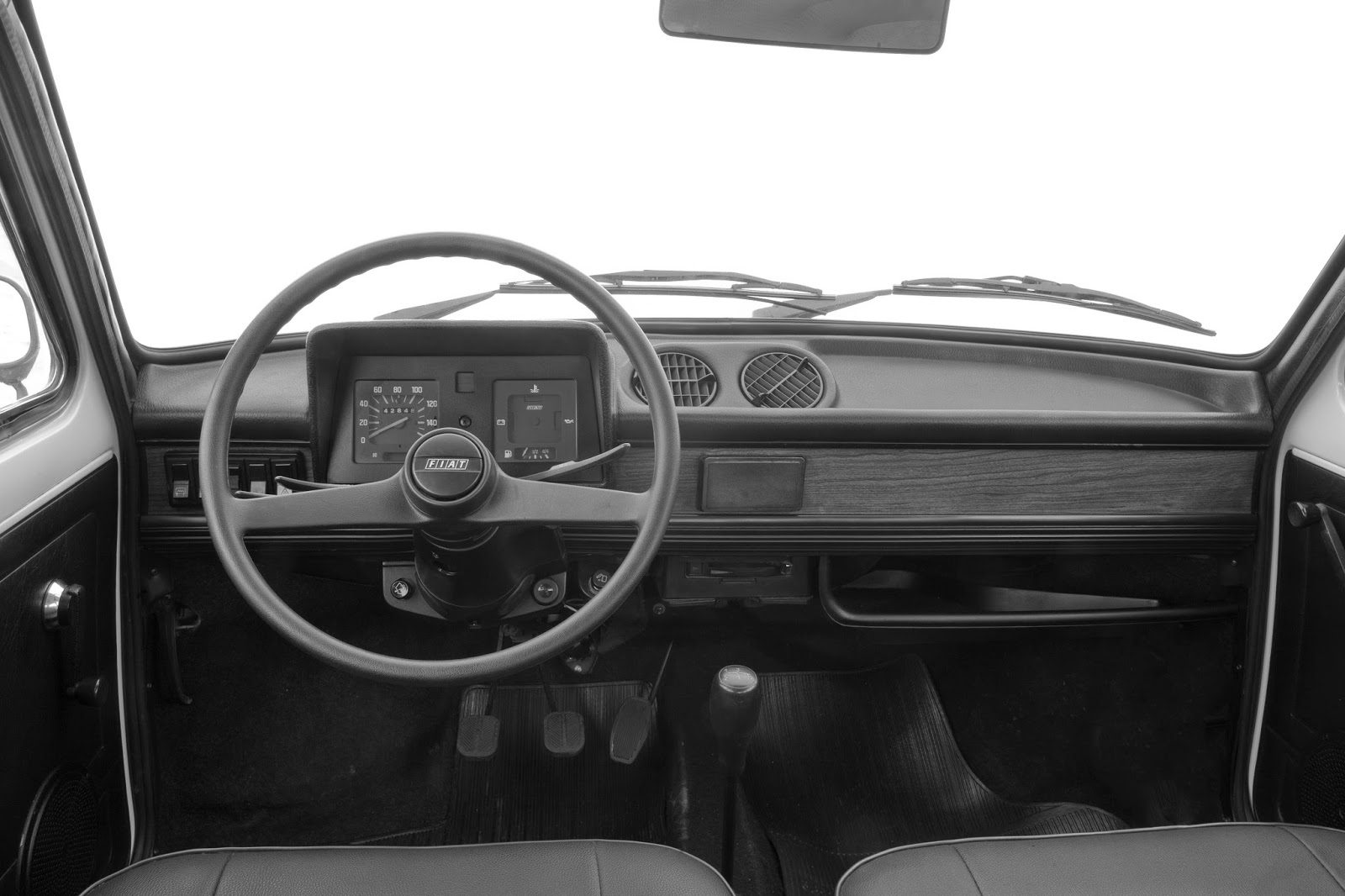
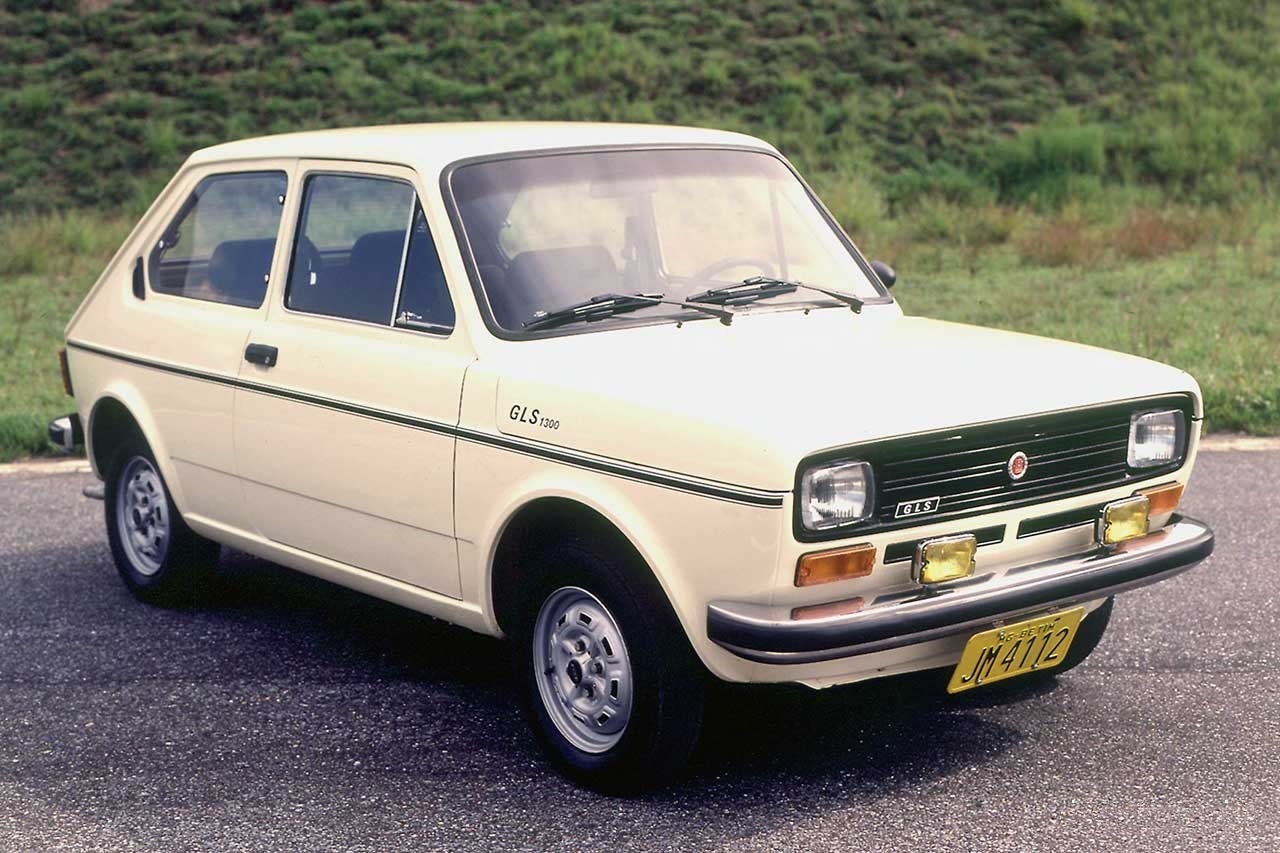
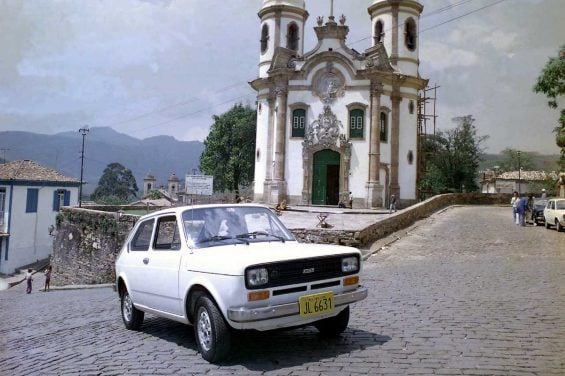
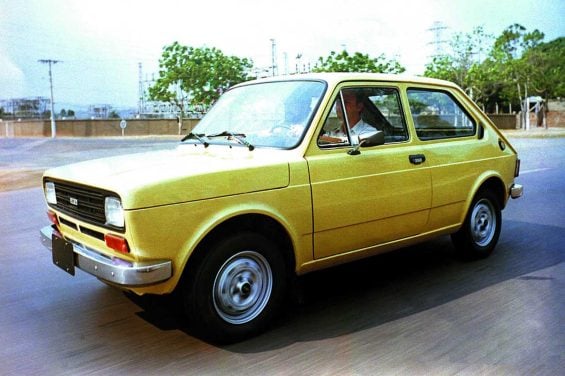
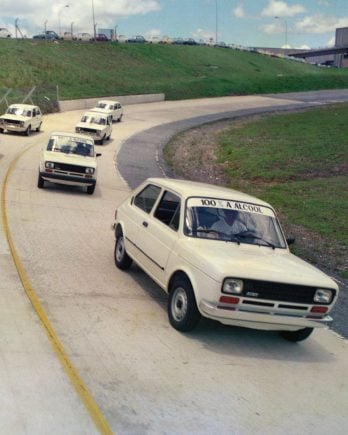
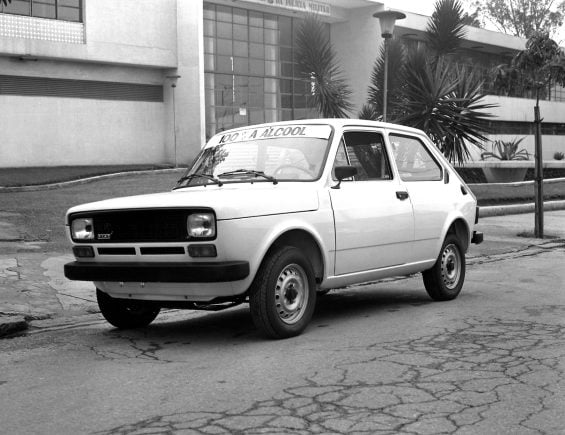
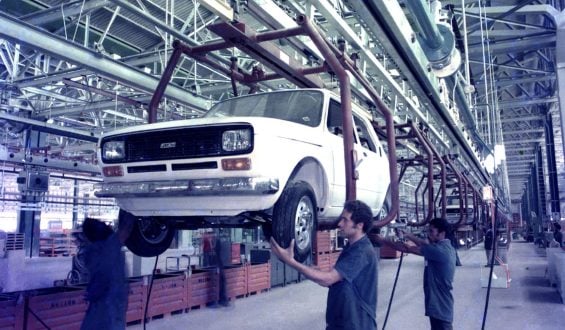
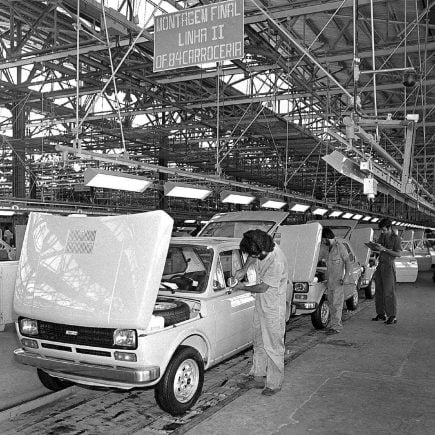
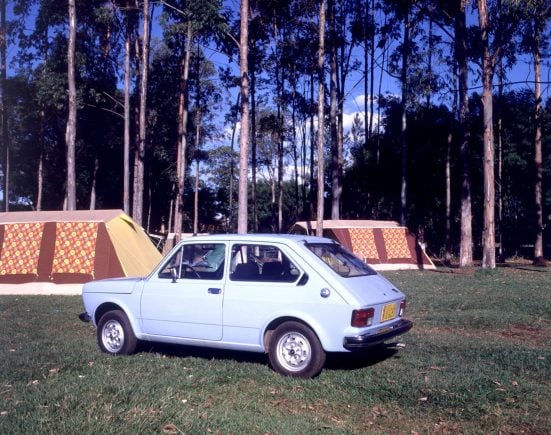
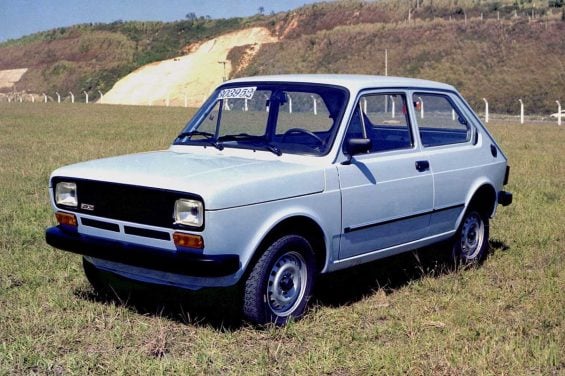
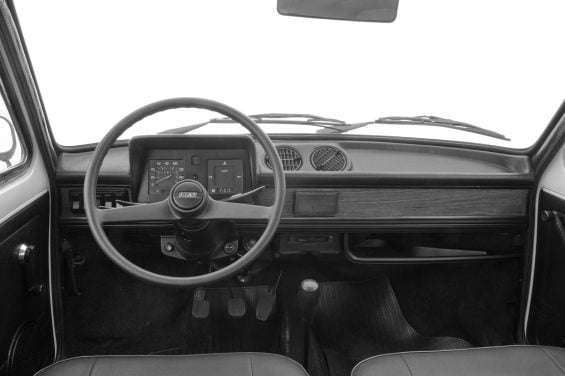
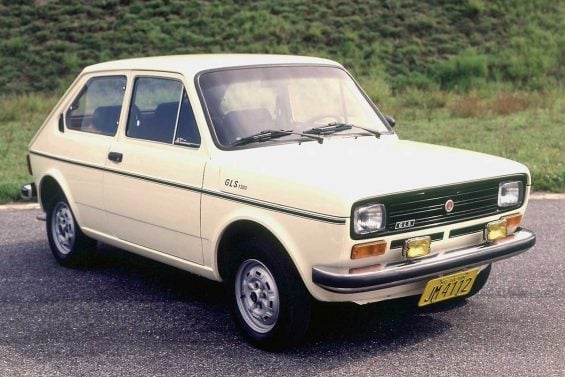
The inauguration of the Fiat plant in Betim (MG) took place on July 9, 1976. At the time, I was a 22-year-old with just over two years in the profession of journalist, working in the automotive segment. On that occasion, the Fiat 147 impressed me because it was a compact car in its external dimensions, but which accommodated four adult passengers very well. An impressive feat of design and engineering.
In this case, European engineering. After all, in reality, our 147 was almost a replica of the Italian Fiat 127, which had been launched in Europe at the end of 1971.
In fact, 127 and 147 were similar in design and mechanical concept, but structurally they had important differences: as here in Brazil the conditions of streets and roads were severe by European standards, our 147 had a more reinforced monocoque structure and the rear suspension, although independent, was made by means of an unprecedented transverse leaf spring, which allowed the Brazilian model a constructive robustness superior to that of the European one.
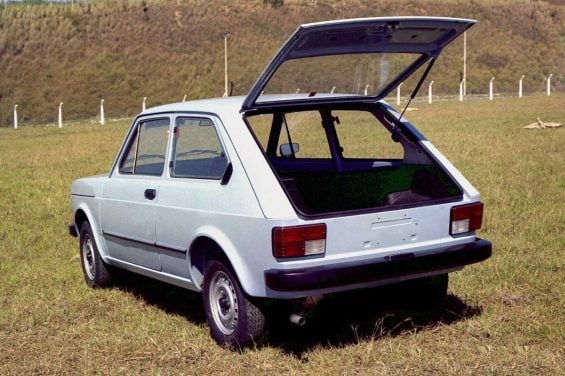
Another unprecedented technical feature of the 147 was the adoption of the engine/gearbox assembly arranged transversely at the front. This feature was part of the novelty of the project, which compacted the mechanics into a small front space, leaving more space for passengers and the trunk.
Transverse tna engine and spare tire in the vault: innovations of the compact (Photo: Fiat | Disclosure)
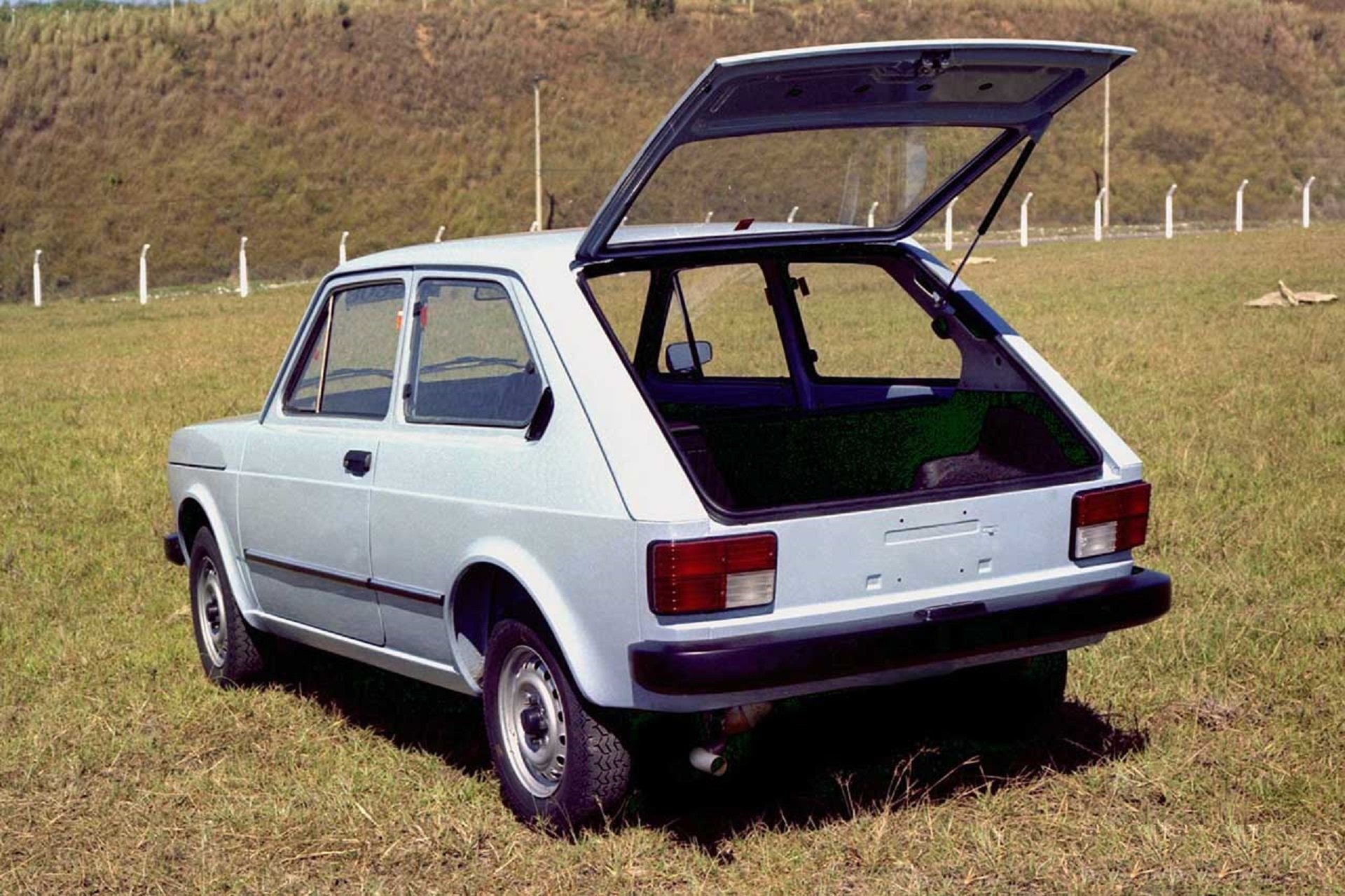
In fact, the trunk with a good 350 liters of capacity allowed all this use thanks to the placement of the spare tire in the engine safe. It was all part of the project that aimed at greater comfort for people and compact mechanics all accommodated in the engine cabin. The VW, its rivals, had an air engine installed in the rear, a much more obsolete scheme.
Why 1050 cm³ engine?
An interesting curiosity of the Fiat 147 was related to the cubic capacity of the engine: 1,050 cm³. Someone might ask: “why 1050 and not 1000 or 900, like the Italian model?”. In fact, they thought of the Fiat 147 with 1,000 cm³ or 1 liter. But the Italians discovered that, at the time, our old tax laws charged more taxes on the manufacture of cars up to 999 cm³ than on cars that had engines from 1,000 to 1,300 cm³. An official absurdity, decreed by law, the result of a work done in Congress in the late 50s by Volkswagen, so that the Beetle 1200 paid less IPI than its competitors DKW 1000 and Renault Dauphine/Gordini 850.
For this reason, the Italians increased the cubic capacity of the engine designed for our car, so that it would fit the law that allowed paying less IPI. The mission was clear: the Fiat 147, with this, would achieve a more competitive price in the Brazilian market. It is worth mentioning that this flaw in the tax legislation was only repaired in the Collor government, in the early 90s. At that time, tax incentives were even created for cars that had the cubic capacity of their engines less than 1000 cm³ or 1 liter (when Fiat won with the Uno Mille).
Exhaust pipe
In 1976, I remember the first Fiat 147s that arrived for testing in Quatro Rodas magazine and Oficina magazine, also from Editora Abril, where I worked as a reporter. One thing that caught my attention about the carts was the tiny diameter of the pipe that came out of the muffler. It was an exhaust pipe a little thicker than a finger. When I saw it, I thought: “this won’t work! How can this pipe handle the exhaust of gases from a 47 hp engine?”. There was no other way: the cars that began to be distributed to the dealer network already came with a larger diameter pipe, which gave a much healthier impression of power.
Let me explain: in reality, it is clear that Italian engineering knew that the smaller diameter pipe would be enough for the meager 47 hp produced by the 1050 engine. But, certainly, the marketing, when it saw that narrow pipe, complained that the small tube could give the impression of a weak, unpowerful engine.
Photo: Fiat | DisclosurePhoto: Fiat | DisclosurePhoto: Fiat | DisclosurePhoto: Fiat | DisclosurePhoto: Fiat | DisclosurePhoto: Fiat | DisclosurePhoto: Fiat | DisclosurePhoto: Fiat | DisclosurePhoto: Fiat | DisclosurePhoto: Fiat | DisclosurePhoto: Fiat | DisclosurePhoto: Fiat | DisclosurePhoto: Fiat | Disclosure
The important thing is that everything was fixed in time, and the first owners of the Fiat 147 were happy with what they received, despite the typical gearbox problems, which affected it for quite a while. The fact is that Fiat’s first national car, 50 years ago, impressed the national market for everything it offered in terms of new technologies for low gasoline consumption, good interior space and a surprising trunk for the time.
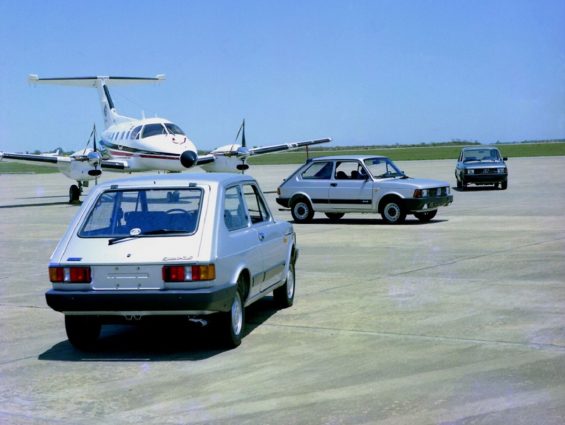
I had the pleasure of doing a comparative test between the Fiat 147 chassis number 00001 from 1976 and one of the last 147 produced in December 1986. In the 10 years that it has been produced, the cart has evolved a lot, especially in the gearbox, which has substantially improved the quality of its hitches. Without a doubt, the Fiat 147 indisputably marked our automotive industry and was the kick-off for this half century of successes for the Italian brand in Brazil. Here’s to another 50 years!
Comments are the sole responsibility of their authors and do not represent the opinion of this site. Comments containing profanity or offensive language will not be published. If you identify anything that violates the terms of use, please report it.