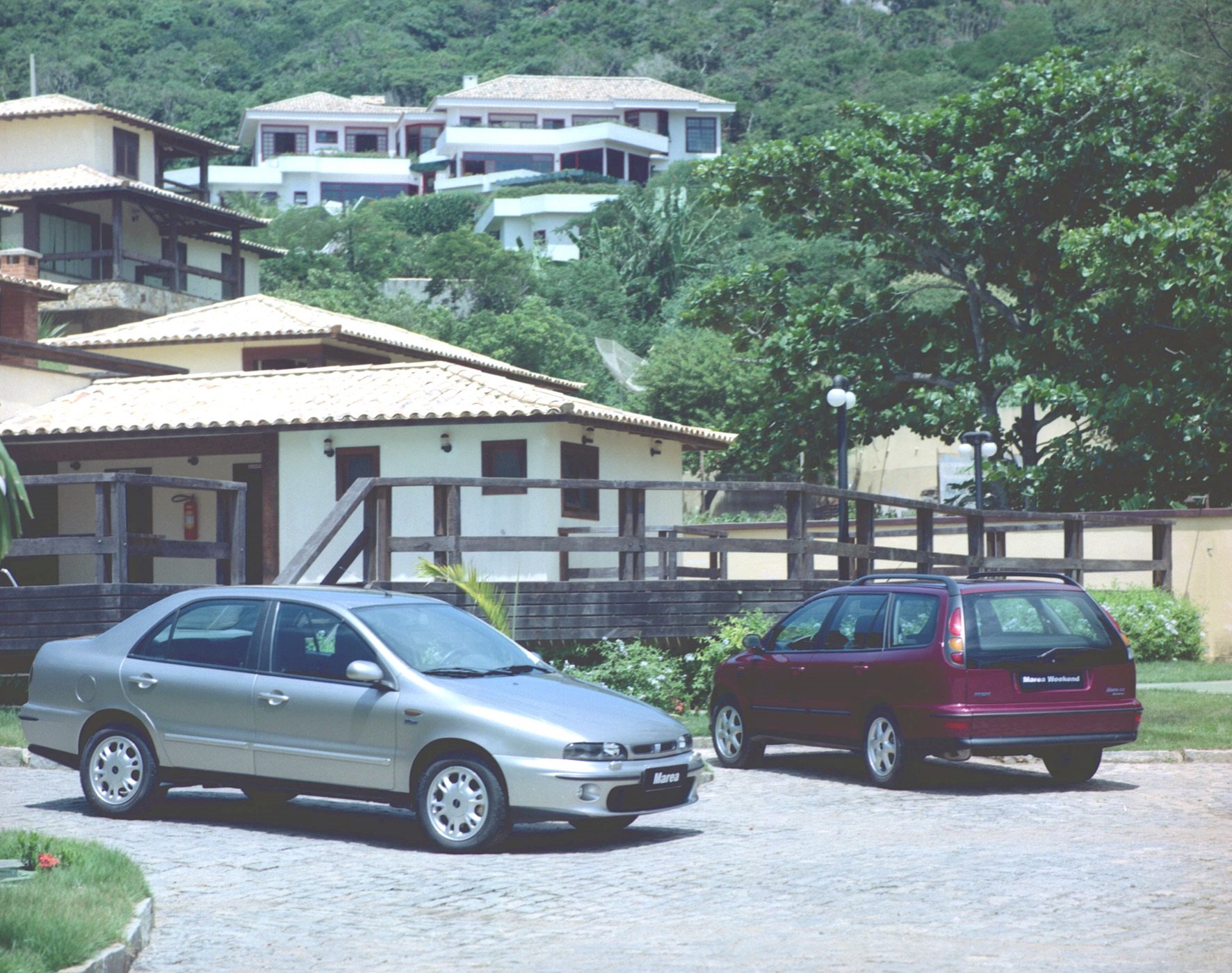
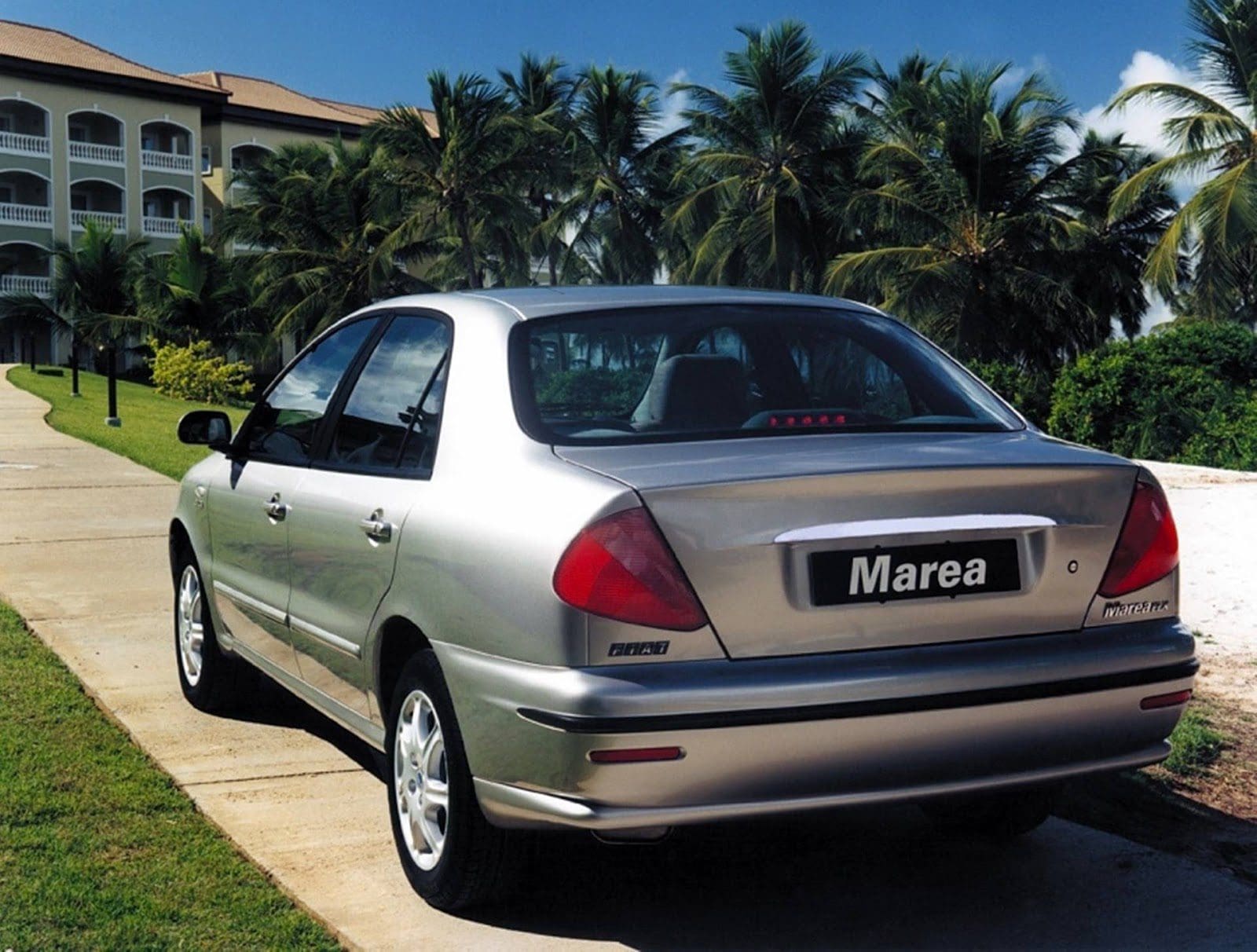
Fiat’s Marea line was a clear attempt by the Italian brand to enter the midsize car segment in Brazil, a market that was already proving to be quite profitable in Latin America. It was the same path followed by GM with the Monza and, later, with the Vectra, in addition to Volkswagen with the Santana line. Until 1998, Fiat stood out in the Brazilian market mainly with its compact and popular cars, but realized that the profit margin of medium models was much more attractive.
Taking advantage of the launch of the Marea line in Europe in 1996, consisting of a sedan and a station wagon, the brand decided to bring its new medium-sized vehicles of European origin to Brazil. Two years later, in 1998, the Marea officially landed in the national market.
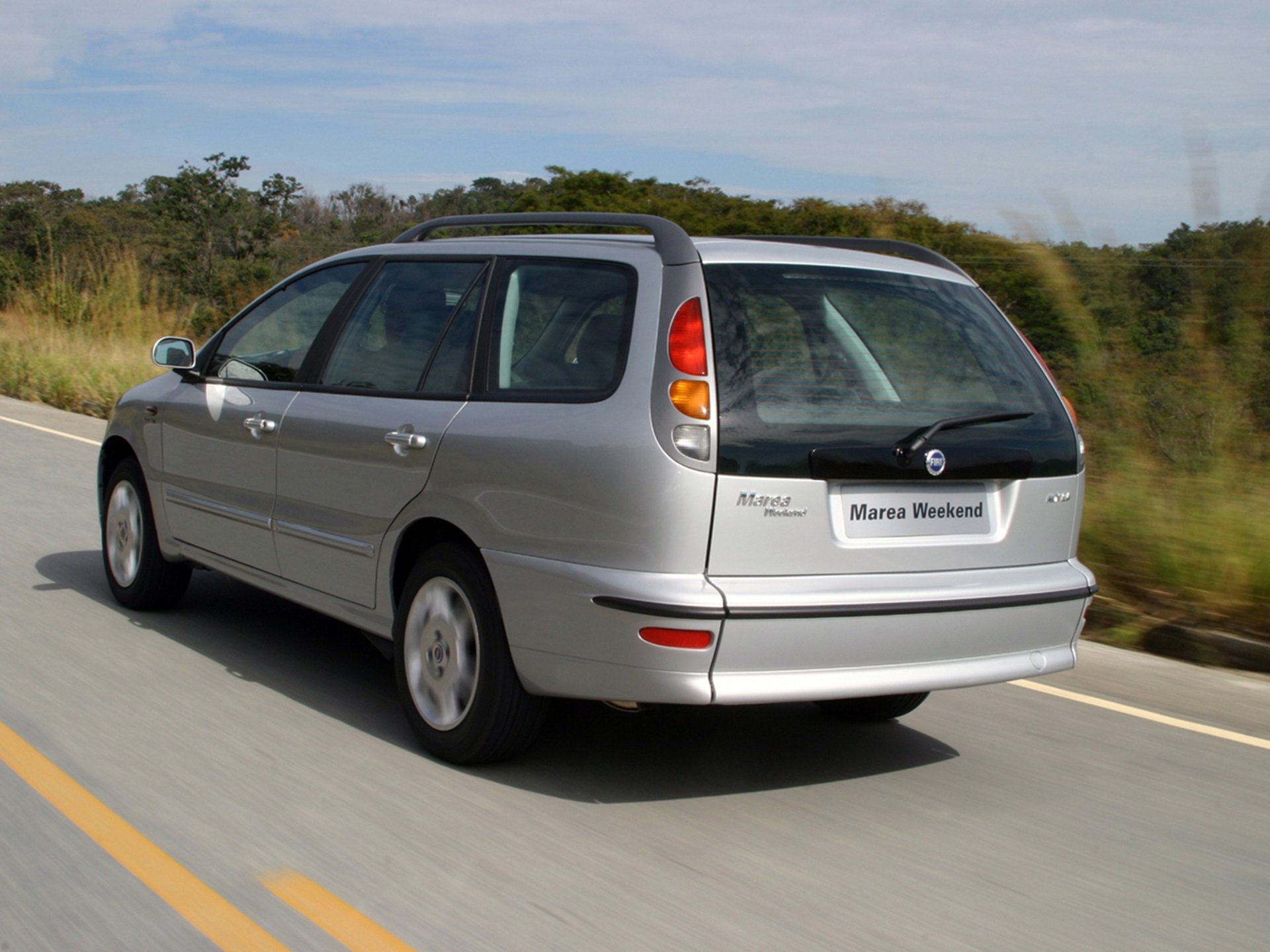
The range was formed by the Marea sedan and the Marea Weekend station wagon, a vehicle aimed at family use and weekend trips. To stand out from competitors, the line bet on sophisticated mechanics for the time. The engine was a five-cylinder in-line with 20 valves, four per cylinder, which generated, according to the manufacturer, 127 hp of maximum power.
Both the Marea (sedan) and the Weekend station wagon were very modern cars, just as they were sold in Europe
Not by chance, the 127 hp coincided with the IPI tax limit at the time. Above this power, the tax burden increased significantly. It is estimated that, in reality, the engine delivered about 134 hp, but Fiat declared 127 hp to keep the model competitive in price compared to national rivals.
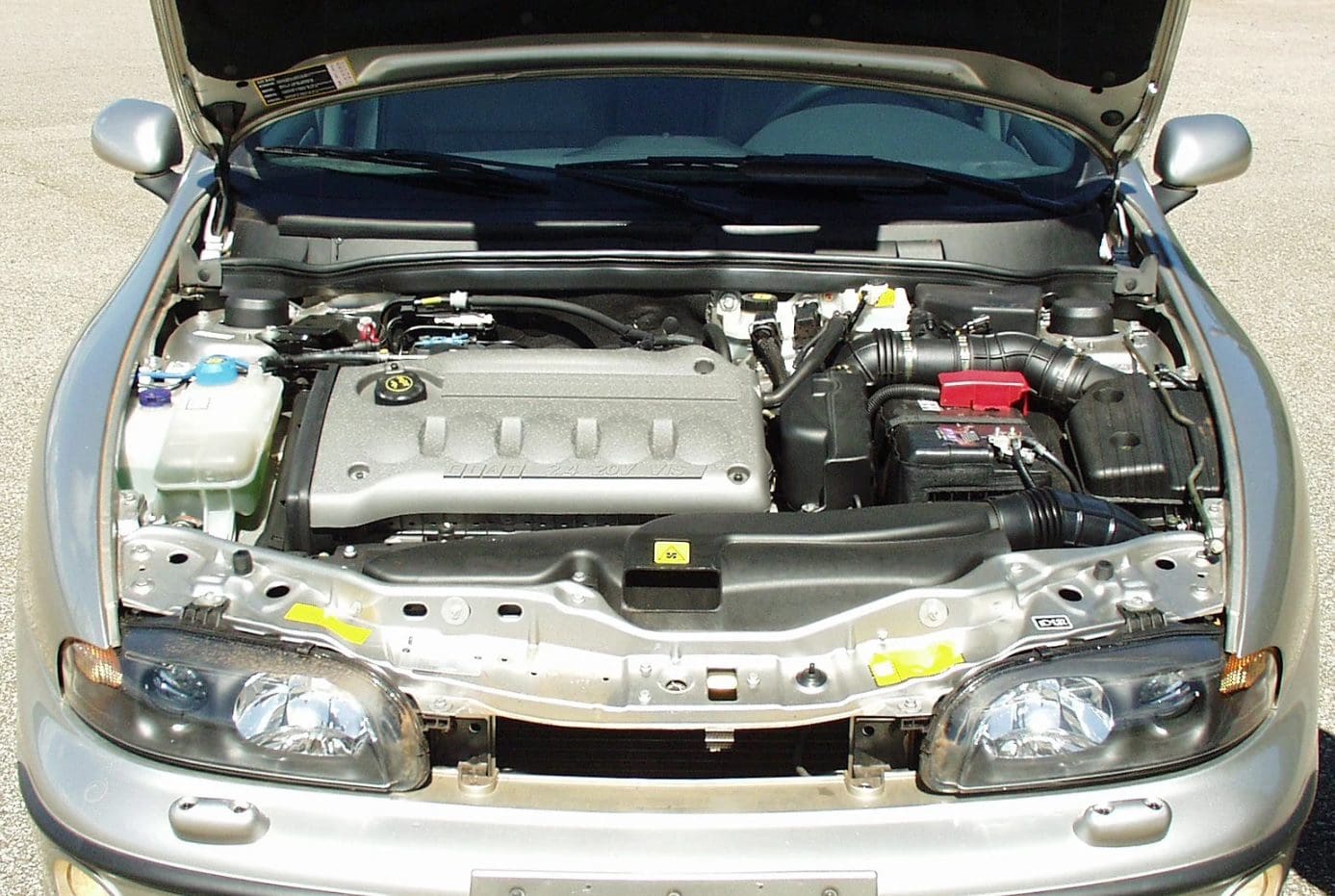
Engine squeezed into the safe
The five-cylinder engine was long and mounted transversely in the vault. With little space between the mechanical assembly and the wheel arches, maintenance became laborious and expensive. To give you an idea, the simple change of the timing belt required the lowering of the entire engine and gearbox assembly, a time-consuming, costly procedure and foreseen in the periodic maintenance of the vehicle, recommended every 50 thousand kilometers. It was a real nightmare for mechanics from dealerships and independent workshops.
Marea’s five-cylinder engine did not accept any lubricant other than synthetic and needed to be “removed” to change the timing belt
To make matters worse, there was an important error in the Brazilian owner’s manual. It stated that oil changes should be carried out every 20 thousand kilometers. This caused many engines to suffer from inadequate lubrication, causing a high number of mechanical failures and helping to create the reputation that the Marea’s engines were fragile.
Imported from Italy, the set did not present the same problems in Europe. Later, it was discovered that the main cause of the breakages was precisely the incorrect recommendation of the manual. In addition, as it was a modern and European design, the engine required synthetic oil. In Brazil, however, for cultural and economic reasons, most owners continued to use mineral oil, as they did in their previous vehicles. After all, the synthetic lubricant cost more than twice the price of the mineral.
The result was disastrous. Many engines started to require rectification with less than 50 thousand kilometers on the clock. The fame of a fragile engine spread quickly. The combination of inadequate oil and excessive drain intervals compromised the reputation of a set that, technically, was quite advanced. The five-cylinder came to be seen as a drinker, unreliable and expensive to repair, as many parts needed to be imported from Italy.
Marea Turbo expanded the line
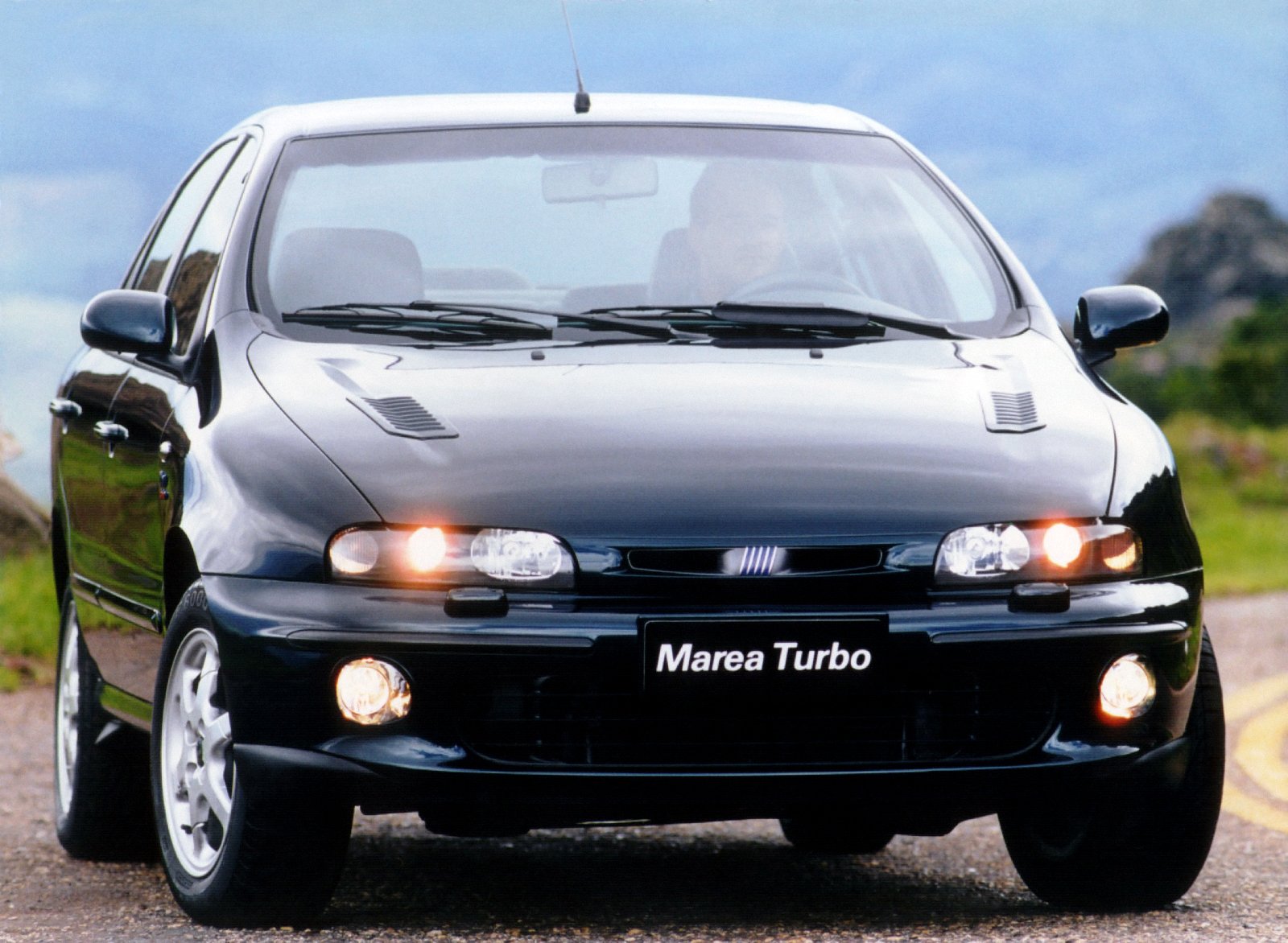
At the end of 1998, to respond to criticism about the performance of the aspirated 2.0 version, Fiat launched the Marea Turbo. Equipped with 182 hp and torque close to 28 mkgf, the model became one of the fastest national cars for sale in that period.
Marea Turbo was the most nervous car manufactured in Brazil in the late 1990s
Even so, criticism of the naturally aspirated 2.0 engine continued. To try to reverse the situation, Fiat developed a version 2.4 that revised all the mechanics of the car. With approximately 160 hp and almost 22 mkgf of torque, the new five-cylinder delivered superior performance and greater elasticity.
The requirements regarding the use of synthetic oil remained, but the change interval was reduced to 10 thousand kilometers. This measure solved most of the problems related to durability, although maintenance remained complex and expensive. Even offering superior performance to that of national competitors, the cost of maintenance still drove away many consumers.
1.8 engine was the best option
With that in mind, Fiat launched a version equipped with a 1.8 16V engine and variable intake timing, initially in the SX versions and, later, ELX. Produced in Betim (MG), this engine had simple maintenance, moderate consumption and parts with more affordable prices because they were manufactured in Brazil.
The adoption of the 1.8 engine also significantly reduced workshop costs. There was enough space in the vault to carry out interventions without major dismantling. Changing the timing belt, for example, could be done without removing the engine from the vehicle.
At the end of its career, the Marea even started to have the 1.6 16V engine, which debuted in the Palio in 1996
With the Turbo versions, 2.4 and 1.8, sales started to react positively. In 2005, seeking to reposition the model, Fiat replaced the 1.8 engine of 132 hp with the 1.6 16V Torque of 106 hp. Available in entry-level versions, the new set offered a more competitive price and reduced consumption, although it delivered modest performance when compared to the more powerful versions.
The 1.6 engine remained in the line until 2007, when the Marea ceased to be produced. Despite all the controversy that accompanied it, the Marea was a good car, but ended up suffering from wrong maintenance, communication and positioning decisions adopted by the manufacturer itself. Still, his trajectory remains one of the most curious stories in the Brazilian automobile industry.
Comments are the sole responsibility of their authors and do not represent the opinion of this site. Comments containing profanity or offensive language will not be published. If you identify anything that violates the terms of use, please report it.