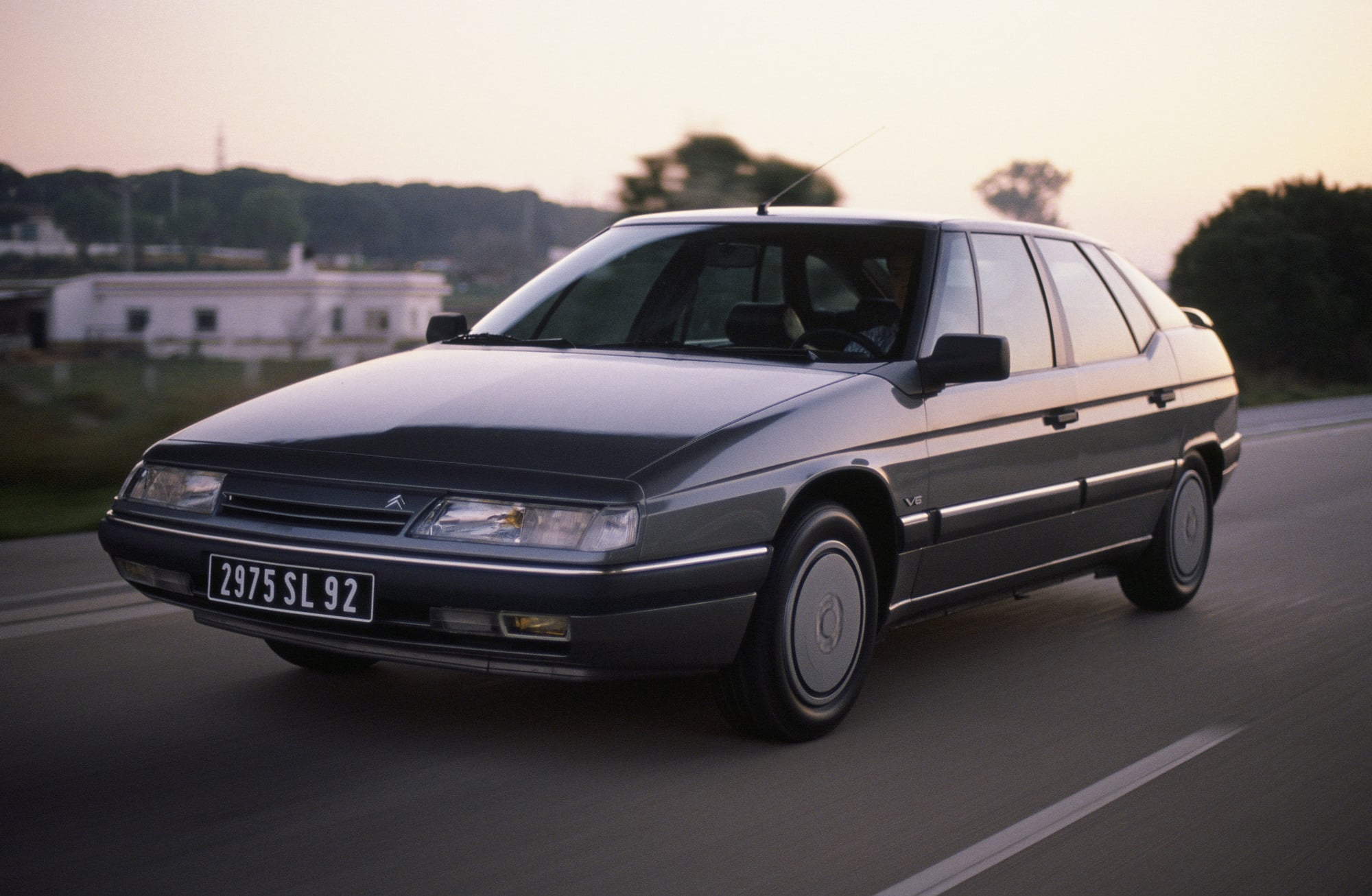
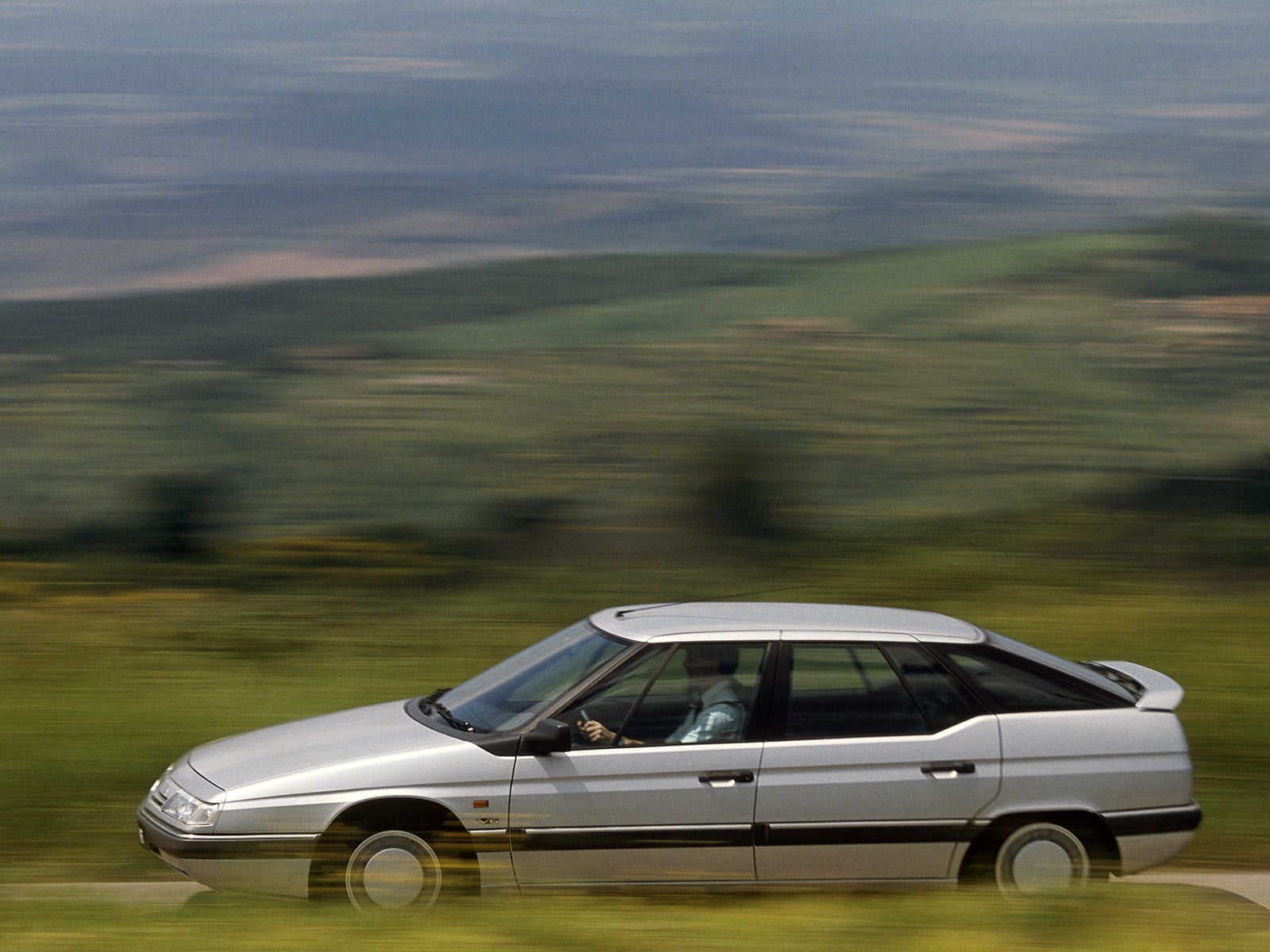
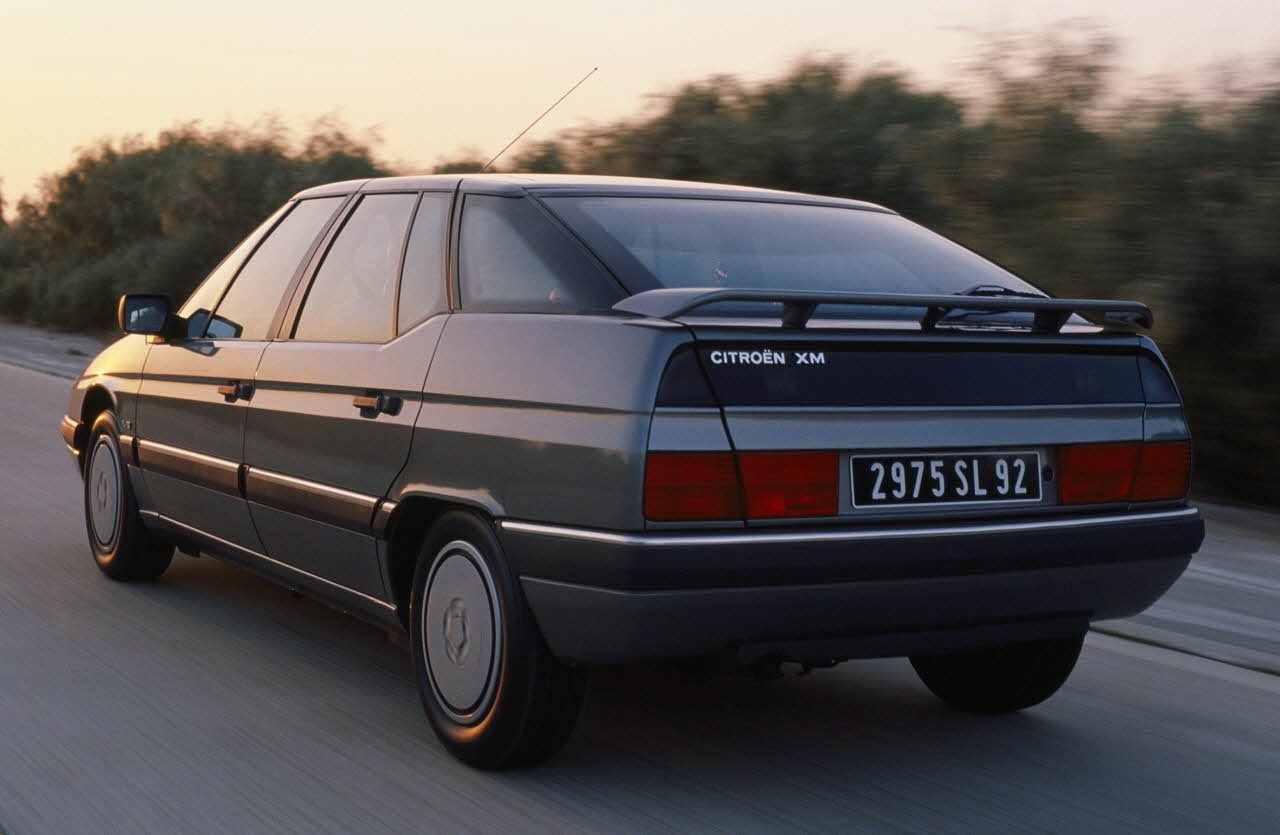
It was 1991, and Brazil was still celebrating the recent opening of imports promoted by the Fernando Collor government. Taking advantage of the new scenario, Citroën rushed to bring some of its most modern models to the country. Among them were the more affordable Citroën BX and the sophisticated Citroën XM.
We have already talked about BX in a previous column. Now it’s time to get to know the luxurious XM better. The model landed in Brazil in October 1991 with an ambitious mission: to compete for space in the luxury sedan segment, facing competitors such as the Mercedes-Benz E-Class, the BMW 5 Series and the Alfa Romeo 164.
The Frenchman’s highlight was his suspension that offered a level of comfort much higher than national cars
In technological terms, the Citroën was ahead of many rivals of the time. Its main highlight was the Hydractive suspension, a sophisticated hydropneumatic system that used nitrogen gas, special hydraulic fluid, electronic sensors and control balls to continuously adjust the vehicle’s behavior.
The system was able to keep the car’s height constant regardless of the load being transported and also adapted the operation of the suspension to the conditions of the floor. By the standards of the early 1990s, it was a true demonstration of advanced engineering. When everything worked properly, the comfort was impressive.
Few automobiles of the period could offer such a high level of smoothness when running. The XM seemed to literally float on the imperfections of the asphalt. But there was a problem: all this sophistication took its toll.
The more complex the system, the greater the chances of failures arising. And that’s exactly what happened when the car began to face the harsh reality of Brazilian streets and roads.
Complexity and need for routine maintenance doomed XM quickly
When hydraulic leaks appeared or the famous suspension balls lost efficiency, the vehicle literally lowered in height and became extremely uncomfortable to drive. Diagnosing the defects was already complicated. Fixing them was even worse.
There was a lack of trained professionals to deal with the system, and the parts had very high prices. In many cases, there were simply no components available in the Brazilian market.
Citroën XM cost US$ 100 thousand, 35 years ago
At the beginning of imports, in 1991, the XM cost about US$ 100 thousand. Corrected for US inflation, this value would currently be equivalent to something close to US$ 240 thousand, or about R$ 1.2 million in the current conversion.
For comparison, a BMW 5 Series or a modern Mercedes-Benz E-Class today costs significantly less than that.
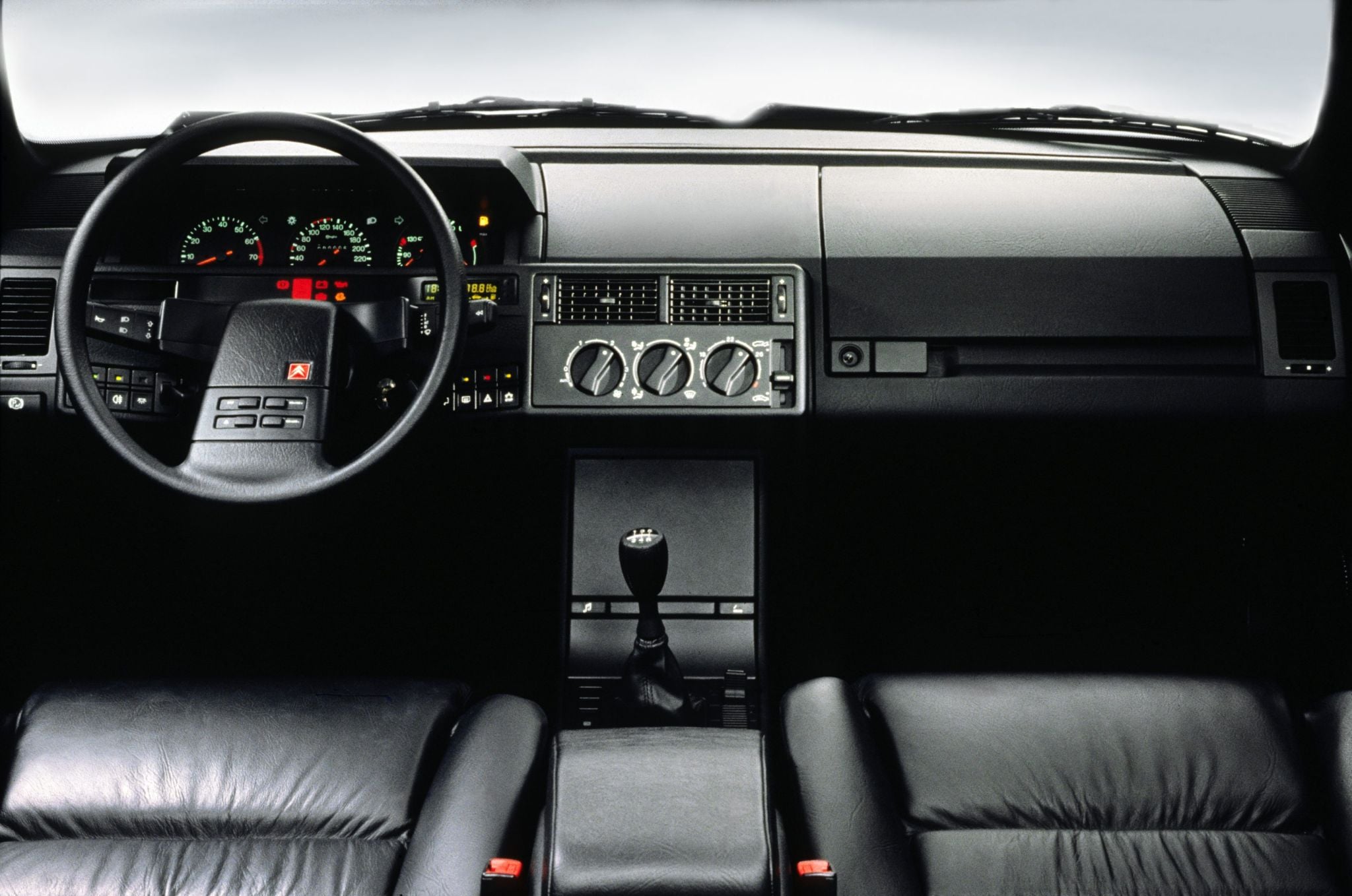
In addition to the fancy suspension, the XM also offered equipment package that was science fiction retail in 1991
In addition to the high price when new, the Citroën suffered a strong devaluation in the used market. The fear of maintenance costs caused its value to drop rapidly, turning the purchase into a risky business for many consumers.
XM V6 “fried” on Brazilian roads
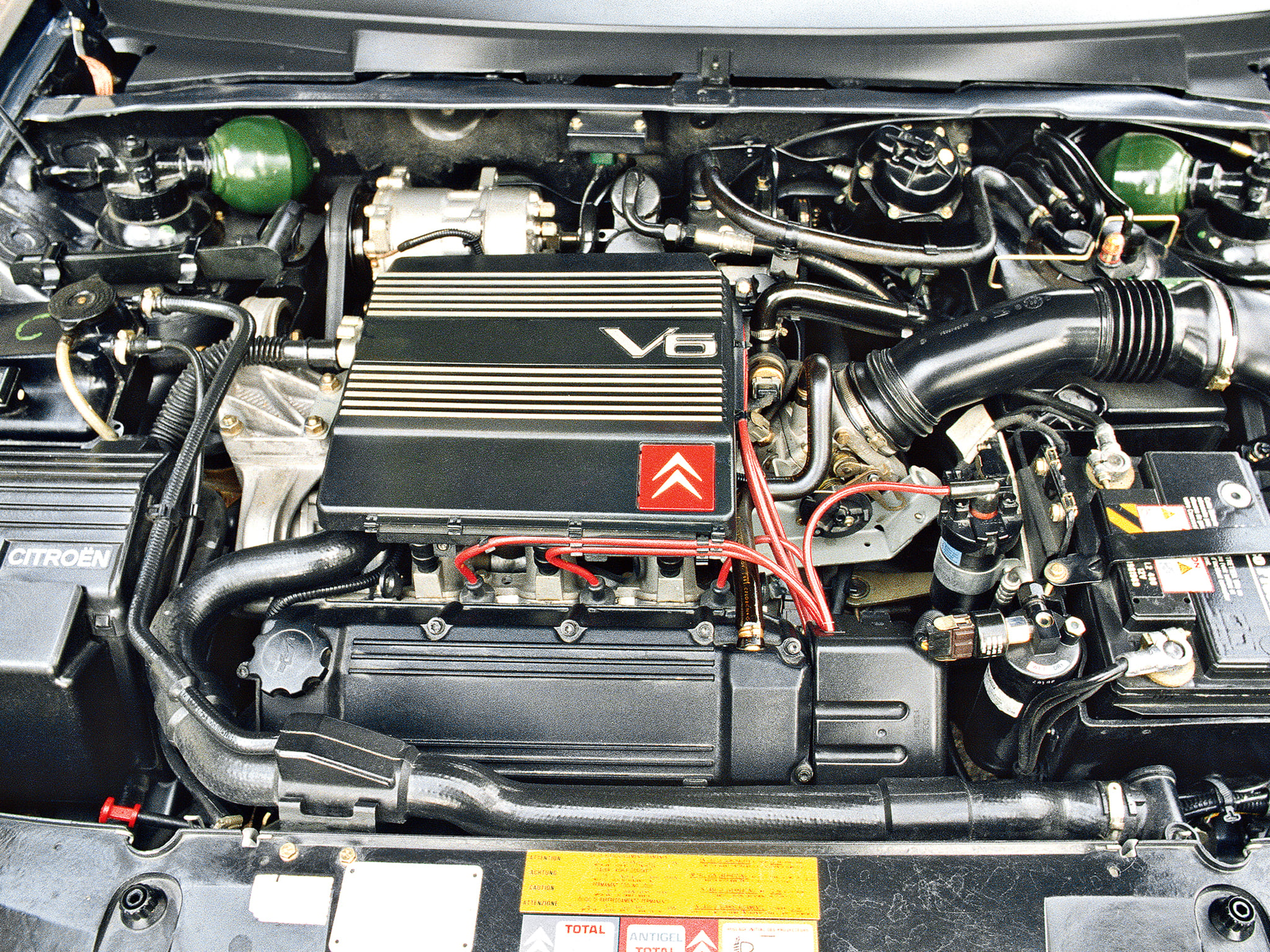
Another problem that plagued owners was the overheating of the 3.0-liter V6 engine and 171 hp. Designed for the mildest climate in Europe, the set suffered a lot in traffic jams and high temperatures in Brazil. As the engine occupied much of the available space in the safe, air circulation was limited, making it difficult to dissipate heat.
3.0 V6 engine offered good performance, but was unsuitable for Brazilian temperatures
To minimize the problem, many owners started to anticipate coolant changes, perform frequent cleaning of the radiator and even install more powerful electric fans than the originals. Even with these precautions, episodes of overheating remained relatively common.
Even so, Citroën kept the model in our market until 1999. During the eight years of imports, only about 550 units found buyers in Brazil.
The XM ended up becoming a car aimed at a very specific audience: enthusiasts passionate about the brand and fascinated by its technology.
For many of these owners, however, the experience came with high maintenance costs and difficulties in finding parts and specialized labor. Some examples were even abandoned in workshops due to lack of components or the inability to correctly diagnose the problems of the sophisticated suspension system.
There are almost no more in circulation
Today, it is believed that there are very few fully functioning units left in the country. The Hydractive suspension itself requires regular use and constant maintenance to prevent drying out of internal components and deterioration of the spheres responsible for the operation of the system.
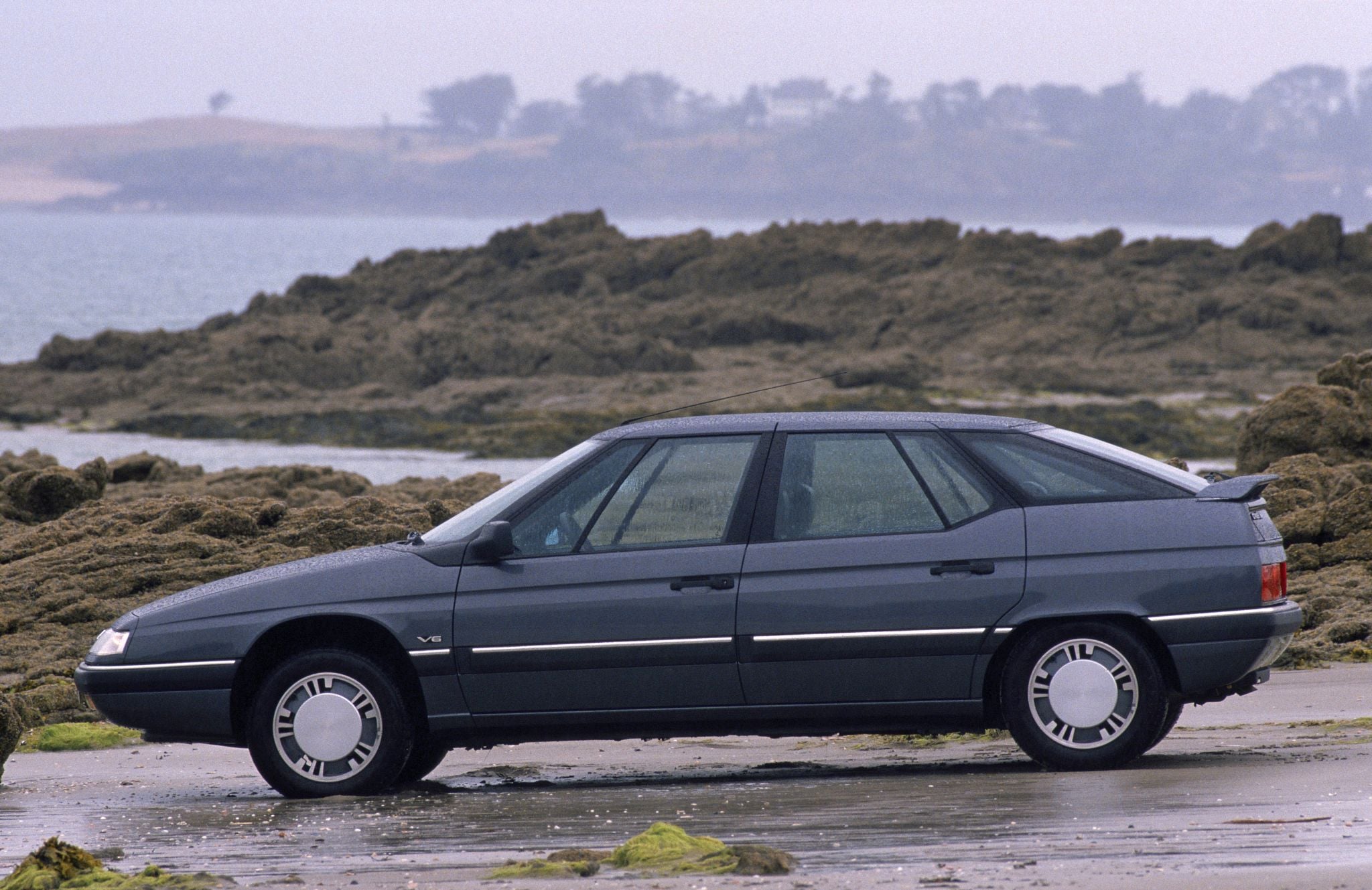
XM’s silhouette was unmistakable, extremely modern for its time
The Citroën XM entered the Brazilian market surrounded by expectation and admiration for its technology. But the same sophistication that made it a benchmark in comfort ended up contributing to its reputation as a complicated and expensive car to maintain.
A car that arrived to applause, but said goodbye amid much criticism, becoming one of the most curious stories in the Brazilian automobile industry.
Comments are the sole responsibility of their authors and do not represent the opinion of this site. Comments containing profanity or offensive language will not be published. If you identify anything that violates the terms of use, please report it.