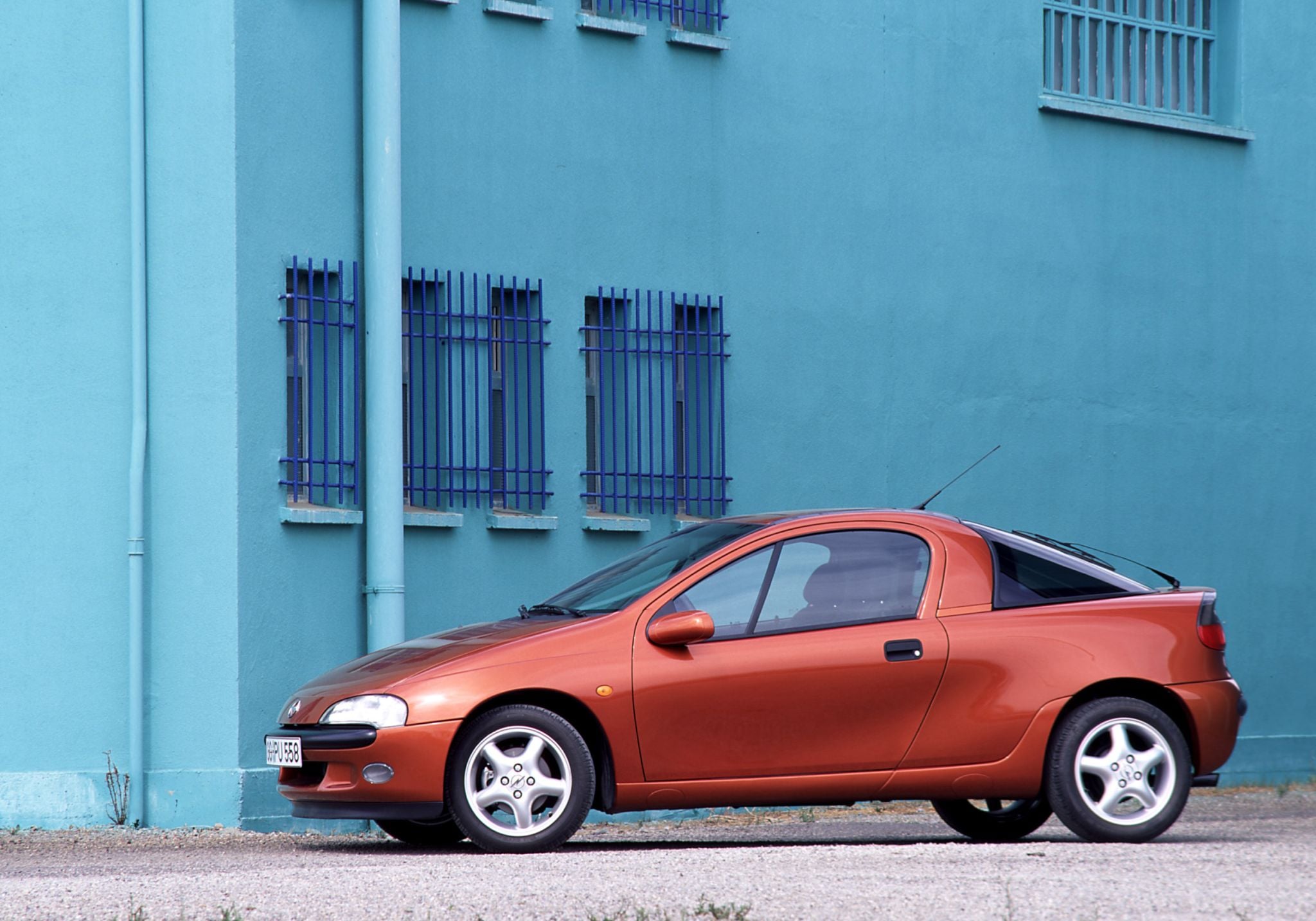
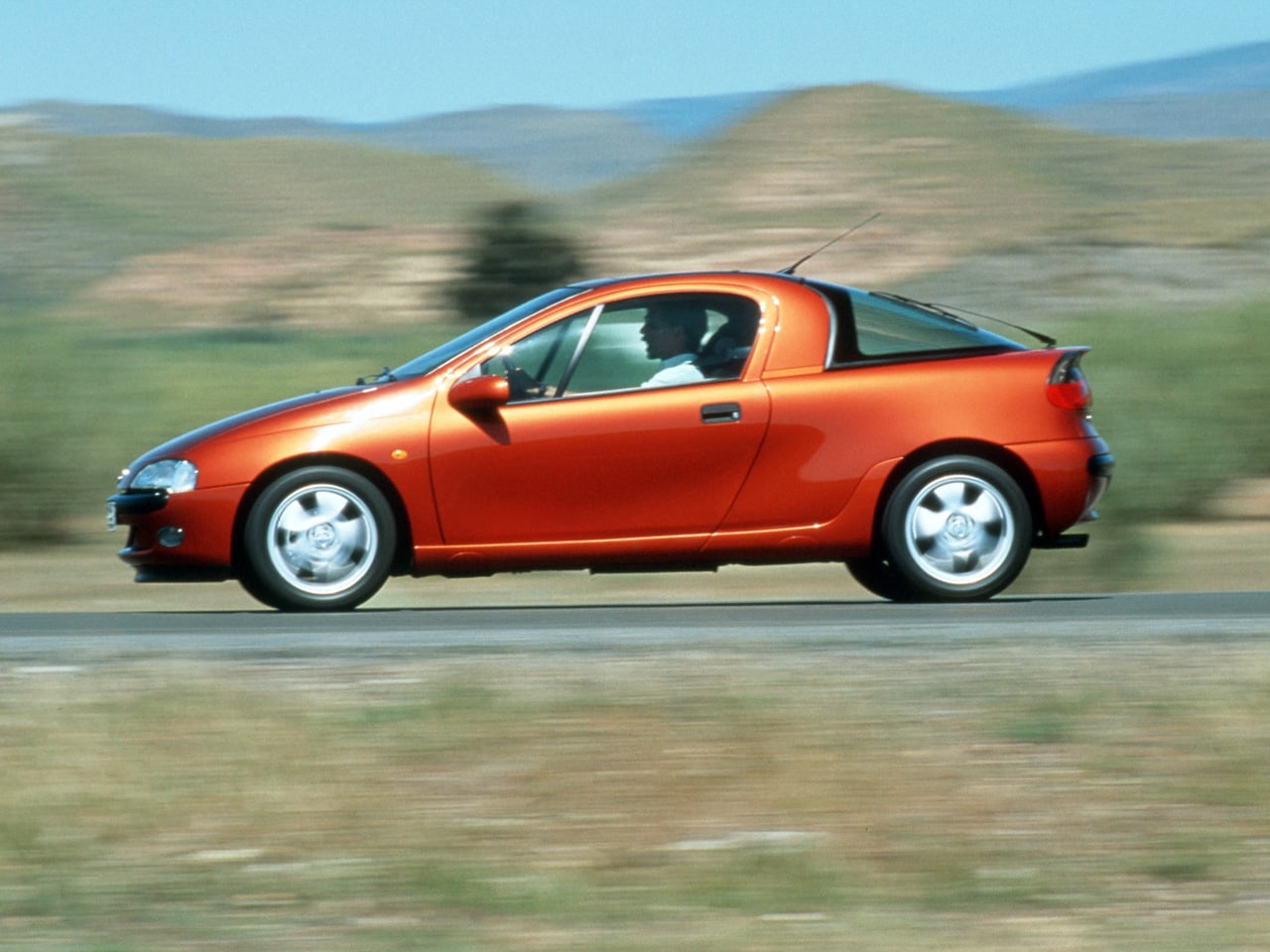
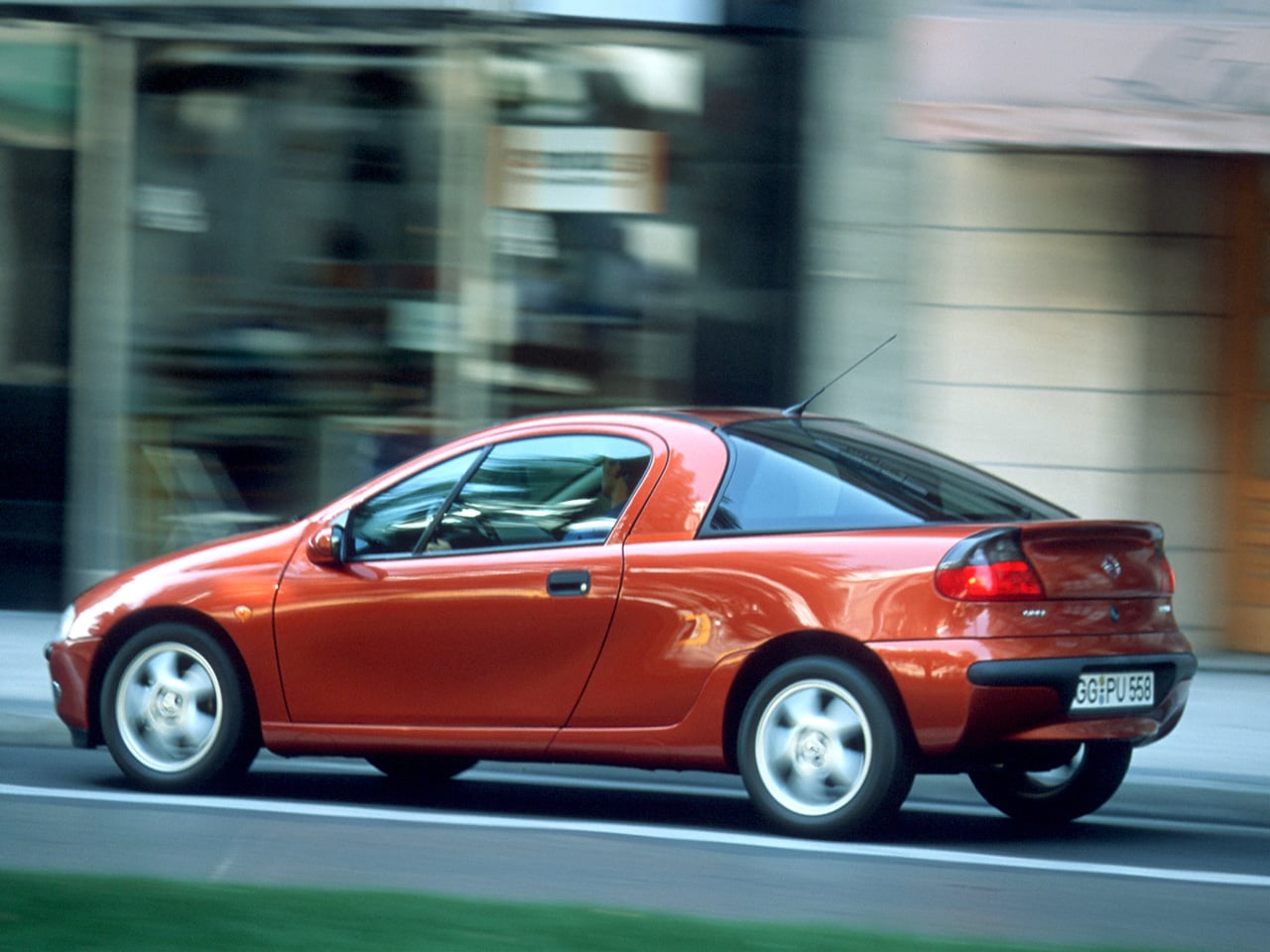
The year was 1998, on the eve of the turn of the century. The Brazilian market lacked different cars, those niche models that allowed the owner to stand out among the crowd of similar cars. It was in this context that General Motors decided to bring from Seville, Spain, the Chevrolet Tigra, a small sports coupe that shared the same mechanics as the Corsa GSi.
Under the hood was a brave 1.6-liter four-cylinder engine, twin camshafts and 16 valves, capable of developing 100 hp of power. It was a modest number for a technically advanced set, but enough to provide interesting dynamic behavior. The Tigra braked well and went around corners with agility thanks to its low center of gravity.
But if the cart was that good, why did it stop being imported in less than a year?
With the same engine as the Corsa GSi, the Tigra left something to be desired in acceleration from 0 to 100 km/h
The answer lies precisely in his short stint in the Brazilian market. In 1999, Tigra sold very little and quickly gained a reputation as a joke. In all, about 2,600 units were sold by the wide network of Chevrolet dealerships.
The main problem was that the car delivered less than its look promised. The interior accommodated only driver and passenger in relative comfort. The back seat, if it could be called that, was very well suited even for two children.
Tigra cost like Vectra and accelerated like Corsa
Performance didn’t help either. Despite reaching approximately 190 km/h thanks to good aerodynamics and the reduced frontal area, the Tigra needed just over 10 seconds to accelerate from 0 to 100 km/h. It wasn’t exactly what was expected from a sporty-looking car.
In addition, the model was expensive for what it offered. It cost about $21,000. As the exchange rate of the American currency was around R$ 1.15 per dollar, the final price exceeded R$ 24 thousand in 1998. It was a lot of money for a small car and practically intended for only two people.
Price did not help either and its importation became prohibitive with the devaluation of the real in January 1999
For comparison, this amount allowed you to buy a complete Chevrolet Vectra GLS, equipped with a 2.0 engine, space for four passengers with comfort, generous trunk and performance superior to that of the Tigra itself.
In practice, only those who were really passionate about the car bought a Tigra. From a rational point of view, the choice made little sense.
Another problem was the cost of maintenance. Although it used the Corsa platform, a popular and relatively inexpensive model, several parts of the Tigra were imported. Brake, steering and trim components were priced high and were not always easily found.
The 1.6 16V engine was also not the friendliest to mechanics. The replacement of the timing belt and the timing of the two camshafts required specialized labor, increasing the cost of services.
As time passed, the negative news began to spread. The rejection of the model grew and this caused another problem: the strong devaluation in the used market.
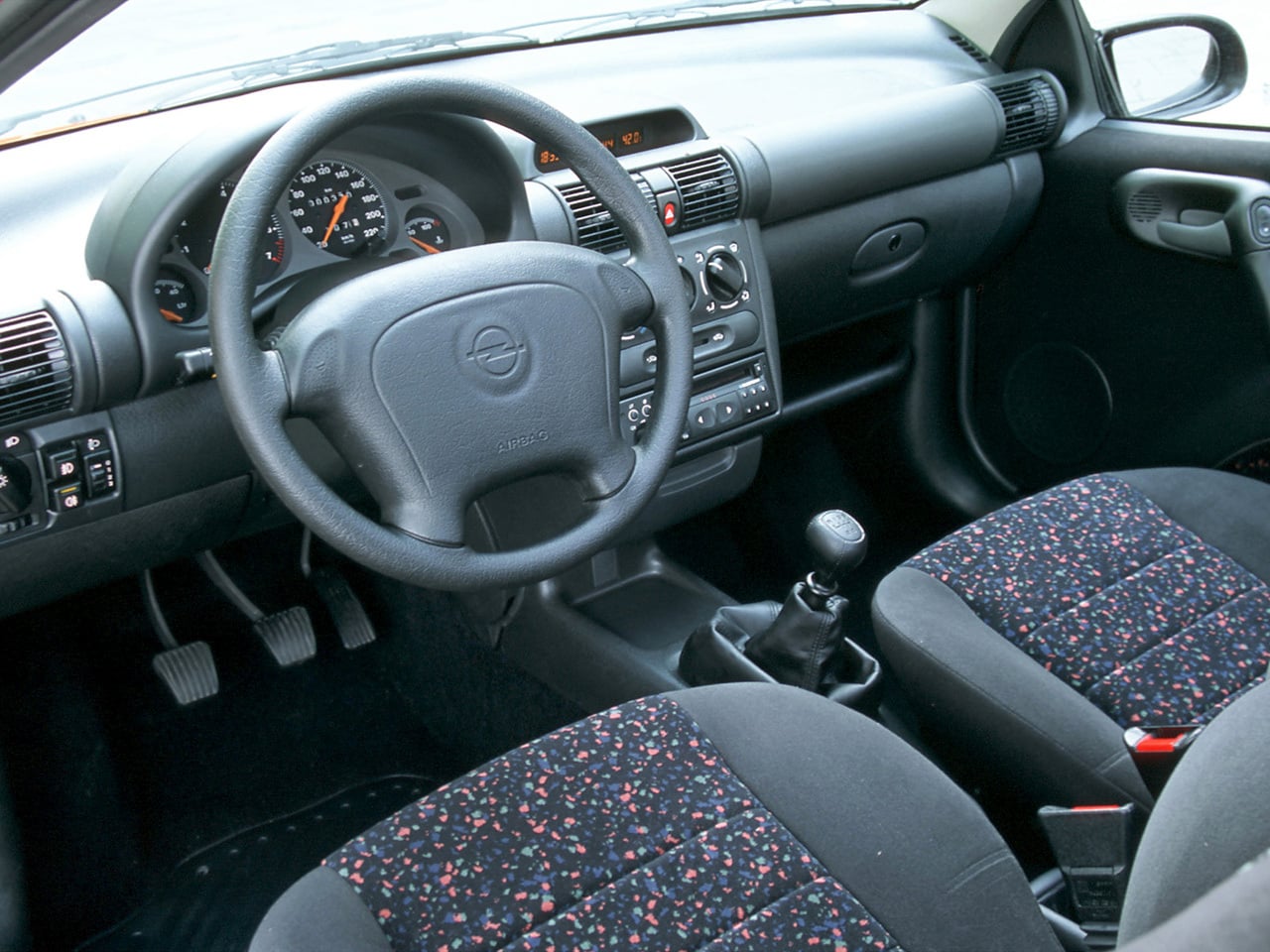
Inside, the first row was from the Corsa, including the same layout as the dashboard
Few people wanted to take on the costs and difficulties associated with the small coupe. As it was produced in Spain, all body parts had to be imported from Europe. Consequently, repairs after collisions were expensive, leading insurers to charge high amounts for policies. It was one problem after another.
Exchange rate fluctuation killed Tigra
But the definitive blow came in 1999. At the beginning of that year, the Brazilian government adopted the floating exchange rate regime. In a few months, the dollar exchange rate jumped from approximately R$ 1.20 to about R$ 1.80.
If Tigra was already expensive before, it became practically unviable after the rise of the American currency. Faced with this scenario, General Motors announced, in February 1999, the end of imports of the model to Brazil.
The approximately 2,600 buyers were left with a real monkey in their hands. The market value plummeted rapidly and maintenance costs continued to rise. Mechanical parts and, especially, body shop components have become increasingly expensive and difficult to find.
In practice, the Chevrolet Tigra remained less than a year in the Brazilian market, an extremely short period for a car that depended on imports and specialized assistance.
Today, the story is quite different. The model has become rare and the few preserved examples are mostly in the hands of collectors and enthusiasts. A car that was born to be exclusive, failed commercially and ended up becoming a curious piece in the history of the Brazilian automobile industry.
Comments are the sole responsibility of their authors and do not represent the opinion of this site. Comments containing profanity or offensive language will not be published. If you identify anything that violates the terms of use, please report it.