The automotive market of each country is shaped by the taste of the public and the local legislation. From time to time the government creates rules that can improve (or not) sold in a place.
Since 2025, we have been seeing some changes in Brazilian cars motivated by the Sustainable Cars program. His focus is to create incentives for low-emission vehicles to renew the fleet.
From the table he ended up bringing back the engines powered only by ethanol, a movement started by the Chevrolet Onix Eco. Here are five novelties that came to national cars thanks to government incentives or impositions.
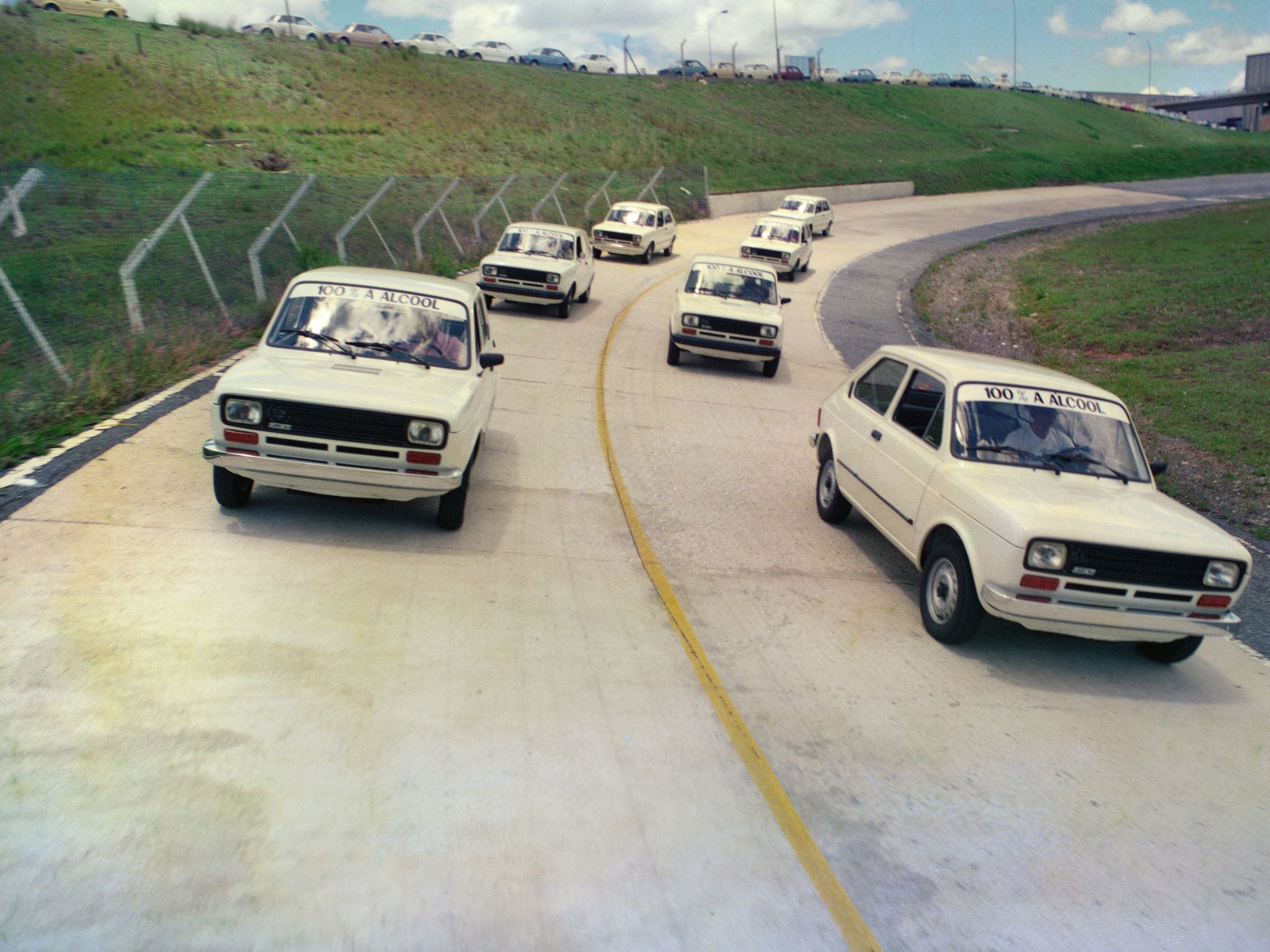
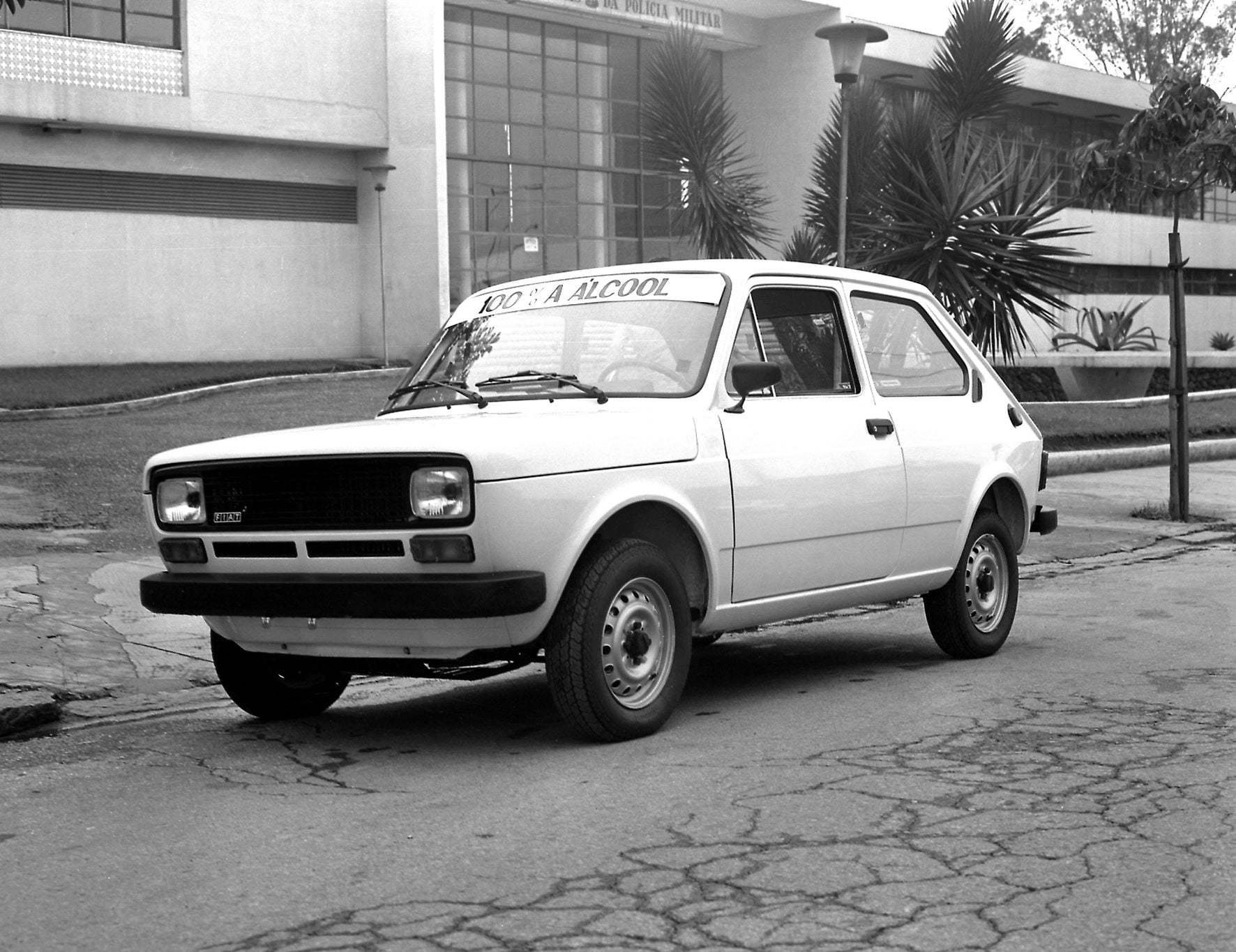
1. Alcohol car
The first national to drink ethanol was the 147, in 1979 (Photo: Fiat | Disclosure)
The oil crisis was heavy for Brazil. In addition to rising gasoline prices, the government ordered stations to close overnight and on weekends to reduce consumption.
A local alternative was to encourage ethanol, taking advantage of Brazil’s large sugar cane plantations. The first car powered by this fuel in the world was the Fiat 147, launched in 1979.
To encourage the sale of alcohol cars, only the sale of this fuel was allowed during weekends. During the 80’s they were the majority in our country, especially in the southeast region.
The ethanol-powered car ceased to be advantageous during the 90s and the options decreased. They continued until 2006 to attend to bids, taxi drivers and fleet owners. Now they are coming back because of the Sustainable Cars program.
2. Flex engines
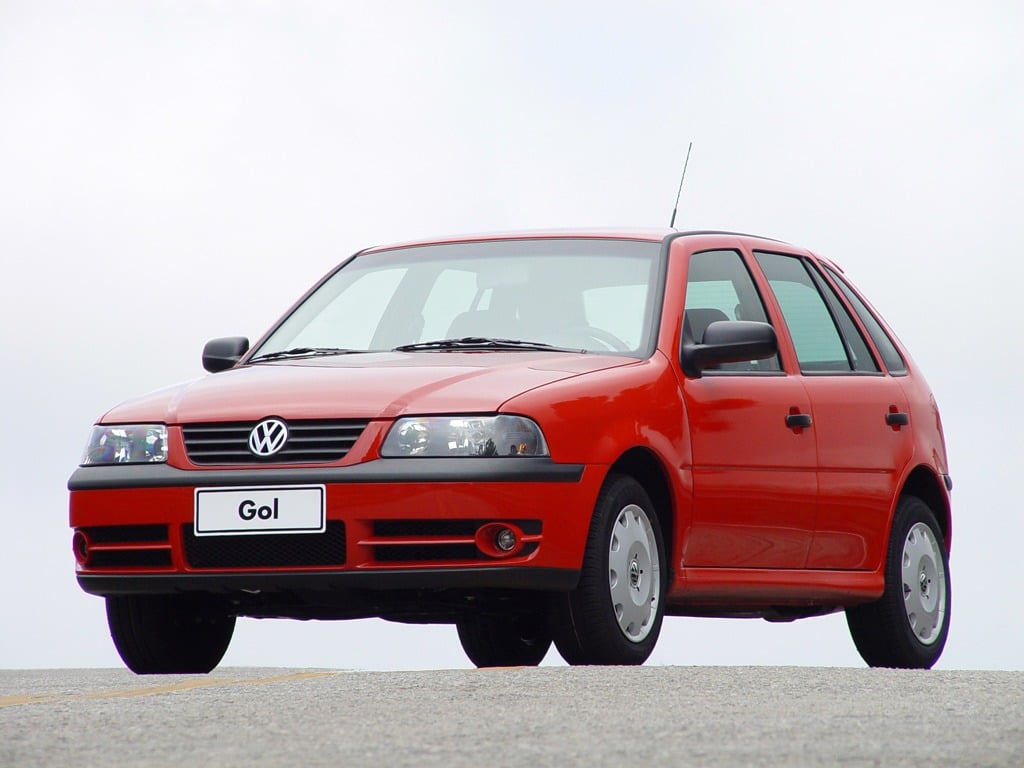
VW had the flex engine in 2000, but waited for the government to give incentives for it (Photo: Volkswagen | Disclosure)
The first flex-fuel car in the world was the Volkswagen Gol Total Flex, launched in April 2003. It could have arrived earlier, in 2000 the brand already had a system ready.
Both Volkswagen and competitors waited for the government to define incentives for flex-fuel cars and the homologation of the technology. This came in August 2002, with the reduction of the IPI to 14% – the same amount charged for alcohol-only engines.
At the time, there were also IPVA reductions for flex-fuel cars in some states, which disappeared when they became the norm. The primacy of this technology was almost Chevrolet’s with the Corsa, but VW brought forward the arrival of the Gol Total Flex to celebrate its 50 years in Brazil.
3. Cars 1.0
The Uno Mille was the pioneer of the modern 1.0, with the engine developed in just 60 days (Photo: Fiat | Disclosure)
This is an item that many readers will consider as negative. In 1990, the Federal Government determined that cars with engines between 800 cm³ and 1 liter would collect 20% of the Tax on Industrialized Products (IPI), half the rate for larger engines.
Fiat was the fastest brand to put a 1.0 on the market, developed a 994.4 cm³ version of the Fiasa engine in just 60 days. It reduced the piston stroke in the 1,050 version of the engine, which was used by the 147 and was in production for export.
To make the price even lower, the equipment package was very spartan and removed items such as headrests, engine thermometer, reclining seats, brake booster and fifth gear.
This lower tax for 1.0 cars exists to this day and brands continue to make engines like this for Brazil. An example is the Chevrolet Onix, which is 1.2 aspirated in Argentina while here it is 1.0. Turbo engines also have a lower IPI.
4. Dual airbag and ABS
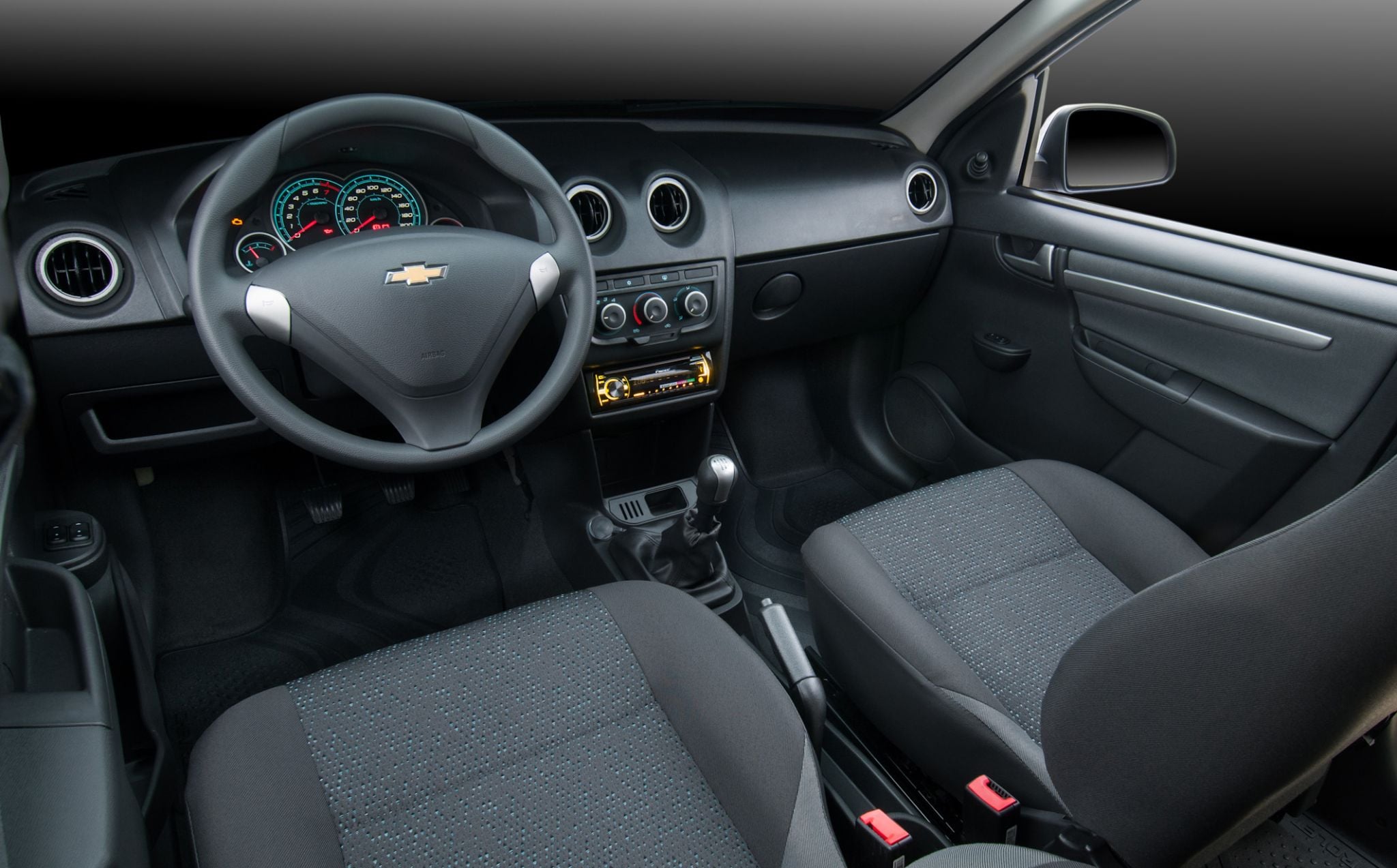
The Celta only had an airbag when the equipment became mandatory (Photo: Chevrolet | Disclosure)
When buying a new car, Brazilians have always given preference to aesthetic or comfort items over safety equipment. During the 2000s, ABS and front airbags were offered as an option in compacts such as the Volkswagen Gol, Fiat Palio and Chevrolet Corsa, but those equipped with these features are rare.
Acceptance was so low that some models stopped offering the feature. The Gol G4 was one of them, the model sold to fleets that required the feature and the export model used the G3 panel because the one offered to the general public did not even have a place to put the bags.
Even some medium models came without, such as the Volkswagen Golf and the Chevrolet Astra. In 2014 they became mandatory for all cars sold in Brazil, with exceptions for buggies and jeeps.
This ended up reaping two iconic models in our market: the Fiat Uno Mille, launched in 1984, and the Volkswagen Kombi, from 1955. Both manufacturers studied the installation of mandatory safety equipment before deciding to end production.
5. Traction and stability controls
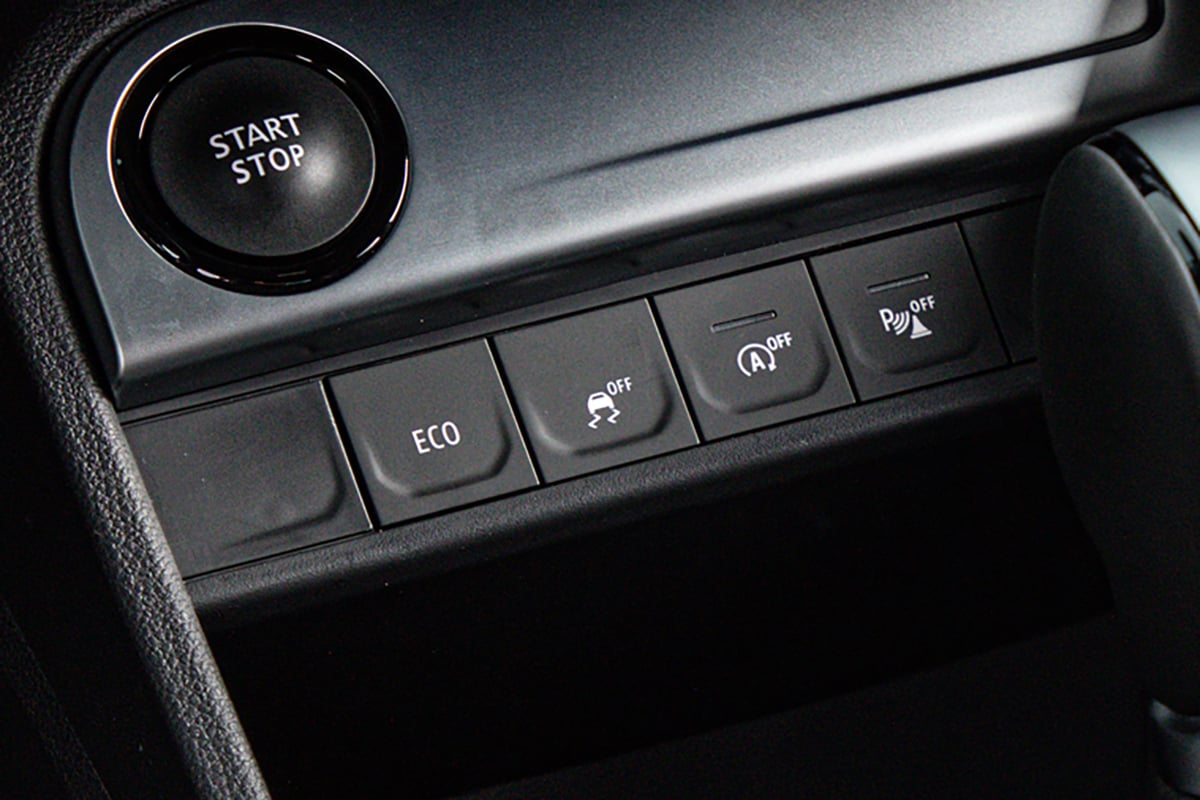
With ABS being mandatory, installing traction and stability controls was simple, but some brands waited until the last moment (Photo: Renault | Disclosure)
After the mandatory airbag and ABS, national cars started to evolve faster in safety. Consumers started to charge for side and curtain bags in medium cars, as well as traction and stability controls.
These safety assistants were simple to implement as they share the ABS module and sensors. But for many manufacturers, safety was treated as a luxury, a famous example was the Toyota Corolla, which only had traction control in 2017.
The government decided that all new cars launched in Brazil should have traction and stability controls from 2022. This equipment became mandatory in all cars sold in the country from 2024.
Unlike what happened in 2014, we didn’t have cars being discontinued because of that. The Renault Logan, for example, received the features and was sold like this for only a few months before being discontinued. A proof of how simple it was to make cars safer.
Comments are the sole responsibility of their authors and do not represent the opinion of this site. Comments containing profanity or offensive language will not be published. If you identify anything that violates the terms of use, please report it.