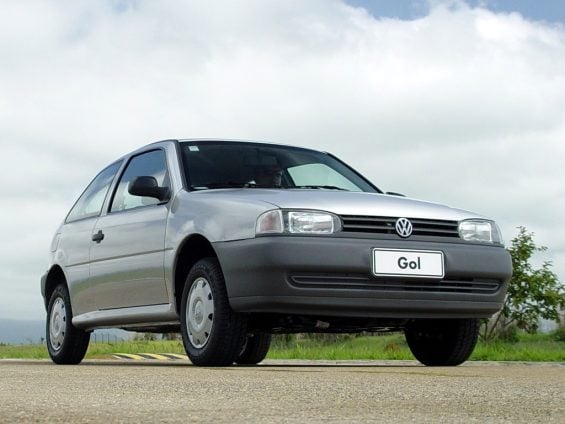
Since the arrival of flex engines, which began in 2003 with the Gol Total Flex, alcohol cars have become a museum thing. However, the Federal Government’s recent incentives to reduce taxes on sustainable cars may cause the return of these engines that burn only ethanol.
The first of them was the Chevrolet Onix Eco, advanced by colleagues from Webmotors. This alcohol version of the compact was created for it to fit into a higher IPI discount when equipped with a turbo engine and automatic transmission. Before, the turbocharged model only had such a benefit with the manual transmission.
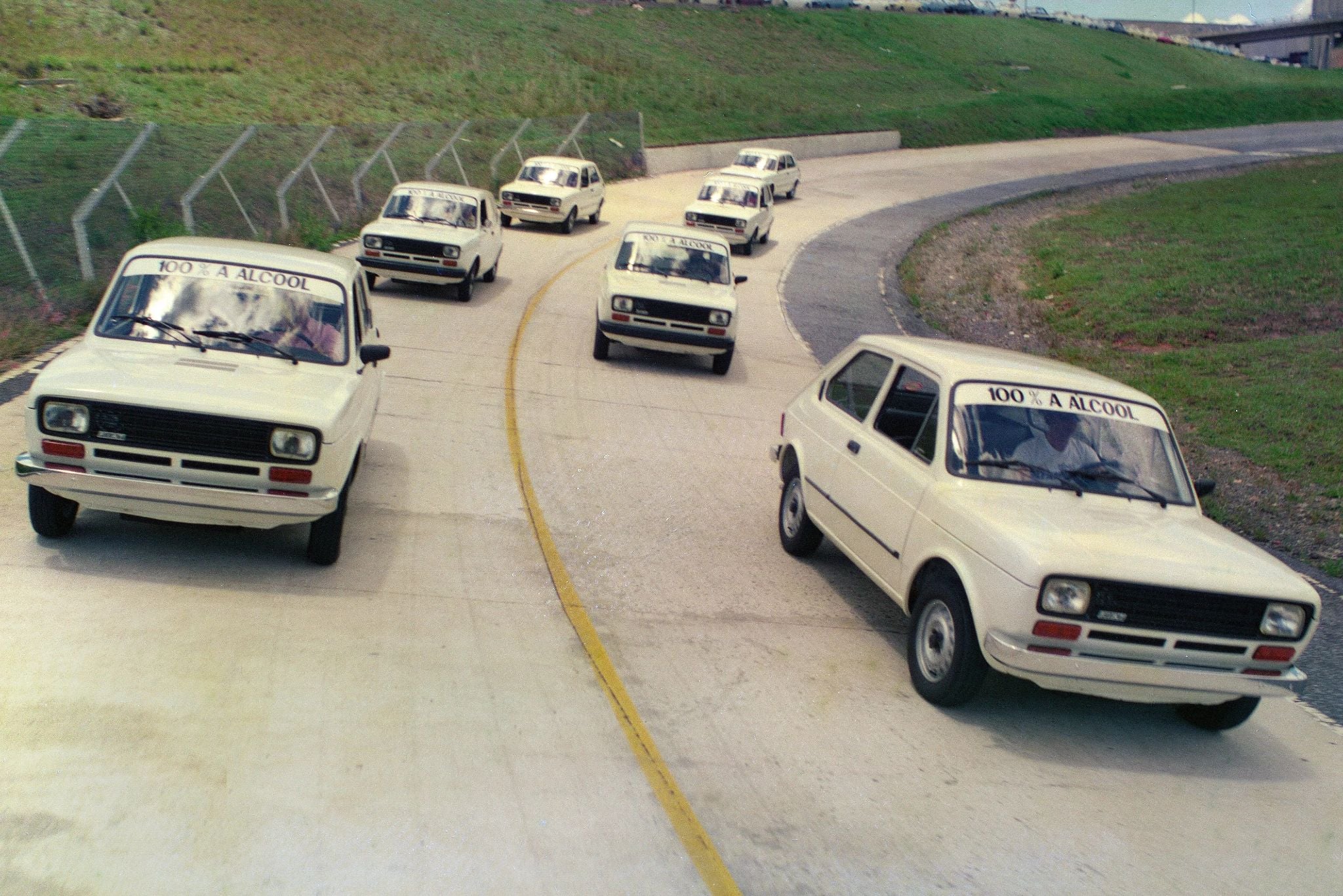
The first alcohol-fueled car was the 147, launched in 1979 (Photo: Fiat | Disclosure)
The alcohol engine was launched in the late 1970s as a response to the oil crisis. The first to hit the market was the Fiat 147 in 1979, which earned the nickname “Cahcacinha”.
Ethanol brought some advantages to drivers, such as being able to fill up during weekends, a lower cost to fill the tank and better performance. This compensated for the higher consumption and the difficulties of catching the cold.
The alcohol car was a success in the 80s, accounting for 70.7% of new cars sold in the country. The situation changed in the following decade, as the mill owners began to favor the production of sugar.
At the turn of the millennium, the remaining alcohol-fueled cars on the market were focused on taxi drivers and fleet owners. See which were the last ones for each brand:
Chevrolet
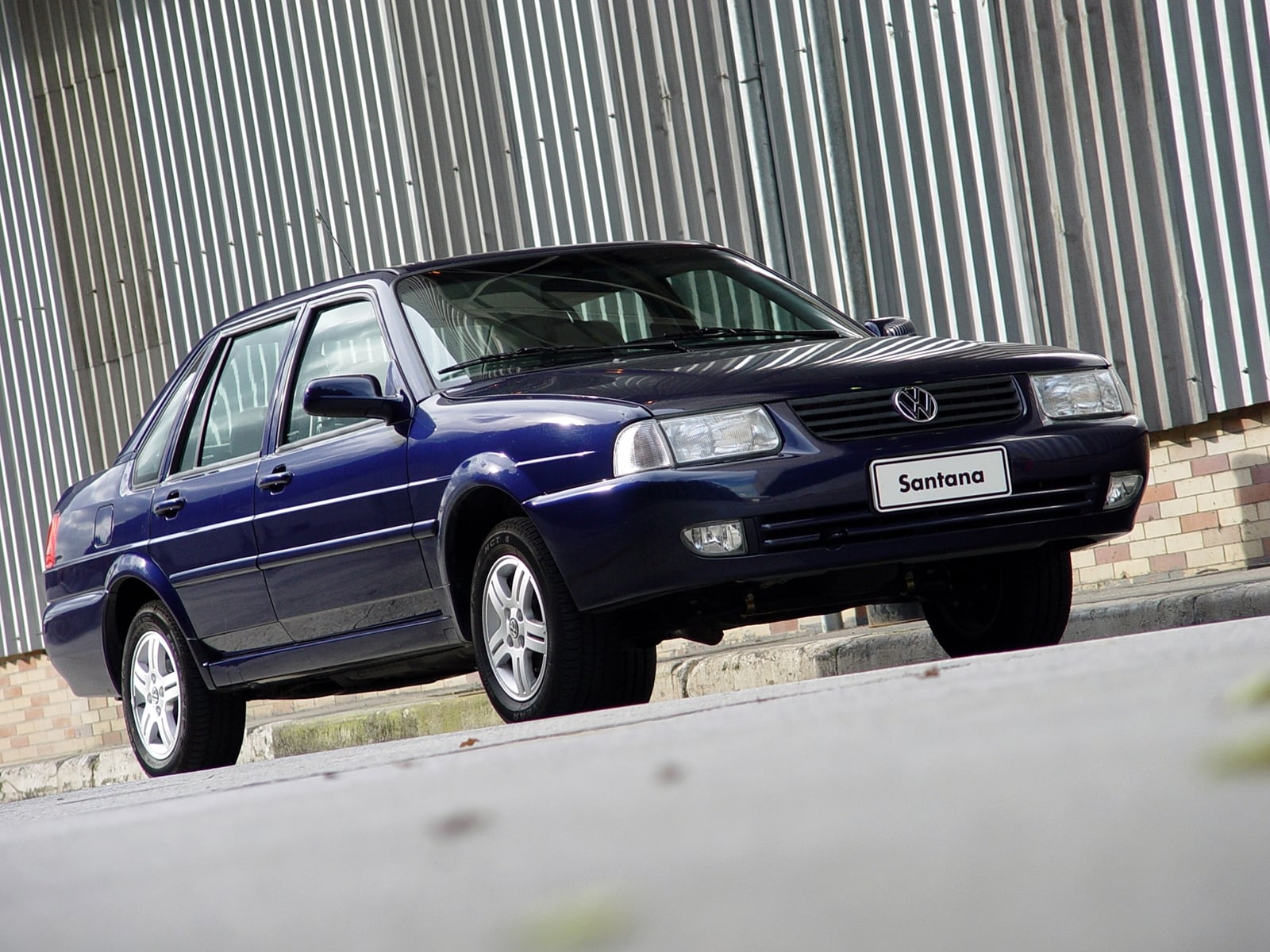
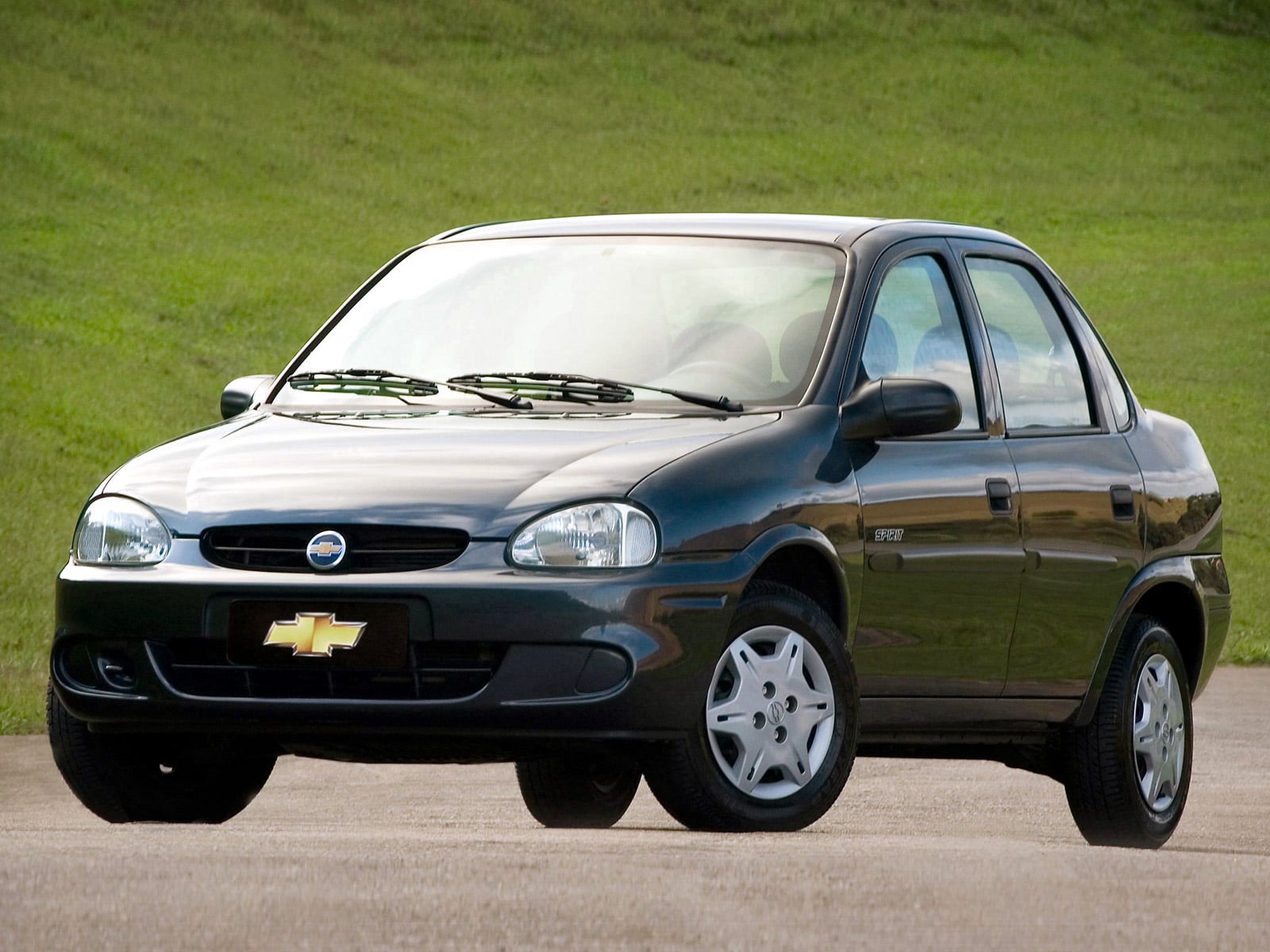
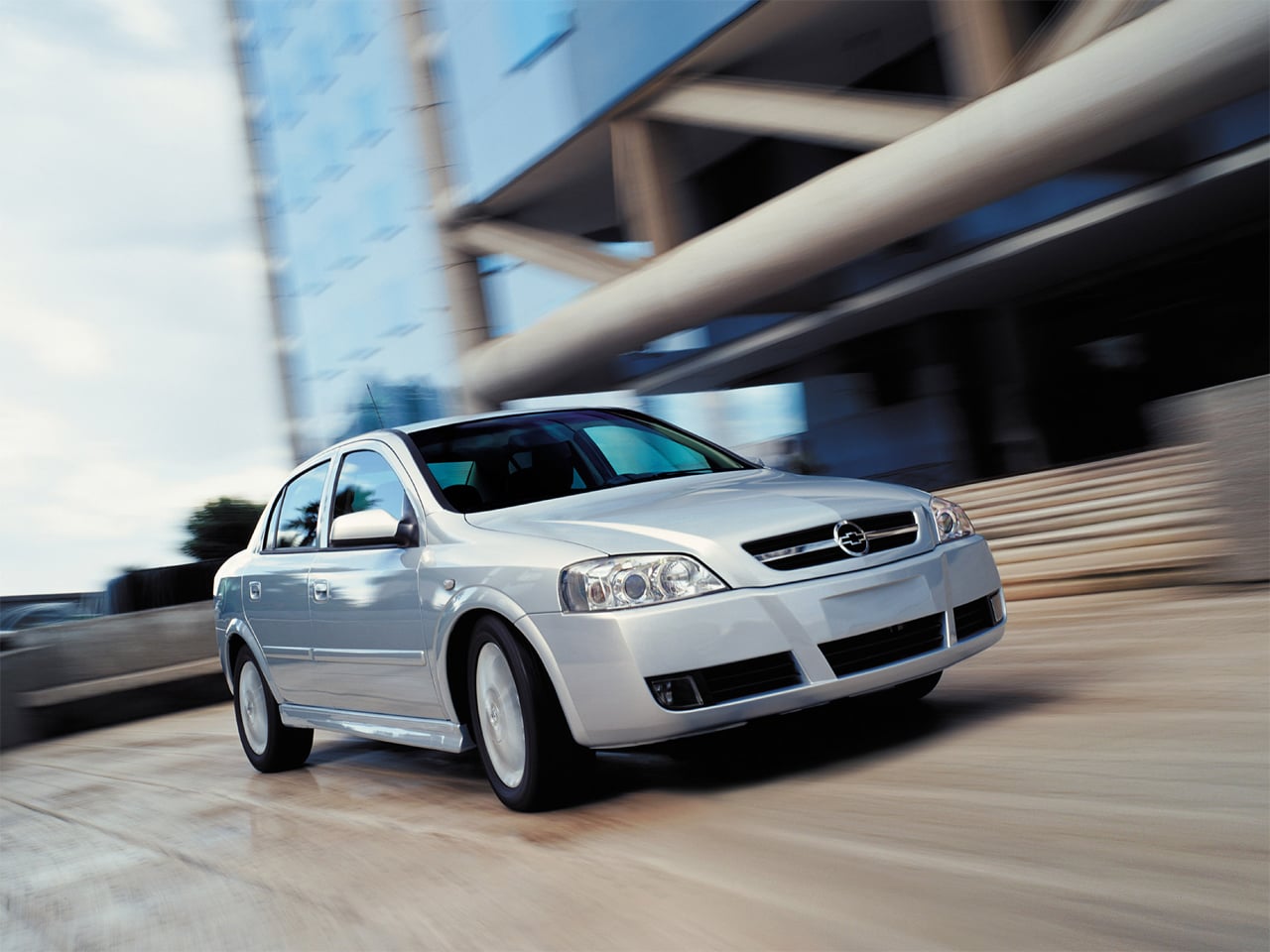
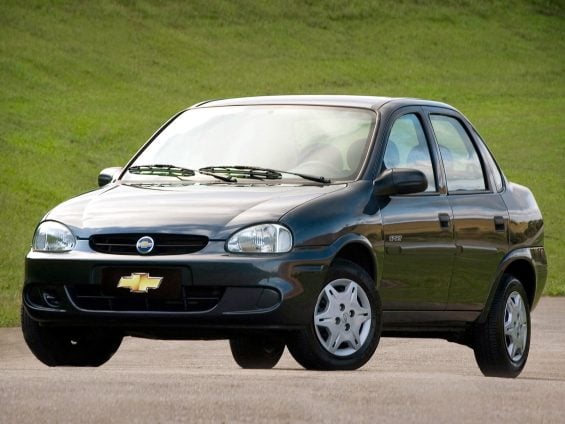
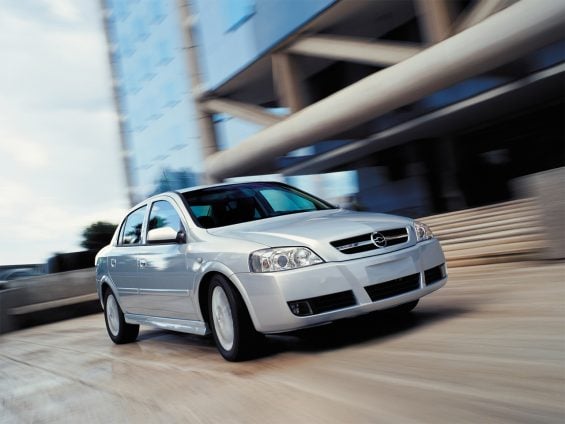
The Classic 1.0 was discontinued in February 2006, along with the Santana (Photo: Chevrolet | Disclosure)The Astra Sedan had the Comfort 1.8 alcohol model (Photo: Chevrolet | Disclosure)
Chevrolet tied with Volkswagen in the offer of alcohol cars in Brazil, both brands retired theirs in February 2006. In the case of the golden tie brand, the last one was the Classic 1.0.
The entry-level sedan used the 1 1.0 Family with 64 hp and 8,4 kgfm. It had the same compression ratio as the gasoline VHC, 12.6:1, which was 6 hp more powerful. In March 2006, the Classic gained a 1.0 flex that yielded 72 hp in alcohol and 70 hp in gasoline.
The Classic was joined in the Chevrolet range by the Astra Sedan Comfort 1.8 alcohol until March 2005. This model was the last to use the 1.8 Family 2, which debuted at Monza and was marked by smooth operation.
The Astra Comfort 1.8 alcohol yielded 110 hp and 16,8 kgfm and was focused on taxi drivers, it left the scene with the arrival of the 2.0 flex. To meet the needs of professional drivers, Chevrolet also made the Multipower version, which came ready from the factory to run on gasoline, ethanol or CNG.
Fiat
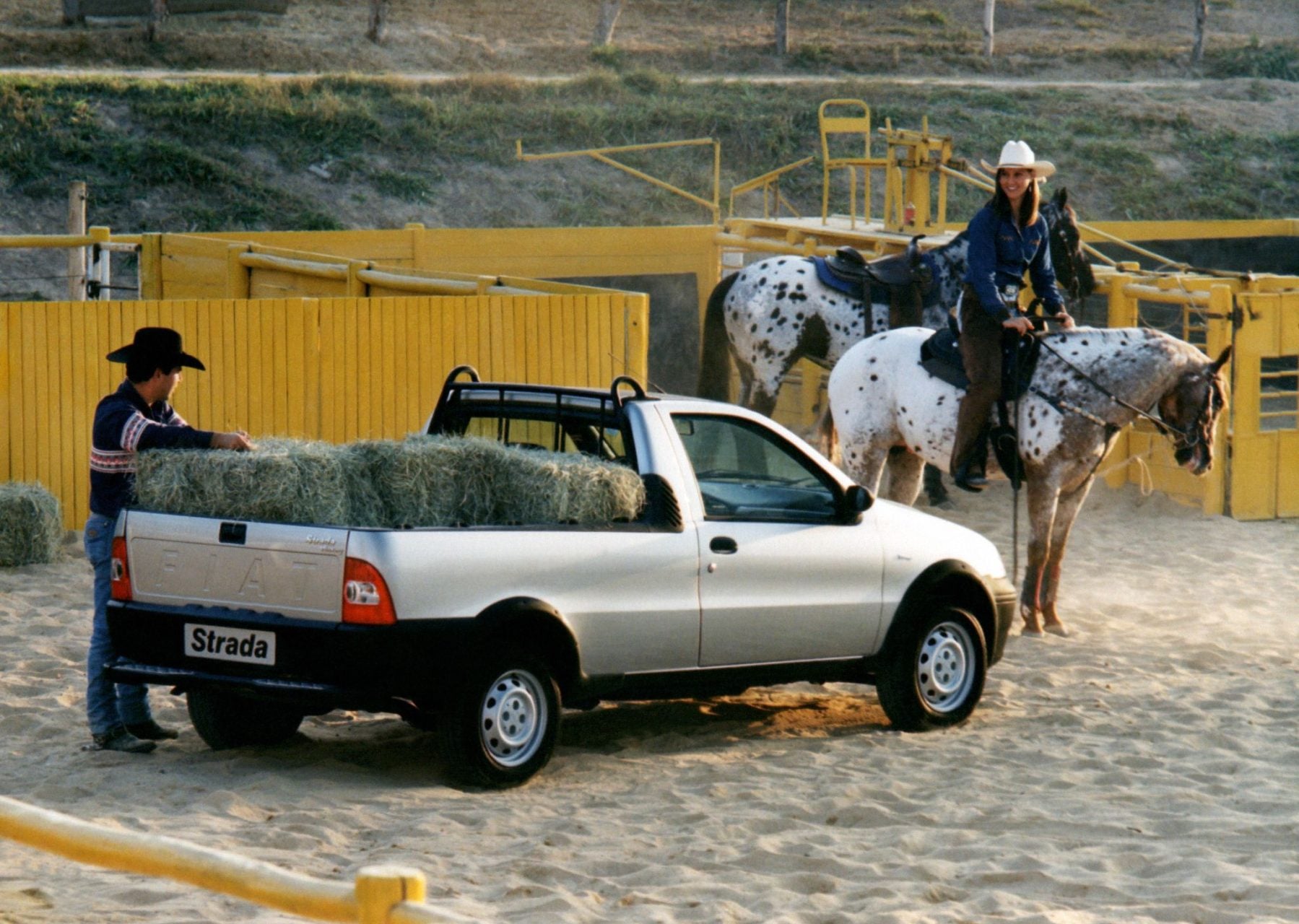
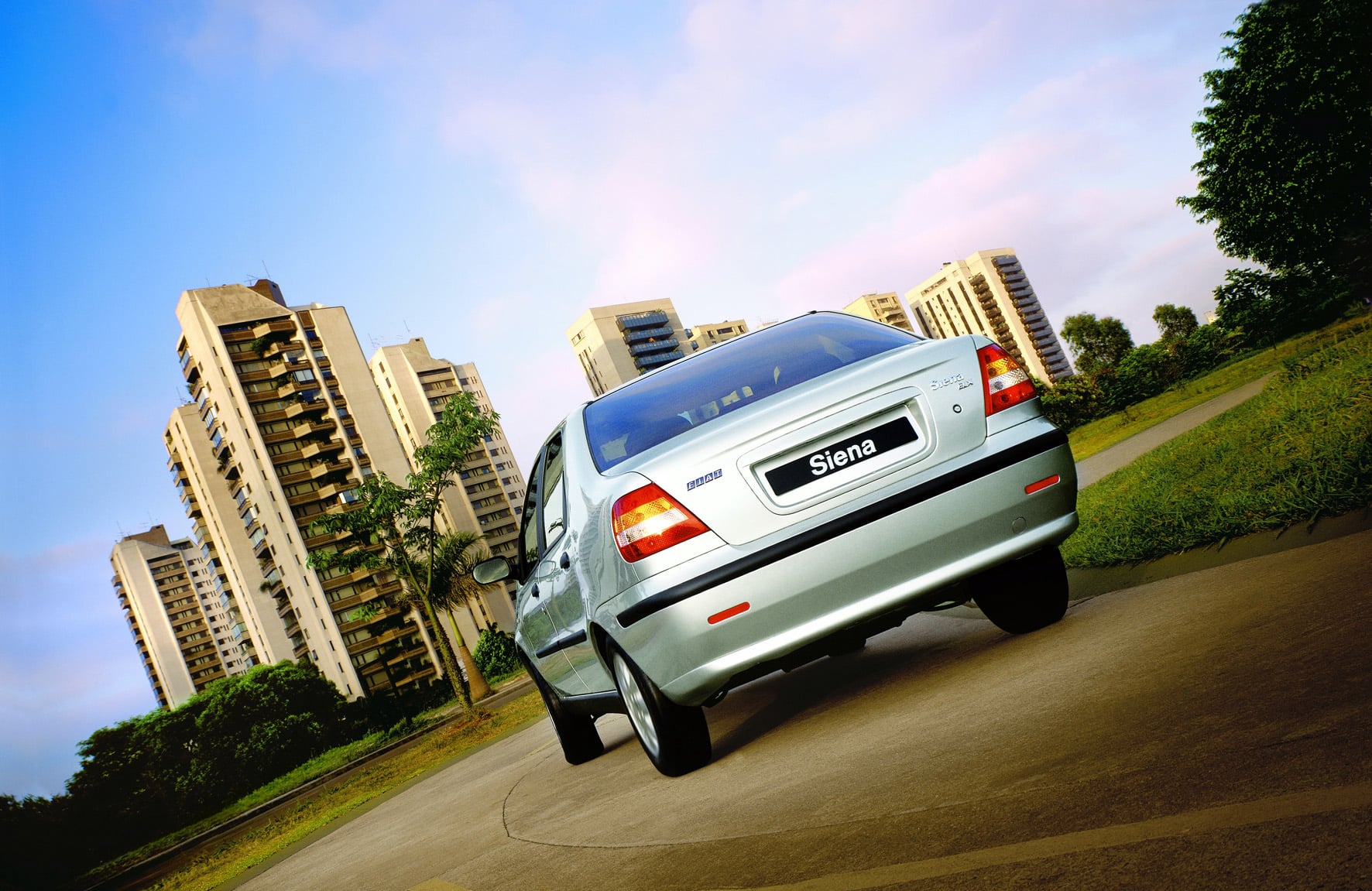
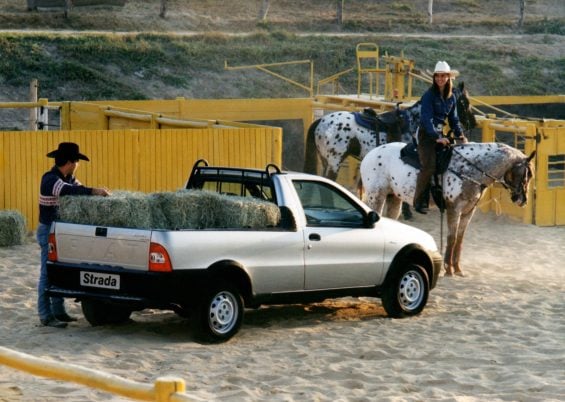
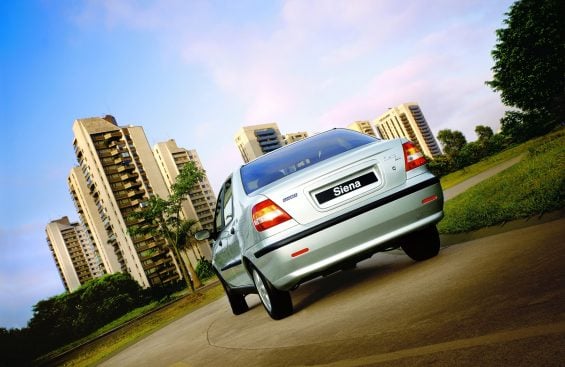
The 1.5 Fiasa engine lasted until 2004 in the Strada, Fiorino and Uno Van utility vehicles (Photo: Fiat | Disclosure)And for taxi drivers in Siena and Palio Weekend (Photo: Fiat | Disclosure)
Fiat launched the Fire engine in 2000 running only on gasoline. Those who wanted to run on alcohol had to buy cars with the old 1.5 Fiasa, an evolution of the 1.3 that equipped the 147 “Cachacinha”.
It was like this until mid-2004, Fiat sold Palio Weekend, Siena, Strada, Fiorino and Uno Van 1.5 alcohol until the arrival of the 1.3 Fire flex in these models. The Fiasa in its final phase yielded 77 hp and 12,4 kgfm at a low 2,750 rpm.
This 1.5 alcohol was the last version of the Fiasa offered in Brazil and was also the only way to have the old engine in the Palio family after the face-lift. Its direct successor was the 1.3 Fire flex, which was short-lived until it gave way to the 1.4 of the same family in 2005.
Ford
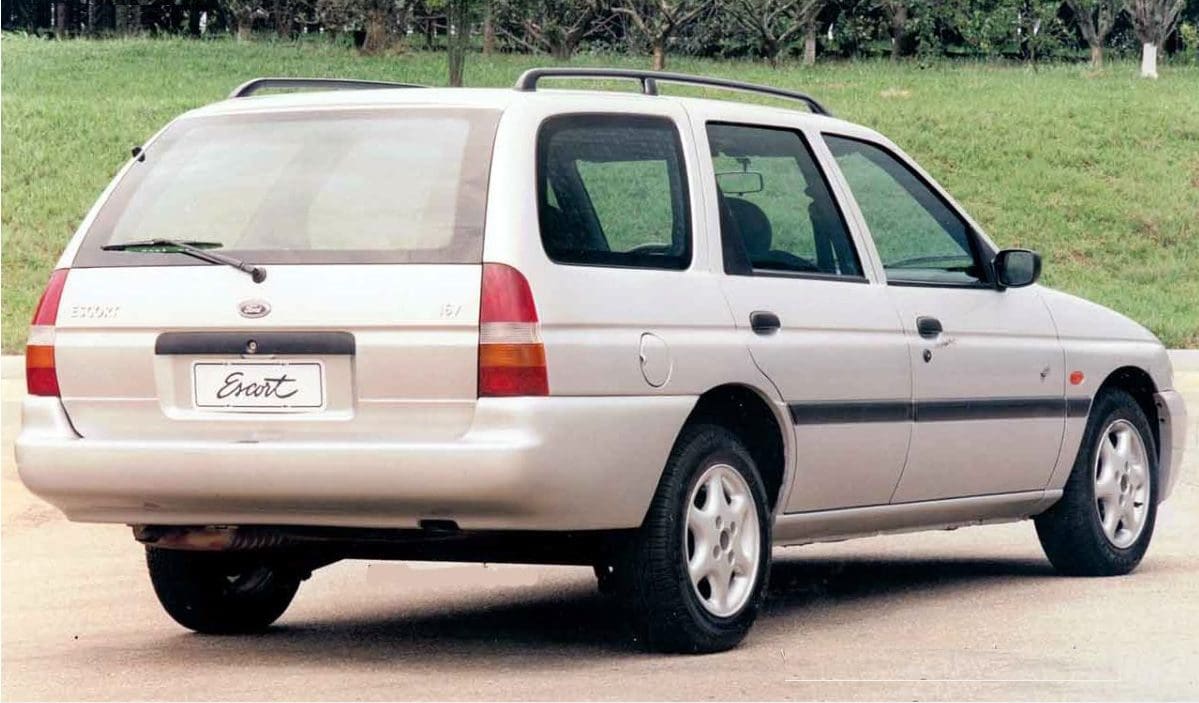
The 1.6 RoCam ethanol was only used in the Escort station wagon for two years (Photo: Ford | Disclosure)
Ford was the first brand to abandon the alcohol engine in Brazil. The Ka and Fiesta did not have alcohol versions and in the late 90s it sold only gasoline models or diesel pickups.
In 2000, the recently launched 1.6 Zetec RoCam gained an alcohol version, offered only in the Escort GL SW station wagon. It was the most recent project engine to be made to run only on vegetable fuel until the arrival of the new Chevrolet Onix Eco.
The 1.6 yielded 109 hp and 15,7 kgfm, a gain of 14 hp and 1,4 kgfm. The alcohol engine received a stronger starter, a battery with more capacity and the gas tank in the safe to deal with cold starts. This engine option lasted until 2002, the station wagon was discontinued the following year.
Volkswagen
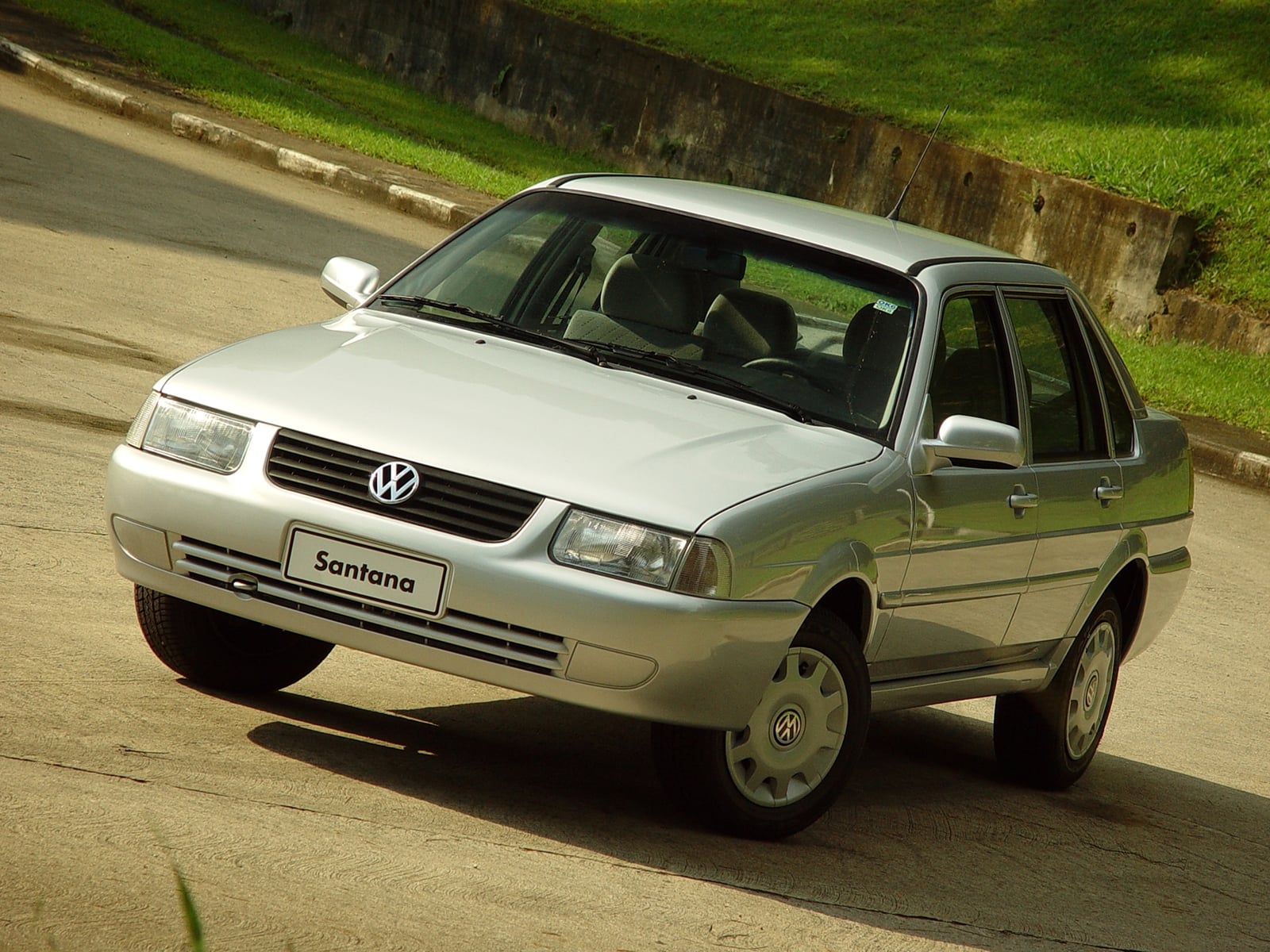
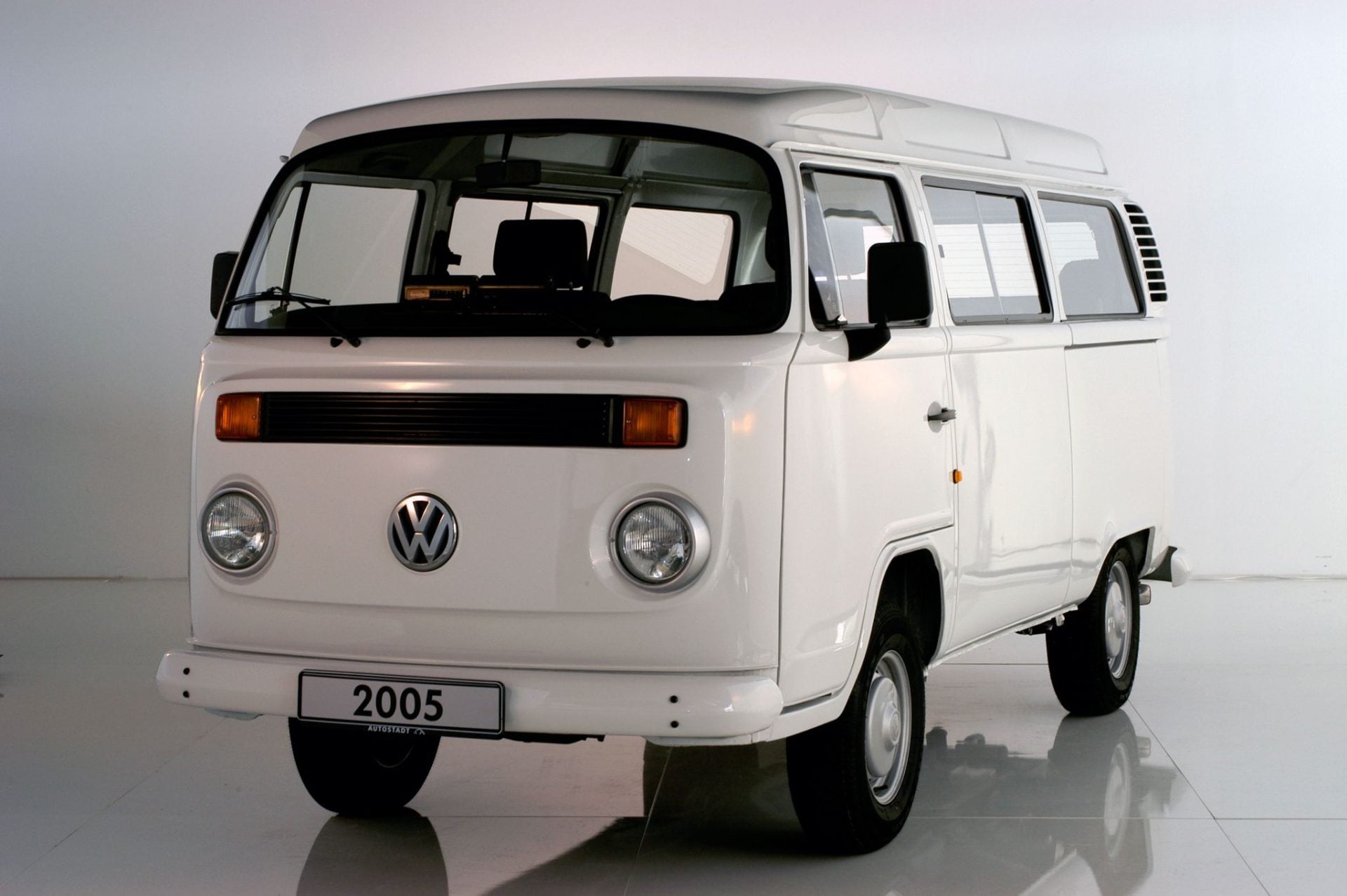
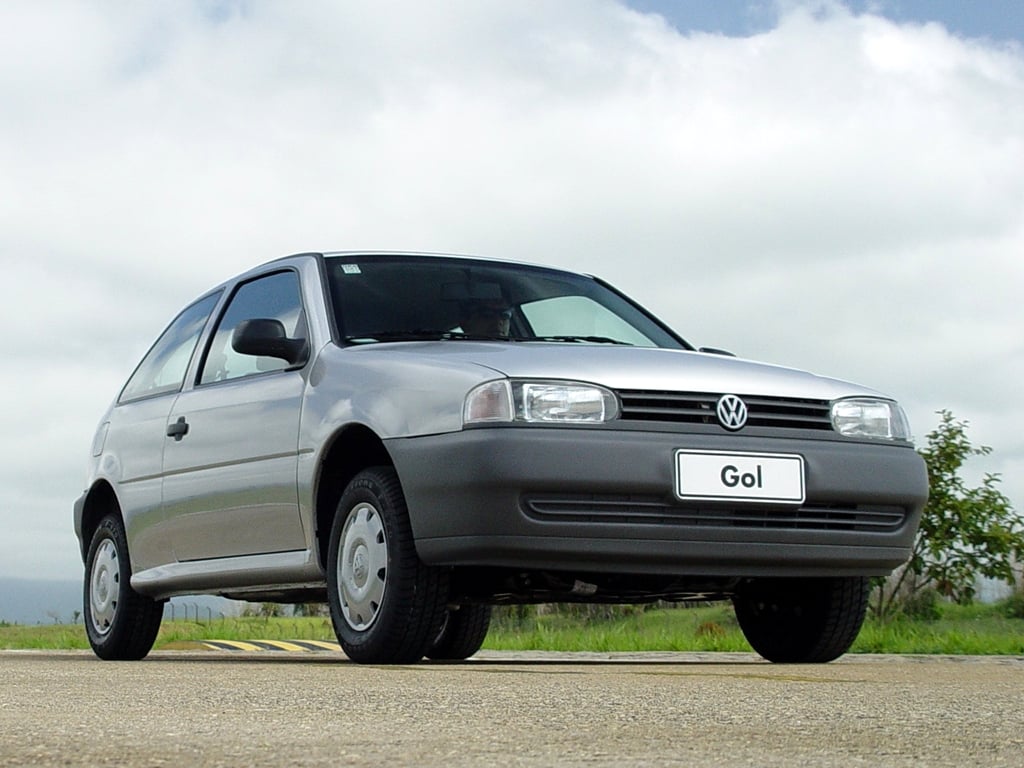
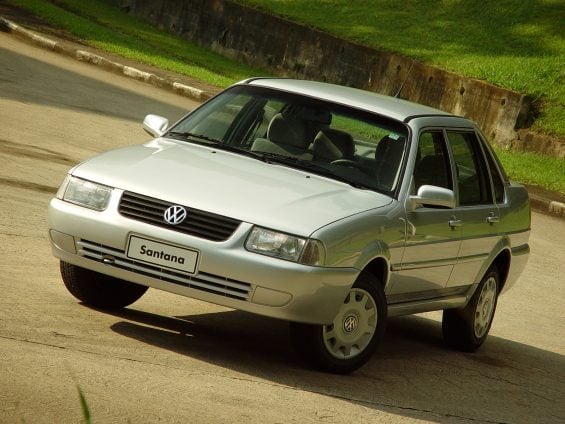
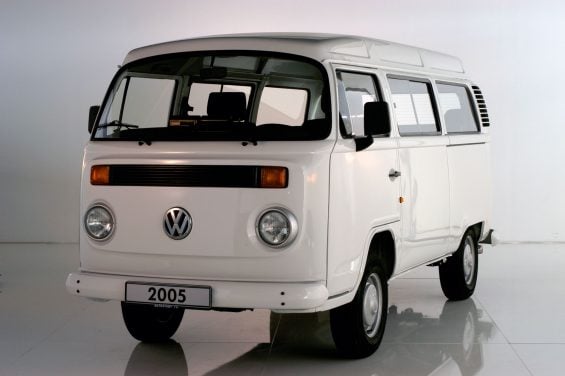
The ethanol-powered Santana was discontinued in 2006 along with the Chevrolet Classic (Photo: Volkswagen | Disclosure)The Kombi with the 1600 air was offered with both fuels, the 1.4 flex unified the offer (Photo: Volkswagen | Disclosure)The alcohol-fueled Gol Special coexisted with the more modern-style flex (Photo: Volkswagen | Disclosure)
Volkswagen was the pioneer in putting a flex engine on the market, but it did not abandon alcohol cars right away. The Gol Special, the entry-level one with the Bolinha body, continued with the 1.0 sugarcane drinker until 2005.
The Kombi also continued with the option of a vegetable fuel engine until the end of 2005, with the veteran 1.6 air-cooled. In early 2006 it was discontinued to enter the 1.4 flex water-cooled.
But the last Volkswagen with an alcohol engine was another “dinosaur” on the market: the Santana 1.8. It left the scene in February 2006 along with the Chevrolet Classic. It continued in production for a few more months with only the 1.8 gasoline, never got to have the AP 1.8 flex from the Gol line.
Comments are the sole responsibility of their authors and do not represent the opinion of this site. Comments containing profanity or offensive language will not be published. If you identify anything that violates the terms of use, please report it.