It’s better to get used to seeing the value of 115 hp becoming standard in national 1.0 turbo cars. After Chevrolet reduced the power of the 1.0 turbo with direct injection to this value, it was Hyundai’s turn with the 1.0 TGDI from the launch of the i20.
Hyundai’s 1.0 turbo engine yielded 120 hp with gasoline and 115 hp with ethanol, in the new hatch it was set to 115 hp in both fuels. The torque of 17,5 kgfm at a low 1,500 rpm was maintained.
Change will qualify the brand’s cars for reductions in IPI (Photo: Marcelo Jabulas | AutoPapo)
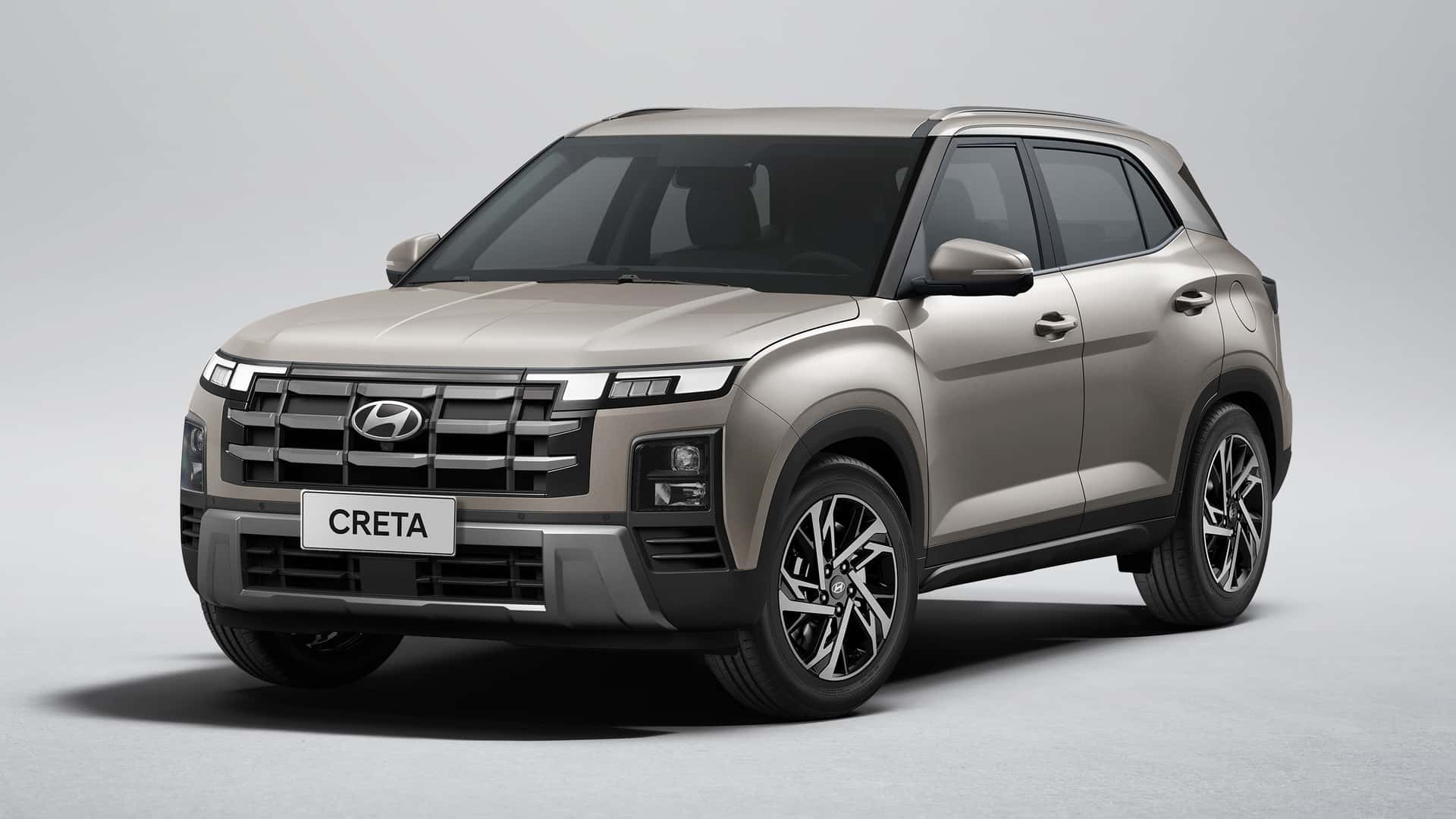
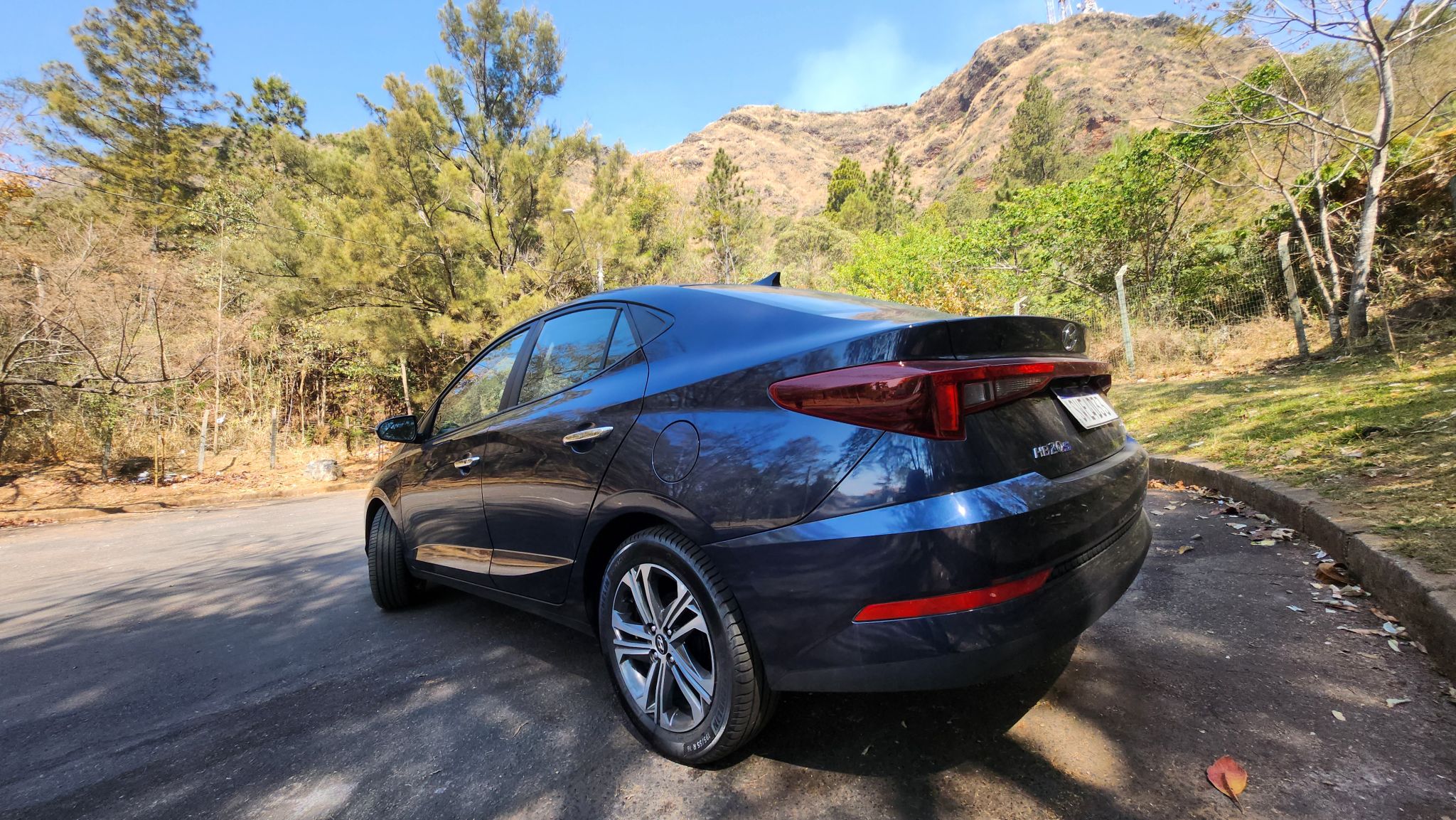
The Korean brand also confirmed that the HB20, HB20S and Creta will have their maximum power reduced to 115 hp. During the launch of the i20 it was said that it will be soon, despite these cars already being in the 2027 model.
The next to jump on this 1.0 turbo wave with 115 hp is Stellantis. The Autos Segredos portal found that the group’s T200 engine will have a limited power of 116 hp in the new Jeep Avenger and the change will be extended to the other cars in the group with this engine.
Another engine quoted to lose some hp is Renault’s 1.0 turbo, used by the Kardian. According to Auto Esporte , the change will come in an access version to compete against aspirated models and reduce the distance between the entry-level SUV, the subcompact Kwid.
Why 1.0 turbo engines are losing power
Chevrolet’s 1.0 turbo engine with direct injection debuted with 120 hp and had its power reduced after 6 months (Photo: Chevrolet | Disclosure)
Contrary to what many people think, the reduction in power was not caused by pollutant emission standards. This time the “fault” is the Federal Government’s Sustainable Cars program, which reduces the rate of the Tax on Industrialized Products (IPI) on models that meet certain requirements.
Vehicles need to emit less than 83g of CO₂ per kilometer, have more than 80% recyclable materials, be classified as compact and have nationalized production to obtain zero IPI. Cars that were left out of these items may have the IPI reduced to 6.3% or less, reaching other requirements.
One of them is the power of up to 85 kW, which is equivalent to 115.5 hp. That’s the reason for the power reductions we’re seeing, with manufacturers rounding it up. But if one appears with 116 hp, it may actually be the 115.5 rounded up.
The other requirements are energy efficiency, propulsion technology, safety level and recyclability index. Reaching all the IPI can drop to up to 2.8%.
Power is the easiest to achieve, especially in turbo engines. The value can be limited with a programming of the electronic center and without affecting the torque, since the peaks occur at different rotations.
The Sustainable Cars program also created the return of the alcohol engine, which started with the Chevrolet Onix Eco and has others on the way. If you are one of those who think current cars are similar, they will become even more similar to get these benefits.
Comments are the sole responsibility of their authors and do not represent the opinion of this site. Comments containing profanity or offensive language will not be published. If you identify anything that violates the terms of use, please report it.