Renault was consolidating itself in Brazil. After the opening of imports, in the early 1990s, the French brand started to bring to the national market models such as the Renault 19 and Renault 21, imported from Argentina, in addition to the friendly Twingo, coming from France from 1993.
But the manufacturer wanted to show the Brazilian consumer that it was capable of offering more modern, sophisticated and technological products. It was with this objective that, in 1996, it began importing the Renault Laguna, a model launched in Europe in 1994 to replace the already aging Renault 21.
Futuristic style
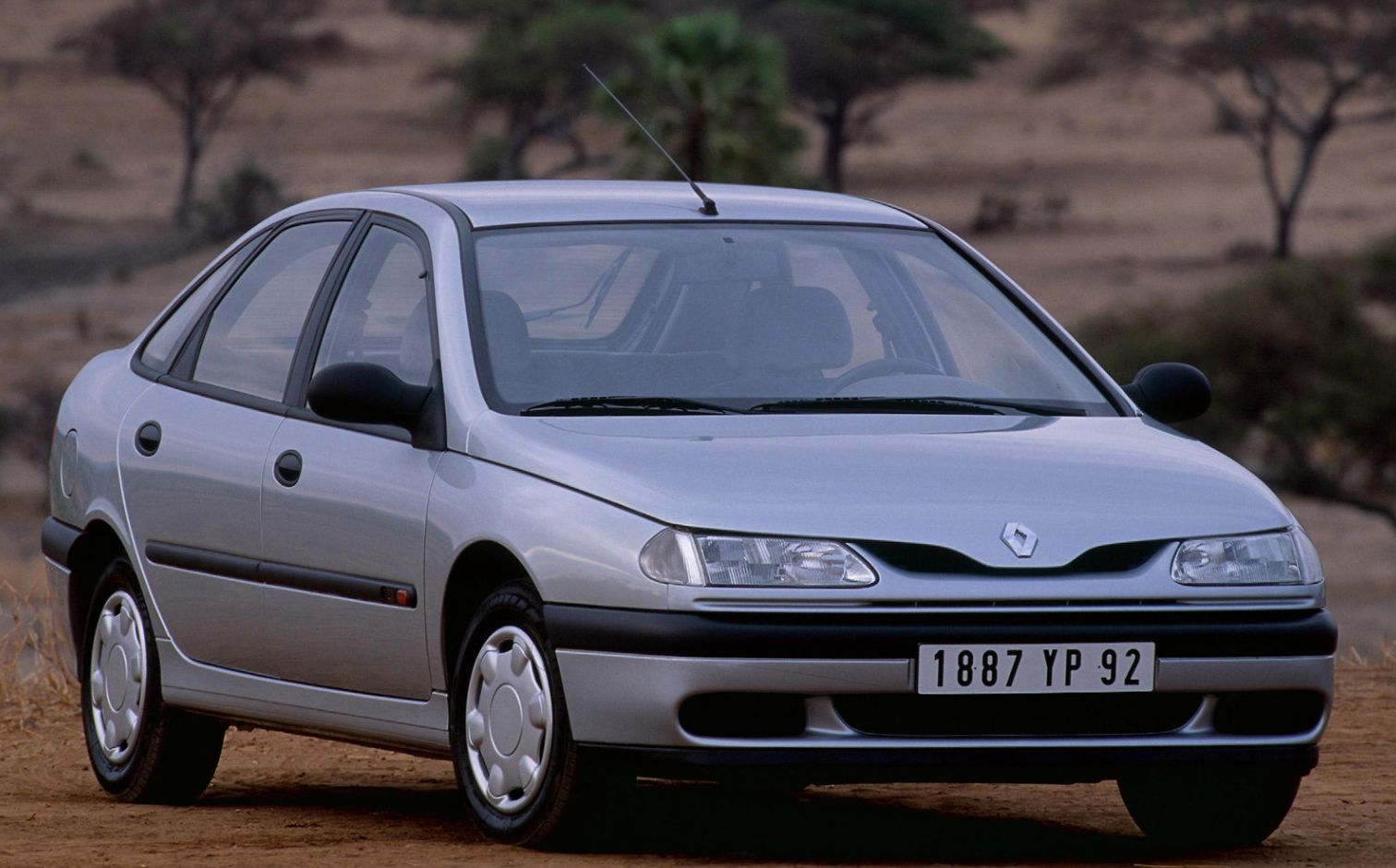
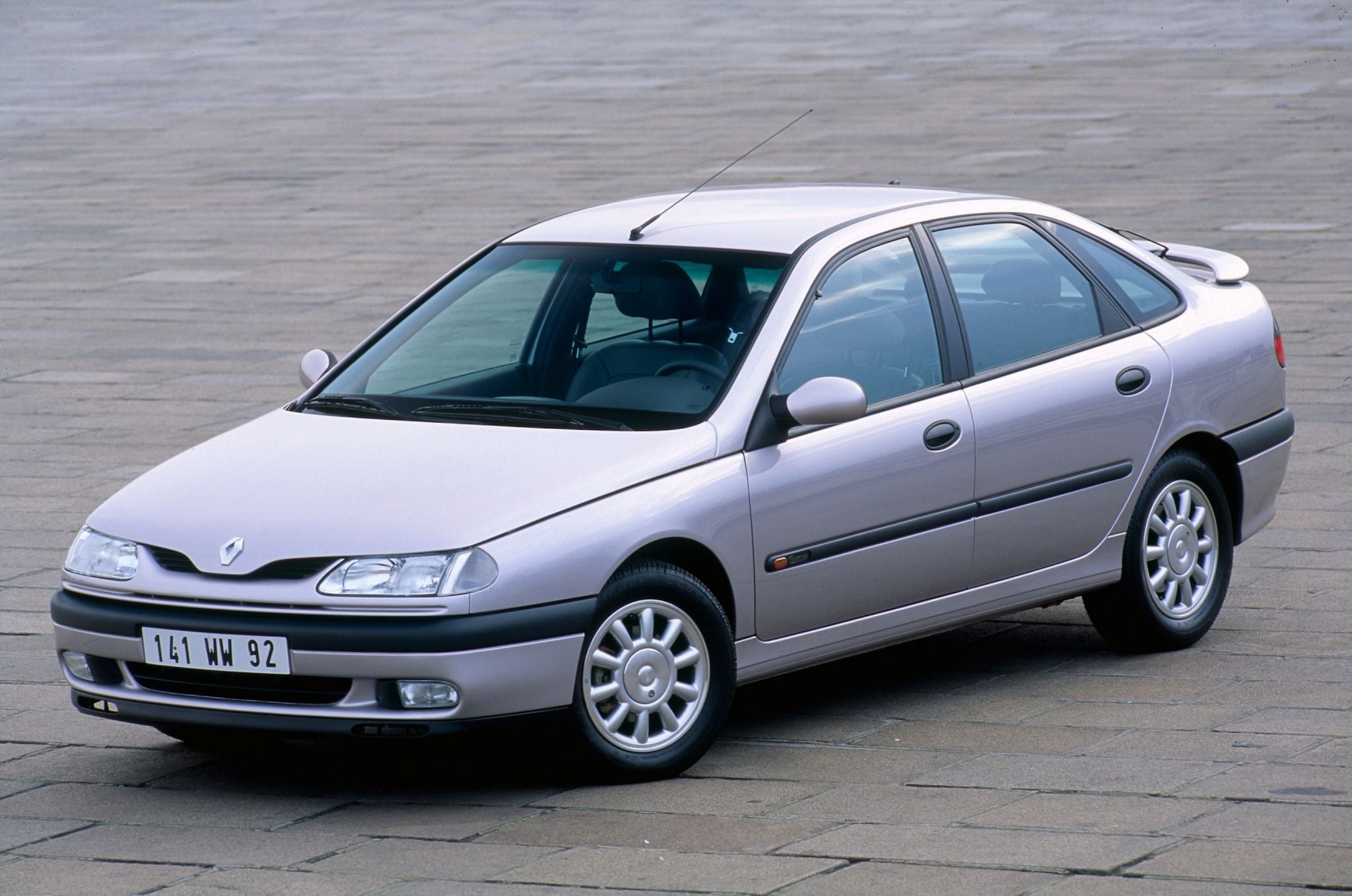
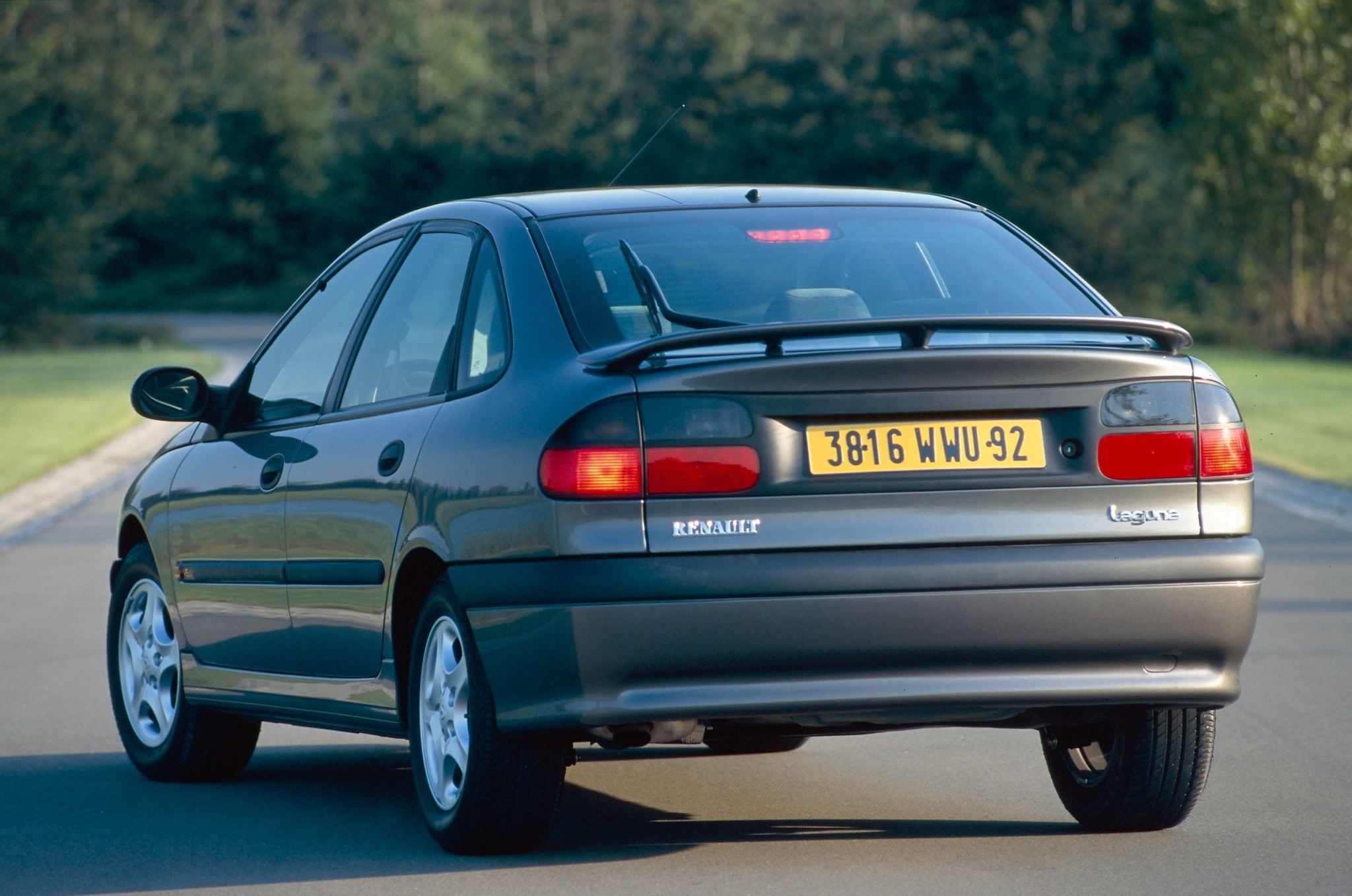
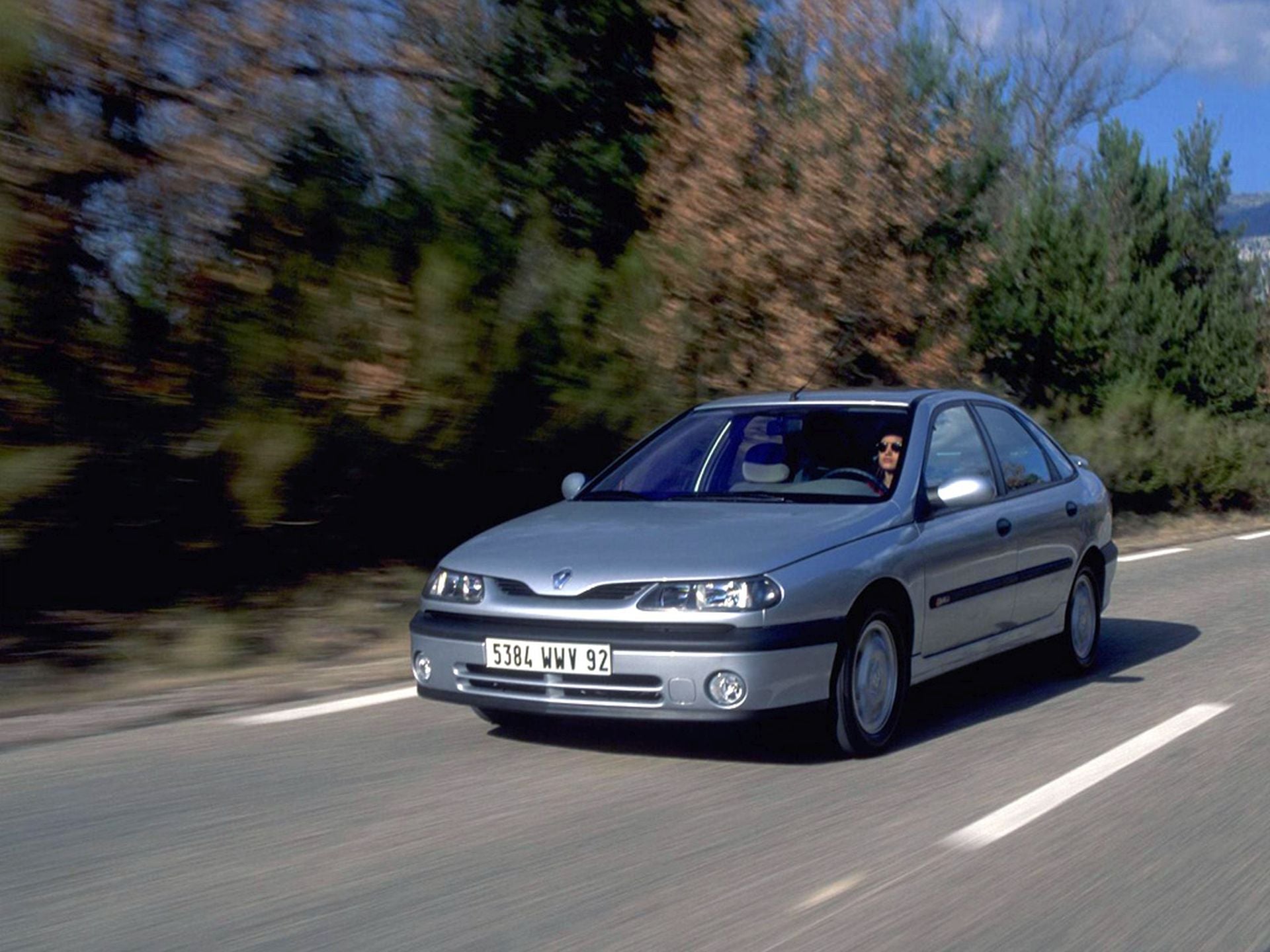
The Laguna drew attention for its futuristic look for the time. Its fluid and aerodynamic lines conveyed modernity, while the large tailgate also integrated glass, a solution that reinforced the model’s personality. At that time, it was a very daring design.
The design of the Laguna brought the school of style of the 1990s, with clean design, leased and soft elements
The arrival of the Laguna was also part of Renault’s strategy to prepare the Brazilian consumer for the future national production of the brand, which would begin at the end of 1998. The French sedan was already a success in Europe and had the mission of strengthening the manufacturer’s technological image in Brazil.
Here, its main competitors were the Chevrolet Vectra, the Ford Mondeo and the Volkswagen Passat of German origin.
In terms of price, the Laguna cost approximately R$ 40 thousand. It was above the Vectra, found for around R$ 35 thousand, and the Mondeo, sold in the range of R$ 38 thousand. Only the Passat was more expensive, exceeding R$ 45 thousand.
Laguna suffered from the bad reputation of predecessors
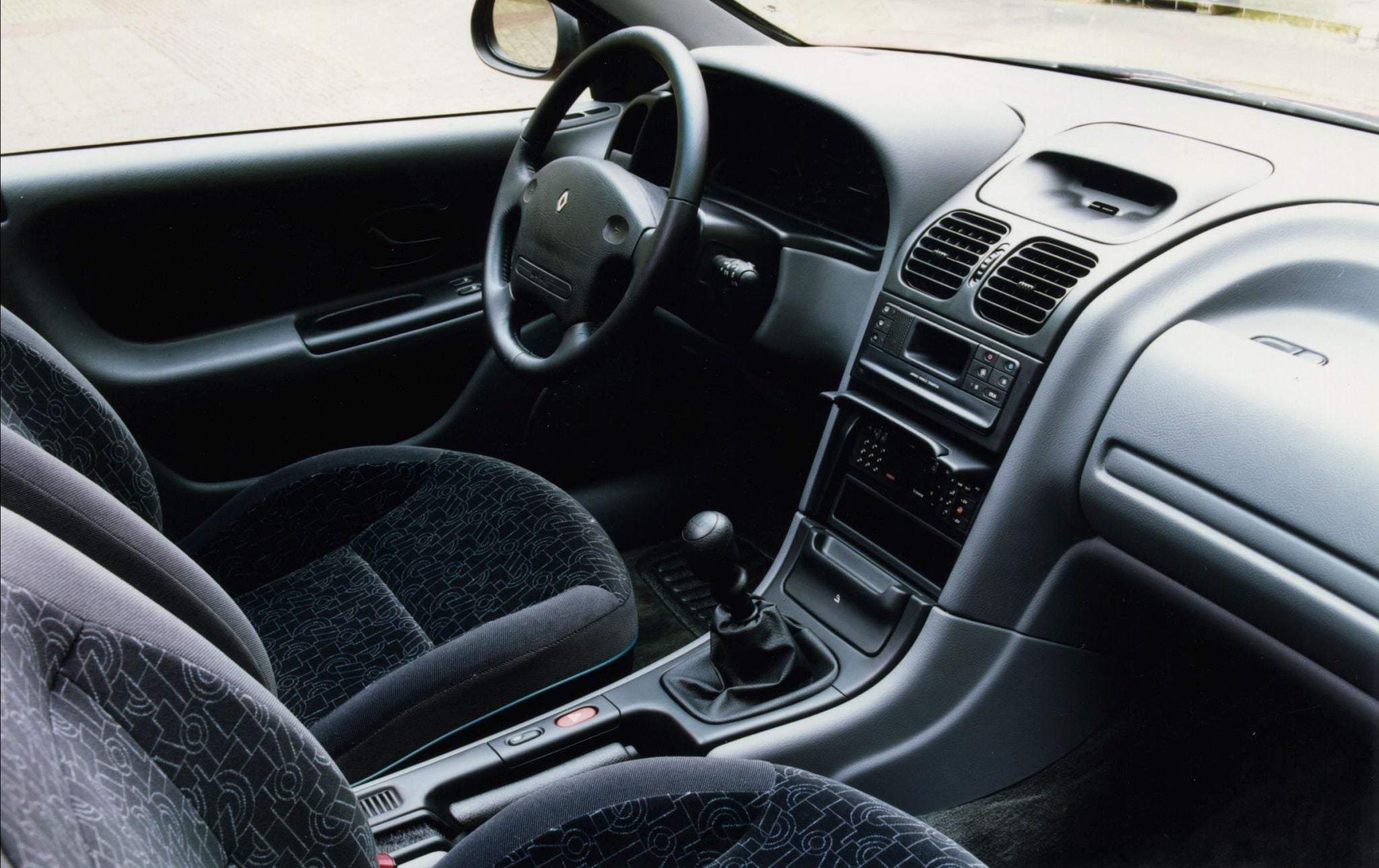
Within this scenario, the Frenchman competed on an equal footing with his rivals. In addition to the differentiated look, it offered equipment that was uncommon at the time, such as the on-board computer with voice messages, a feature that helped reinforce its technological image. Despite this, sales never excited.
Part of the explanation was the reputation built by the Renault 19 and 21. Although they were modern automobiles for their time, they left a series of complaints related to maintenance and the availability of parts. Although indirectly, this image ended up influencing the consumer’s perception of Laguna.
Model was online for six years and came to a melancholic end in the early 2000s
Most of the examples sold in Brazil used a five-speed manual transmission. The national public still showed some resistance to four-speed automatic transmissions, which many considered expensive to maintain and potentially problematic.
From the beginning, sales figures were far below competitors. While the Chevrolet Vectra registered between 20 thousand and 30 thousand units per year, the Laguna usually sold between 2 and 3 thousand units annually.
The situation changed in 1998, when Renault started to bring most of the models sold in Brazil from its Argentine plant in Santa Isabel. Although the price remained competitive, many consumers began to see the car differently. For some, the fact that it was no longer imported from France reduced some of its appeal and exclusivity.
Dollar was the final straw
But the worst was yet to come.
In 1999, the Brazilian government abandoned the controlled exchange rate regime and started to adopt the floating exchange rate. In a few months, the dollar exchange rate jumped from approximately R$ 1.10 to about R$ 1.90.
The impact on imported vehicles was immediate.
In practice, a Laguna that cost around R$ 40 thousand started to approach R$ 70 thousand. The same happened with other imports, such as Mondeo and Passat. However, the national Vectra has undergone much more modest adjustments, making it a much more attractive alternative for the Brazilian consumer.
Content package had an on-board computer, with voice messages
The result was devastating for Laguna. Sales, which were already modest, plummeted to something close to 500 units per year. The model went from a niche product to a practically commercially unviable automobile.
Even so, Renault kept the car on the market until 2002. At that time, however, the Brazilian factory was already operating at full steam producing highly successful models, such as the Clio and the Scénic. Given this scenario, Laguna has become more of a headache than a business opportunity.
At the beginning of 2003, Renault was still studying the import of the second generation of the model. More modern, sophisticated and visually appealing, it had the potential to conquer market share. However, the final price would be so high that the project was abandoned before it even started.
Chronic problems
In addition to commercial difficulties, Laguna also accumulated complaints from its owners.
The short-travel suspension suffered a lot from the poor quality of Brazilian streets and roads. It was common for dry knocks to occur in potholes, as well as premature wear of bushings, shock absorbers and suspension components.
The steering box was also frequently affected by the impacts caused by the pothole, requiring repairs earlier than expected.
Short-travel suspension was a problem on Brazilian roads, with premature damage to bushings and shock absorbers
Another point of complaint involved the electrical part. The combination of heat, humidity and the characteristics of the Brazilian climate ended up causing failures in connectors and electronic sensors. As a consequence, the sophisticated on-board computer often presented incorrect information or undue alerts, frustrating many owners.
In practice, Laguna ended up suffering from an insufficient adaptation to Brazilian conditions. Between high costs, maintenance problems and strong devaluation in the used market, the model never managed to win consumer trust.
Today, it remains an interesting curiosity of Renault’s history in Brazil: a modern, technological car ahead of its time, but which never managed to transform its qualities into commercial success.
Comments are the sole responsibility of their authors and do not represent the opinion of this site. Comments containing profanity or offensive language will not be published. If you identify anything that violates the terms of use, please report it.