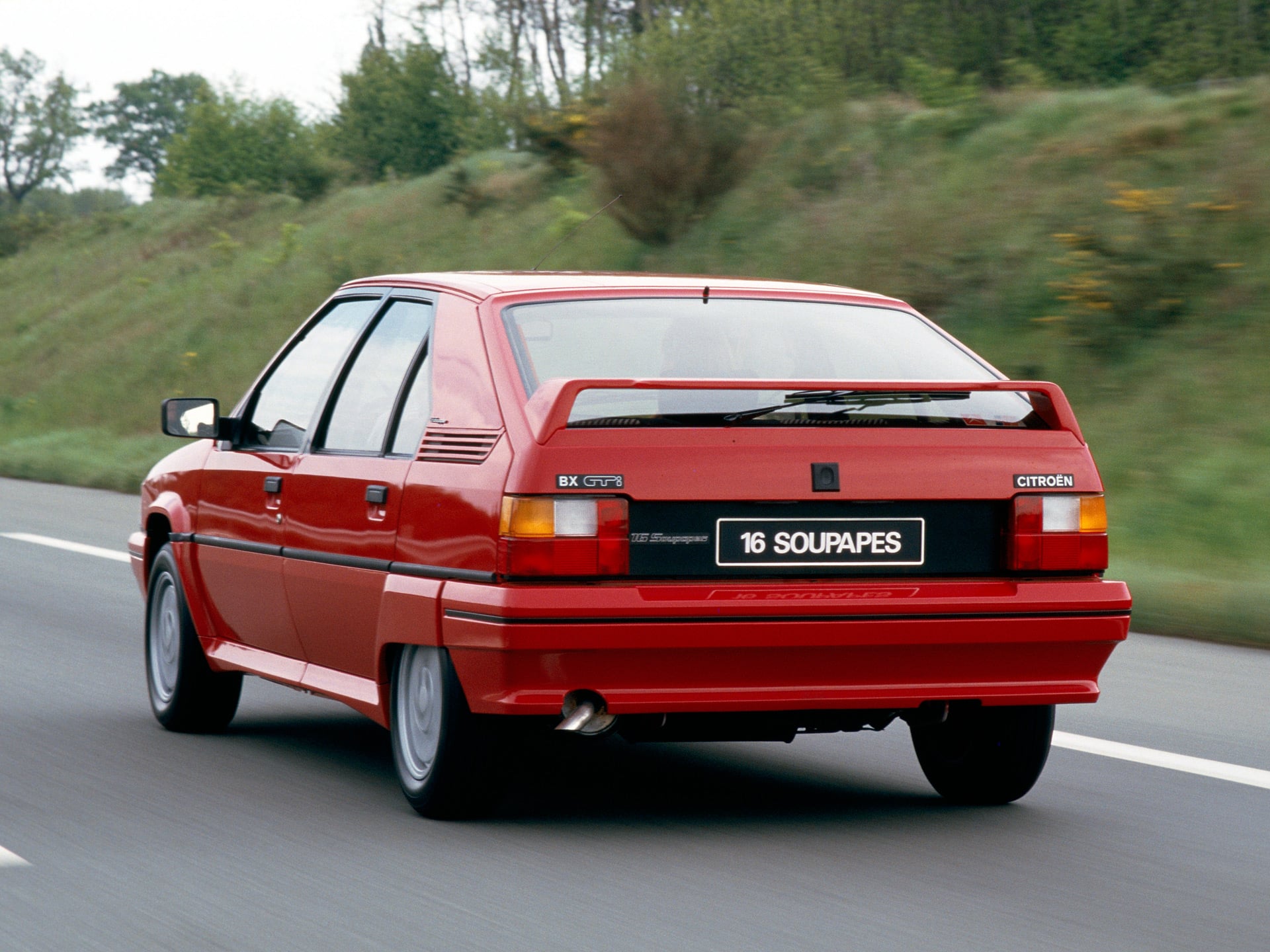
The Citroën BX was one of those rare sales phenomena in the European market. Launched in 1982, it quickly conquered space in the Old Continent thanks to its innovative project, bold design and high technological load.
The success was impressive. Between 1982 and 1994, when it was discontinued, more than 2.3 million units were produced and marketed in Europe. In Brazil, however, the story was completely different.
The BX arrived here in 1992, shortly after the opening of imports. His passage through the Brazilian market was short and disappointing. Sales ended at the end of 1993, and during that time, only about 250 units found buyers.
He made the nationals into real carts
The Brazilian consumer simply ignored one of the most advanced cars of its time. The main reason was precisely its sophistication. Accustomed to models such as Chevrolet Monza and Volkswagen Santana, the national public found in the BX a car that seemed to have come from another planet.
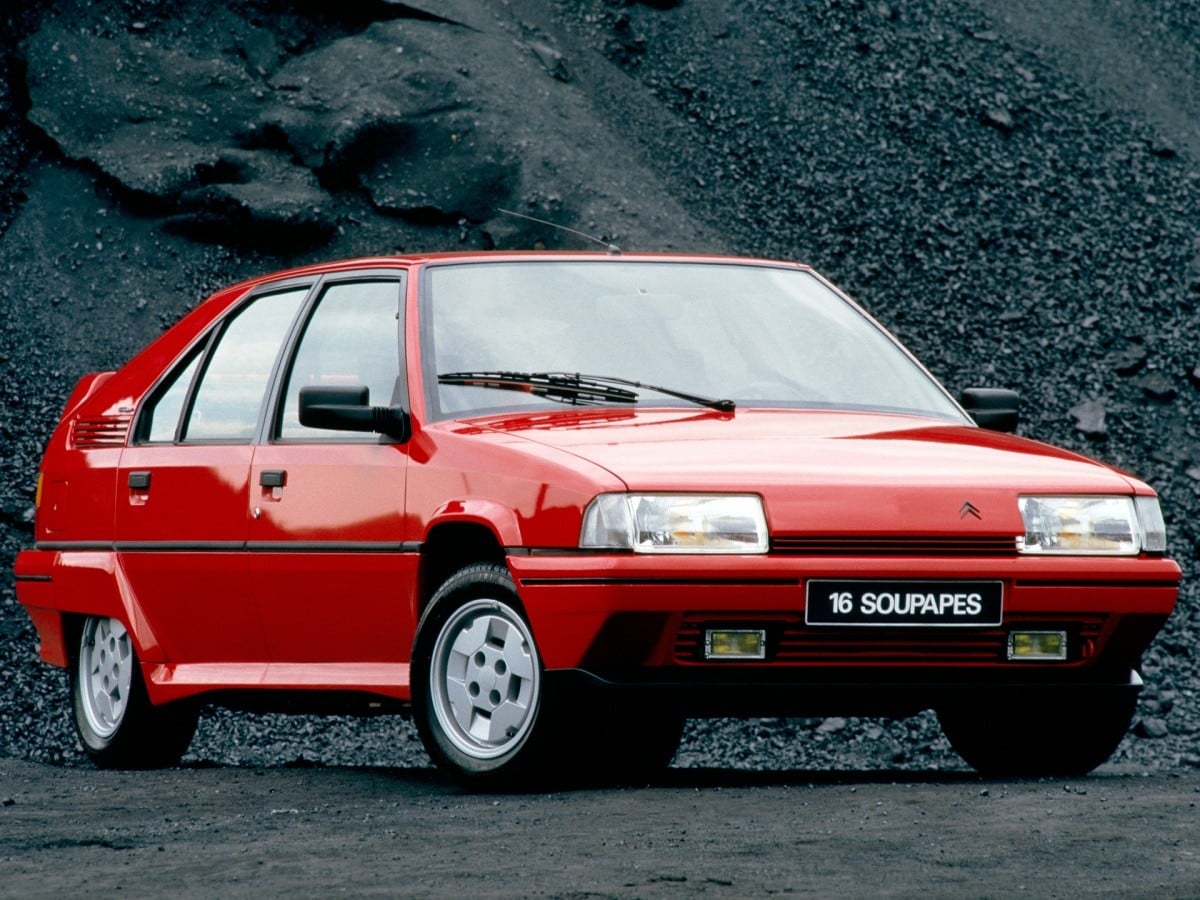
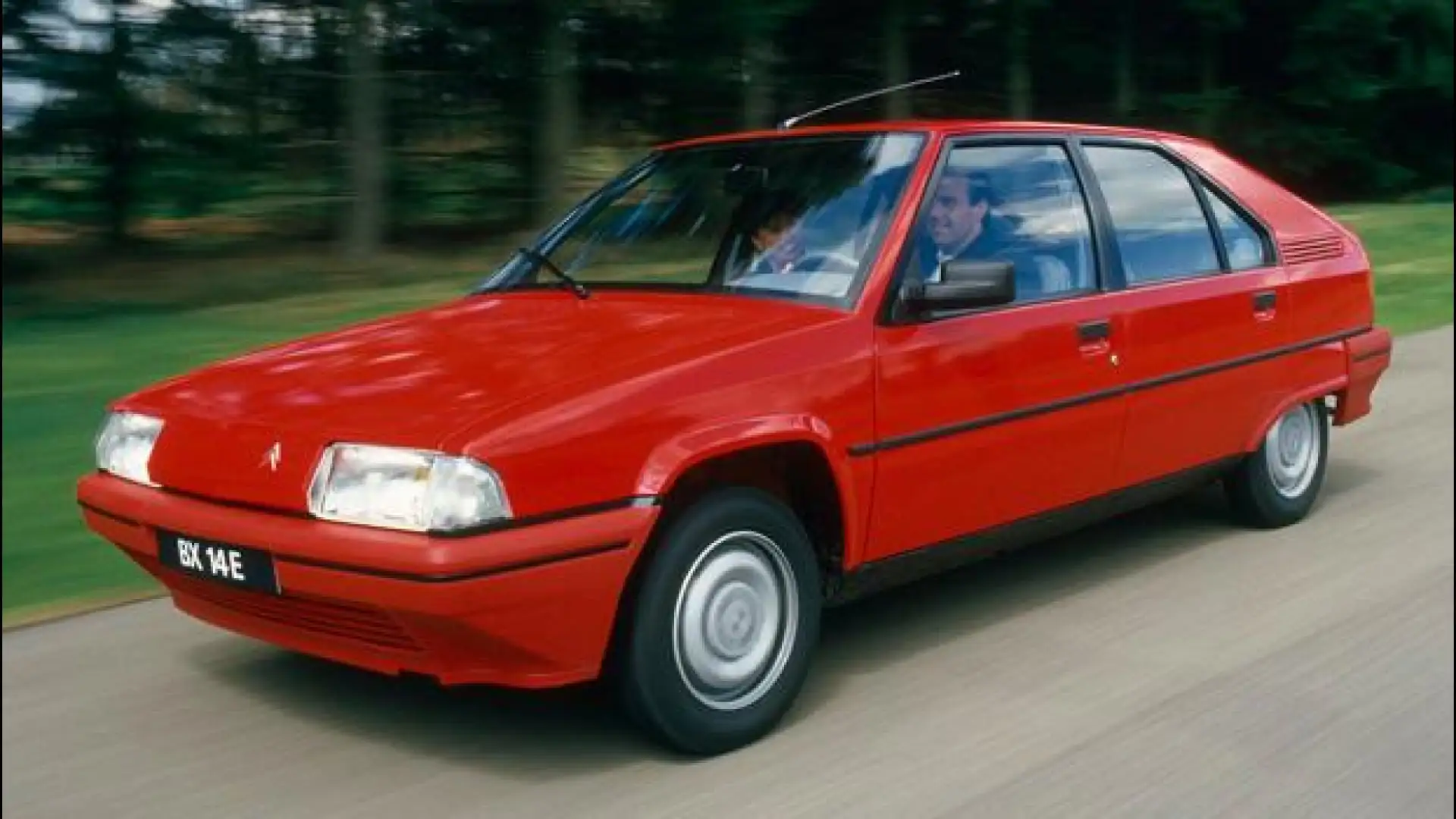
The strangeness began with the drawing. While most competitors followed more traditional lines, Citroën bet on striking geometric shapes, flat surfaces and strong aerodynamic concern. The look was dominated by pronounced angles and a body designed to cut through the air efficiently.
Despite the rectilinear shapes, the BX inherited styling inspired by the classic DS
To improve aerodynamics, the rear axle had a narrower gauge than the front, bringing the overall shape of the car closer to that of a drop, considered the ideal way to reduce resistance to advancement. The partially covered rear wheels also helped to reduce turbulence.
The front was wedge-shaped, with narrow headlights integrated into the body and lines that gradually widened to the windshield. The result was an aerodynamic coefficient of around 0.34, an excellent number for the time.
Noble materials to reduce weight
Innovation also appeared in the materials used. Hood and tailgate were produced with composites that combined plastic and fiberglass, reducing weight compared to traditional steel plates.
The large tailgate provided easy access to the trunk, which offered approximately 450 liters of capacity. The five-door body ensured ample interior space for five occupants, while access to the cabin was facilitated by the large door openings.
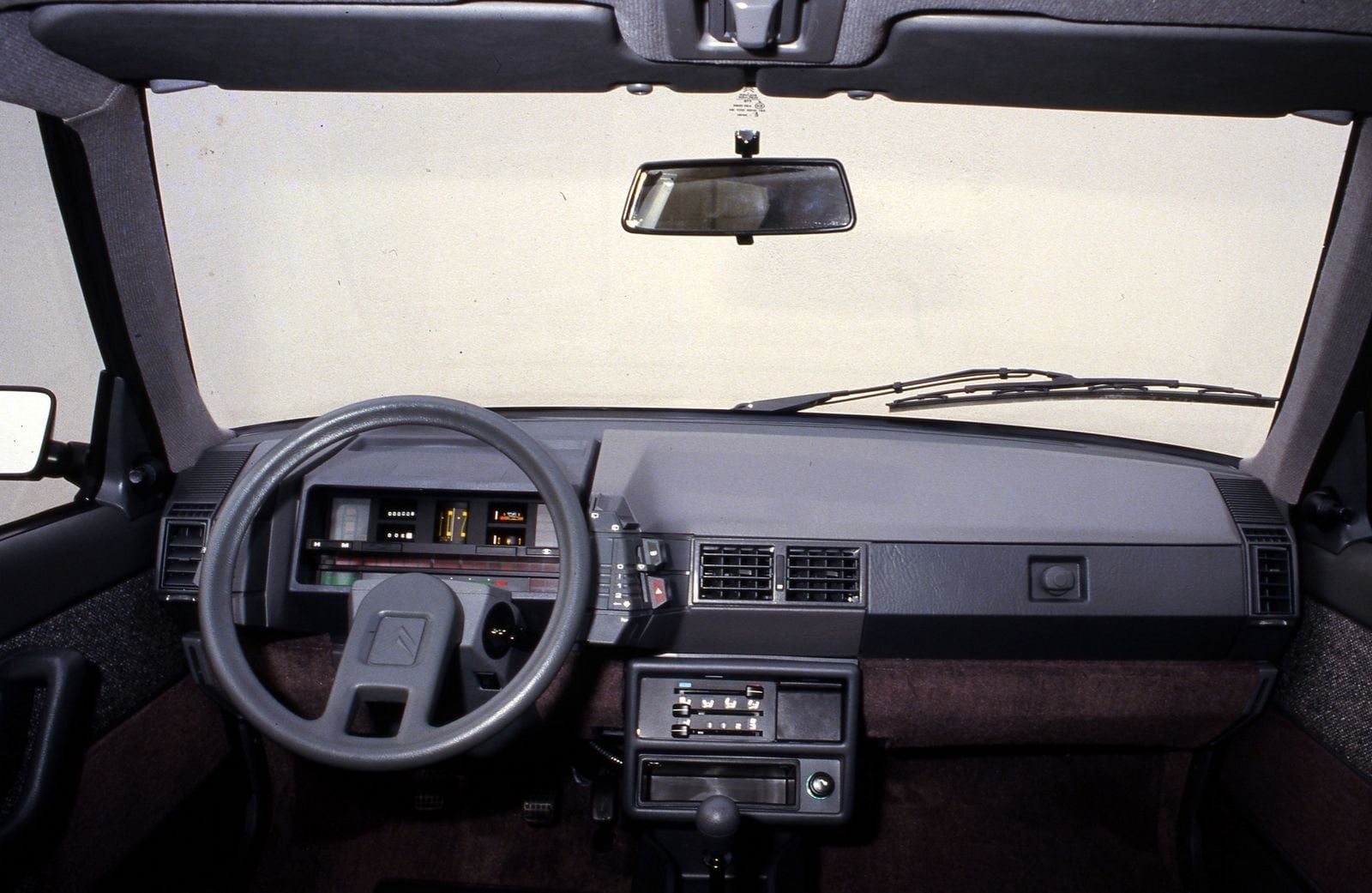
The interior was modern, with a profusion of controls that we didn’t see in national models
Inside, the BX continued to surprise. The controls were grouped in satellites positioned next to the steering wheel, which had only one central spoke, a striking feature of Citroën. The solution allowed excellent visualization of the instruments and reinforced the feeling of being in a futuristic automobile.
Surprising (and scary) suspension
But all this modernity was still little compared to what the BX had in store for its suspension. The model used a sophisticated hydropneumatic system that, according to experts at the time, provided a comfort experience similar to that of a “magic carpet”. Sensors constantly monitored the conditions of the floor, adjusting the suspension in real time.
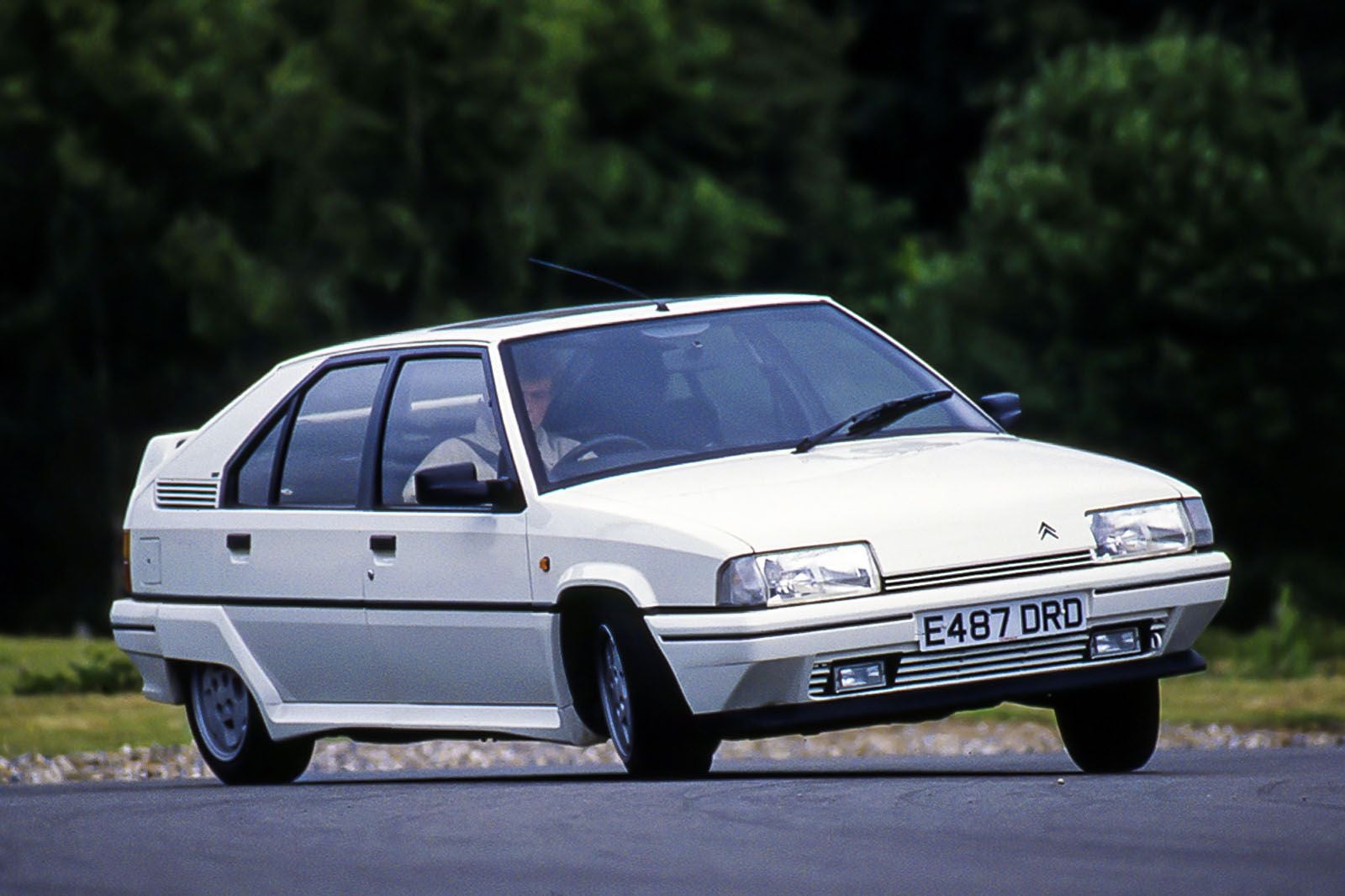
The BX’s sophisticated suspension system offered unrivalled stability, but lacked the technical knowledge to maintain it
The wheels absorbed the irregularities of the terrain while the body remained practically stable. In curves, the system automatically stiffened the suspension to reduce lateral lean and increase stability.
Another impressive feature was the automatic height correction. Regardless of the number of passengers or luggage carried, the car always maintained the same distance from the ground.
A lever installed between the front seats allowed the driver to select different ride heights. In the lowest position, stability was privileged. In the intermediate, used on a daily basis, there was a balance between comfort and practicality. In the elevated position, it was possible to face greater obstacles and even facilitate the change of a tire.
The price of around $40,000 in the early 1990s was too high to risk breaking the suspension
When the engine was turned off, the hydraulic pressure gradually decreased and the body lowered automatically. When starting, the system was pressurized again and the car returned to normal operating height.
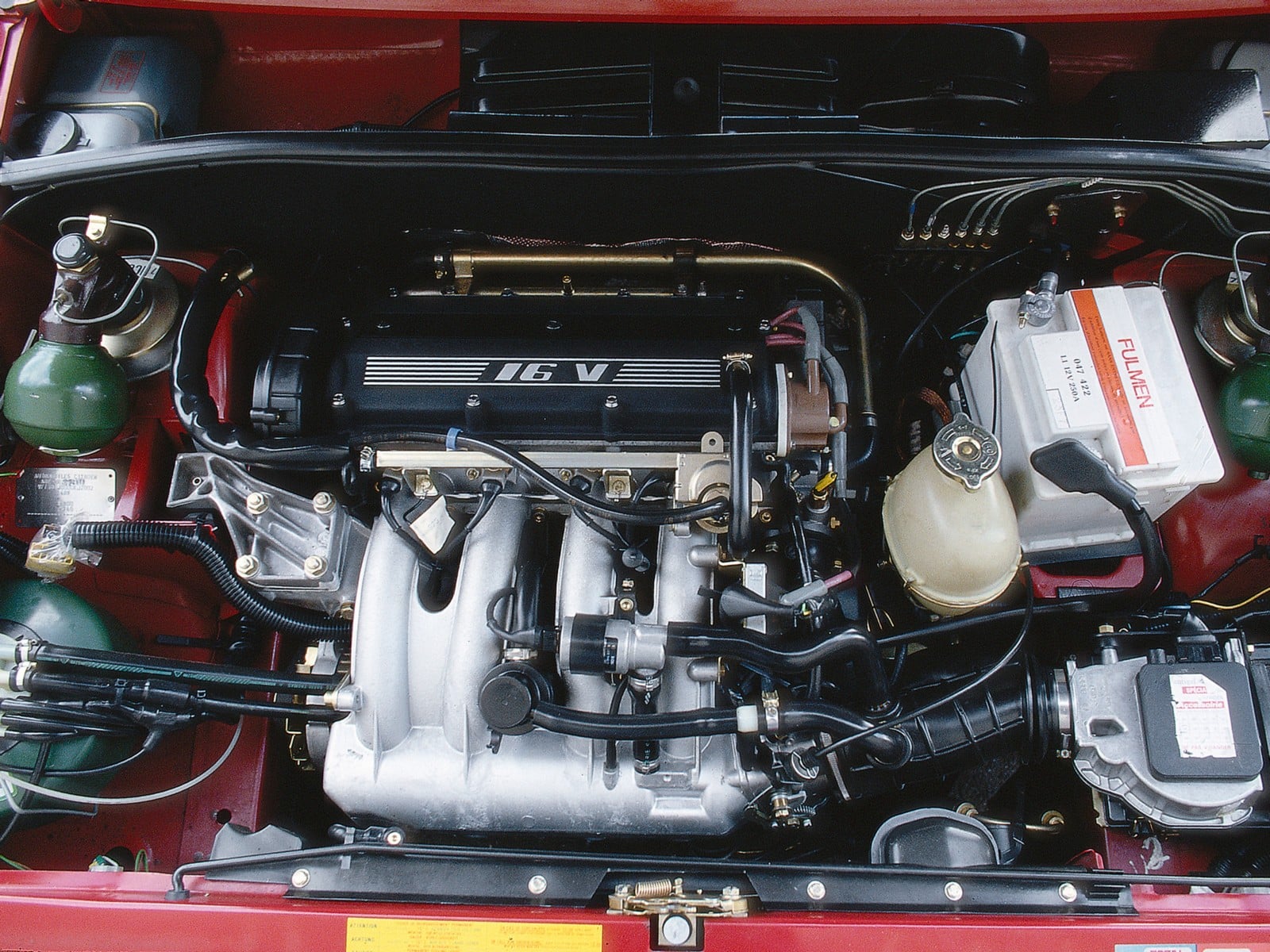
To operate all this, the BX used a combination of special fluorescent green hydraulic fluid and nitrogen gas, responsible for performing a function similar to that of conventional springs.
It was a technological spectacle. But that’s precisely when the problems began.
The complexity of the system found it difficult to live with Brazilian conditions. Many units have spent long periods stopped in ports and yards during the import process. In addition, they faced potholed streets and roads that were much harsher than those for which they had originally been designed. As a result, hydraulic leaks began to appear in several examples.
Citroën BX’s hydraulic system that acted on the suspension used pressure provided by the engine
The problem was to find out who would be able to fix them. The Citroën dealership network was still in the implementation phase in the country and few professionals knew how the hydropneumatic suspension works. Spare parts practically did not exist in the national market.
The result was simple: many owners had their cars stopped indefinitely waiting for diagnoses, parts or solutions. The negative news spread quickly.
Nobody wanted to invest in a sophisticated automobile that few knew how to repair. The fear of facing long periods of immobilization ended up driving away potential buyers.
Citroën BX had a high price by market standards
In the GTi version, the BX cost around US$ 40 thousand dollars, equivalent to more than R$ 200 thousand in current values (without correction). It was a lot of money to run the risk of being left without adequate technical assistance.
Sales, which started reasonably, plummeted as reports of problems spread through the market.
Thus, the model that had been a huge European success ended its Brazilian trajectory in just two years. Imports were stopped in 1993, a year before the end of its production in Europe. The result was a volume of only 250 units sold in the country, a resounding commercial failure.
Today, the few surviving examples are true rarities and arouse the interest of collectors and admirers of the brand. In Europe, the BX is remembered as one of the most innovative Citroën of its generation.
In Brazil, however, it was marked as a car too advanced for a market that was not yet prepared to understand, maintain and value all that technology.
Comments are the sole responsibility of their authors and do not represent the opinion of this site. Comments containing profanity or offensive language will not be published. If you identify anything that violates the terms of use, please report it.