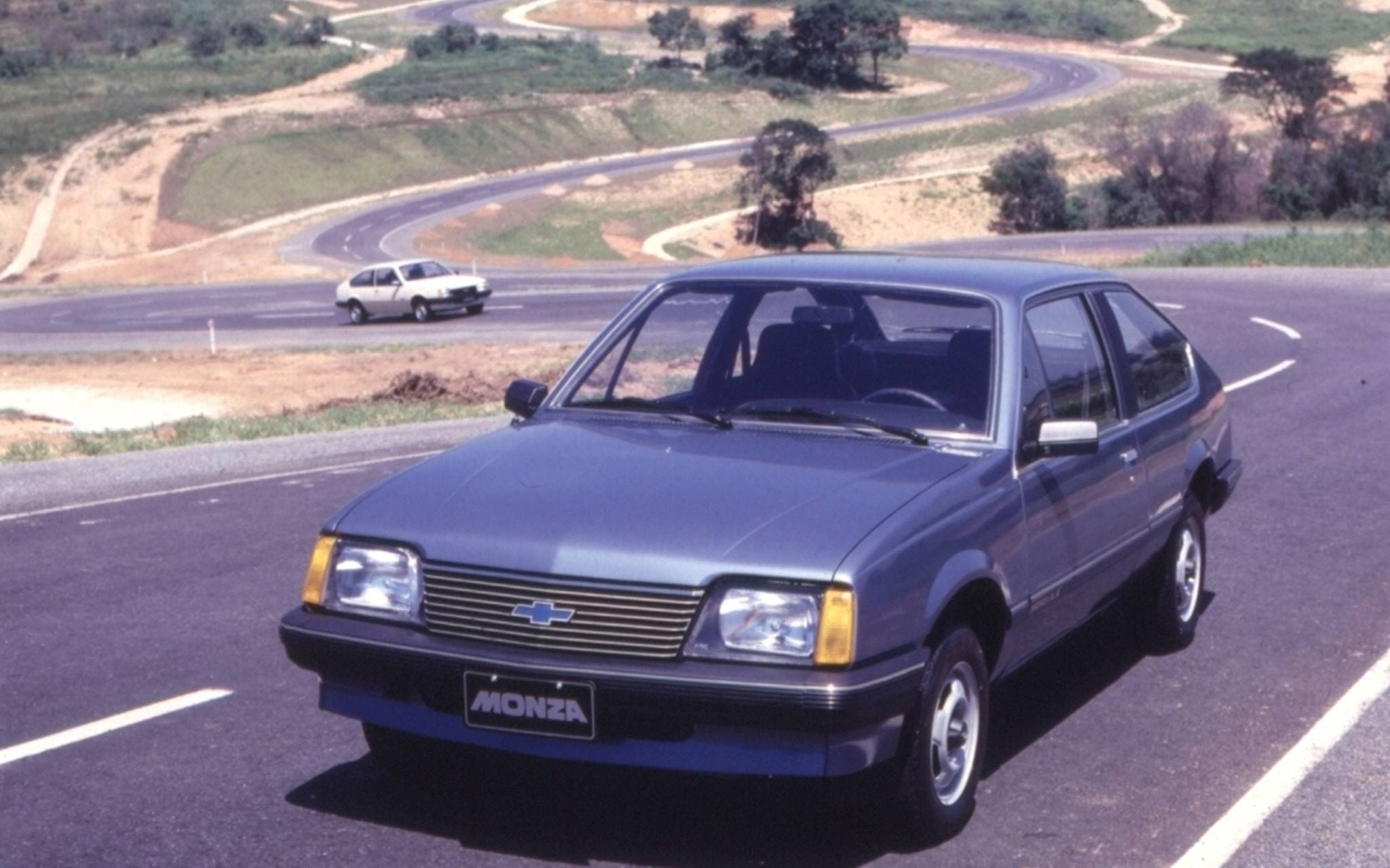
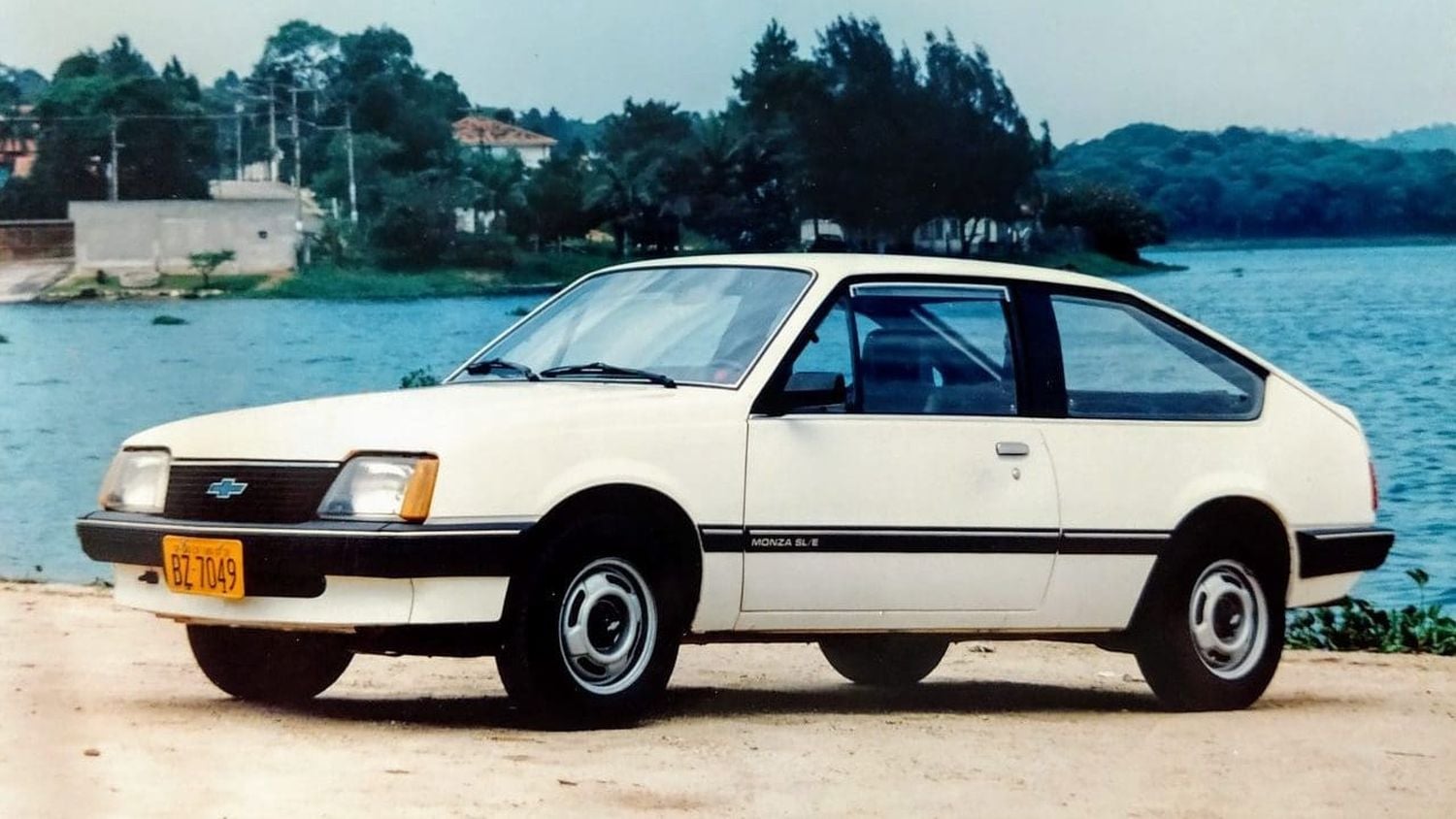
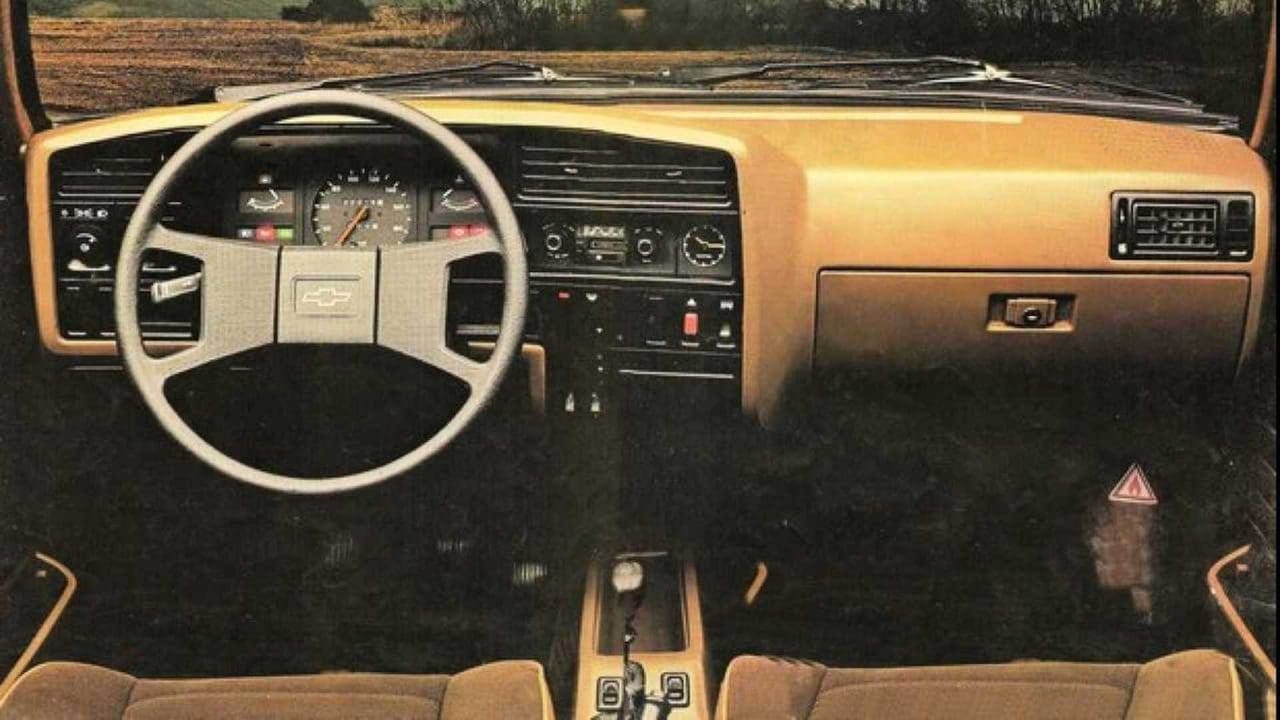
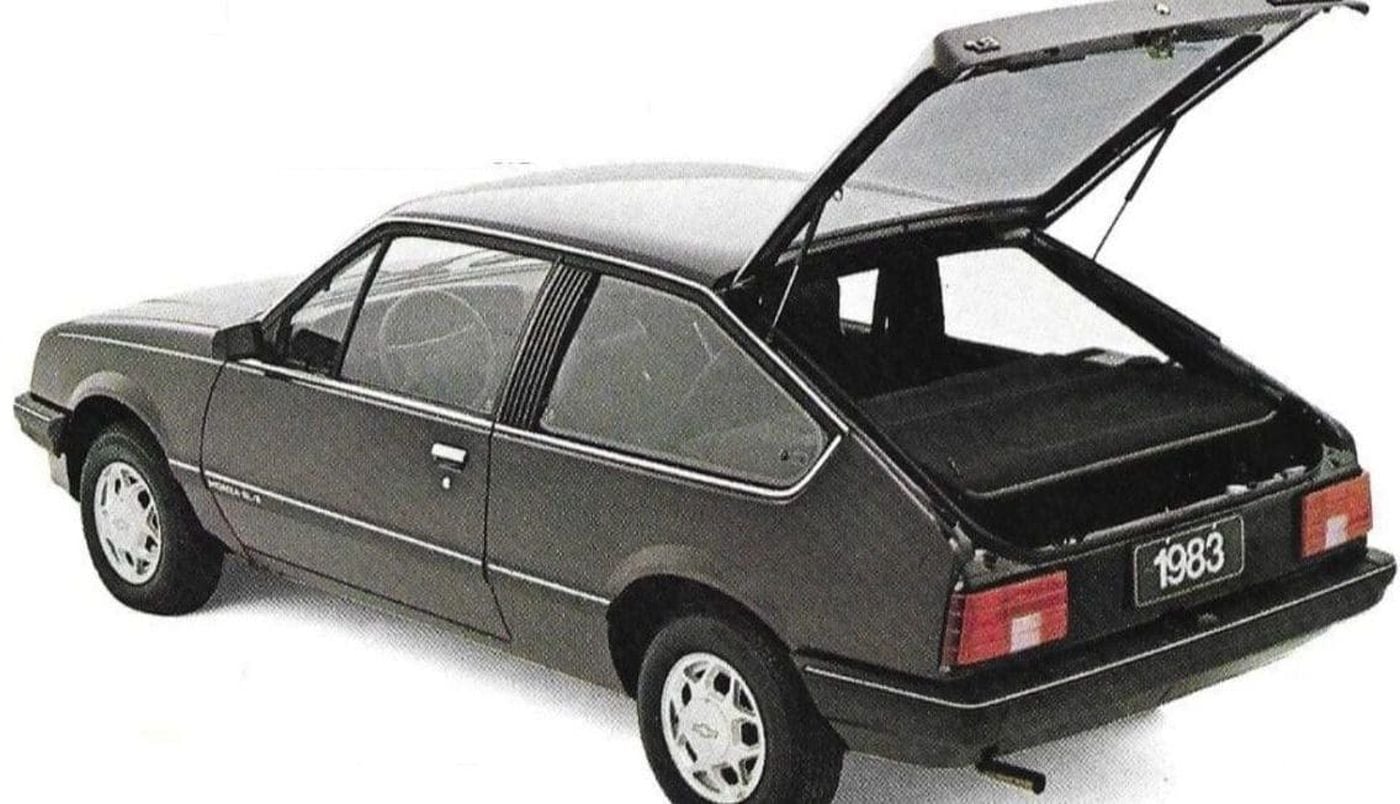
It was the early 1980s and the German Opel had launched in Europe, in 1981, the Ascona C, a model that arrived in Brazil in 1982 as the Chevrolet Monza Hatch. The car was innovative for the time. It had an engine and gearbox arranged transversely, a wraparound instrument panel and a wide tailgate that gave easy access to the trunk, with a capacity close to 450 liters, more than enough for an average family.
50th anniversary The new Monza represented a break with everything that General Motors produced in Brazil until then. Models such as Veraneio, Opala, Caravan and Chevette used longitudinally mounted engines, rear-wheel drive and more traditional design designs. In the Monza, GM adopted a transverse engine, front-wheel drive and a modern platform of European origin, in line with international trends at that time.
Monza Hatch 1.6 struggled to develop
The problem is that the Monza Hatch debuted equipped only with 1.6 engines. The gasoline version delivered about 75 hp and 12,8 mkgf of torque, while the alcohol version yielded approximately 72 hp. These were modest numbers to move a car that exceeded the ton in running order. In practice, performance was below the expectations created by the modern look and the more sophisticated proposal of the model.
The Monza’s style drew attention, despite pleasing the general public, who had a preference for sedans (Photo: GM | Disclosure)
As a result, many drivers had to demand a lot from the accelerator to obtain minimally satisfactory responses. This made consumption increase considerably, generating complaints among owners. The problem was not necessarily in the robustness of the engine or transmission, but in the combination of a not very vigorous engine for the size and weight of the vehicle.
Criticism began to spread quickly. The consumer noticed that the car had difficulties in resumptions and suffered mainly on trips with the vehicle loaded. On mountain climbs, with passengers and luggage on board, performance was even more compromised. The image of the Monza 1.6 came to be associated with a modern car, but without the performance that its look suggested.
1.8 Family II engine saved the Chevrolet
Fortunately for GM, the solution was already ready. Shortly thereafter, the version equipped with the 1.8 Family II engine arrived. Depending on the configuration and fuel used, the power was close to 90 hp, accompanied by a torque significantly higher than that of the 1.6. The difference in driving was noticeable and the new set met the car’s characteristics much better.
Panel was sophisticated by the standards of the time (Photo: GM | Disclosure)
In practice, GM quickly realized that it had made a mistake by launching the Monza with only the 1.6 engine. The arrival of the 1.8 completely changed the commercial trajectory of the model. The Monza came to be seen as a comfortable, modern and powerful enough car for the standard of the time.
It is also important to remember that the hatchback body never fully conquered the Brazilian consumer. Although it was quite practical, the national market continued to show a strong preference for sedans. When the two- and four-door sedan versions appeared, the Monza finally found its audience. Sales grew rapidly and the model became one of the biggest successes in the national automobile industry, leading the market for several years in the 1980s.
Despite the practicality, Brazilians have not become familiar with the body shape of the Monza Hatch, unlike the VW Passat (Photo: GM | Disclosure)
The Hatch version remained in production until 1986, when it was gradually withdrawn from the scene, surviving only in the sporty SR for a while longer. The Monza, in turn, continued its successful trajectory thanks to the combination of more suitable mechanics and a body that appealed much more to the taste of the Brazilian consumer.
Comments are the sole responsibility of their authors and do not represent the opinion of this site. Comments containing profanity or offensive language will not be published. If you identify anything that violates the terms of use, please report it.