The electric car is on the rise. And much of this success is in the tempting price, which is often lower than a combustion model. The magic in this price is in Chinese imports, in which cars are assembled at much lower costs than those practiced in Brazil. With an aggressive price and a lot of technology, the electric car has become an object of desire and has permeated the imagination of consumers who seek lower travel and maintenance costs.
And the electric car can literally be a “China business” if you combine some factors, which really make it a good choice and not just a desire guided by a consumer trend. Check if your case fits into some of these situations.
1. Electric car for those who drive a lot in the city and face traffic
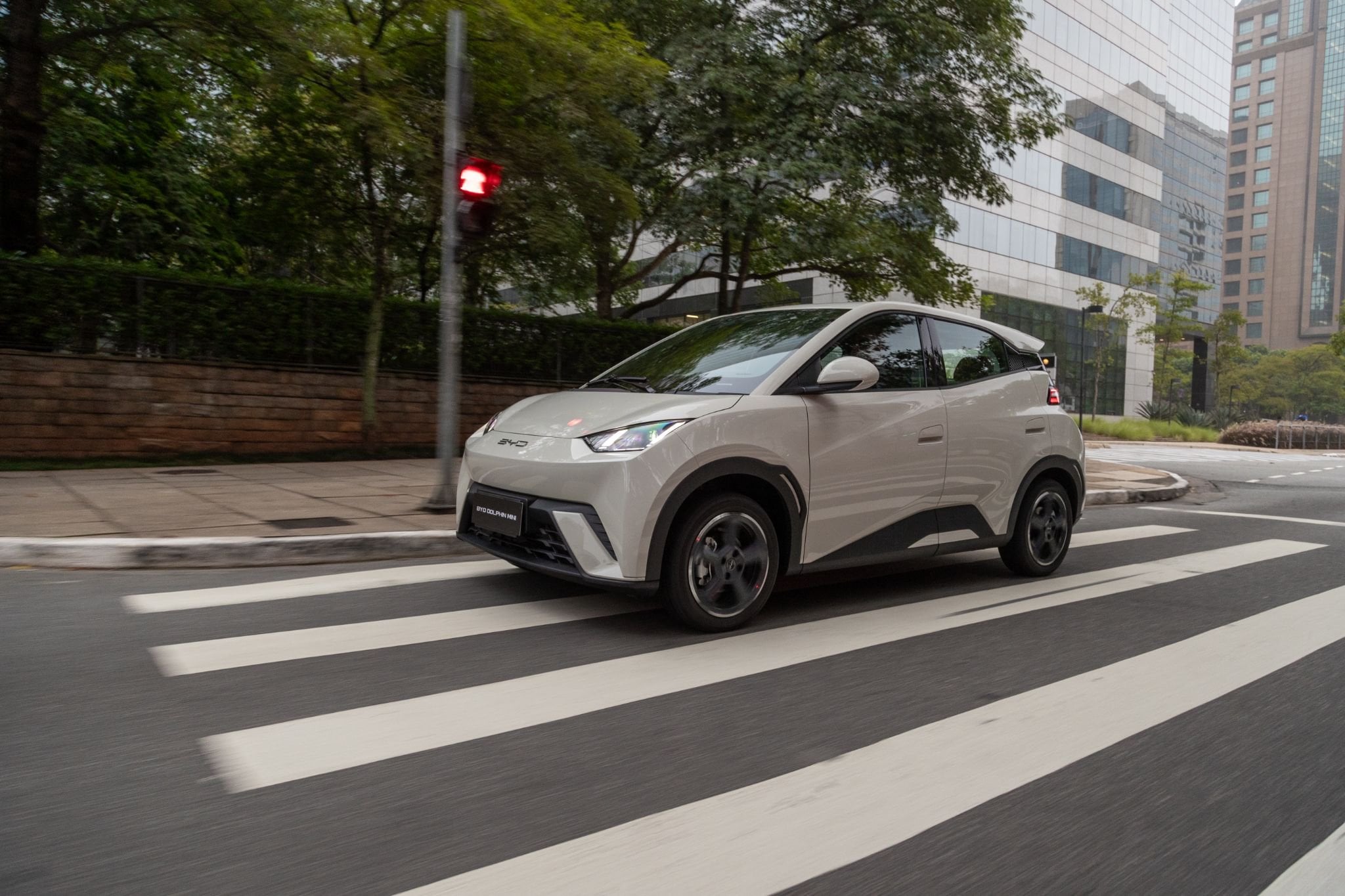
Urban environment is ideal for the electric car, especially when traveling at low speed and decelerations help to regenerate charge (Photo: BYD | Disclosure)
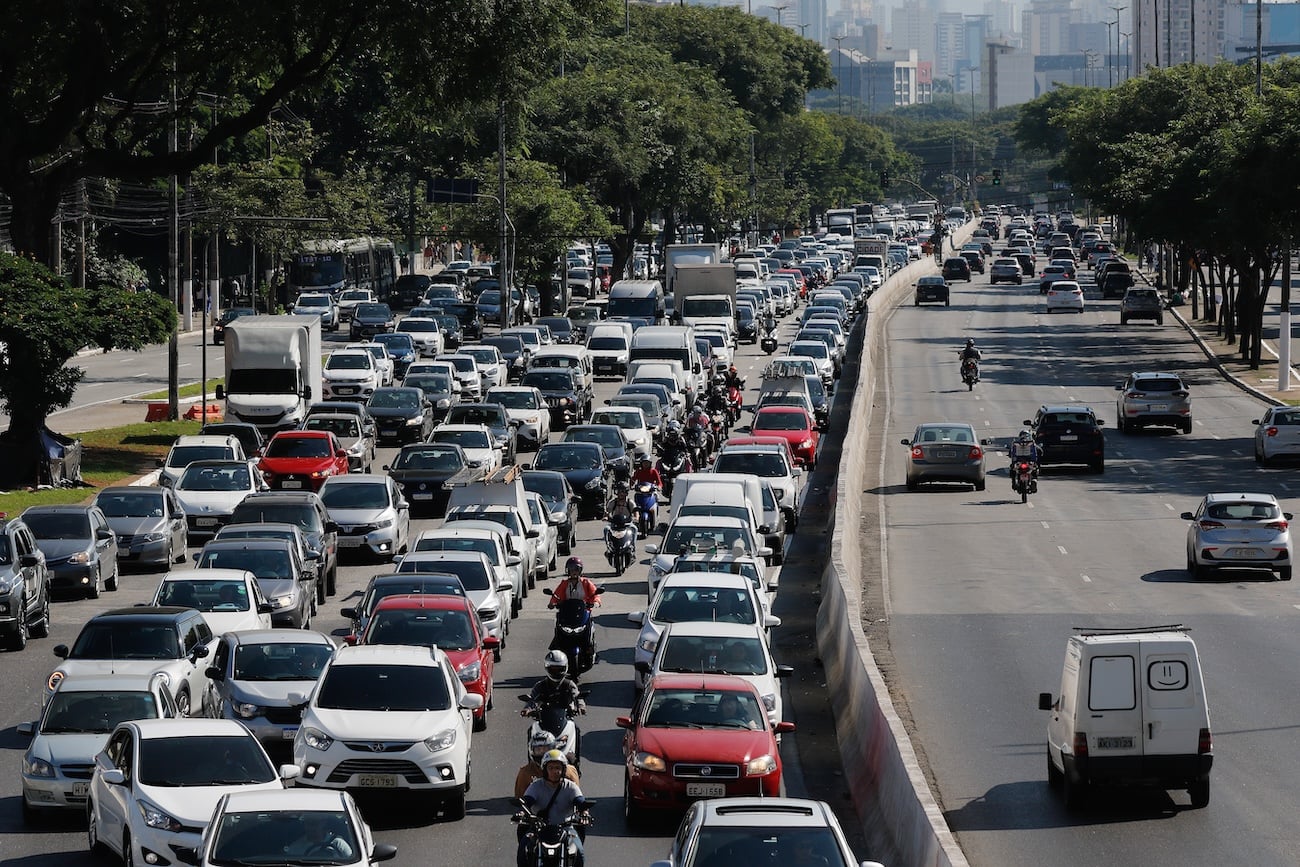
The electric car has an important advantage in intense urban use. In traffic jams, the electric motor does not need to remain working in the same way as a combustion engine. In addition, the energy recovery in deceleration and braking helps to take advantage of some of the energy that would be lost in a conventional car.
This scenario is especially interesting for those who face heavy traffic, traffic lights and short trips on a daily basis. It is precisely the type of use considered severe for combustion engines, which involves more operating cycles, starts and periods of low speed. In electric, the simplicity of the powertrain reduces the number of components subjected to this type of wear. In other words, traffic jams are good for electric and very bad for the combustion engine.
2. Electric car if there is ease to install charger at home
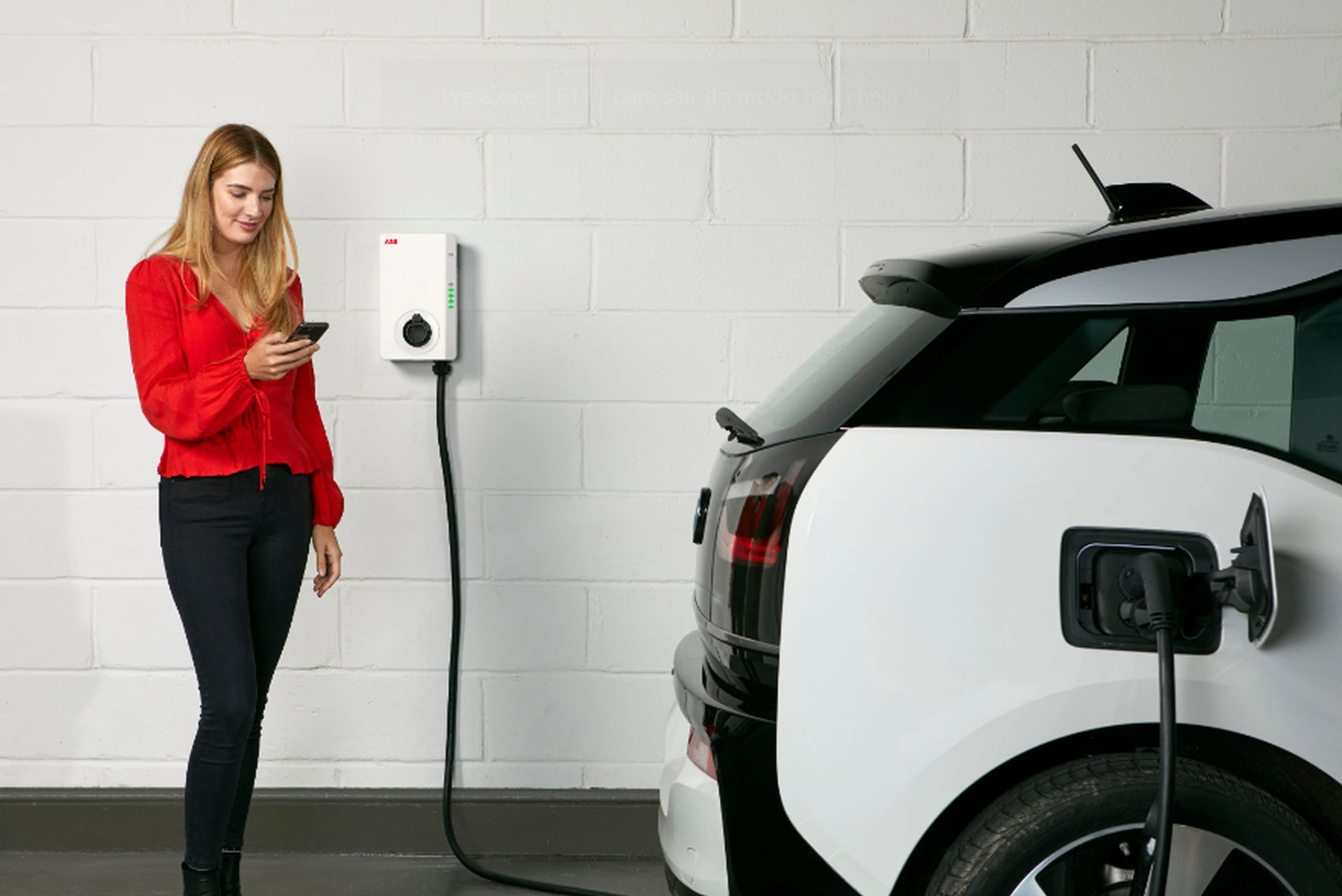
Recharging the car at home is the best of all worlds for those who have an electric car (Photo: ABB | Disclosure)
The possibility of charging the car overnight is one of the main factors that turn electric into an economical alternative. The initial investment to install a residential wallbox varies according to the electrical infrastructure of the property and can be in the range of a few thousand reais.
In São Paulo, considering an electric car with consumption of 15 kWh/100 km and a reference residential tariff of approximately R$ 0.85 per kWh, the energy cost is close to R$ 12.75 per 100 km, or R$ 0.13 per kilometer.
For comparison, a car that does 12 km/l with gasoline at R$ 6.34 per liter costs approximately R$ 52.83 per 100 km. With ethanol at R$ 3.69 per liter and consumption of 8.5 km/l, the cost is around R$ 43.41 per 100 km.
The values are references and vary according to the vehicle’s consumption, energy tariff, fuel price and traffic conditions. Still, the difference shows why the electric car gains an advantage for those who drive many kilometers and can do most of the recharging at home.
If it is not possible to install a charger at home, large urban centers, such as the capital of São Paulo, have charging points, with values in which the kilowatt costs up to R$ 2. Even so, it is cheaper than asking the gas station attendant to fill up.
3. When maintenance weighs on the budget
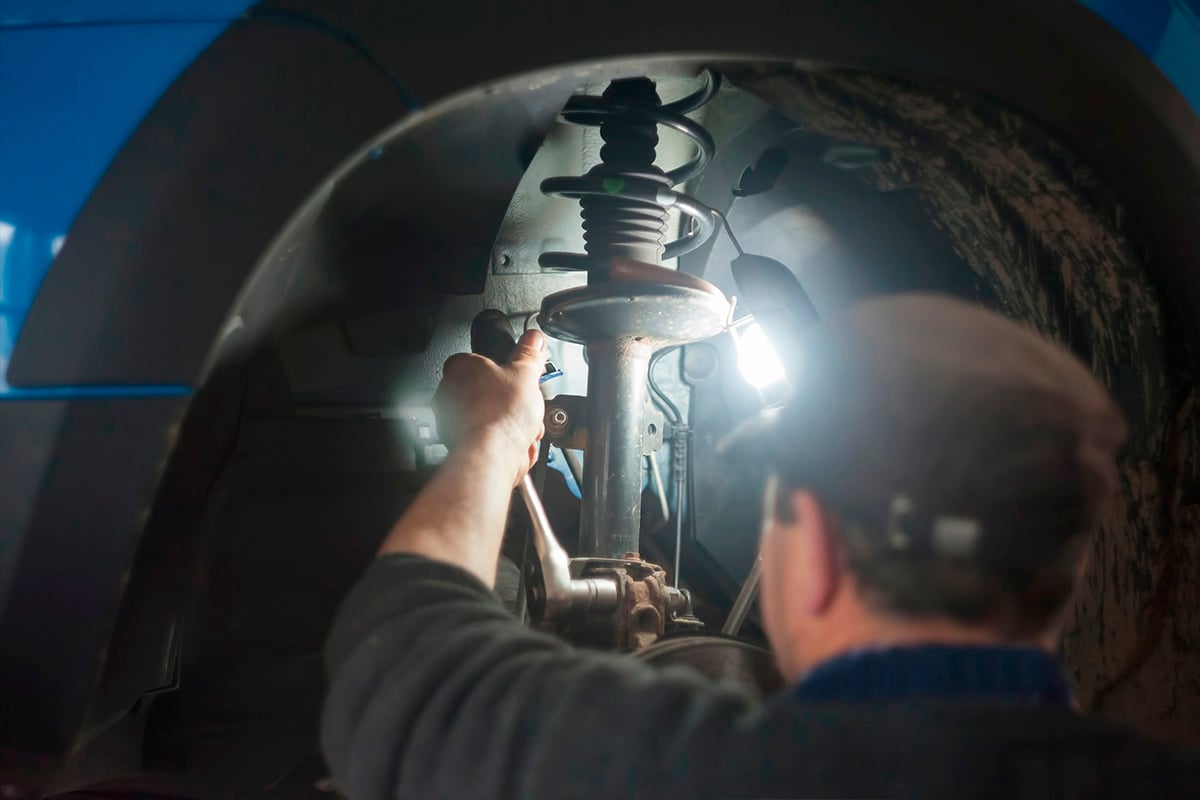
Electric cars have fewer wear items than combustion cars (Photo: Shutterstock)
The electric motor has fewer mechanical components that are subject to wear. There is no engine oil, spark plugs, belts associated with the engine, exhaust system, clutch or a conventional transmission with several gears. Regenerative braking also reduces the work of conventional brakes, contributing to greater durability of pads and discs.
This does not mean non-existent maintenance. Tires, suspension, brakes, cabin filters and electronic components are still subject to wear. It also has coolants that must be replaced according to the owner’s manual. In periodic revisions, however, the electrical assembly tends to require fewer operations than a car powered exclusively by a combustion engine.
4. Electric car for those who circulate daily in cities with rotation
The city of São Paulo has the largest circulating fleet in the country and imposes rotation to handle traffic at peak hours (Photo: Fernando Frazão/Agência Brasil)
For those who live or work in the capital of São Paulo (the only city with rotation of circulation), there is also a benefit that does not appear on the price tag: the electric car is among the vehicles that can circulate even during restricted hours, according to the end of the plate.
São Paulo legislation provides for exemption from rotation for vehicles powered by electric propulsion, hydrogen or certain hybrid systems. In practice, this can save time and facilitate the routine of those who depend on the car every day.
A driver who would have to leave the car at home on a certain day of the week can continue to use the electric car, including during rotation restriction times.
5. When the state offers IPVA
exemption or discountMost states offer some type of tax benefit for electric or hybrid cars (Photo: AutoPapo Archive)
The last factor is tax and can change the bill a lot depending on where the vehicle is registered. In 2026, 17 states and the Federal District offer some type of benefit for electric or hybrid vehicles, but the rules are different from each other.
For 100% electric vehicles, there is a total exemption in some places, while others adopt a price limit, exemption only in the first year or a reduced rate.
Among the states with some type of benefit for electric vehicles are
Acre (AC) — total exemption from IPVA for electric vehicles.
Alagoas (AL) — exemption in the first year for new electric vehicles. From the following years, there is an IPVA charge.
Amapá (AP) — exemption for electric vehicles, according to current state rules.
Bahia (BA) — total exemption for 100% electric vehicles with a value of up to R$ 300 thousand.
Ceará (CE) — there is no full exemption. Electric vehicles have a reduced rate to 2%.
Federal District (DF) — 100% exemption for electric vehicles, according to local conditions.
Maranhão (MA) — total exemption for 100% electric vehicles, subject to state rules, including acquisition at a dealership located in the state.
Mato Grosso do Sul (MS) — exemption in the first year for new electric vehicles. In the following years, there is a 70% discount on the IPVA.
Minas Gerais (MG) — exemption for new electric vehicles produced in Minas Gerais.
Pará (PA) — total exemption for electric vehicles with a value of up to R$ 150 thousand.
Paraíba (PB) — total exemption for 100% electric vehicles.
Pernambuco (PE) — total exemption for 100% electric vehicles.
Piauí (PI) — there is no full exemption. Electric vehicles pay a rate of 1%.
Rio de Janeiro (RJ) — there is no full exemption. Electric vehicles pay a reduced rate of 0.5%.
Rio Grande do Norte (RN) — total exemption for 100% electric vehicles.
Rio Grande do Sul (RS) — total exemption for 100% electric vehicles.
São Paulo (SP) — there is no state IPVA benefit for 100% electric cars. The state exemption is directed to certain hybrid vehicles.
Tocantins (TO) — 100% exemption on the first IPVA for electric and hybrid cars purchased under the conditions established by the state.
Thus, the electric car tends to make more financial sense when it meets at least two conditions: it runs a lot in the city and can be charged at home. In states that offer full exemption from IPVA, the account is even more favorable. But before closing the deal, the consumer still needs to consider the purchase price, insurance, depreciation and the cost of installing the charger. And of course, an unlikely, but not rare, damage to the battery.
Comments are the sole responsibility of their authors and do not represent the opinion of this site. Comments containing profanity or offensive language will not be published. If you identify anything that violates the terms of use, please report it.


 exemption or discount
