


The fate of electric cars: the hidden challenge of battery recycling
With the growth of electrified cars, the automotive sector faces an urgent logistical challenge: the absence of a structure for the disposal of batteries
By
João Paulo Profeta
Published on 2026-08-28 at 06:00 PM
Published on 2026-08-28 at 06:00 PM
Be the first to comment.
Summarize with:
The accelerated advance of electrification in the automotive sector comes up against a major logistical and structural obstacle, the absence of an adequate infrastructure to collect, transport and process the future mass of batteries that will lose function when they reach the end of their useful life.
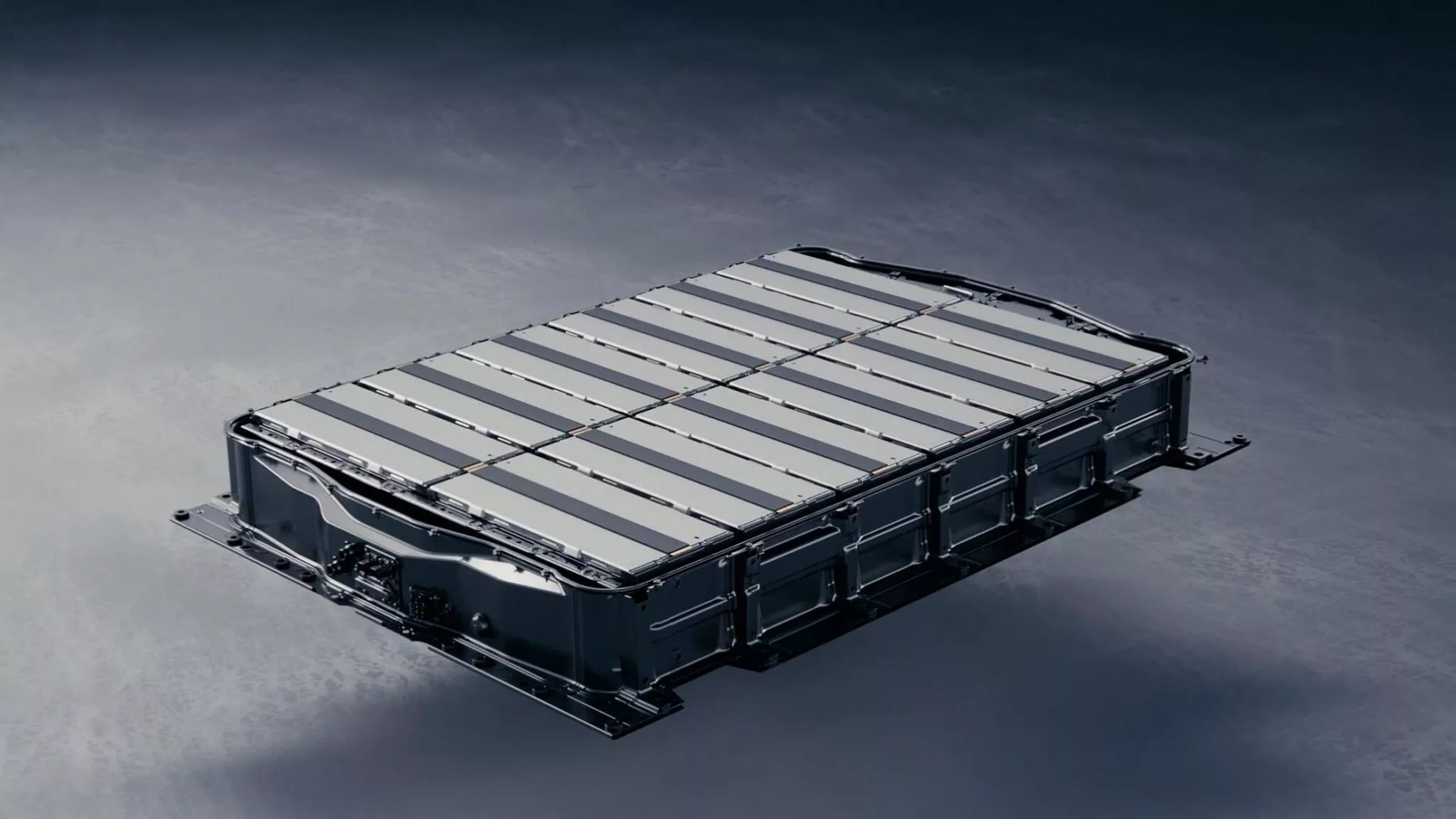
While the global industry focuses intensely on the mass production of new vehicles, the management of accumulated waste faces very complex technological and operational barriers. The predominant batteries in the current market are divided between nickel-manganese-cobalt (NMC) and lithium iron phosphate (LFP) chemistries. While the former attract recyclers due to the high commercial value of their noble minerals, LFP batteries offer a lower financial return on disassembly, a challenge aggravated by recent construction innovations, such as blade-type structural architectures, which deeply complicate the physical handling of parts in factories.
In addition to the intrinsic chemical complexity, the transport of these units represents a serious practical obstacle for the sector. Formally classified as hazardous materials due to their high weight and severe risk of thermal runaway, they require specific steel containers, highly specialized logistics, and insurance policies with very high values. In the current scenario, the operating costs to collect degraded blocks at resellers and send them to processing centers often exceed the economic value of the recovered materials themselves.
What to do with batteries?
To mitigate part of this impact before terminal recycling, units that lose dynamic efficiency find a second use in stationary energy storage systems for electricity grids and power plants. When wear and tear makes reuse totally unfeasible, the industrial process subjects the components to total fragmentation, generating a “black mass” from which advanced chemical methods can extract essential elements with high efficiency, returning them directly to the production chain amid increasingly strict and inspected international regulatory requirements.
This scenario goes back to common problems about the overproduction of mobility solutions. At the beginning of the 20th century, large urban centers suffered from excess horse waste. The combustion car exchanged manure for high levels of carbon dioxide in the atmosphere, the next problem will be battery remains.
SEE MORE ABOUT

0 Comments
Comments are the sole responsibility of their authors and do not represent the opinion of this site. Comments containing profanity or offensive language will not be published. If you identify anything that violates the terms of use, please report it.