Research led by Castrol in the UK investigated what happens in the brain and body when driving is no longer just a chore and becomes an exciting experience. The study concluded that the feeling of pleasure when driving is related to the combination of: concentration, control and excitement of the situation.
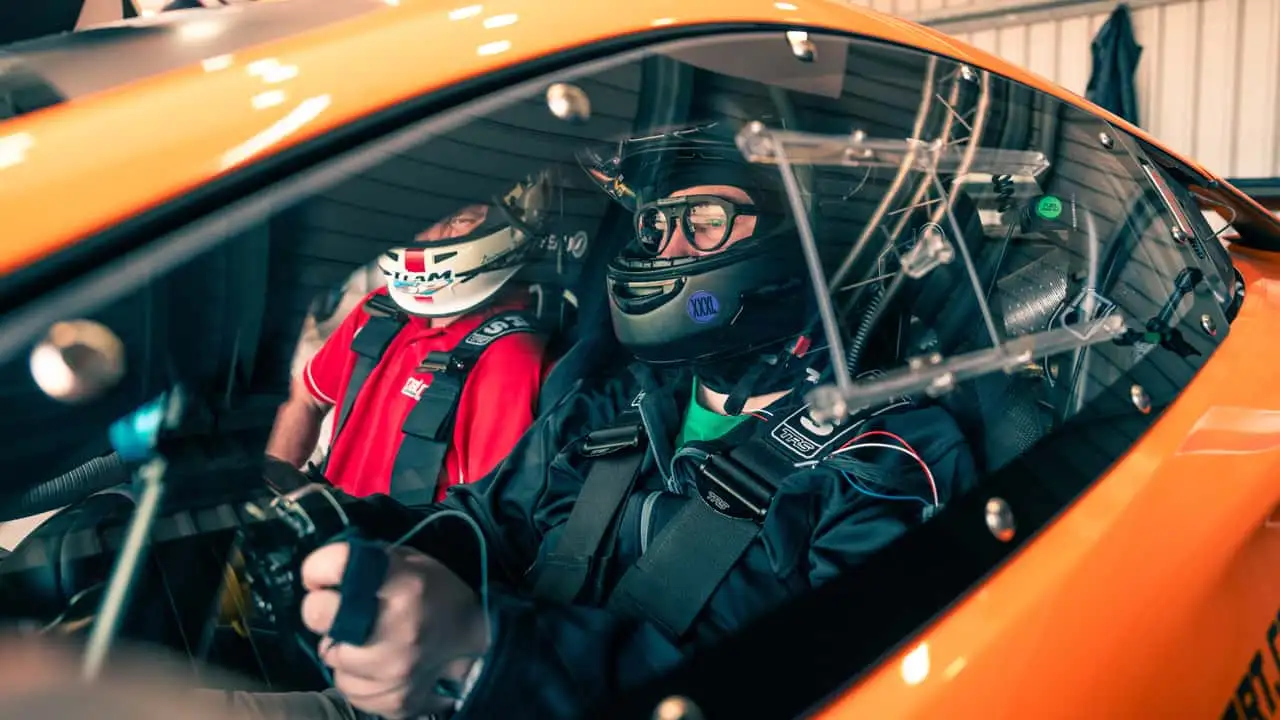
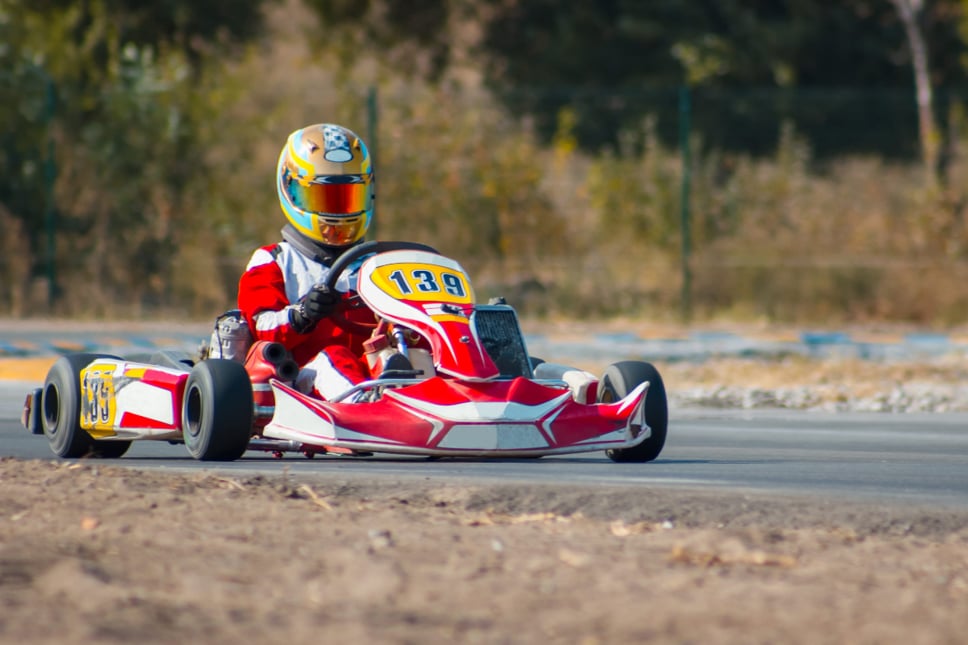
Conducted by neuroscience company Brainbox, the study followed participants in five different driving situations, all at PalmerSport facilities in Bedfordshire, England. The volunteers drove or were driven in a Land Rover Defender, go-karts, a McLaren Artura GT4 and a JPLM race car.
Photo: Castrol | Disclosure
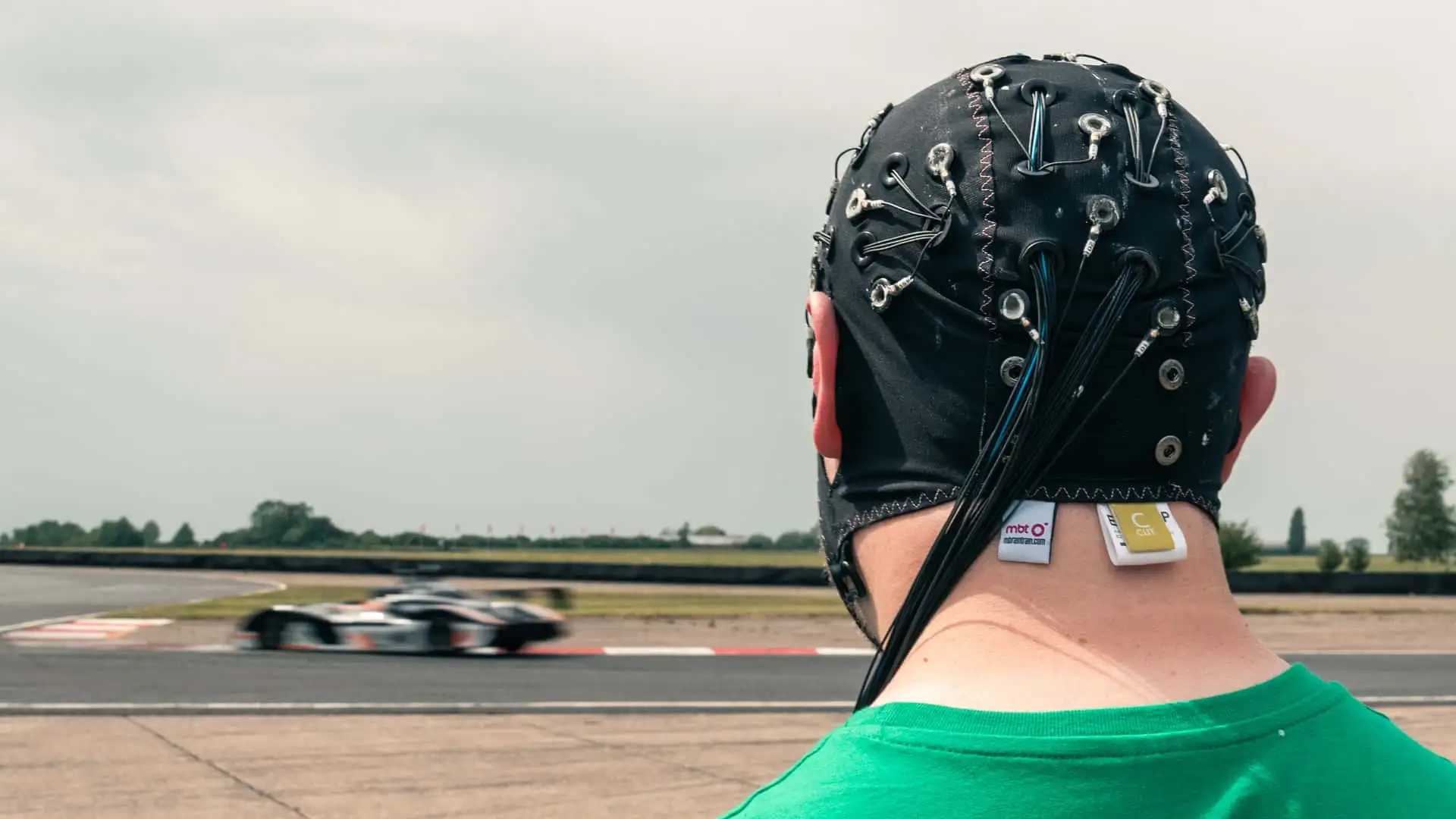
During the tests, the researchers monitored brain activity by electroencephalography (EEG), heart rate, galvanic skin response, and eye movements. The data collected made the study differentiate a situation of high arousal and pleasure from one marked by fear or anxiety.
According to the analysis, driving emotion arises when three factors reach high levels and remain under control: physical and mental stimulation, cognitive involvement with the task, and the emotional balance between excitement and fear. When one of these elements exceeds the limit that the driver can manage, the experience can stop being pleasurable and turn into stress.
In the test carried out with the McLaren Artura GT4, despite the high speed, the participants showed the highest levels of concentration and feeling of control. The data indicated a state of “flow”, in which the driver remains fully immersed in the task and operates close to the limit of his capabilities.
While driving the McLaren, the participants kept their gaze focused on the trajectory and blinked, on average, only 2.5 times per minute, versus about 15 to 20 blinks in a resting situation. Brain activity also indicated strong concentration, with increased theta waves associated with deep focus, accompanied by alpha activity related to alertness.
Photo: Castrol | Disclosure
The karts showed similar results, despite the lower speeds. This reinforces the conclusion that speed, in isolation, is not decisive for the feeling of emotion.
The difference became even more evident when the participants stopped driving and became passengers in a JPLM race car driven by a professional. Despite the high speeds and high physical activation, the indicators pointed to an experience closer to fear than to pleasurable emotion.
In this scenario, the participants showed more erratic eye movements and blinked about 40 times per minute, while they recorded approximately 190 different eye fixations during the curves. In the brain, there was an increase in beta waves, associated with stress and anxiety, accompanied by a reduction in theta and alpha waves observed during concentration and control situations.
Photo: Castrol | Disclosure
The test also showed that an elevated heart rate is not enough to determine whether an experience is pleasurable or frightening. Both emotion and fear can increase physiological activation, but the other indicators help identify whether the driver is focused and in control or overwhelmed by the situation.
Off-road driving reinforced this conclusion. Even at average speeds of just 8 km/h, the test provided relevant levels of excitement by combining technical challenges, concentration and vehicle control.
For Dan Phillips, co-founder and director of Brainbox, the thrill of driving results from the convergence of different physiological responses, especially concentration and the feeling of control of the vehicle. So scientifically, Lightning McQueen from the movie Cars was right to say that he is speed.
Comments are the sole responsibility of their authors and do not represent the opinion of this site. Comments containing profanity or offensive language will not be published. If you identify anything that violates the terms of use, please report it.