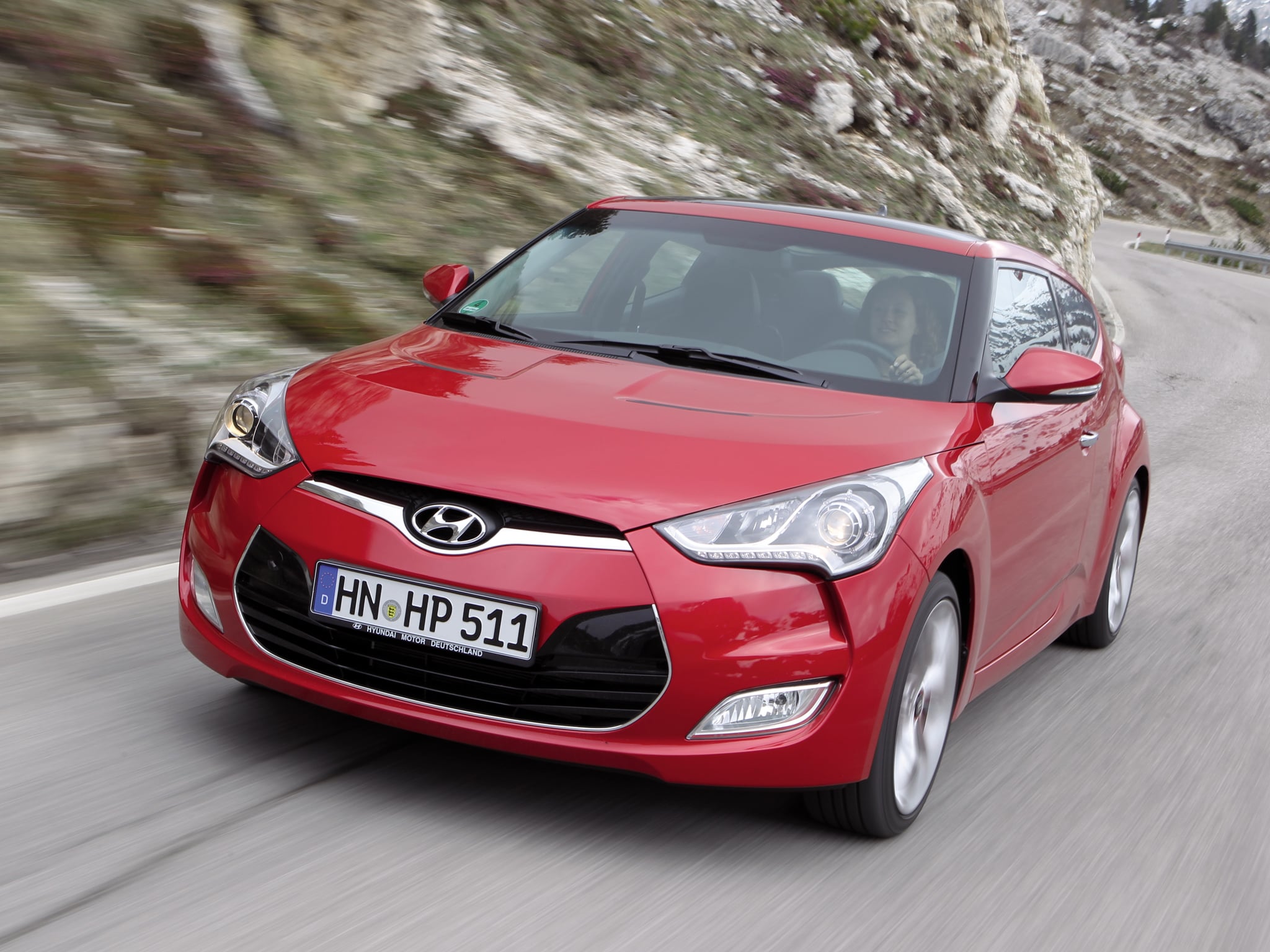
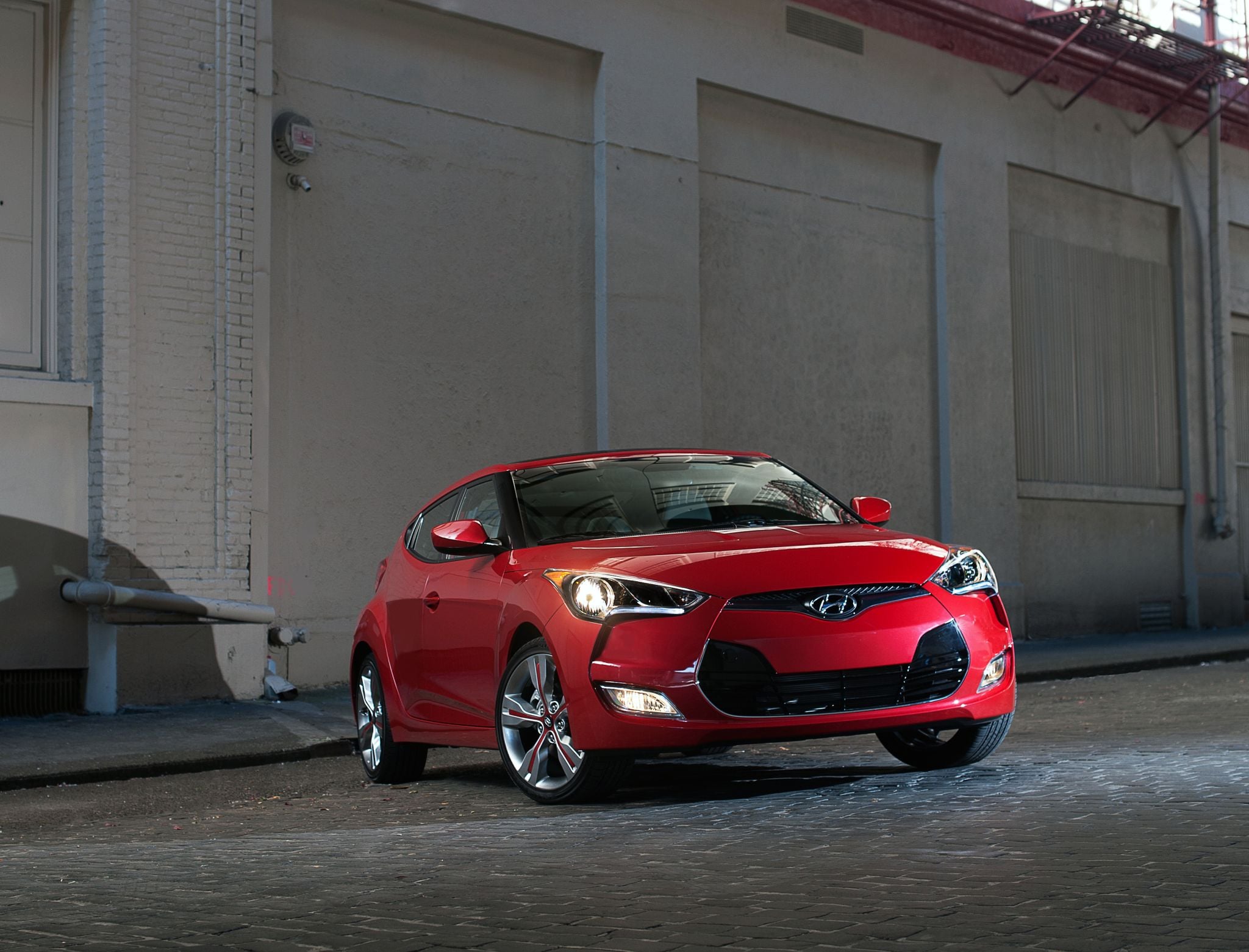
The launch of the Hyundai Veloster, in the second half of 2011, caused a huge impact on the Brazilian market. Its bold and futuristic lines immediately drew attention, especially among sports car admirers. At a time when few models had such a different design, the Korean brand’s coupe quickly became an object of desire and aroused the curiosity of consumers and the specialized press.
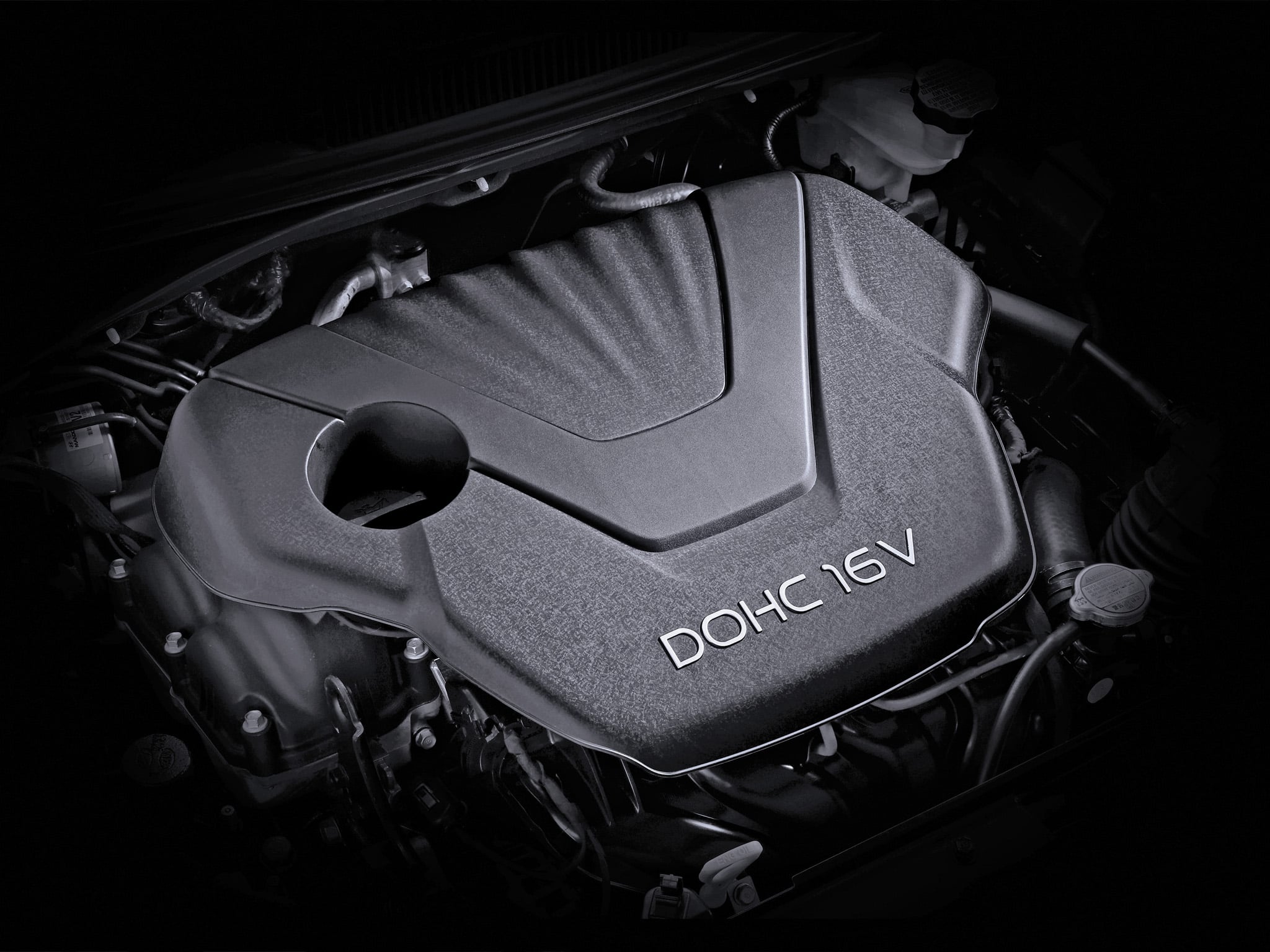
Behind all that excitement, however, there was a controversy that would end up marking the trajectory of the model in Brazil: Caoa, then responsible for importing Hyundai vehicles, widely publicized that the Veloster was equipped with a 1.6 engine with 140 hp. The problem is that this power corresponded to the version equipped with direct fuel injection (GDI), sold in some international markets. The vehicles imported to Brazil used another mechanical set: a 1.6 engine with indirect injection, which delivered 128 hp and about 16 mkgf of torque.
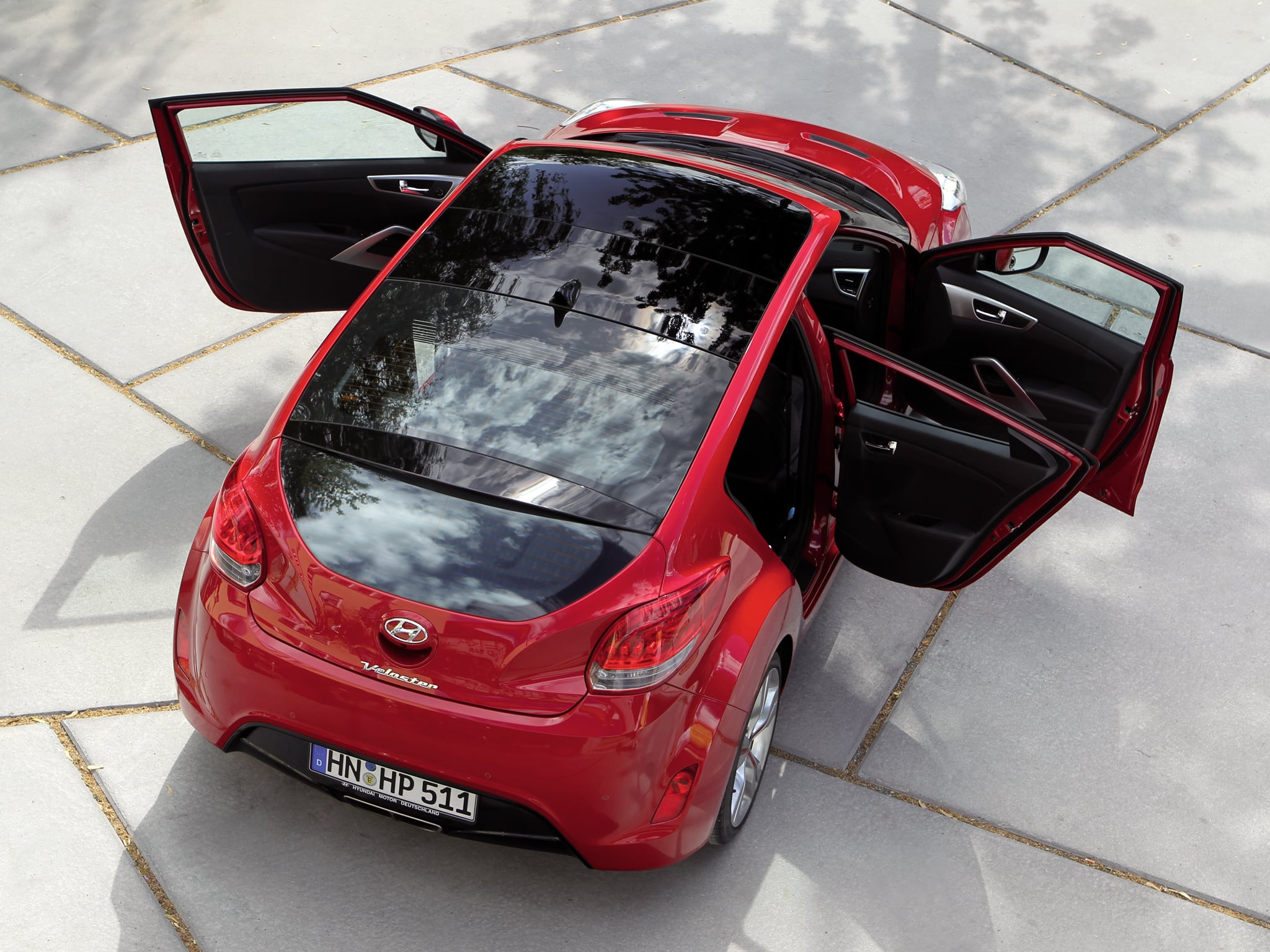
Veloster had two doors on the passenger side that reversed in English markets (Photo: Hyundai | Disclosure)
In practice, the difference was not just numerical. The engine sold in the Basil had maximum torque at higher revs, above 4,500 rpm, a characteristic that made the car seem less willing in everyday accelerations. For a vehicle with such a sporty appearance, the performance ended up disappointing many buyers. Imagine the situation of the consumer who believed he was buying a 140 hp car and later discovered that the engine delivered had different specifications from those initially disclosed. It didn’t take long for questions and complaints to arise.
Even so, the beginning of the Veloster’s commercial trajectory was very positive. The design drew attention wherever it went and there were queues at dealerships. The price also followed the enthusiasm of the market. Initially launched for around R$ 72 thousand, the model was sold for approximately R$ 84 thousand a few months later, driven by high demand. Throughout 2012, however, the situation began to change.
Unusual styling was one of the trademarks of the South Korean coupe (Photo: Hyundai | Disclosure)
Consumers and specialized vehicles began to question the divergence between the power disclosed and that actually delivered by the car sold in Brazil. The subject gained repercussion in the automotive press and ended up generating formal complaints from owners, in addition to lawsuits filed by consumers who felt harmed. From that moment on, the image of the Veloster began to wear out quickly.
Veloster was lame even in sales
Not even the bold look could sustain the initial enthusiasm. The model had very interesting features, such as the three-door configuration, with only one door on the driver’s side and two on the right side, an unusual solution that helped reinforce its personality. But the public’s confidence had already been affected.
Over time, the Veloster ended up becoming the butt of jokes. Then came the nickname “Lentoster”, a reference to the performance considered modest for a car with such a sporty appearance. In measurements at the time, the model accelerated from 0 to 100 km/h in about 12.5 seconds, a performance similar to that of several national compacts equipped with smaller displacement engines.
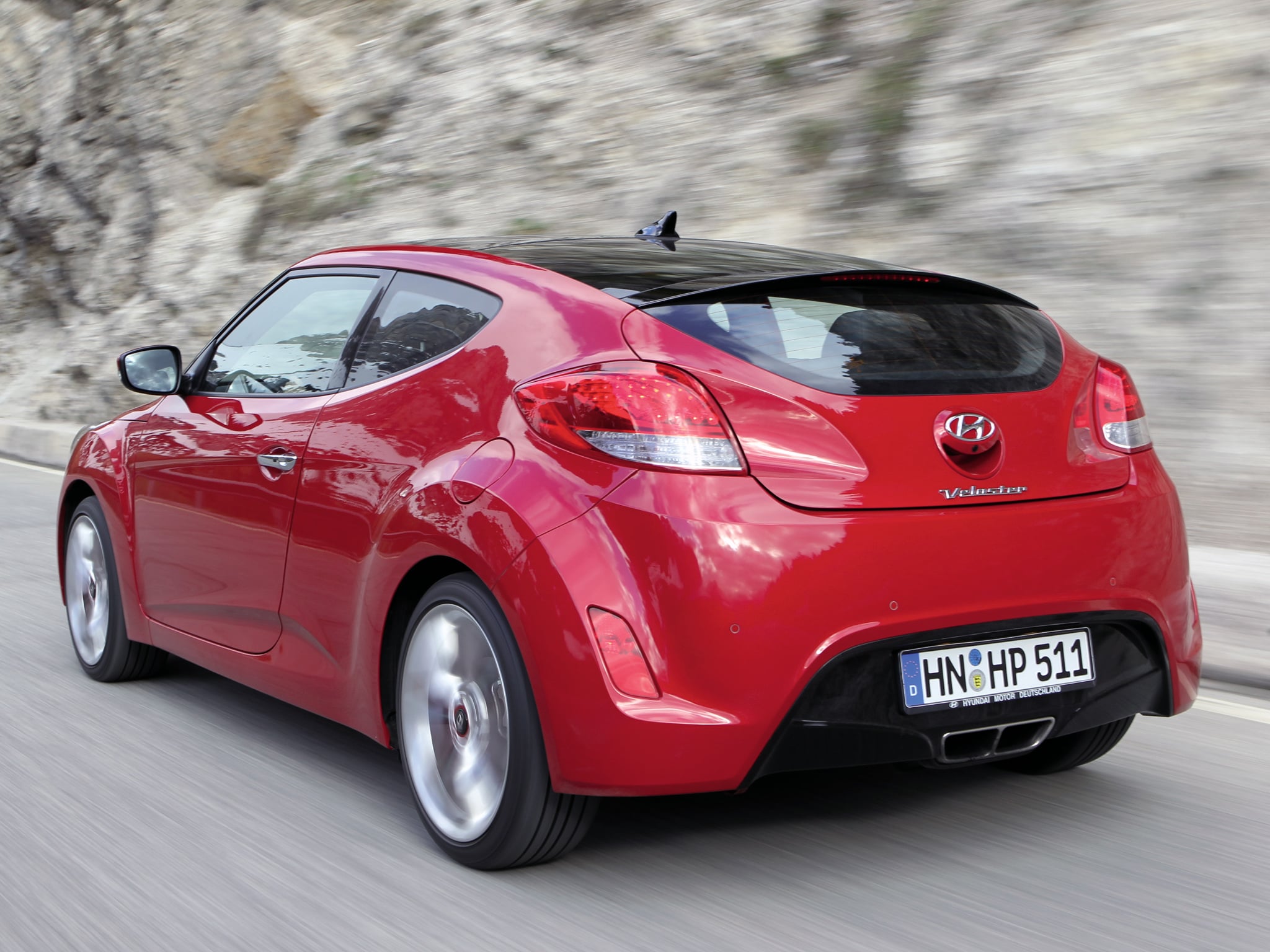
Delay to gain speed was the opposite of what its name suggested (Photo: Hyundai | Disclosure)
For many consumers, disappointment was inevitable. The expectation created by the aggressive look did not find correspondence in the behavior of the car behind the wheel. At the beginning of 2013, sales had already dropped significantly and the controversy involving the announced power continued to reverberate. Faced with this scenario, the importer chose to end the sale of the model in Brazil after the sale of the remaining units in stock.
Even so, it is estimated that about 13 thousand units were sold between the second half of 2011 and the first half of 2013. A considerable number for a niche car, but far below the potential that the project seemed to have when it was presented to the market.
Veloster turbo never arrived in Brazil
The most curious thing is that the Veloster had evident qualities. The design was striking, different from everything that existed at the time, and in other markets it even received turbo versions with about 180 hp, a configuration that would probably have found better harmony with the sporty image that the model conveyed.
1.6 engine of 128 hp was the same used in the HB20, but insufficient for the expectations of Veloster owners (Photo: Hyundai | Disclosure)
In the end, the Veloster ended up becoming a classic example of how poorly managed expectations can compromise a promising product. The car drew attention for its look, aroused enormous initial interest and had the potential to build a more solid trajectory. However, the controversy involving the advertised power and the underwhelming performance ended up eroding its image with the Brazilian consumer and marking its passage through the national market.
Comments are the sole responsibility of their authors and do not represent the opinion of this site. Comments containing profanity or offensive language will not be published. If you identify anything that violates the terms of use, please report it.