I remember as if it were yesterday the launch of the new Fiat Palio in Brazil. But, in reality, this historical fact has already occurred more than 30 years ago. It was in April 1996 that Fiat Automobiles presented the Palio as a replacement for the brave and innovative Fiat Uno, which had already accumulated more than ten years of presence in the Brazilian market.
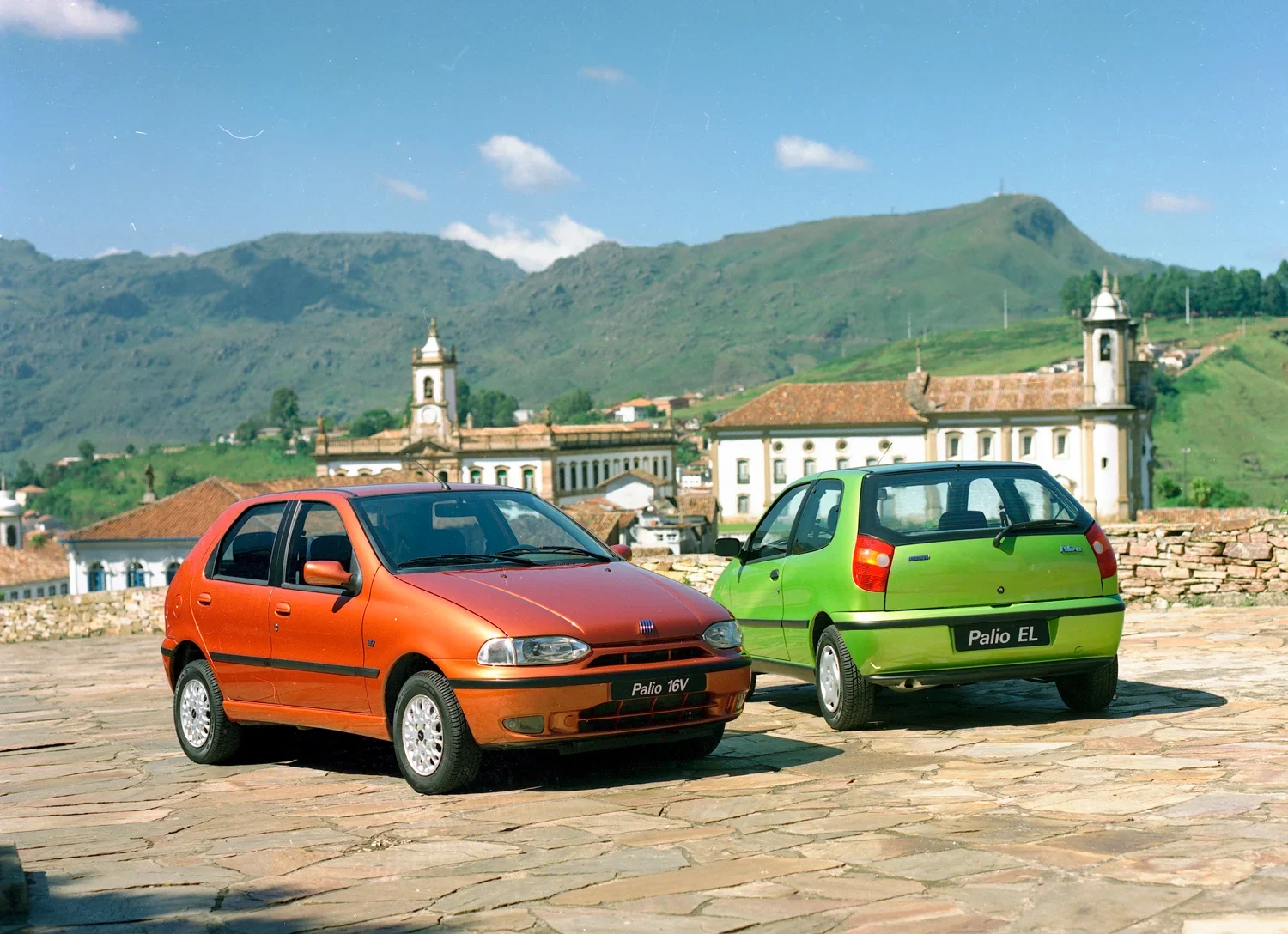
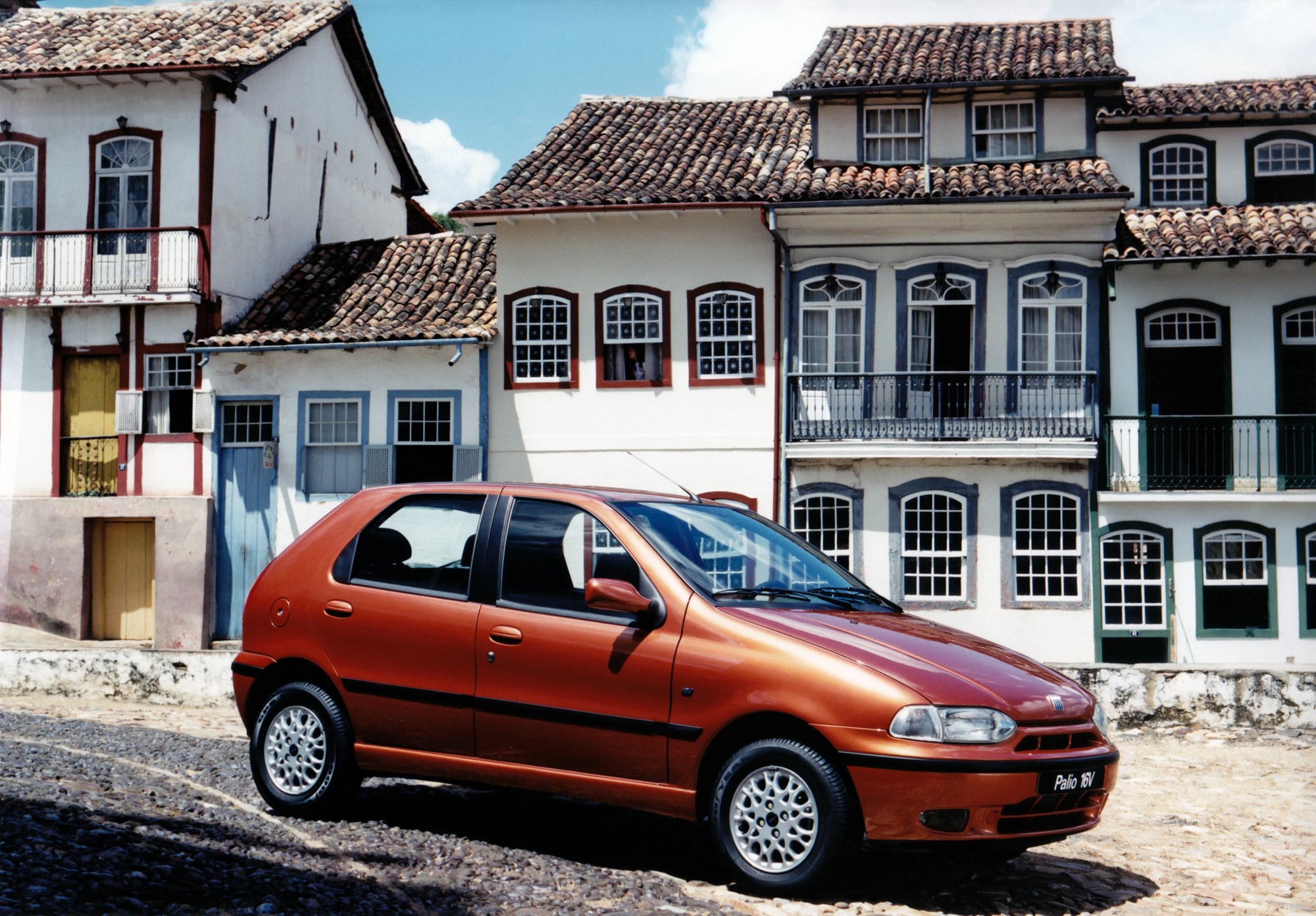
The new Palio was not as innovative and revolutionary as the Uno had been at its launch in 1984. Still, it was a compact that surprised everyone with its attractive and modern lines. Fully rounded in its shapes, it had an organic design that caught the attention of the most attentive observers, especially for its rear.
Style solution caught the attention of designers from competing brands (Photo: Fiat | Disclosure)
At the time of its presentation, a friend who worked in the Volkswagen styling area was delighted with the model’s lines, which had few sharp corners and, above all, a very well resolved rear. The shape of the taillights followed the curved lines of the bodywork, forming a harmonious and graceful set.
As a designer, he imagined the enormous work that Fiat’s stylists had to make the taillights, after being assembled, integrate perfectly with the rounded shapes of the rear steel plates. It was an effort that paid off, as the entire rear looked like a single piece, of which taillights and bumpers were part.
But, of course, the new Palio was not just its rear. In the end, all its lines were harmonious. When we looked at the national market and saw models like Gol, Fiesta and Corsa, it was possible to see that the design of the Palio stood out positively.
Complete
Palio family
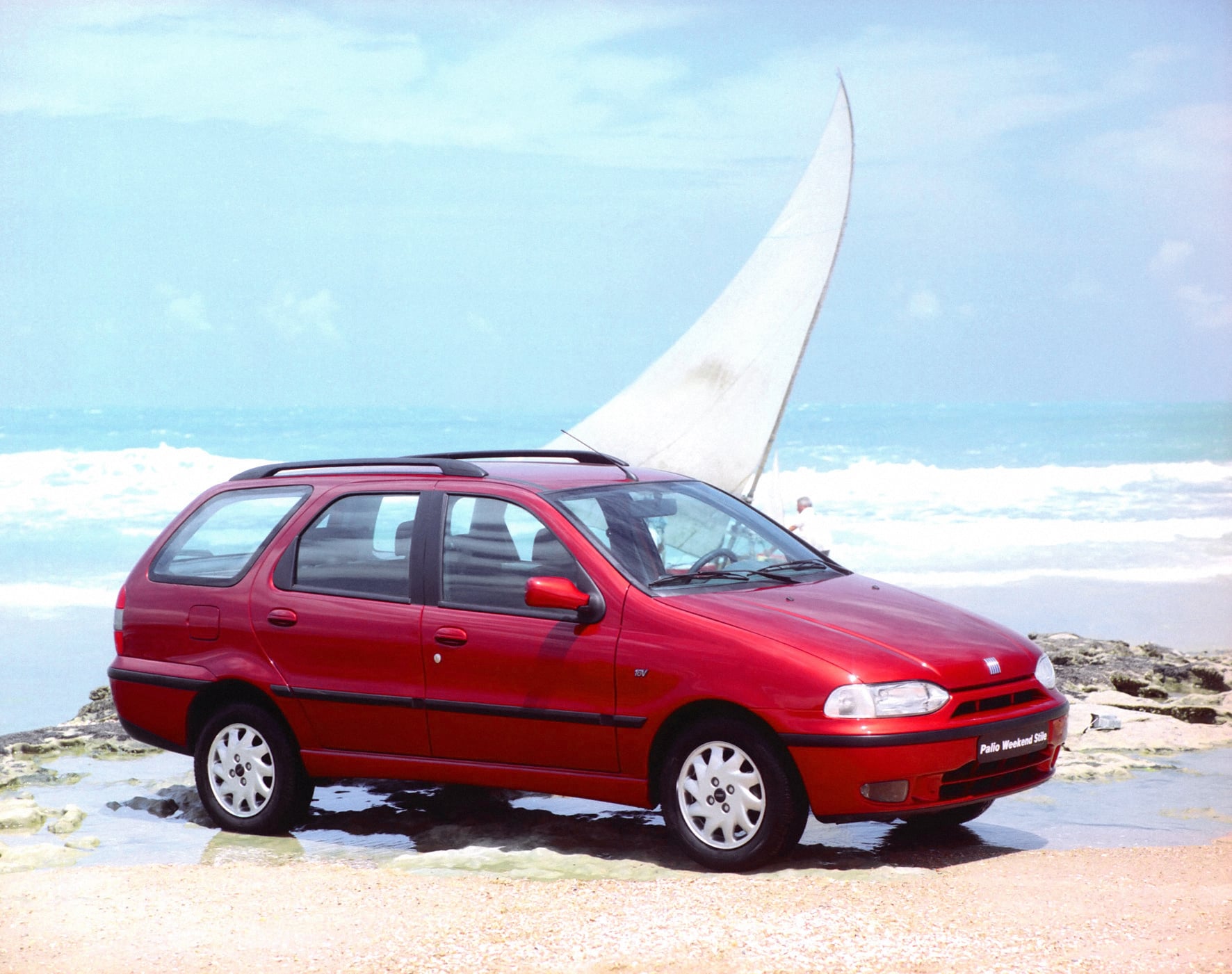
Fiat’s new compact was an immediate success and, the following year, in 1997, the rest of the family arrived: the Palio Weekend station wagon, the Siena sedan and the Strada pickup. All derived from Project 178, developed in Italy, which had as its first product the hatch launched in 1996, in two- and four-door versions.
Palio Weekend was in line until 2020, without ever having changed bodywork
Right at its debut, the Palio arrived with versions for all tastes and budgets. The ED was the basic version, equipped with the 1.0 Fiasa engine. The EDX offered a more sophisticated finish, maintaining the same engine. The EL had an intermediate finish and a 1.5 engine with multipoint injection.
The 1.6 16V Sport sports version, on the other hand, referred, in its finish, to the traditional sports cars of the Italian brand. The Palio hit the market with a variety of versions capable of making the competition envious, which usually offered few options to consumers.
Two generations in the market
The Fiat Palio remained in production from April 1996 to November 2017. It was just over 21 years of manufacture and, in its curriculum, is the feat of having defeated the Volkswagen Gol, which had led the Brazilian market for 27 consecutive years. This happened in 2014, when the Palio took the position of best-selling car in Brazil.
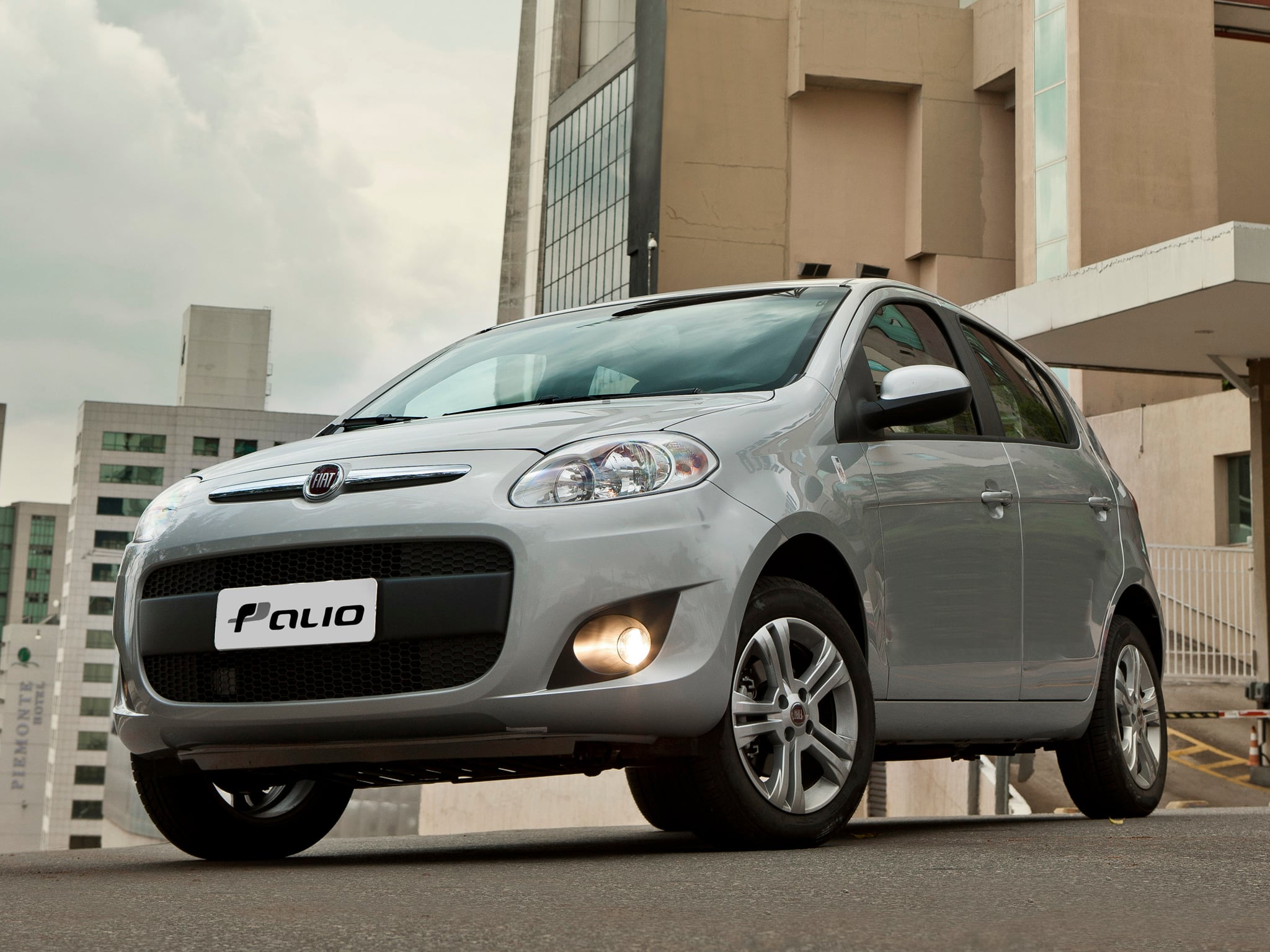
The second generation of the Palio debuted in 2011, with a look more similar to that of its brother Punto, and coexisted with the old bodywork, offered in the Fire and Way version
Throughout its history, the model had two distinct generations: the first, produced from 1996 to 2011, and the second, from 2011 until the end of production, in November 2017. In the second generation, it received a new platform, which improved the interior space, in addition to a completely redesigned body, making the Palio even more attractive to the Brazilian consumer. This evolution helped consolidate the model’s leadership in the domestic market in 2014.
In these 21 years of production and success, the Palio has undergone several evolutions in design, mechanics and even platform and bodywork. There were about 3.2 million units manufactured. Not considering the other members of the family, such as Siena, Weekend and Strada. When added together, these models exceed the mark of 5 million vehicles produced.
This is an undeniable success and a source of pride for Fiat. In 2018, the Palio was replaced by the Argo, but, despite all its modernity, its successor did not achieve anywhere near the same impact as the graceful car presented in 1996. Without a doubt, the Fiat Palio is one of the great milestones of the Brazilian automotive industry.
Comments are the sole responsibility of their authors and do not represent the opinion of this site. Comments containing profanity or offensive language will not be published. If you identify anything that violates the terms of use, please report it.