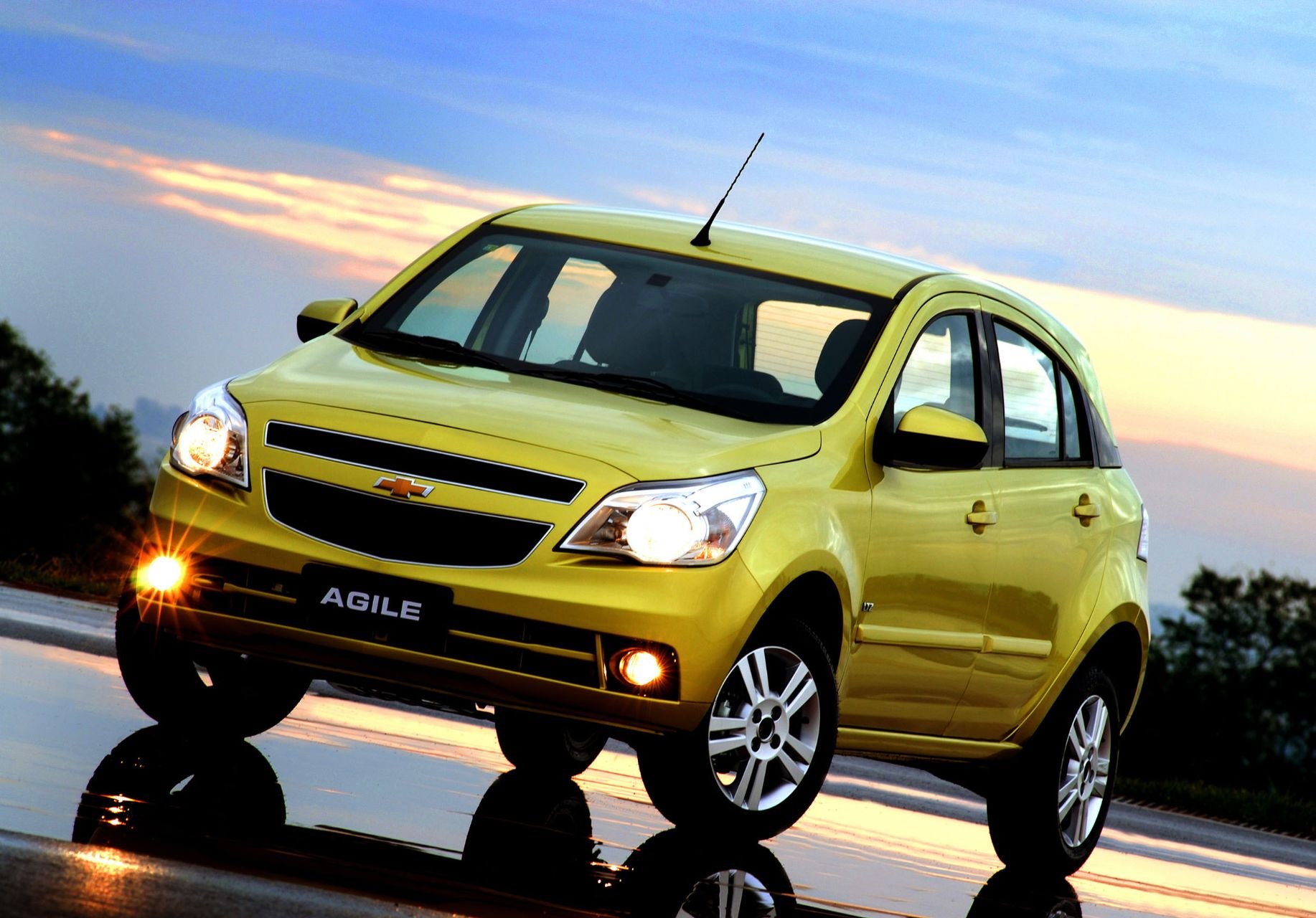
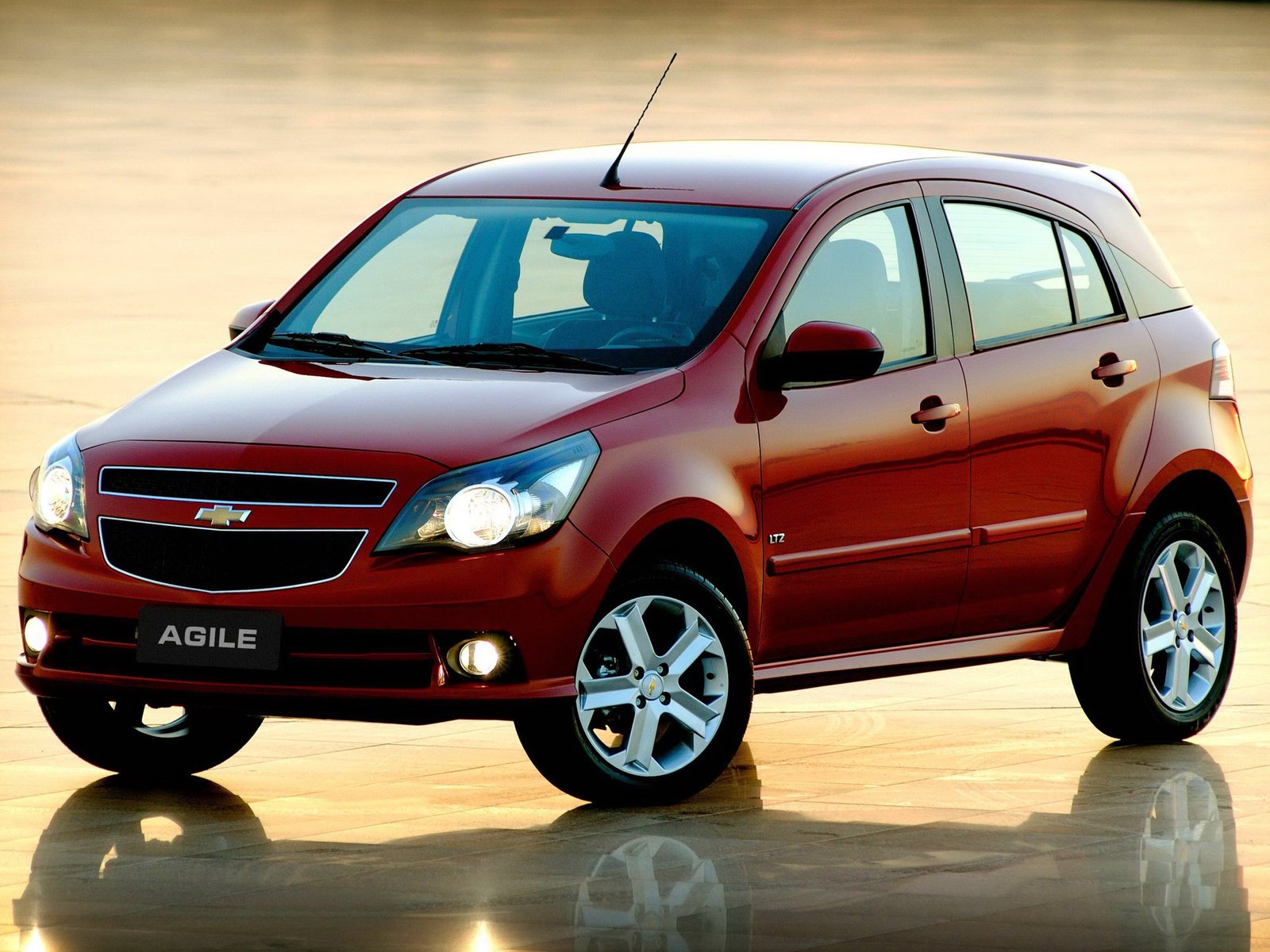
The Chevrolet Agile arrived in the Brazilian market with the mission of facing already consolidated models, such as Volkswagen Fox, Fiat Punto and Renault Sandero. The proposal was ambitious: to win over consumers from competitors by offering more interior space, a good level of finish and a generous trunk for the category, with about 327 liters of capacity.
Some qualities of the project were undeniable. The space available for driver and passengers pleased, as well as the good use of the interior. However, in practice, the dispute proved to be more difficult than Chevrolet imagined.
Manufactured in Argentina, the Agile was equipped only with a 1.4 engine with 102 hp
Launched in 2009, Agile had a very controversial design. Most consumers considered the model disproportionate, mainly due to the large headlights and narrow gauges combined with relatively thin tires. The visual result divided opinions and ended up disfavoring the hatch in the face of rivals that had more harmonious and pleasant lines.
Produced at the Rosario plant in Argentina, the model used the well-known 1.4 Flex Family 1 engine. The engine delivered 102 hp when fueled with ethanol and 98 hp with gasoline. The torque, of approximately 13.5 mkgf with ethanol, guaranteed satisfactory performance in urban traffic and reasonable responses in overtaking.
On the other hand, the veteran Family 1 engine already carried a known problem: high fuel consumption. This feature displeased many owners and generated frequent complaints in the after-sales.
Another point that was heavily criticized was the electronic injection system. Failures involving sensors and the lambda probe caused the injection warning light to turn on frequently on the dashboard. The problem accompanied the model for practically its entire trajectory, from 2009 until the end of its production in 2014.
Agile is a pit of complaints
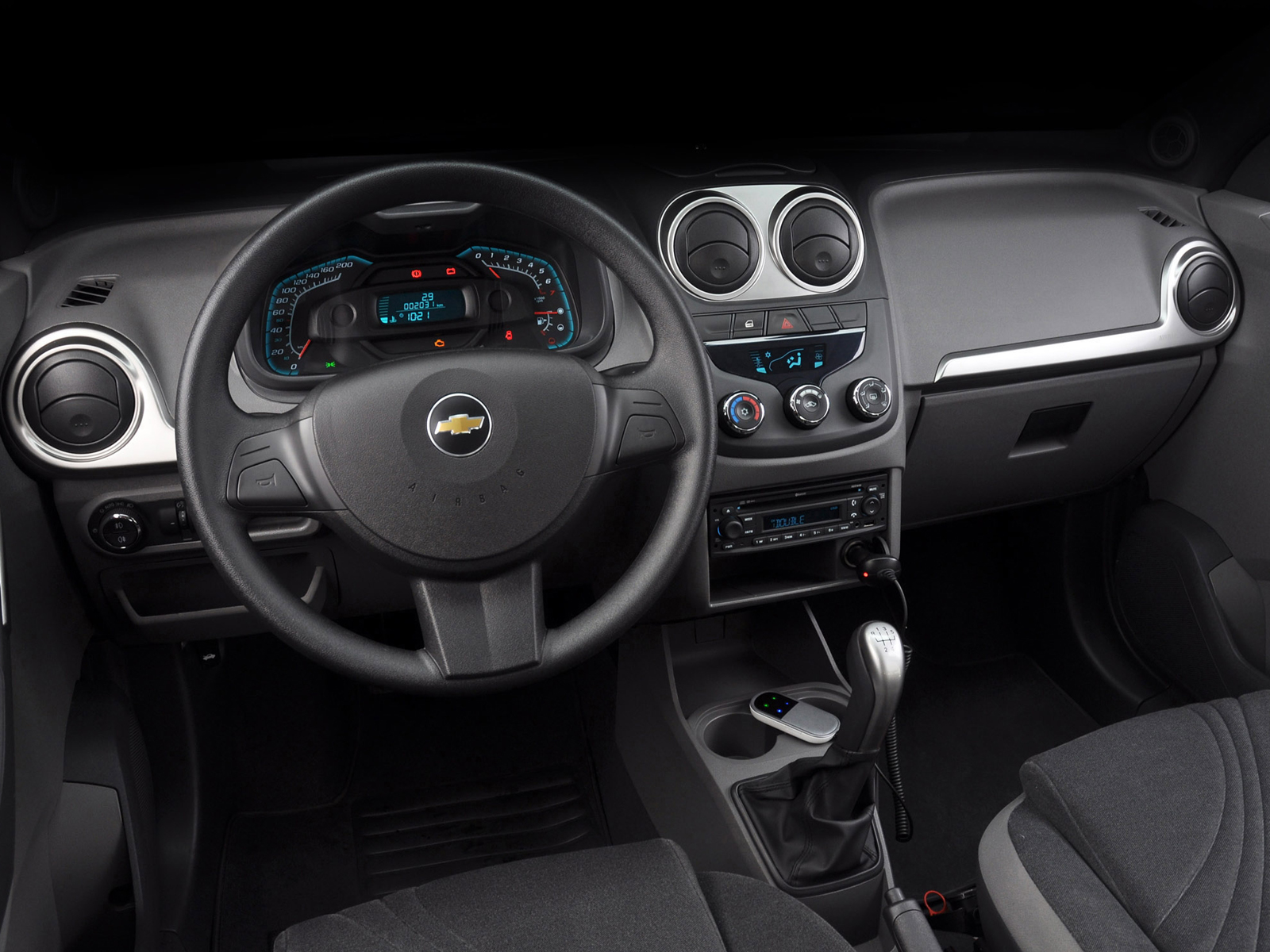
The complaints did not stop there. The excess of plastic parts in the interior finish generated constant noise and, in some cases, even component detachment. Many owners also reported difficulties in gear engagements, which could prove to be inaccurate or require over-the-top effort.
Most of these complaints were related to the trambulator, a mechanism responsible for transmitting the movements of the lever to the gearbox. With the appearance of clearance, the couplings became less precise and compromised the driving experience.
Manual transmission showed accelerated wear and irritated owners
Suspensions were also among the main reasons for complaints. Several owners reported premature noises and accelerated wear of components, especially on uneven floors.
In addition, Agile carried a structure based on an already very old platform. This characteristic was evident in the crash tests carried out in 2013. In Latin NCAP’s assessment, the version without airbags received zero stars in protection for adult occupants.
The technicians responsible for the tests also pointed out structural instabilities in the body during the frontal impact, a situation that could increase the risk of serious injuries to occupants. All these factors contributed to further erode the model’s image before the Brazilian consumer.
Warm sales
Sales, which never got excited, began to lose strength more and more sharply. Not even the good list of standard equipment could reverse the situation.
At the same time, Chevrolet was already preparing its natural successor. Launched in 2012, the Onix gradually began to occupy the space that the Agile intended to conquer. More modern, more visually appealing and better aligned with market expectations, the new hatch quickly took center stage within the brand. Given this scenario, it was easy for Chevrolet to remove the Agile from the line and focus its efforts on the Onix.
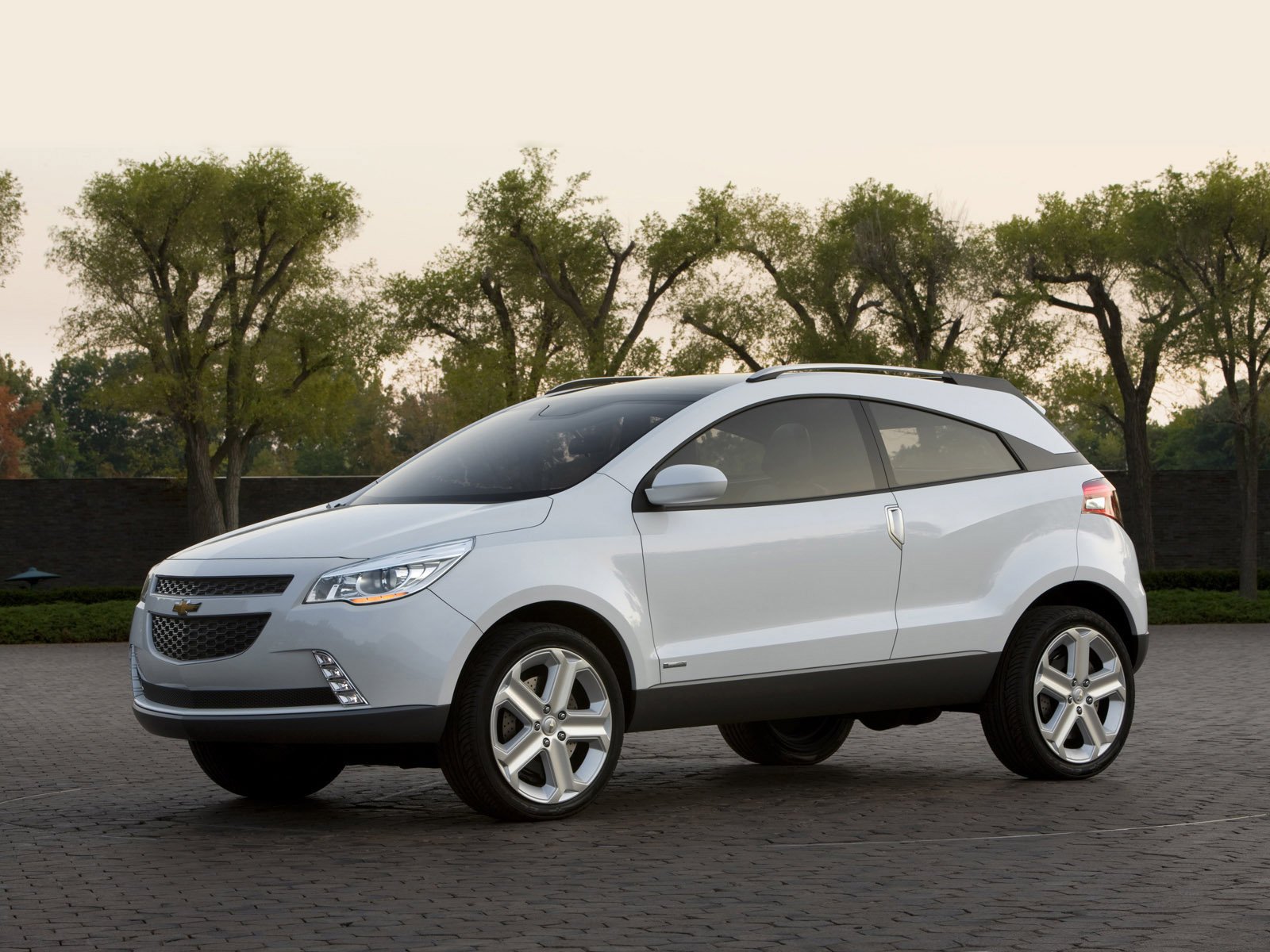
Believe me, Agile was inspired by the GPX concept
The Agile was born with the proposal of being an affordable car, but ended up trying to compete for space in a market range for which its project did not seem fully prepared. Based on a simple platform, equipped with aged mechanics and carrying recurring problems with finishing, consumption and electronics, the model found it difficult to sustain its position in front of competitors.
Hatch was less than what was offered
Perhaps the biggest problem was precisely this misalignment between the original proposal of the car and the segment that Chevrolet wanted to occupy. In 2014, after only five years in the market, Agile said goodbye discreetly.
Its successor, the Onix, would follow a completely different path, becoming one of the greatest commercial successes in the history of the Brazilian automobile industry. Agile, on the other hand, remains one of Chevrolet’s most controversial experiences in our market. Another of the curious stories of the national automobile industry.
Comments are the sole responsibility of their authors and do not represent the opinion of this site. Comments containing profanity or offensive language will not be published. If you identify anything that violates the terms of use, please report it.