Recently, Honda registered another electric motorcycle in the Brazilian market, the UC3, which once again brought up the theme of electrification of the market by the manufacturer. After all, it is the largest motorcycle brand in the world and has several electrified models around the globe, but none on sale here. In addition, Yamaha, its biggest rival, has already had a 100% electric motorcycle in the country for more than a year.
In this scenario of registering a new patent, we questioned the Japanese company about its electrification plans, and the answer this time tended to confirm expected rumors: so far, Honda has no intention of bringing electrified motorcycles to Brazil.
As much as electrification is one of the most discussed subjects in the automotive market recently, it is undeniable that it is still a delicate topic.
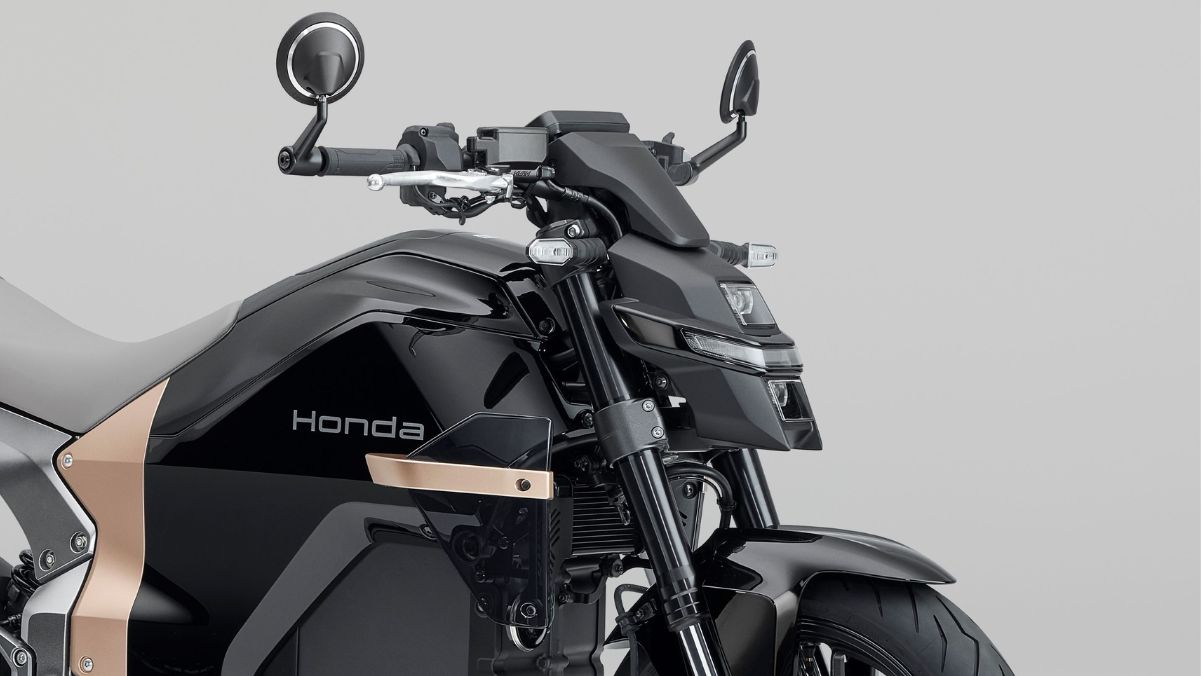
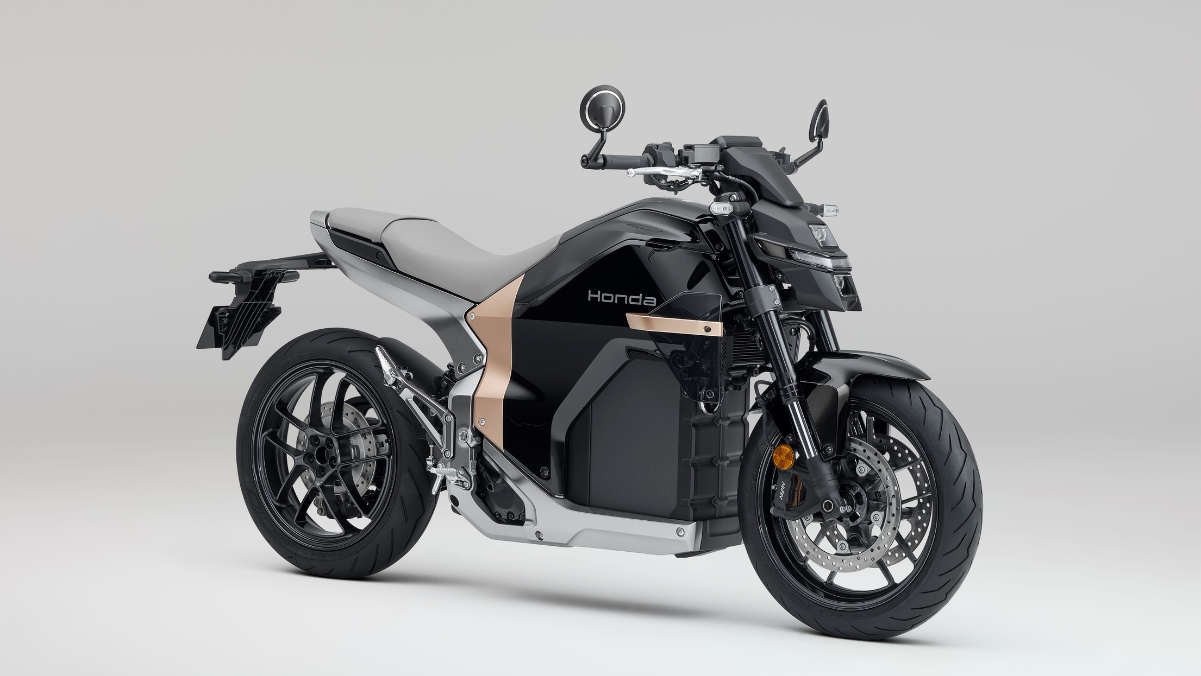
The Honda WN7 hit the market at the end of 2025 (Photo: Honda | Dissemination)
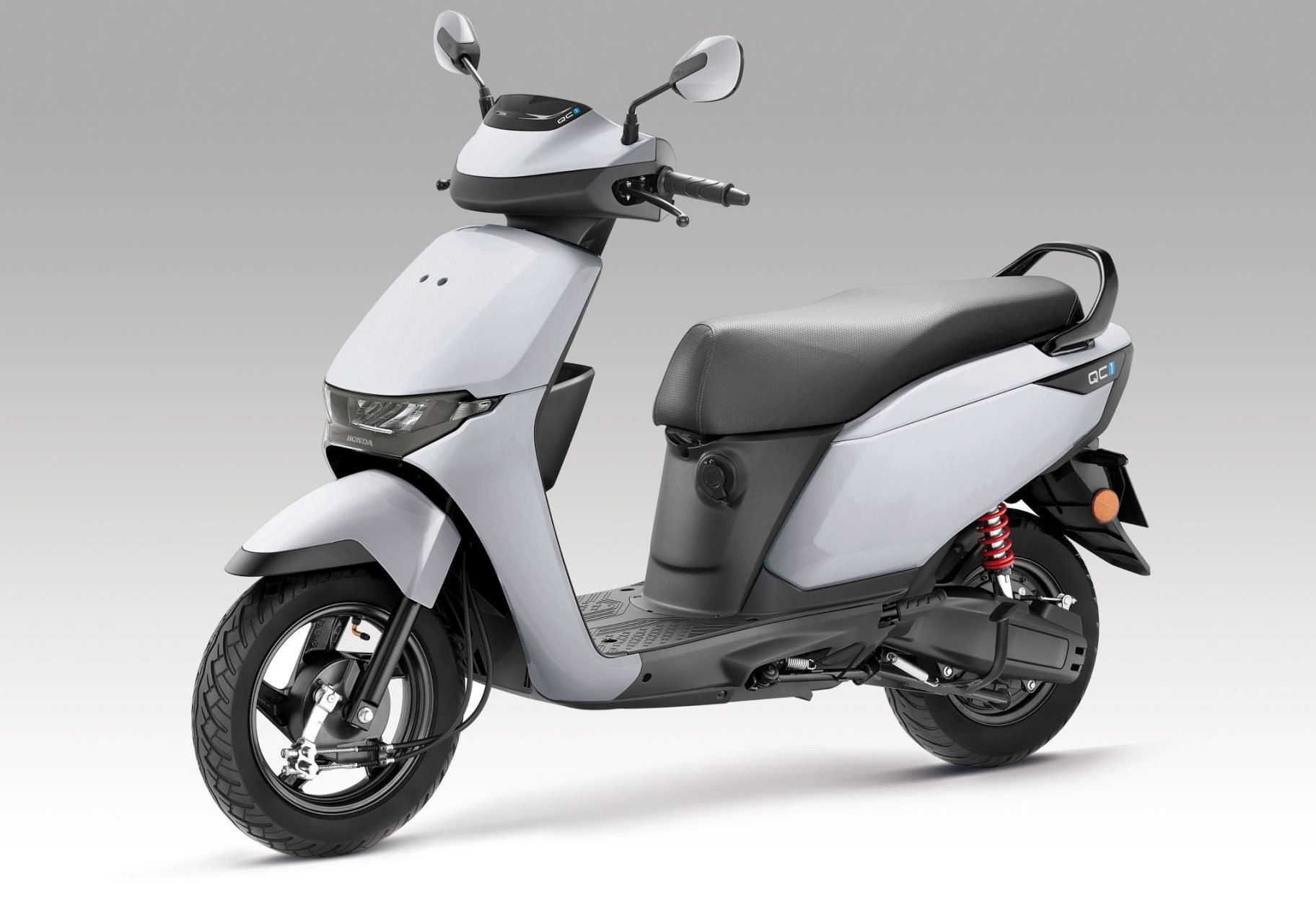
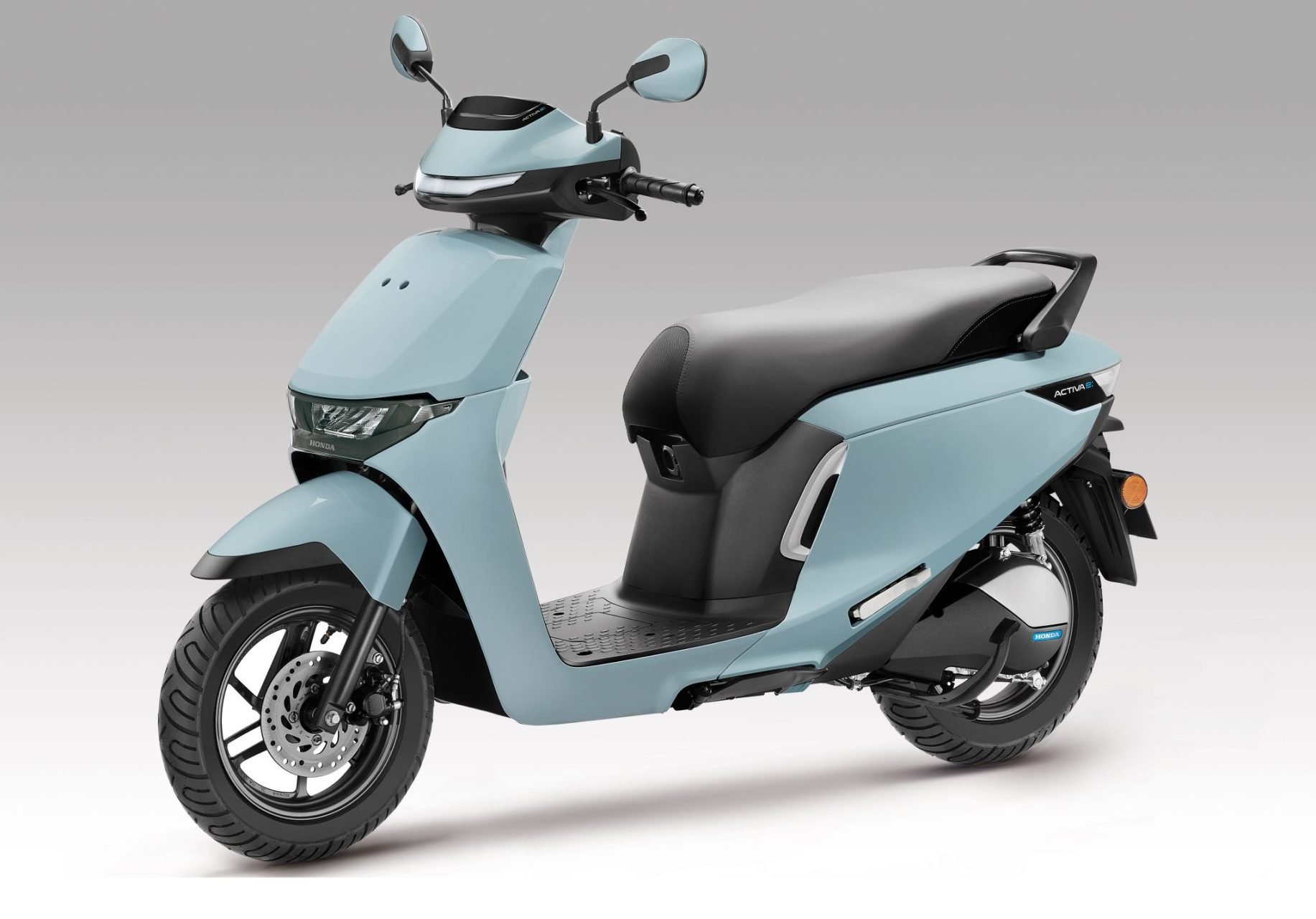
Overall, Honda already has several electric scooters, such as the QC and Activa e:, in addition to its first motorcycle itself, the WN7. However, in Brazil, the situation requires more caution. According to the manufacturer, there is indeed potential in the Brazilian market for electrification, but some situations influence the definition of a national electrification plan.
Honda continuously studies the introduction of new technologies in the Brazilian market, but follows the policy of offering the right technology, in the right place, at the right time. Several factors, such as the country’s energy matrix, public infrastructure, market characteristics, geography and consumer profile, influence this strategy,” Honda said in response to AutoPapo.
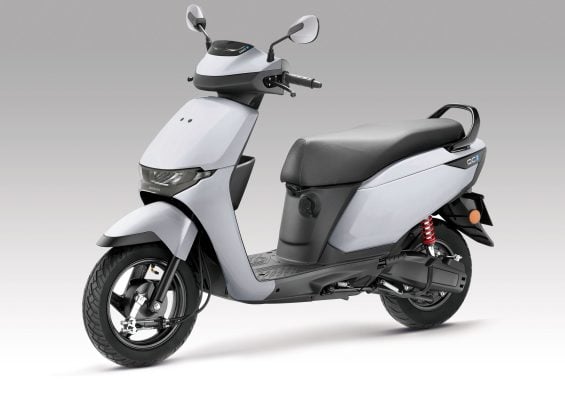
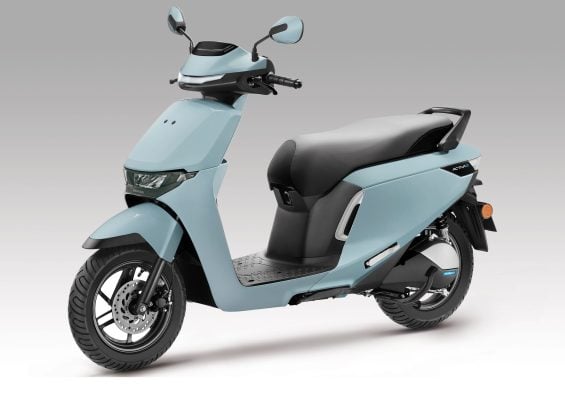
The Honda QC1 is sold outside Brazil (Photo: Honda | Disclosure)Together with his sister Honda Activa and: (Photo: Honda | Disclosure)
Learning from the mistakes of others
With this statement, the manufacturer, in addition to showing caution, succinctly shows that it may not want to make mistakes like, for example, those made by its aforementioned rival, Yamaha.
As much as the Japanese countrywoman has been disruptive by being the first of the four major Japanese manufacturers (Honda, Yamaha, Kawasaki and Suzuki) to bring a 100% electric motorcycle to Brazil, the results are not efficient.
According to the National Federation of Motor Vehicle Distribution (Fenabrave), Yamaha does not rank among the major electric motorcycle traders in the country and, since the beginning of the year, it has not stood out once among the top 15 brands in the category that have sold the most in the country. As much as other manufacturers, such as Shineray and electrified specialist Watts, have a larger electrified portfolio, it was to be expected that one of the largest manufacturers in the world would stand out with the arrival of its product.
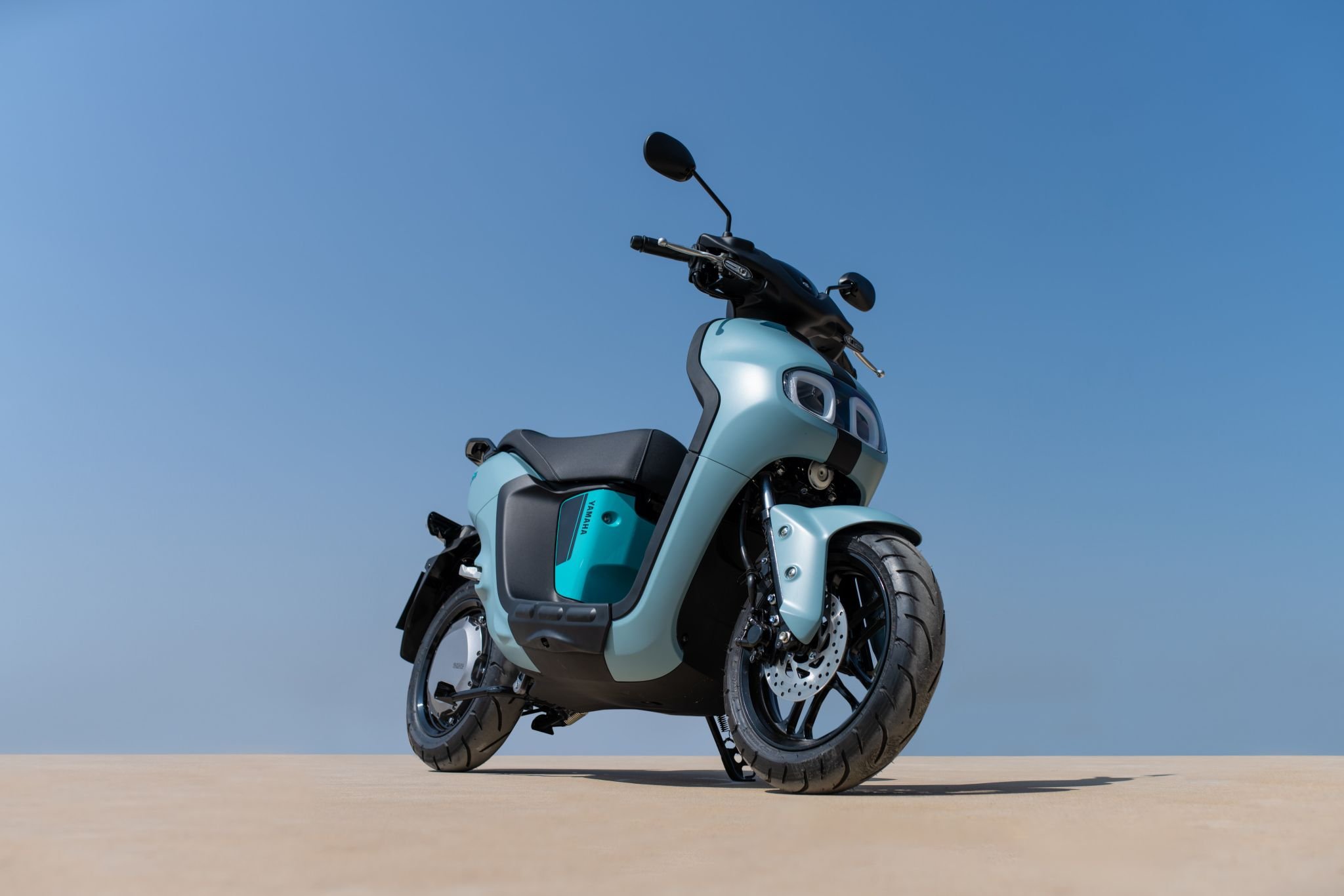
The biggest motivation for this result seems to be the price, since, in April of this year, the brand suddenly reduced the value of its only electric motorcycle here by R$ 8 thousand. Neo’s, which went from R$ 33.990 to R$ 25.990. Today, the model is even cheaper and costs R$ 25.590.
The Yamaha Neo’s Connected is the brand’s only electric vehicle in Brazil (Photo: Yamaha | Disclosure)
It is not known for sure how many Yamaha Neo’s Connected motorcycles have been licensed in Brazil since the arrival of the model, but, as far as the ranking indicates, certainly less than 138 motorcycles have been licensed by buyers since then. This number is lower than what the 9th place this year alone has already reached.
Part of Honda’s thinking
Despite positioning itself momentarily resistant, Honda does not close its doors to Brazil.
“Honda recognizes that there is potential for this market and continues to study alternatives that better serve the Brazilian consumer,” he said.
In a way, Honda is even positive about the situation, stating that “everything is possible”. After all, the manufacturer has a global zero carbon plan by 2050. That is, even late, electric motorcycles in Brazil, until then, have a time limit to arrive.
“The pace of introduction of electric models in the markets in which Honda operates may vary, and the company will continue to act on both fronts with the aim of reinforcing the role of the motorcycle, and its other products, as environmentally friendly vehicles that meet customer expectations,” Honda concluded.
Comments are the sole responsibility of their authors and do not represent the opinion of this site. Comments containing profanity or offensive language will not be published. If you identify anything that violates the terms of use, please report it.