U.S. self-driving taxis are recalled to prevent them from advancing through flooded streets
Failure to perceive climate risks prompted intervention by the U.S. road safety agency; measure will not interrupt transport service
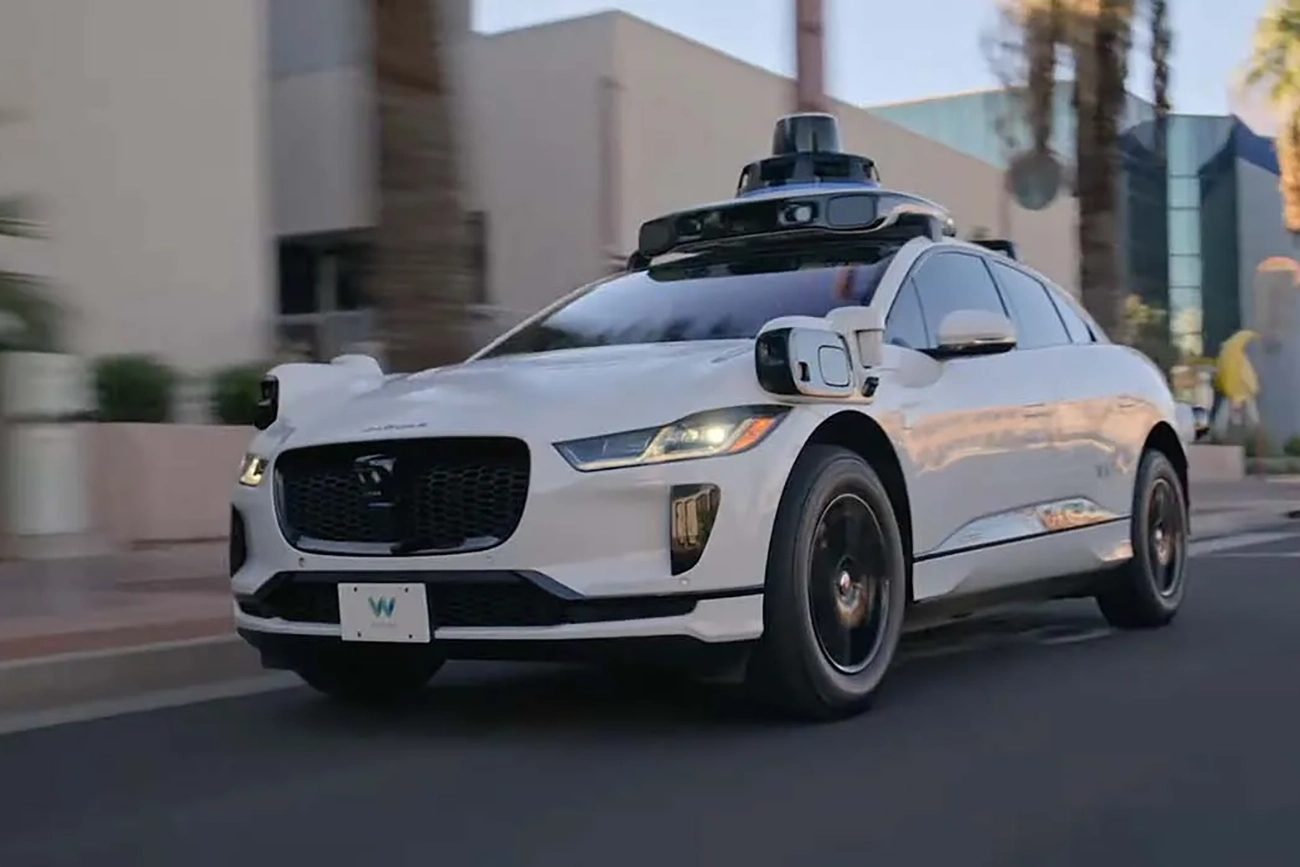
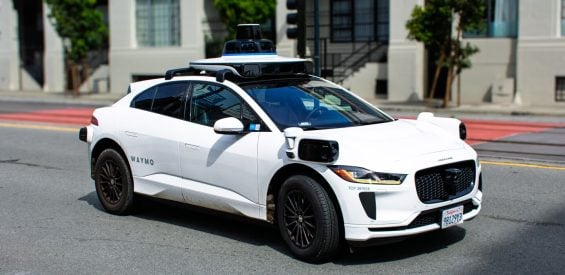
The recall aims to ensure that the vehicle interrupts its trajectory by identifying accumulated water and other adversities (Photo: Waymo | Disclosure)
By
Tom Schuenk Published on 2026-05-13 at 09:00 PM
Updated on 2026-06-04 at 06:34 AM
Waymo, Google’s self-driving subsidiary, announced the software recall of its entire fleet of 3,791 robotaxis. The measure was made official after NHTSA, the federal road safety agency of the United States, identified that the company’s driving system had critical failures when assessing risks on flooded roads, allowing vehicles to advance in areas of deep standing water.
According to the regulatory body, the inability of the software to detect and prevent flooding can compromise the control of the car and cause damage to electronic components, increasing the risk of collisions and serious injuries. Unlike traditional recalls, the correction will be implemented in a logistical way, taking advantage of the moments when vehicles return to the depots for maintenance and recharging.
The company’s decision was precipitated by an event that took place in April in San Antonio, Texas. During heavy storms, a Waymo vehicle entered a road considered impassable due to the accumulation of water. Although the sensors detected the situation and reduced speed, the system did not prevent progress on flooding on a high-speed highway, exposing the weakness of the software in dealing with extreme weather variables.
This episode adds to a growing list of investigations that the brand faces in the United States. Recently, the NHTSA opened an investigation into about 22 incidents involving the behavior of robotaxis, including illegal school bus passes and blockades of emergency vehicles such as ambulances and fire trucks.
Currently, Waymo makes about 500 thousand weekly trips in cities such as Phoenix, San Francisco and Los Angeles. Despite the occasional failures, the company maintains the defense that its systems are statistically safer than human drivers. The current recall, however, shows that the transition to full autonomy still requires fine-tuning to deal with unpredictable natural phenomena, which are key to maintaining public confidence in the technology.
Comments are the sole responsibility of their authors and do not represent the opinion of this site. Comments containing profanity or offensive language will not be published. If you identify anything that violates the terms of use, please report it.