


Study reveals that extreme temperatures are the biggest enemy of electrified cars
AAA study reveals that extreme heat and, especially, cold directly affect the energy efficiency of electrified vehicles
By
Júlia Haddad
Published on 2026-05-12 at 06:00 PM
Updated on 2026-05-12 at 06:24 PM
Published on 2026-05-12 at 06:00 PM
Updated on 2026-05-12 at 06:24 PM
Be the first to comment.
Summarize with:
The American Automobile Association (AAA) conducted a study on the autonomy of electric and hybrid cars in extreme temperature situations. In the research, it was revealed that both heat and cold significantly affect the energy efficiency of these vehicles, especially in harsh winter conditions.
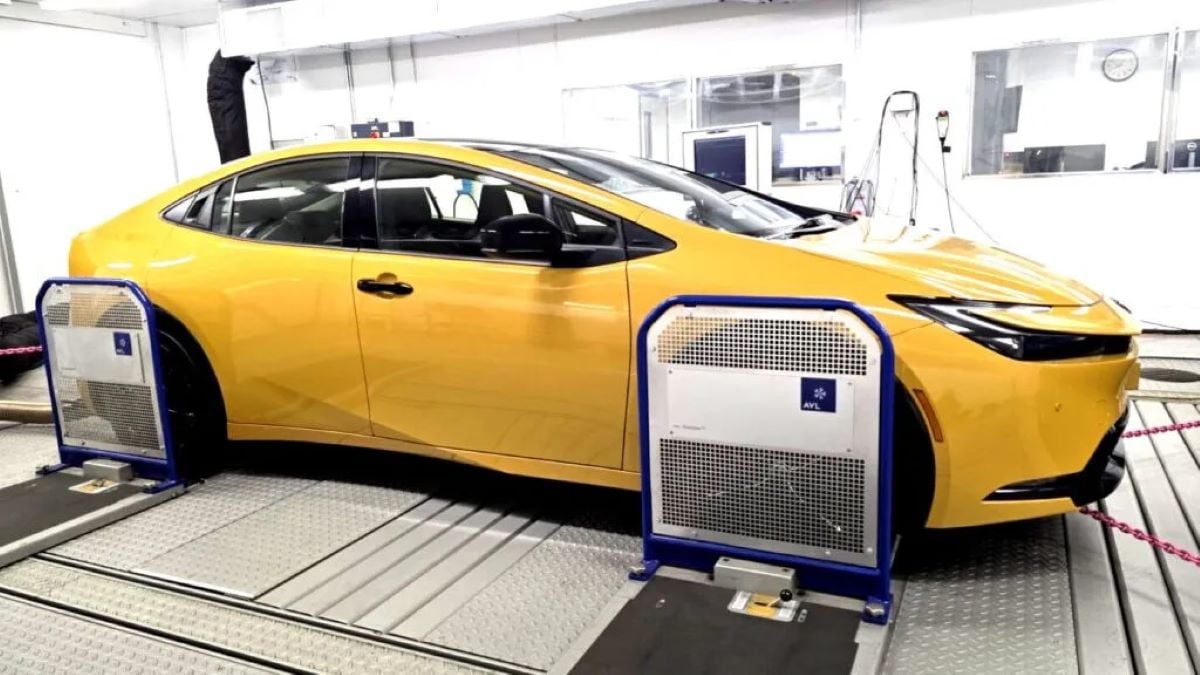
To assess the climate impact, the entity subjected three electric cars and three hybrids to laboratory tests, using a dynamometer in a temperature-controlled environment. During the tests, the air conditioning and heating of the vehicles remained set at 22°C, while the outside temperature ranged between -6.7°C, 23.9°C and 35°C.
SEE ALSO:
- Renewal of the PwD parking card may end
- Automakers want to hire, but there is a lack of qualified workers in Brazil
- Winter is coming, and your electric car will lose range because of it
In tests carried out in hot weather, electric vehicles recorded an average loss of 8.5% in autonomy and a 10.4% reduction in energy efficiency. Hybrids, on the other hand, had a 12% drop in fuel consumption compared to conditions considered ideal.
Cold can cut autonomy almost in half
The most worrying numbers appeared in the extreme cold, where electric vehicles lost, on average, 39% of their autonomy, accompanied by a 35.6% reduction in efficiency. Hybrids were also impacted, with a 22.8% drop in fuel efficiency.
According to AAA, the explanation lies in the higher energy demand of air conditioning systems and the behavior of batteries at low temperatures, which reduces the storage and delivery capacity of energy.
The study indicates that drivers who live in regions with a mild climate are unlikely to notice major differences in daily use. In places with very hot summers or harsh winters, the recommendation is to consider a greater margin of autonomy when choosing an electrified vehicle, especially on long journeys or routines that require intense battery use.
Greg Brannon, director of Automotive Engineering and Research at AAA, highlighted that the results reinforce the importance of evaluating climate, energy costs and driving habits before purchase. According to him, although the loss of autonomy of electric cars at low temperatures was already expected, the impact observed in hybrids caught the attention of researchers.
SEE MORE ABOUT

0 Comments
Comments are the sole responsibility of their authors and do not represent the opinion of this site. Comments containing profanity or offensive language will not be published. If you identify anything that violates the terms of use, please report it.