BMW i5 and iX are discontinued in Brazil to make way for the new iX3
German manufacturer simplifies electric portfolio in the domestic market to make room for the iX3, the first of the Neue Klasse platform in the country
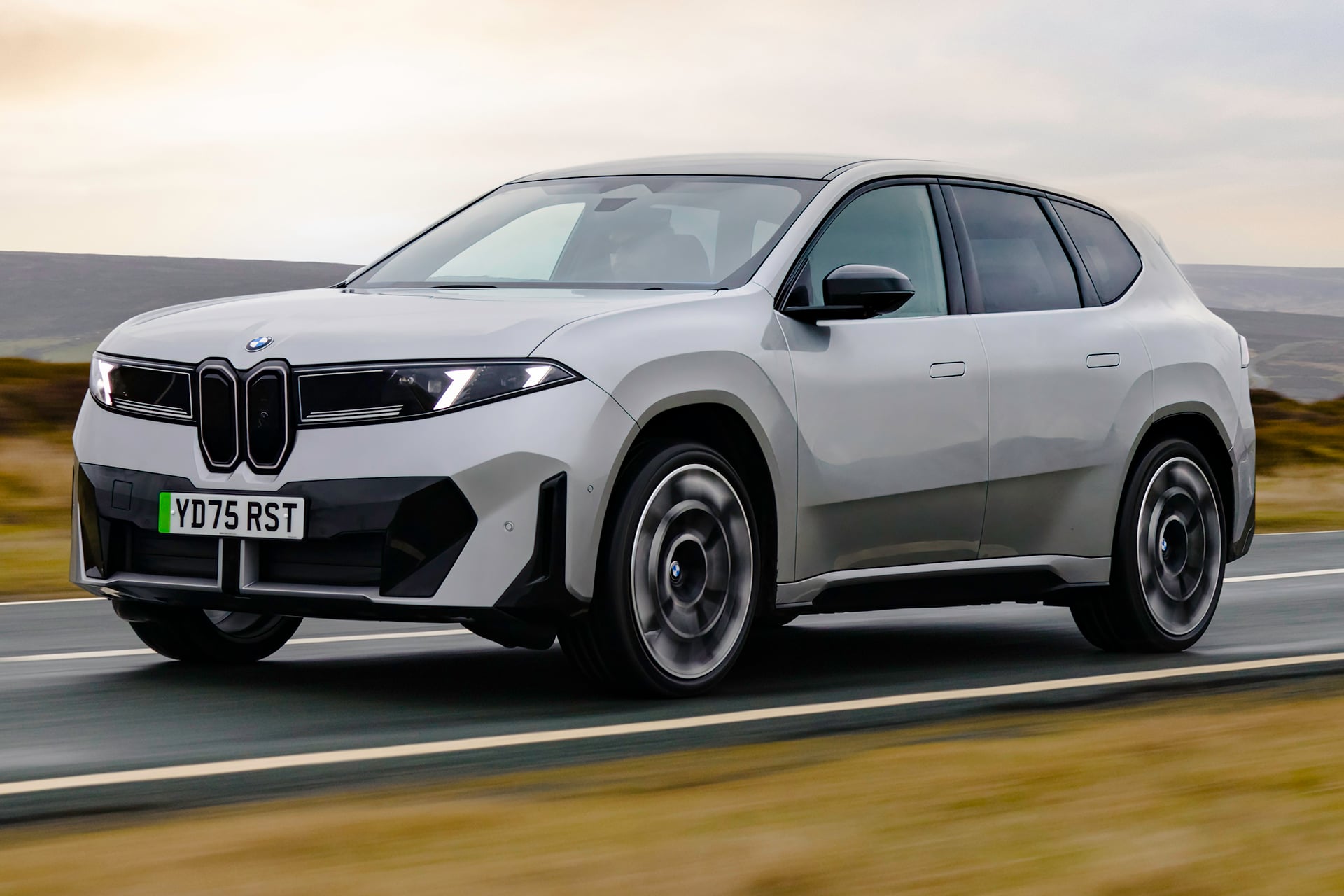
BMW iX was the brand's most luxurious electric SUV for sale in the country (Photo: BMW | Disclosure)
By
Júlia Haddad Published on 2026-05-13 at 10:00 PM
Updated on 2026-05-14 at 03:09 AM
BMW has confirmed the end of sales of the i5 sedan and the iX sport utility vehicle in the Brazilian market. The models, which had already been removed from the official configurator on the brand’s website, leave the portfolio to make way for a strategic repositioning focused on the German manufacturer’s next generation of electric vehicles, according to the InsideEVs website.
With the departure of the two top models, BMW’s electric catalog in Brazil is now temporarily composed of the iX1, iX2, i4 and the i7 luxury sedan. According to the manufacturer, the simplification of the line precedes the launch of the unprecedented iX3, confirmed to land in the country in the second half of 2026 as the first representative of the Neue Klasse platform.
The future iX3 represents a technological leap forward for the brand, introducing an 800-volt electrical architecture. The system allows for significantly faster recharges and uses new generation batteries with higher energy density. In Europe, the most efficient variants of the model promise a range of more than 600 km in the WLTP cycle, offering rear-wheel drive or xDrive options.
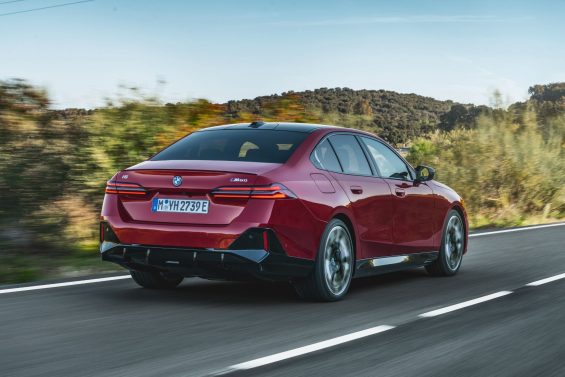
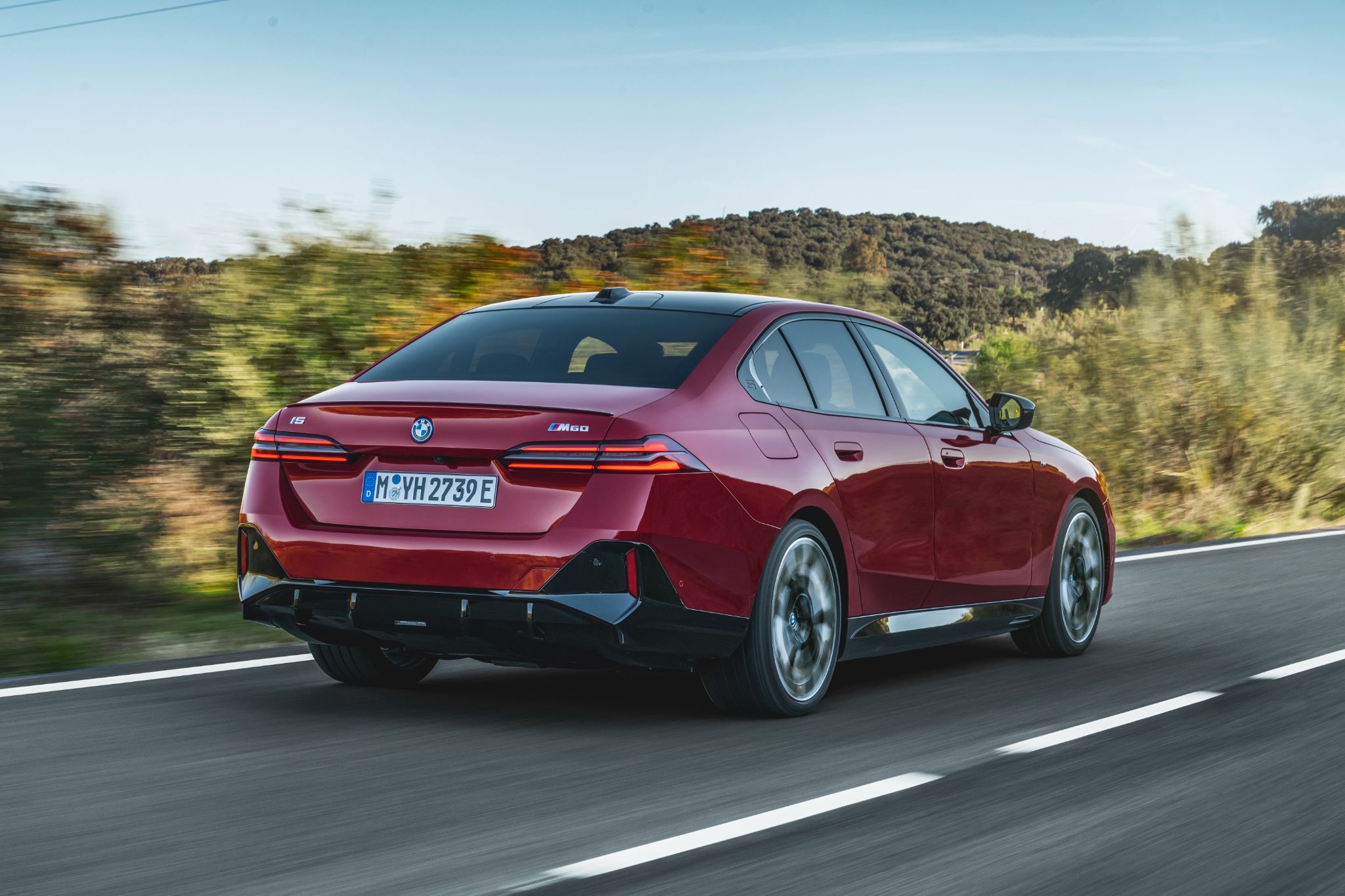
BMW i5 was also retired in the readjustment of the brand here
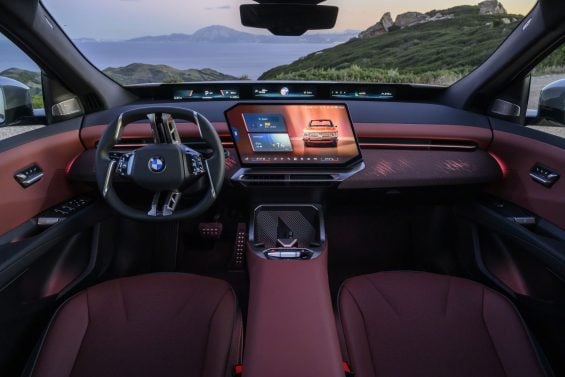
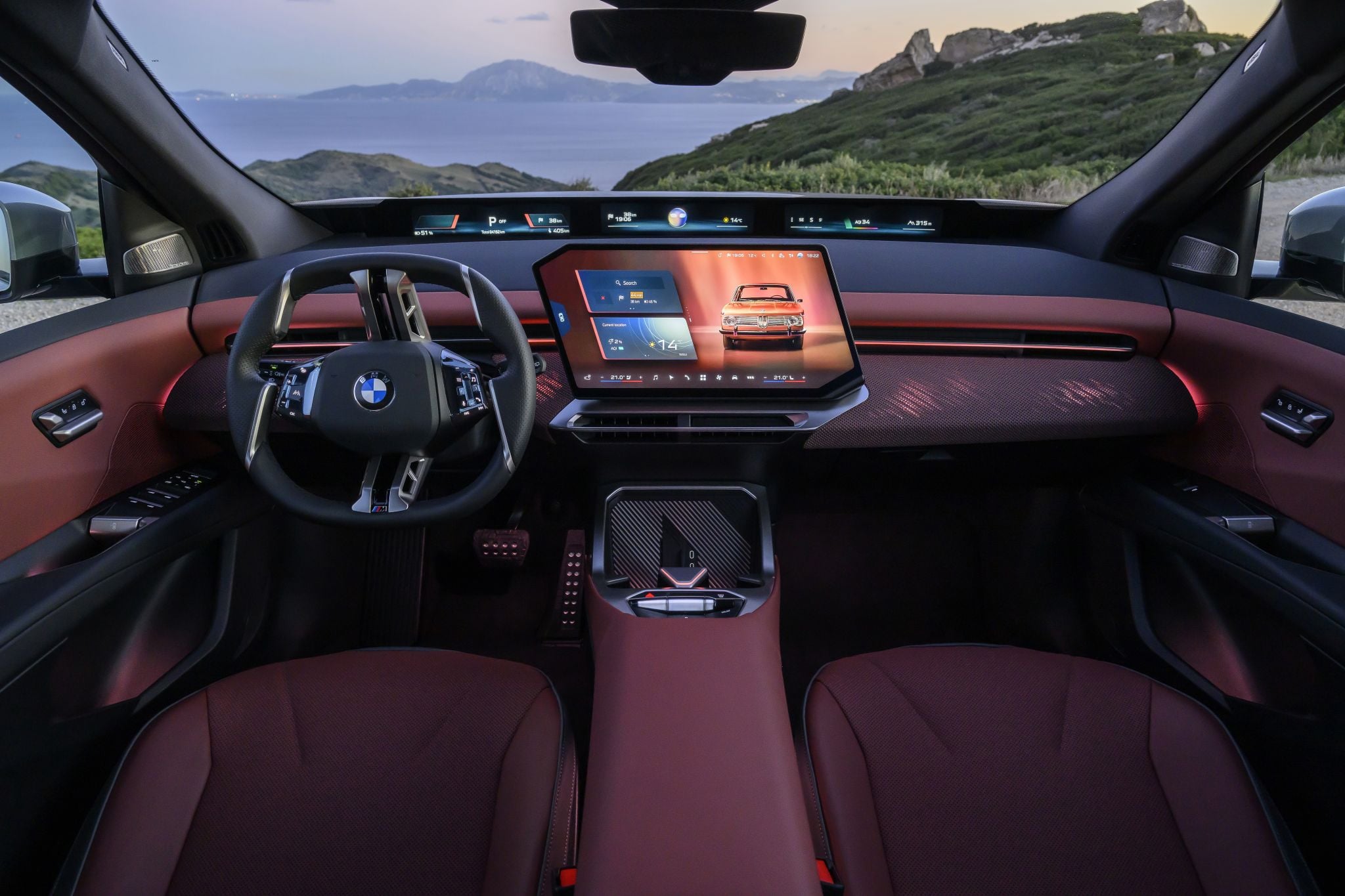
In addition to energy efficiency, the new SUV will serve as a showcase for Panoramic Vision — a projection system that displays essential information along the entire base of the windshield, eliminating the conventional instrument panel. The model also debuts compatibility with bidirectional charging, allowing V2L (to power external appliances), V2H (for homes) and V2G (return of energy to the electricity grid) functions.
BMW iX3 interior brings new technological philosophy from the German
The withdrawal of the i5 and iX signals that BMW seeks to concentrate efforts on higher-volume, more technologically advanced products, avoiding overlapping generations. The iX3 will be the central pillar of this offensive, trying to consolidate the brand’s leadership in the premium electric segment in the face of growing Chinese competition in Brazil.
Comments are the sole responsibility of their authors and do not represent the opinion of this site. Comments containing profanity or offensive language will not be published. If you identify anything that violates the terms of use, please report it.