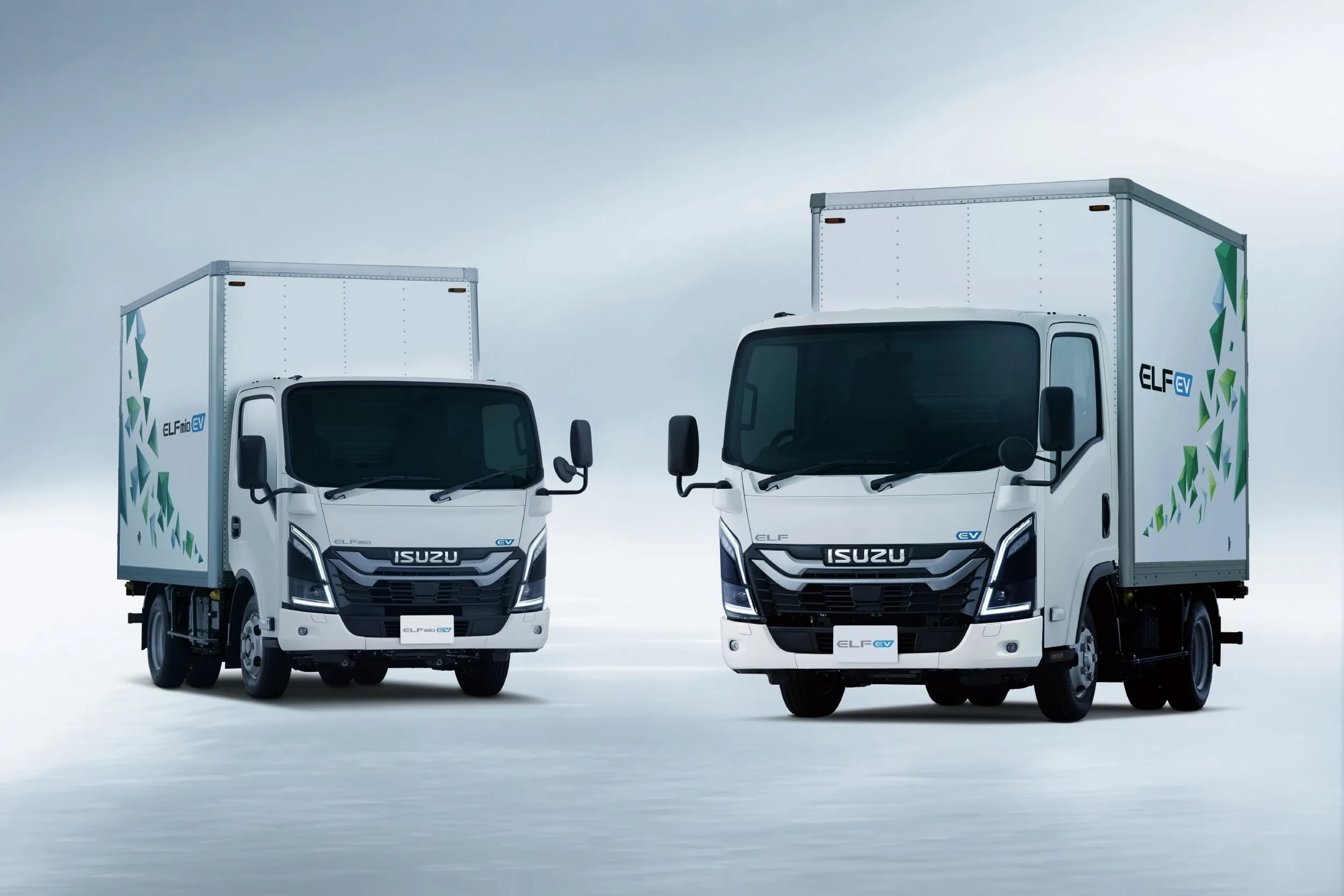
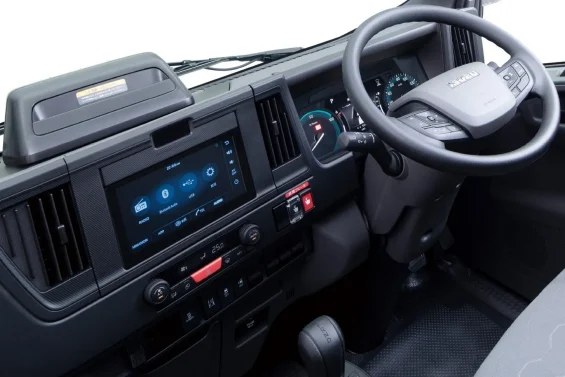
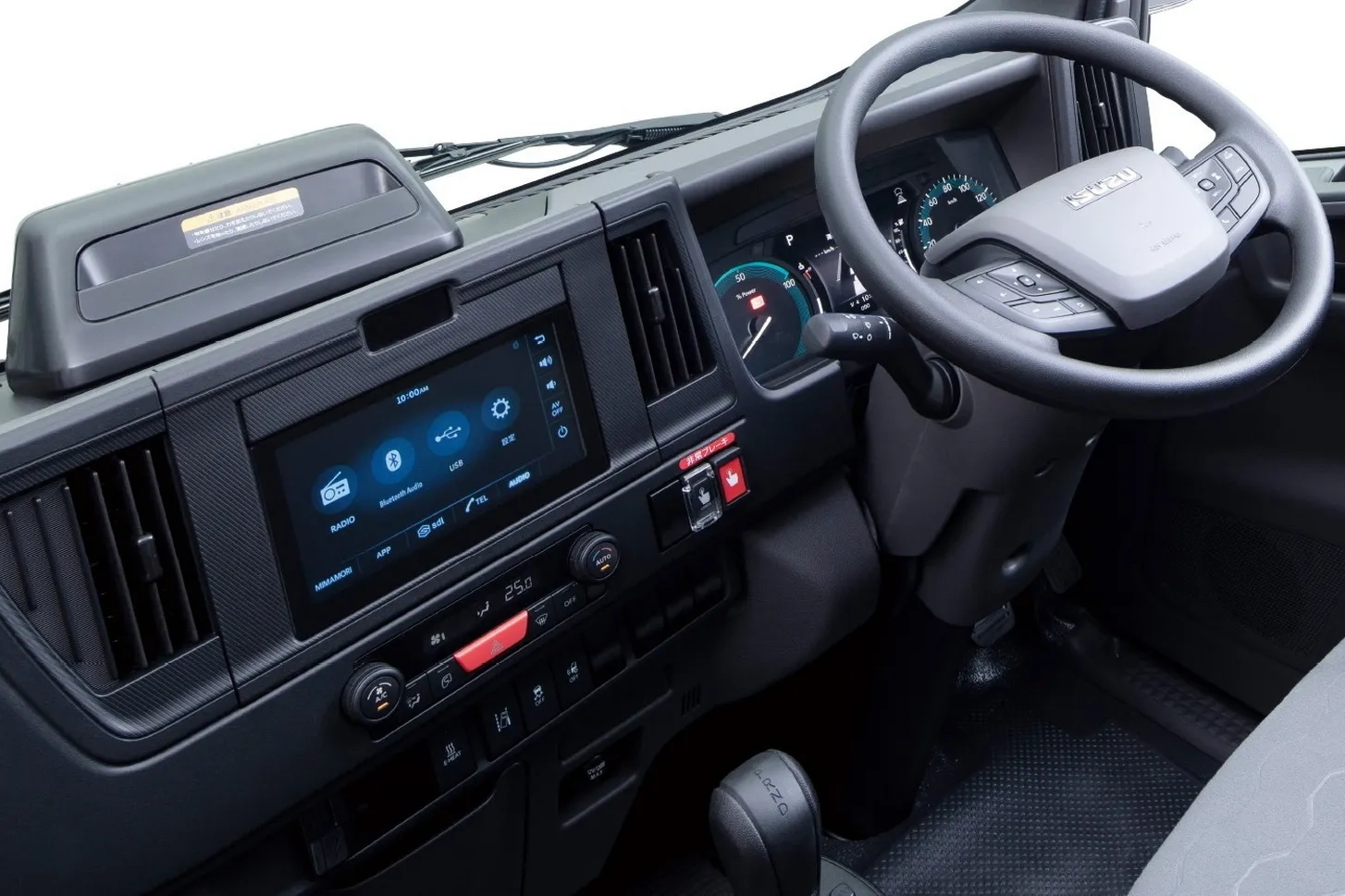
Isuzu and Toyota have announced plans to begin mass production of a light truck equipped with a hydrogen fuel cell starting in fiscal 2027. The project, developed in conjunction with Commercial Japan Partnership Technologies (CJPT), seeks to consolidate hydrogen as a viable alternative to battery electric vehicles, which face logistical bottlenecks in commercial cargo transport.
The new model will be built on the chassis of the Isuzu Elf, but will use Toyota’s third-generation fuel cell system. According to the companies, this new technology allows for a 20% gain in energy efficiency and greater durability. The choice for hydrogen aims to meet specific operations where the excessive weight of conventional batteries and the long recharge time hinder productivity, such as in urban deliveries with multiple stops.
Another ‘Achilles heel’ to be solved is in the case of refrigerated vehicles – which transport food to markets, for example – whose cooling system further limits the autonomy of the batteries.
Unlike purely electric trucks, which can require hours connected to the grid, the hydrogen model allows for quick refueling, in a time comparable to that of diesel. In addition, Toyota’s technology focuses on reducing maintenance costs and optimizing cargo space, as the system occupies less volume than the large battery banks needed for equivalent ranges. In operation, the vehicle emits only water vapor, eliminating the release of CO2 and nitrogen oxides.
The partnership between Isuzu and Toyota is not new, having previously yielded the ERGA FCV bus. The move towards mass production signals that manufacturers consider the hydrogen infrastructure mature enough for commercial applications in Japan by the end of this decade. Although the challenges of fuel production cost remain, the strategy focuses on the fleet market, where the predictability of routes facilitates the installation of dedicated fueling stations.
Comments are the sole responsibility of their authors and do not represent the opinion of this site. Comments containing profanity or offensive language will not be published. If you identify anything that violates the terms of use, please report it.