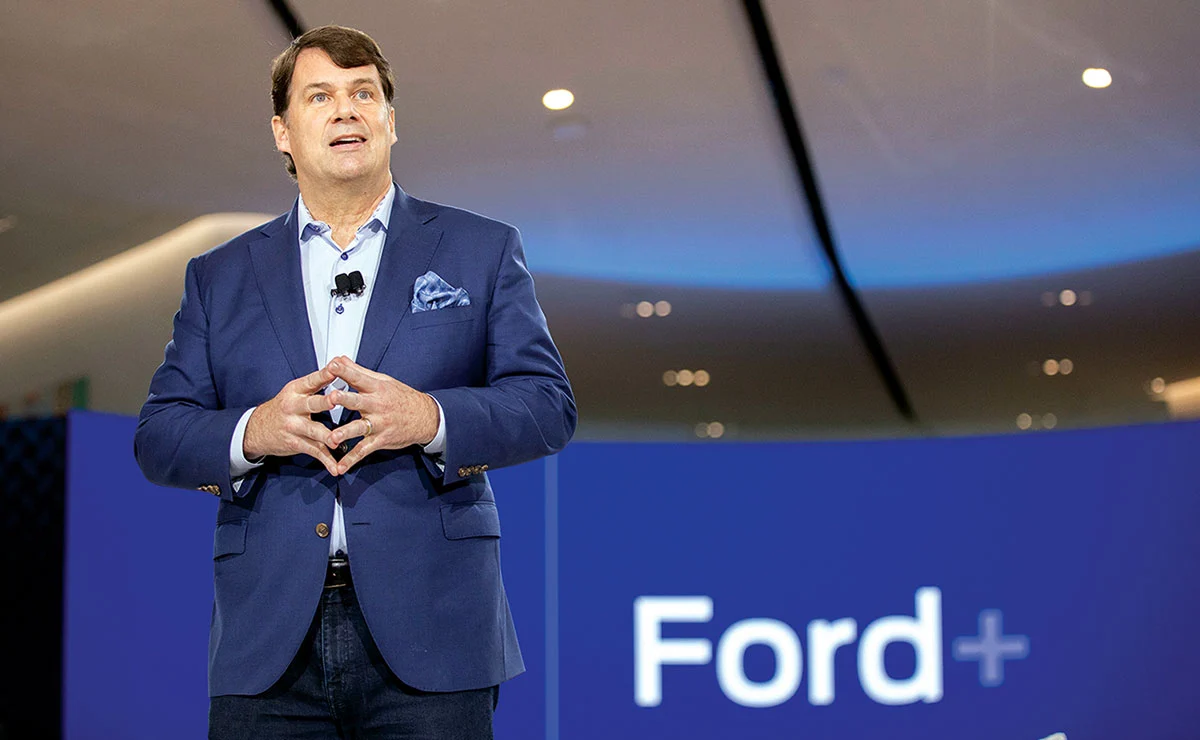
Ford CEO Jim Farley had already heaped praise on Chinese cars, and even imported a Xiaomi SU7 to use it on a day-to-day basis. Now, the executive has raised the tone against the advance of Chinese electric vehicle manufacturers, classifying an eventual mass entry of these companies into the United States market as “devastating”. In an interview with Fox News, the executive said that the U.S. auto industry faces an “existential threat” comparable to the clash of Japanese and Korean automakers in past decades, but with a higher technological scale.
Farley argued that the competitiveness of Chinese brands is boosted by heavy government subsidies, which allows them to practice aggressive pricing that local brands cannot keep up with. For the executive, this disparity creates a scenario of unfair competition that puts at risk not only the profits of traditional Detroit automakers, but the very economic structure of the US supply chain.
Ford CEO fears factories in Mexico will be used to circumvent U.S. protectionist barriers
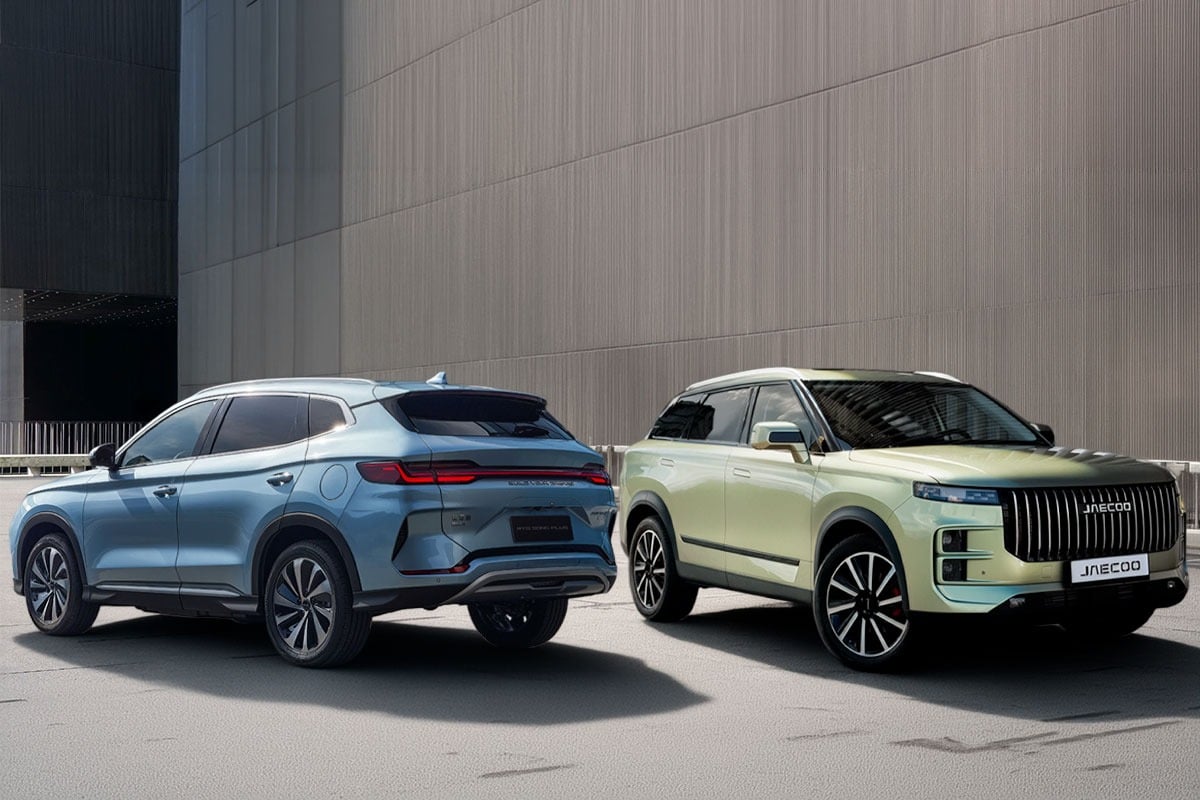
One of the central points of Farley’s concern is the use of neighboring countries as a “back door” to the Yankee market. Although import tariffs try to shield American borders, companies such as BYD already articulate factories in Mexico, while Stellantis is considering producing Leapmotor models in Canada, benefiting from regional trade agreements to avoid direct surcharges.
In addition to the financial impact, the CEO highlighted vulnerabilities in national security. He pointed out that modern electric vehicles work as data collection devices on wheels. With ubiquitous sensors and cameras, Farley questions how the information of American citizens would be handled by companies under Beijing’s influence, elevating the trade debate to a geopolitical question of sovereignty.
Despite the criticism, Farley acknowledged China’s technical excellence in the sector, admitting that the Americans lag behind in cost efficiency and battery technology. The warning serves as pressure for stricter protection policies and incentives for local industry to accelerate its energy transition without being stifled by the Asian offensive that is already redefining markets in Europe and Latin America.
Comments are the sole responsibility of their authors and do not represent the opinion of this site. Comments containing profanity or offensive language will not be published. If you identify anything that violates the terms of use, please report it.