


What changes for app drivers after the suspension of the law in Congress?
Suspension comes after national mobilization of the category, which protested against the reduction of the wage floor and the ceiling on retention rates
By
Tom Schuenk
Published on 2026-04-15 at 04:00 PM
Updated on 2026-04-15 at 04:46 PM
Published on 2026-04-15 at 04:00 PM
Updated on 2026-04-15 at 04:46 PM
Be the first to comment.
Summarize with:
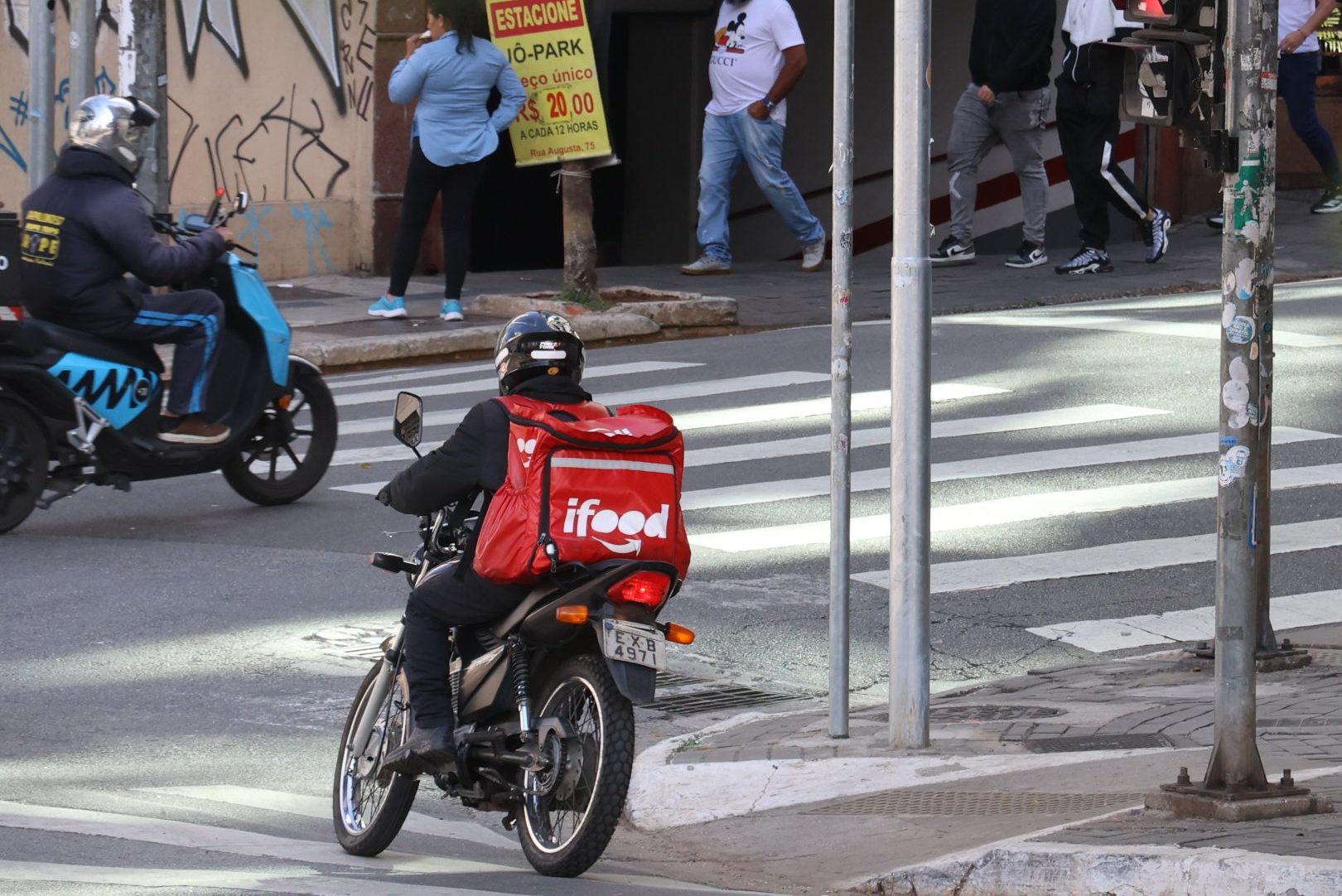
The federal government and the rapporteur in the Chamber of Deputies backed down and decided to withdraw from the agenda the complementary bill that proposes to regulate the work of app drivers in Brazil. The suspension of the processing occurs in response to the “Breque dos Apps” movement, a national mobilization that registered stoppages in at least 13 capitals to protest against the changes made to the original text of the proposal.
The main complaint of the category is the modification of technical guidelines that were included in the initial project. While the Executive’s proposal established stricter social protection mechanisms, the opinion of the rapporteur, Deputy Augusto Coutinho, reduced the remuneration floor and changed the rules on the fees charged by operators.
SEE ALSO:
- Shineray SHI 170 arrives in Brazil: direct competitor to the 150 and 160 has Bluetooth connectivity
- BMW starts retirement of iX electric SUV to prioritize new platform
- Rolls-Royce launches giant R$ 50 million electric convertible
Among the main divergences, the minimum wage fell from the proposal of R$ 10.00 to R$ 8.50 per hour worked. The retention rate of companies, previously expected to have a strict limit established by law, now has a ceiling of up to 30%. The report also transferred any litigation to the ordinary courts, instead of a specialized labor procedure, and changed the legal nature of the category to an intermediate model.
Industry leaders argue that the platforms currently retain more than 40% of the value of rides. This operating cost compromises the financial viability of the activity in a scenario of high vehicle maintenance. There is also an impasse over the social security contribution, with the government requiring companies to take on the employer’s quota of 20%, a measure that operators try to avoid.
With the definitive withdrawal of the voting project, the transport by app sector continues to operate under the current rules, without an employment relationship and with the commercial guidelines defined by the platforms themselves. Isolated requirements, such as the offer of accident insurance with coverage of R$ 120 thousand and the maintenance of support points, remain on the radar of the Legislature, under the monitoring of the unions of the category.
SEE MORE ABOUT

0 Comments
Comments are the sole responsibility of their authors and do not represent the opinion of this site. Comments containing profanity or offensive language will not be published. If you identify anything that violates the terms of use, please report it.