


Study points out that high tips encourage app delivery workers to exceed speed limit
Research based on driver reports reveals that pressure for evaluations and financial bonuses affects traffic safety
By
Tom Schuenk
Published on 2026-04-15 at 03:00 PM
Updated on 2026-04-15 at 03:45 PM
Published on 2026-04-15 at 03:00 PM
Updated on 2026-04-15 at 03:45 PM
Be the first to comment.
Summarize with:
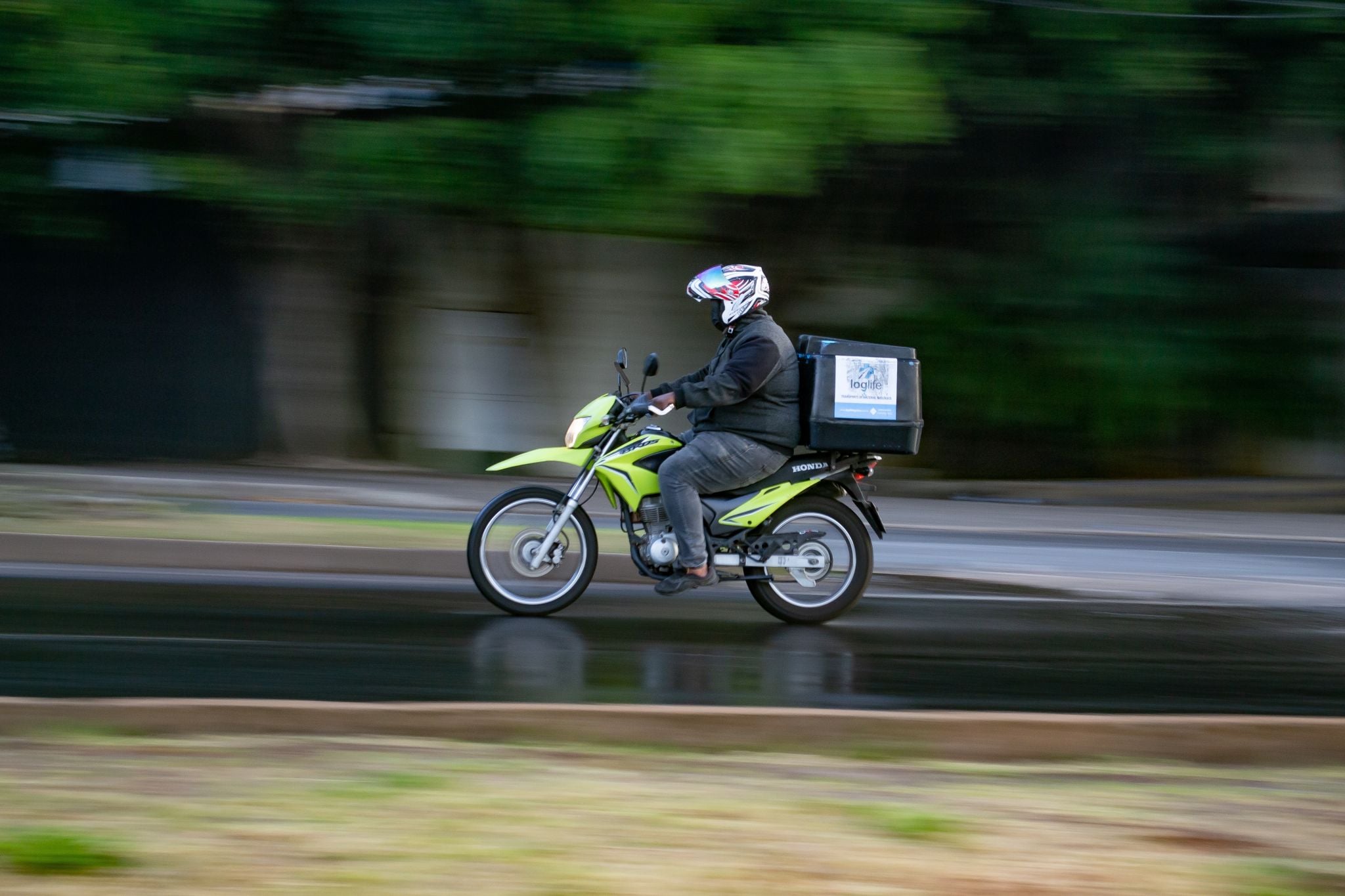
A qualitative study published in the scientific journal Transportation Research Interdisciplinary Perspectives revealed a worrying fact about road safety: the value of tips paid in advance directly influences the speed at which app delivery workers drive their vehicles.
According to the survey, the decision to violate speed limits is linked to immediate financial return, in a phenomenon that the researchers classified as “speed throwing”. In practice, drivers report feeling a moral obligation to repay the customer’s financial generosity with faster deliveries. On the other hand, orders without extra tips often result in purposeful slow driving.
SEE ALSO:
- Nissan confirms new 415 hp hybrid Frontier for Latin America
- BMW starts retirement of iX electric SUV to prioritize new platform
- Rolls-Royce launches giant R$ 50 million electric convertible
Algorithmic pressure and survival tactics
The gamified architecture of the applications is also pointed out as a risk factor. The fear of being punished for not meeting the time targets imposed by the algorithms forces drivers to accelerate. The study noted a clear behavioral difference: while novice delivery workers take more risks in traffic to beat the platforms’ deadlines, the more experienced ones admit to using loopholes in the system to artificially “gain time”, such as informing the app that the restaurant is still preparing the order.
The survey highlights that consumer convenience and business efficiency are being prioritized over public safety. In response to this scenario, legislators are already beginning to debate containment measures. In New York (USA), a bill proposes to oblige apps to calculate delivery estimates strictly based on legal road speed limits.
The goal of regulations like this is to shift responsibility for time margins from the worker’s back to tech platforms, preventing the pressure of algorithms and the tipping system from continuing to encourage dangerous traffic practices.
SEE MORE ABOUT

0 Comments
Comments are the sole responsibility of their authors and do not represent the opinion of this site. Comments containing profanity or offensive language will not be published. If you identify anything that violates the terms of use, please report it.