


Chamber forgives fines for truck drivers who blocked roads after Bolsonaro’s defeat
Included as a tortoise by rapporteur Zé Trovão, the amnesty forgives fines from the 2022 blockades and goes to the Senate along with the new freight floor
By
João Paulo Profeta
Published on 2026-06-19 at 09:00 AM
Published on 2026-06-19 at 09:00 AM
Be the first to comment.
Summarize with:
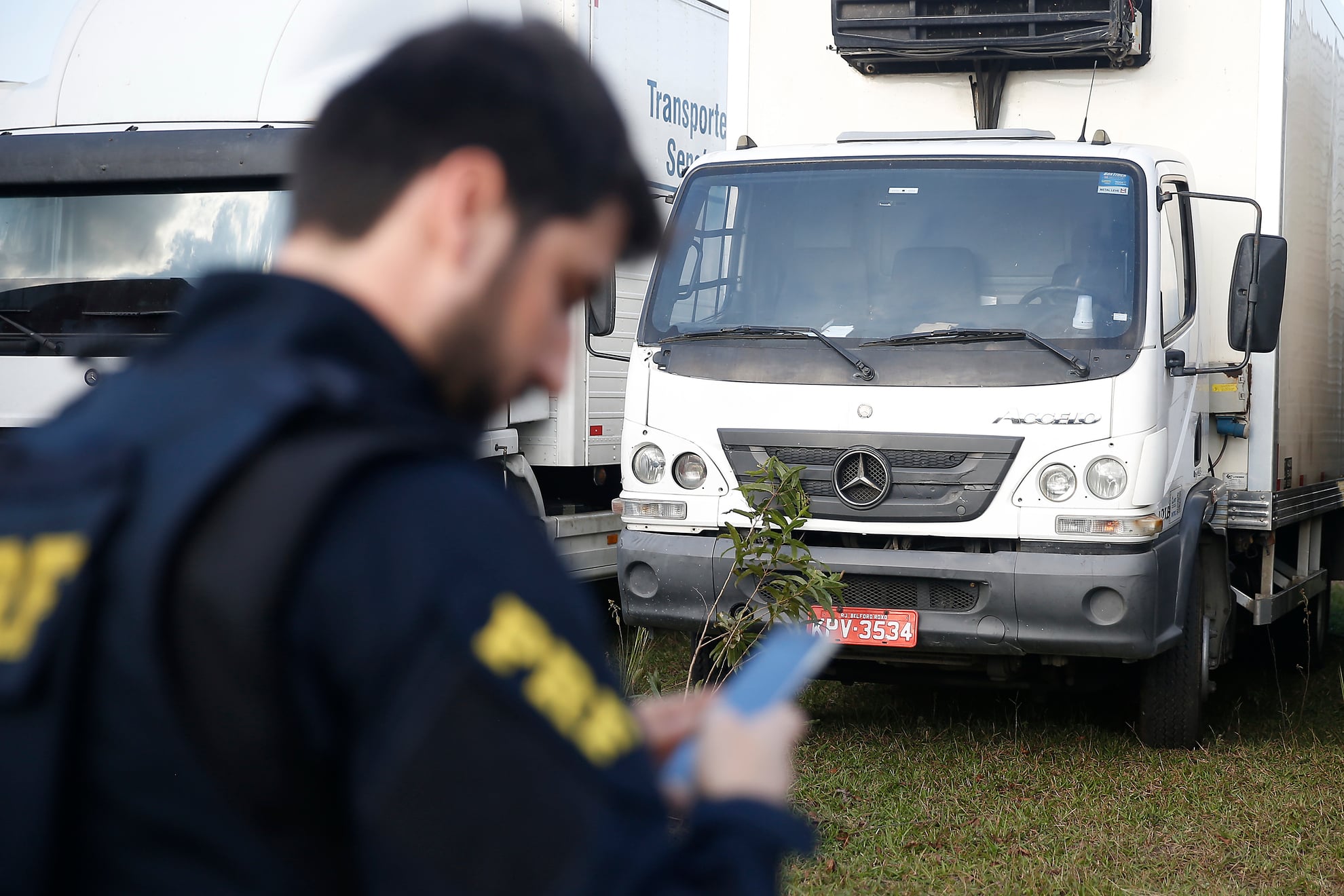
The Chamber of Deputies approved on Wednesday (17), the Provisional Freight Measure and, in the same text, granted amnesty to fines imposed on truck drivers and transporters punished for the highway blockades carried out after the defeat of Jair Bolsonaro (PL) in the 2022 elections. MP 1343/2026 now goes to the Senate for analysis.
The forgiveness of penalties was not included in the original proposal, sent by the Lula (PT) government to strengthen the inspection of the minimum freight floor. He was included as a “tortoise” – a device unrelated to the central theme – by the rapporteur, Deputy Zé Trovão (PL-SC), one of the leaders of the truckers’ mobilizations, who supported the blockades at the time and even had his arrest decreed by the Federal Supreme Court.
The text annuls fines and administrative sanctions applied to individuals and legal entities and drivers for participating in demonstrations, blockades or related acts in 2022, including amounts already registered in the Union’s overdue debt. According to Zé Trovão, part of the truck drivers were penalized without having voluntarily joined the stoppages, just because they were held up on the closed roads.
SEE ALSO:
- BMW unveils design of its station wagon limited to 70 units and which will cost R$ 2.9 million
- Nissan Kicks gets adventurous version, all-wheel drive and electric propulsion at surprising prices
- Ford offers free professional training in the area of technology; see how to apply
The inclusion of the pardon comes amid the discussion about amnesty projects defended by the opposition. Although the text does not reach those convicted of the acts of January 8, 2023, pro-government parliamentarians assess that the measure can reopen the debate on pardons to Bolsonaro supporters.
The original core of the MP, issued in March, seeks to strengthen the National Policy of Minimum Floors for Road Cargo Transport, created in 2018 after the truckers’ strike that paralyzed the country. The text sets a national salary floor of R$ 5 thousand per month for long-distance drivers – defined as those who remain outside the company’s headquarters or their residence for more than 24 hours.
The proposal also makes the Transport Operation Identifier Code (CIOT) mandatory for all freight operations, gathering data on contractors, carriers, cargo, values and payment terms. The code cannot be issued for freight below the floor defined by ANTT, and non-compliance subjects contractors to punishments ranging from fines to suspension or cancellation of carrier registration.
The substitute also made the punishment for recidivism more flexible: the repeated practice is only configured when the fines occur on different dates, with a period of 12 months set for the assessment. The report also determines that the Union seeks to allocate at least 30% of its annual transport operations to self-employed truck drivers.
If the Senate maintains the changes made by the deputies, the text will go to presidential sanction.
SEE MORE ABOUT

0 Comments
Comments are the sole responsibility of their authors and do not represent the opinion of this site. Comments containing profanity or offensive language will not be published. If you identify anything that violates the terms of use, please report it.