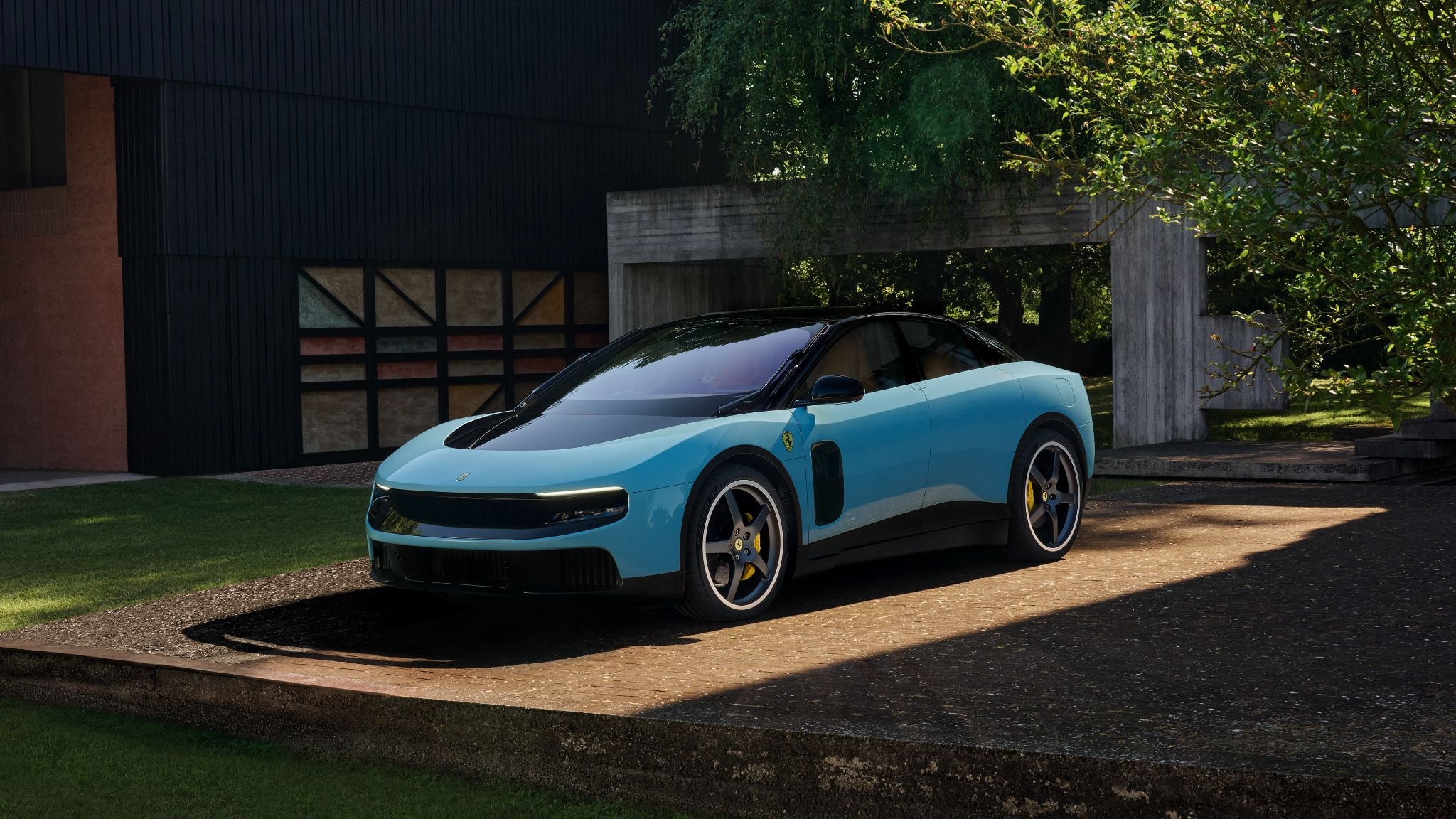
The controversial Ferrari Luce was created with a clear objective: to make the Italian brand grow in the Chinese market, where ultra-technological electric cars are the big trend. Currently, Ferrari has been losing sales there, as taxes for imported combustion vehicles are very high and several cities have limited registrations – in Shanghai, for example, the wait for a license can reach two years.
In addition to trade barriers, there is the agility factor: the Chinese are extremely fast in developing new cars, spending half the time of a traditional automaker. As a result, they have already put on the streets electric models faster than the Ferrari Luce.
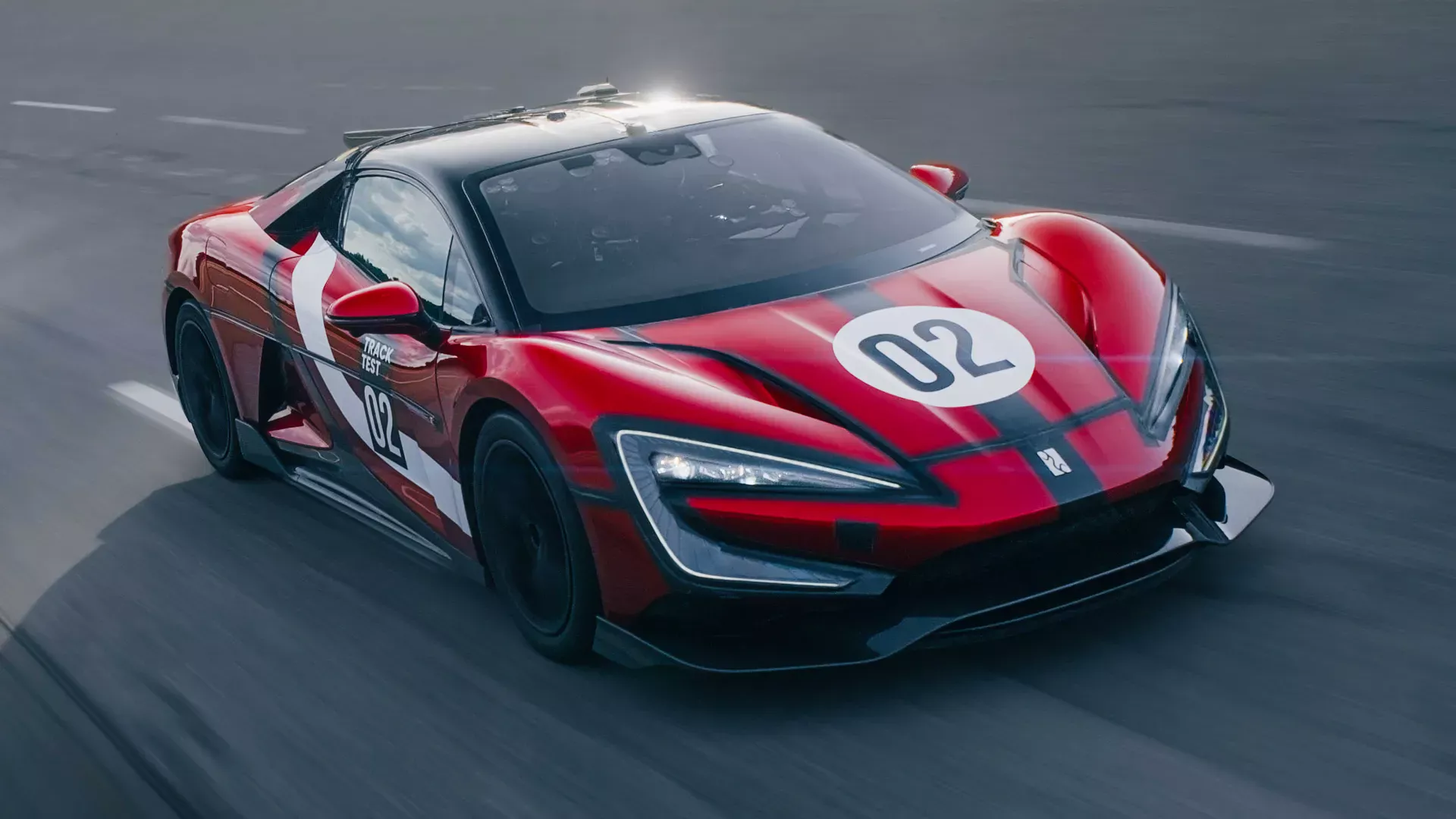
He came to break records and put the brand in the spotlight (Photo: BYD | Reproduction)
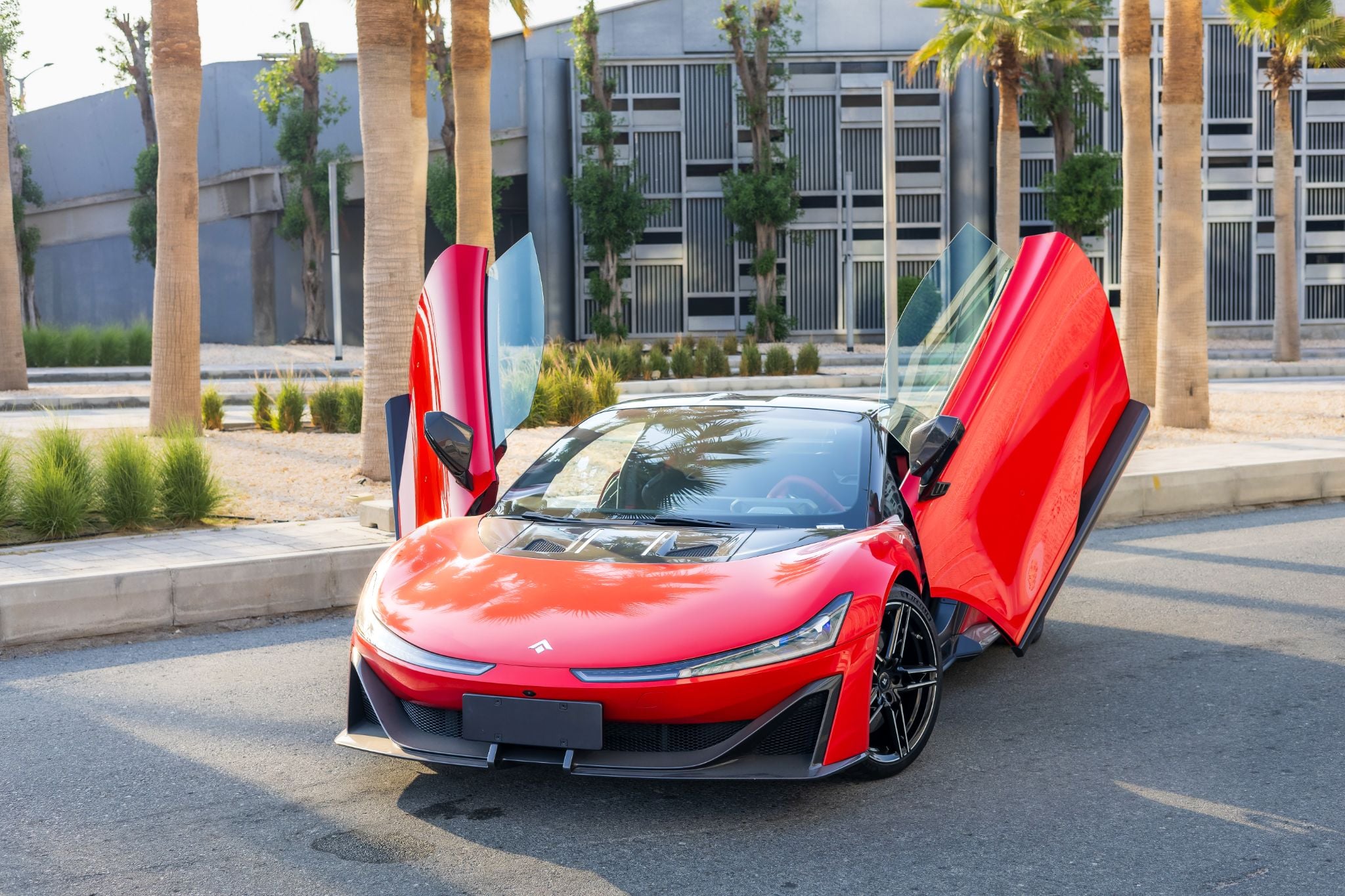
Yangwang is BYD’s high-end division that works as a true technological showcase. The U9 is an electric supercar that has been collecting records, including top speed and lap time for electric cars on the legendary Nürburgring circuit.
The “basic” version of the U9, with 1,305 hp, already leaves the Ferrari Luce behind by accelerating from 0 to 100 km/h in just 2.36 seconds (against 2.5 s for the Italian model). If that wasn’t enough, the Track Edition version, with an impressive 3,018 hp, reached a top speed of 496 km/h.
2. Xiaomi SU7 Ultra
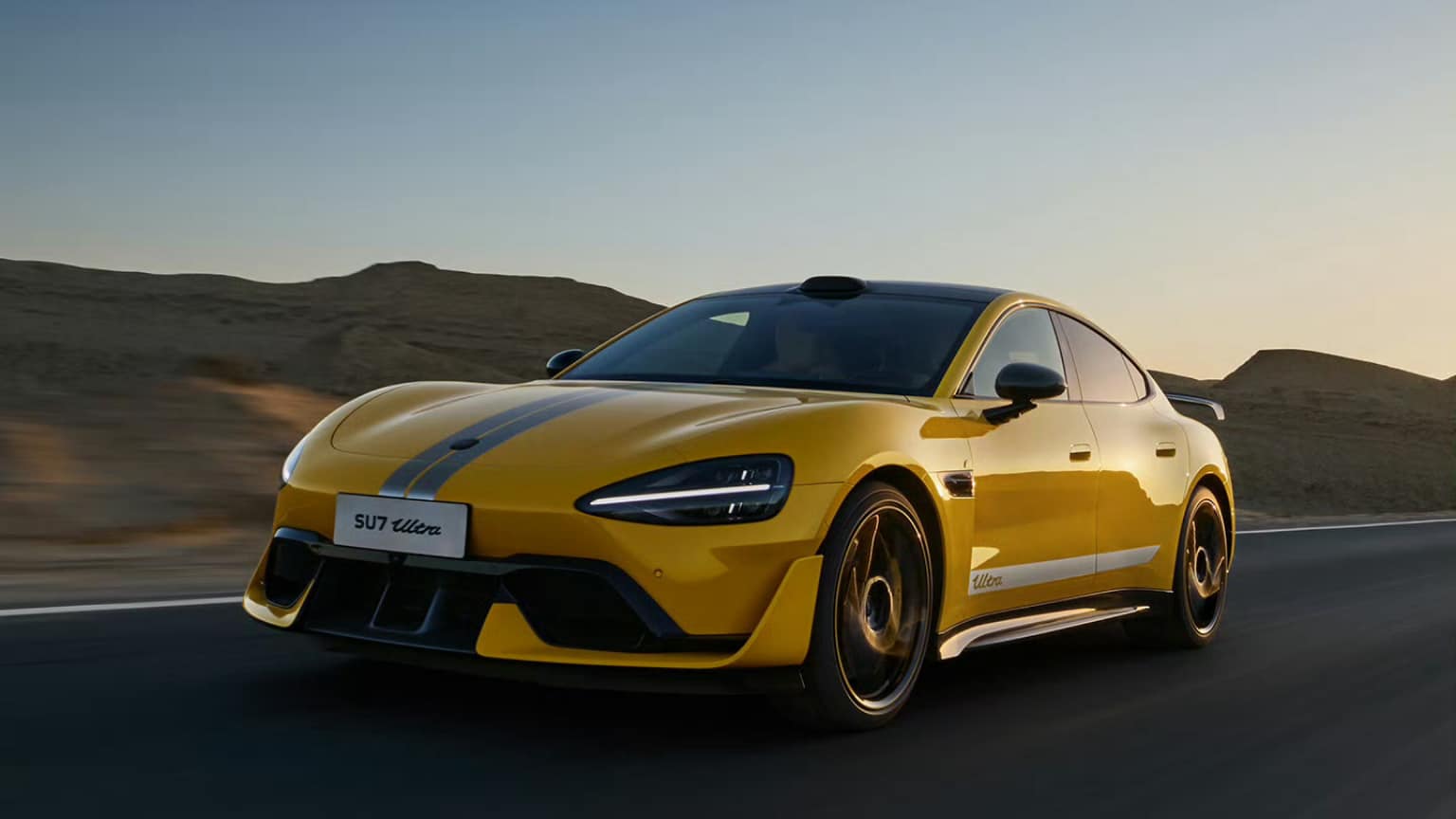
The cell phone brand’s first car has already debuted drawing attention for its speed (Photo: Xiaomi | Disclosure)
Giant in the telephony and technology sector, Xiaomi has decided to invade the automotive market in 2023. Its first model, the SU7 sedan, drew attention for its lines reminiscent of the Porsche Taycan and quickly generated long queues.
Its most extreme variant, called Ultra, pours out 1,547 hp of power. This Chinese electric goes from 0 to 100 km/h in an incredible 1.98 seconds and reaches a top speed of 350 km/h.
3. Zeekr 001 FR
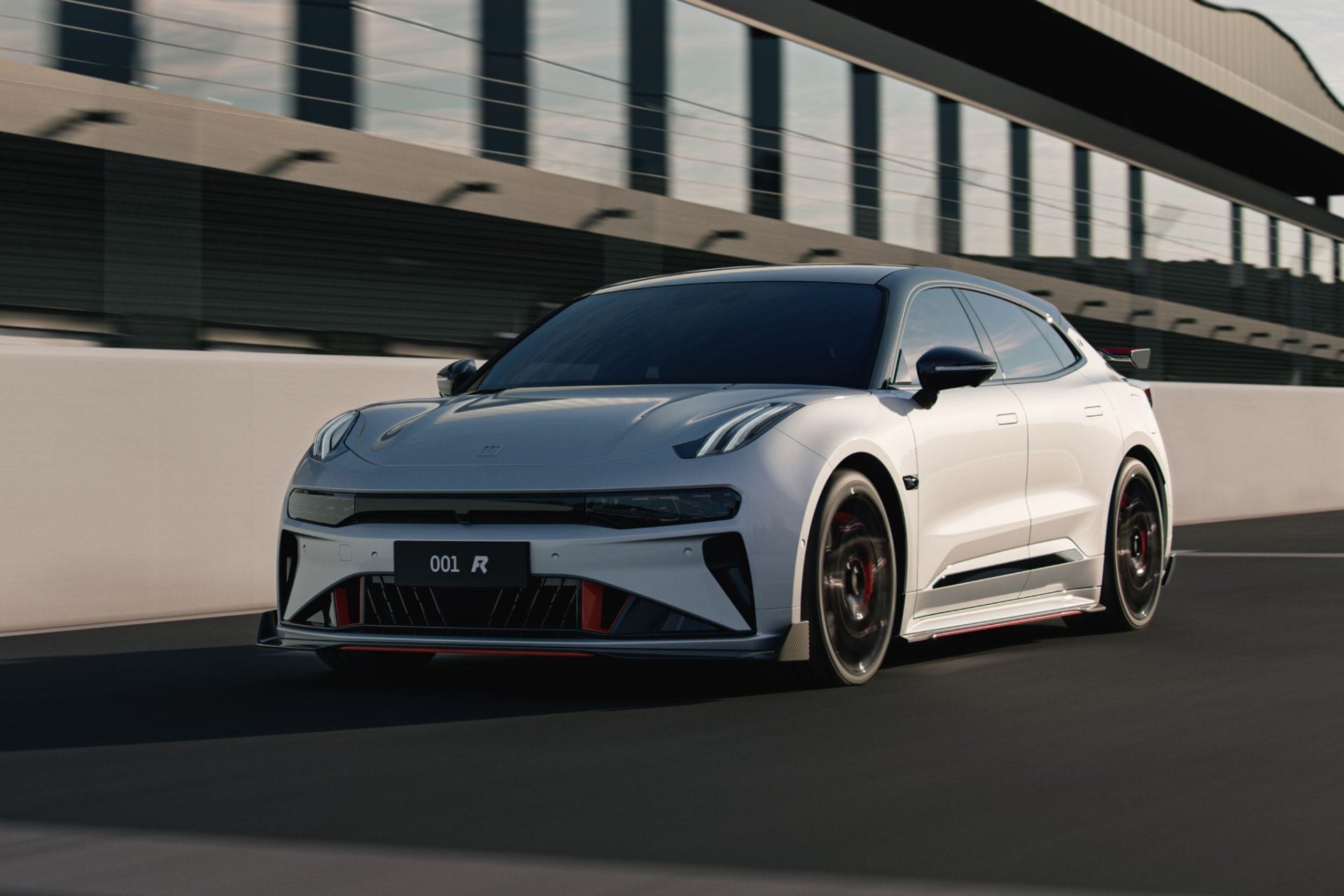
Geely’s luxury division made an electric super station wagon (Photo: Zeekr | Disclosure)
Another four-door model capable of displacing the Ferrari Luce is the Zeekr 001 FR. This extreme version of the station wagon — developed by the luxury division of the Geely group — delivers 1,265 hp of power, with production strictly limited to 99 units per month.
Acceleration from 0 to 100 km/h is done in an impressive 2.02 seconds. Although the official top speed is not disclosed, it is estimated to be very close to 300 km/h.
4. GAC Hyptec SSR
The model has already come to Brazil to be exhibited at events (Photo: GAC | Disclosure)
While several Chinese brands have presented electric supercar concepts at salons around the world, few have actually put them on the production line. GAC is one of the exceptions: it has been selling the Hyptec SSR since 2023 and has even exhibited a unit in Brazil.
With 1,224 hp of power, the model does 0 to 100 km/h in a quick 1.9 seconds. However, its top speed is limited to 250 km/h – a requirement in which it ends up losing to the Ferrari Luce.
5. Nio EP9
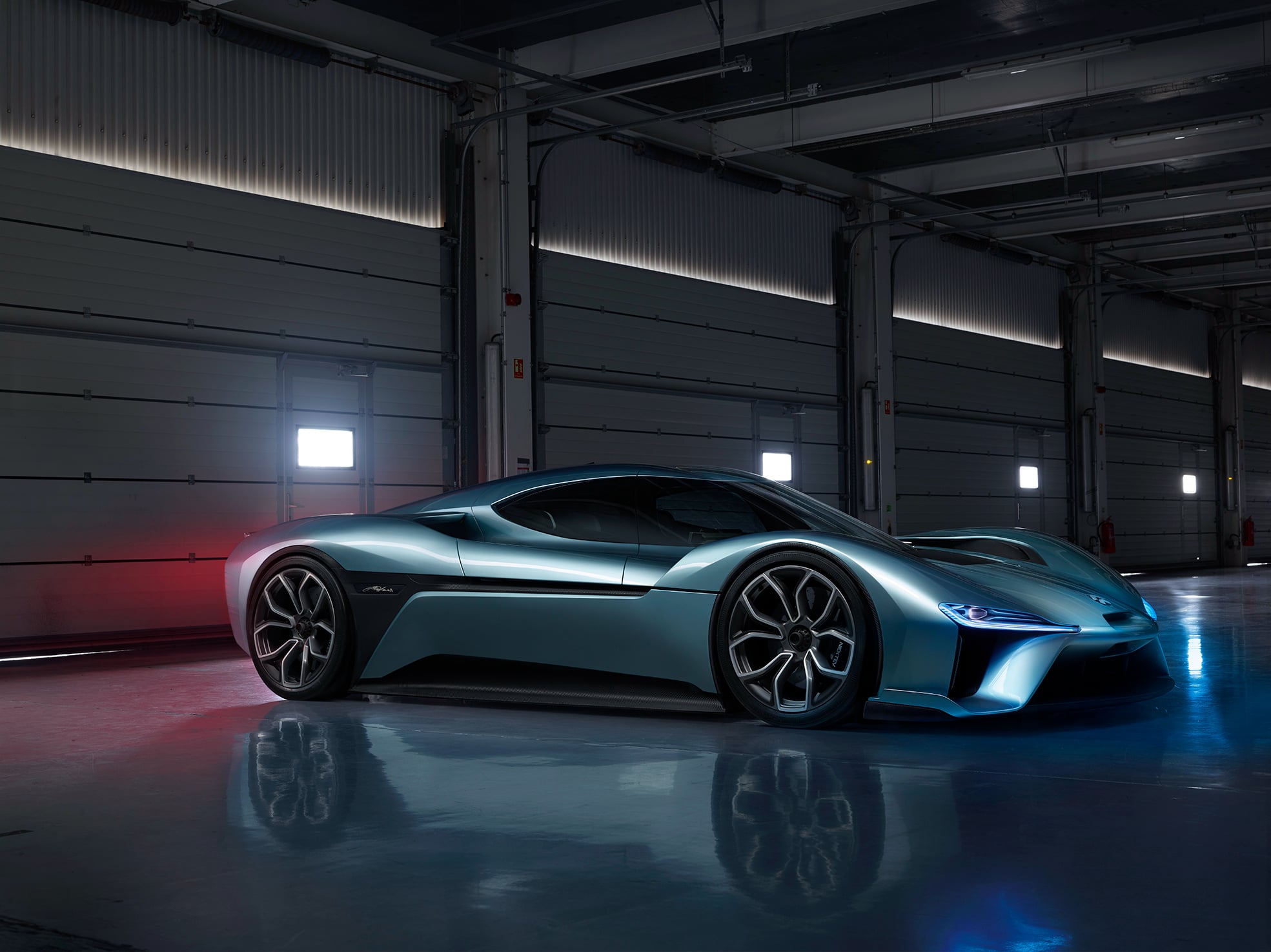
This was the first Chinese supercar and it was already electric (Photo: Nio | Disclosure)
The Nio EP9 was the first major investment by the Chinese in the electric supercar segment, back in 2016. The model gained global fame after being tested by British journalist Richard Hammond on the program The Grand Tour.
Built entirely in carbon fiber, the EP9 uses one engine per wheel, adding up to 1,360 hp. It trails the Ferrari Luce in 0-100 km/h by a fraction of 0.2 seconds, but makes up for the terrain with a top speed of 313 km/h.
Comments are the sole responsibility of their authors and do not represent the opinion of this site. Comments containing profanity or offensive language will not be published. If you identify anything that violates the terms of use, please report it.