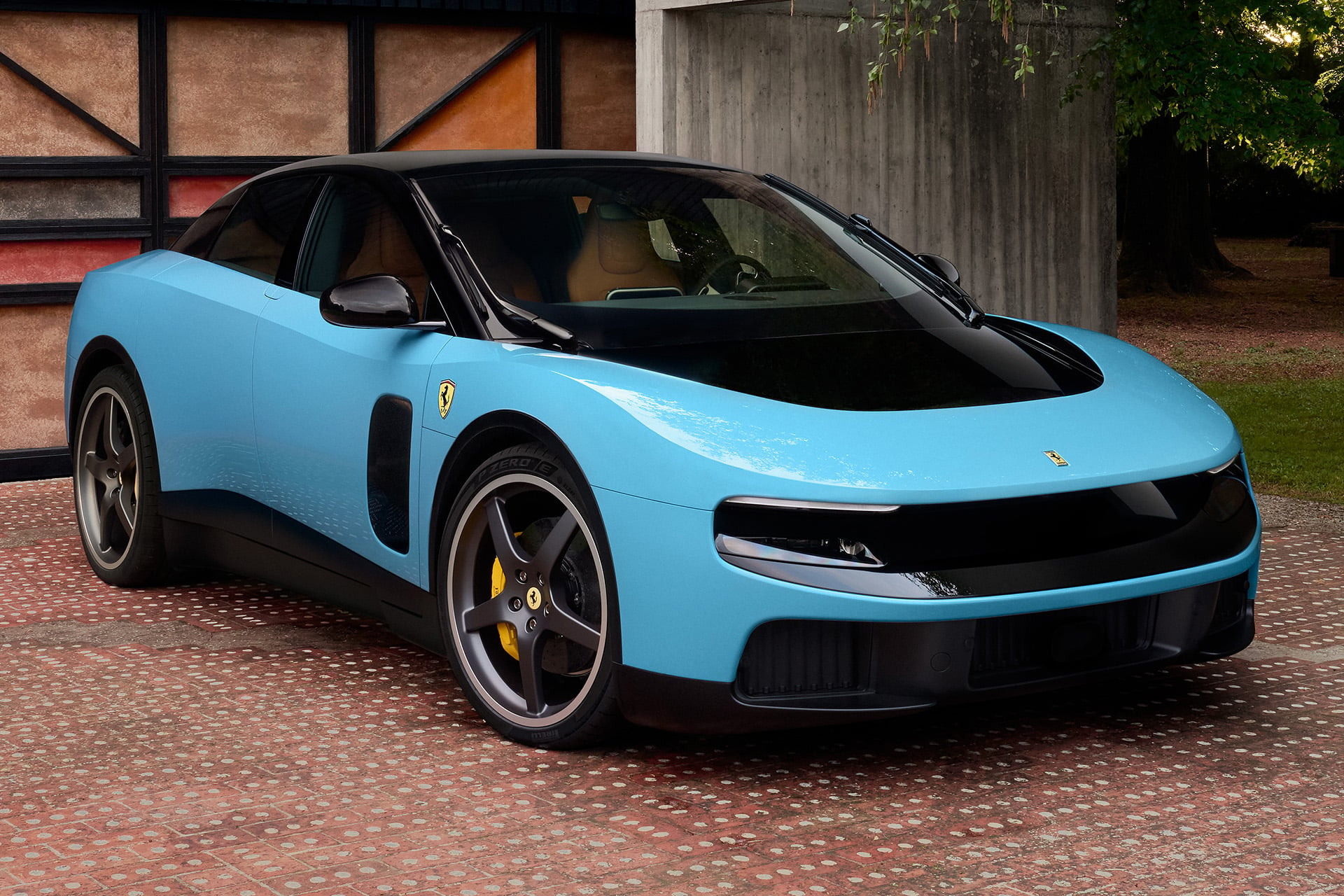
Designer Alexey Semenov, who signed projects such as the Fiat 500e, the second-generation Nio ES6 and the GWM Tank 700, exclusively analyzed the controversial Ferrari Luce, the Italian manufacturer’s first 100% electric model, exclusively for the CarNewsChina website. For the expert, the super sports car represents a missed opportunity by exposing the conflict between pure industrial design and the classic proportions of traditional automotive design.
Criticism of the proportions and the visual error of the wheels
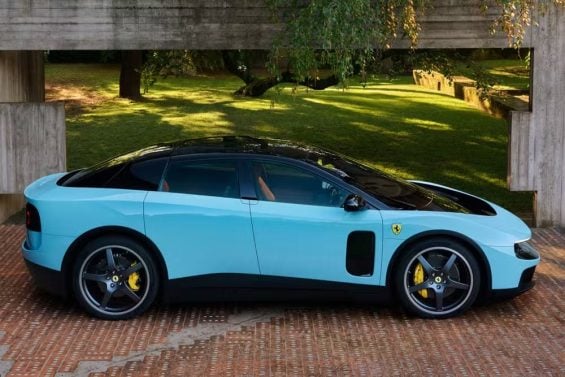
The analysis points to serious flaws in the distribution of body volumes. The vehicle is described as short, narrow and tall, a combination that generates an uncomfortable sensation of visual compression. The most glaring mistake is in the wheels: although the model uses huge 23″ rims at the front and 24″ at the rear, the result is counterintuitive.
Semenov explains that the aerodynamic finish with color division reduced the visual weight of the parts. In practice, the wheels appear to be 14 or 15 inches, far from the grandeur expected of a sports car of this caliber.
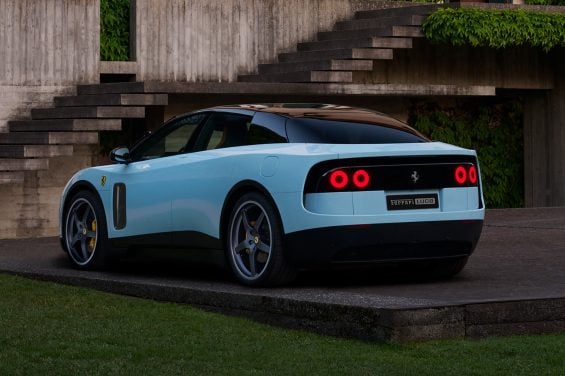
If the front is the most resolved point of the set, according to Semenov, the rear does not sustain the same confidence: it is classified as wide, high and excessively compressed, and the attempt to reinterpret the brand’s classic four circular taillights results in an abrupt roof drop. For the designer, Ferrari could have sought inspiration in models such as the Testarossa, which masterfully synthesized industrial thinking and automotive drama.
Sophisticated interior, but out of context for the brand
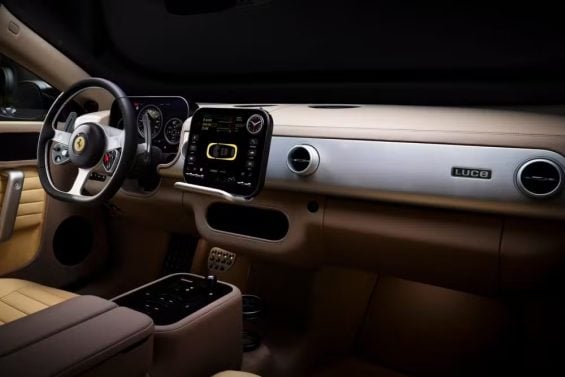
The interior of the Ferrari Luce, on the other hand, received technical praise from the designer: it was described as confident, coherent and rich in high-quality mechanical and tactile details. The big problem, however, is the lack of context.
According to Semenov, the cabin would work perfectly in an urban electric car from a debuting premium brand, but it raises an uncomfortable question about identity in a car the size of a Ferrari – and the design does not give a convincing answer to the emotional and sporty charge that the prancing horse requires.
Comments are the sole responsibility of their authors and do not represent the opinion of this site. Comments containing profanity or offensive language will not be published. If you identify anything that violates the terms of use, please report it.