


Those who have the cloned license plate will suffer from the new electronic toll
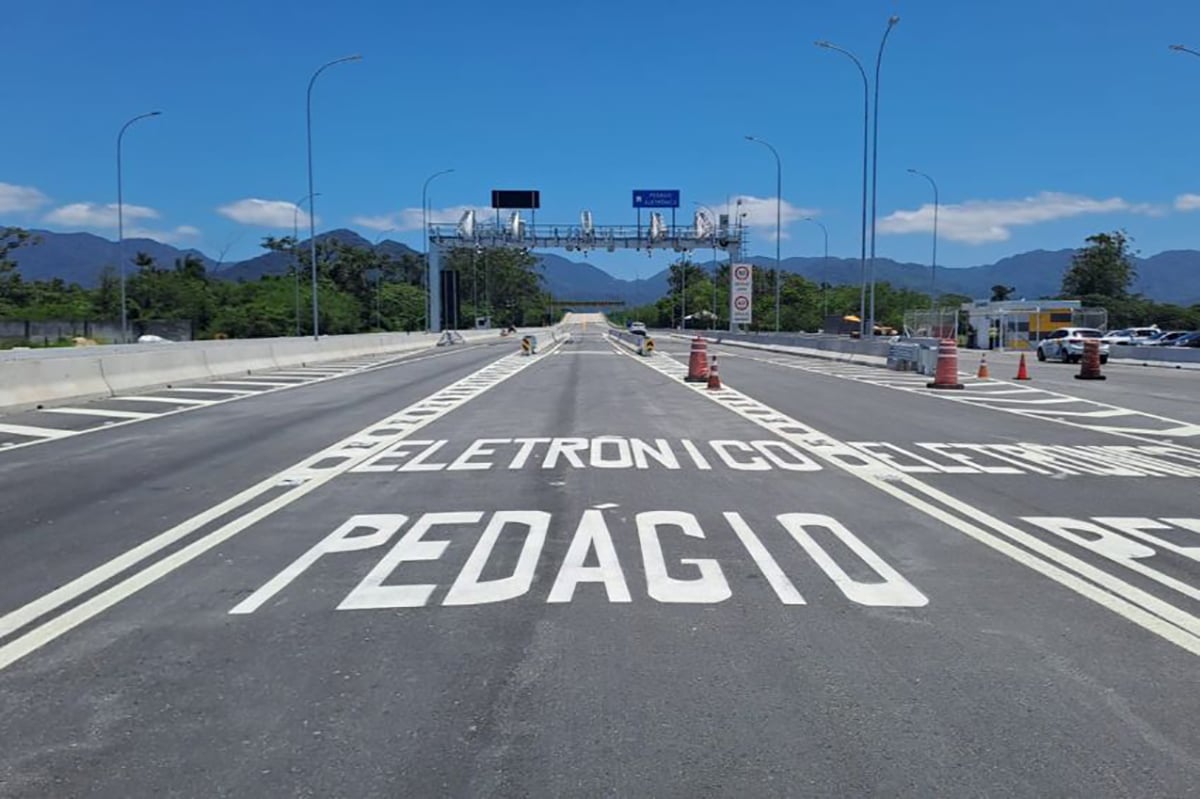
New free flow system replaces the booths with monitoring gantries that collect the fare electronically
By
Julia Vargas
Published on 2026-06-02 at 07:00 AM
Published on 2026-06-02 at 07:00 AM
Be the first to comment.
Summarize with:
Several roads in Brazil, especially those that pass through the southeast region, already have the electronic toll system, or free flow, which replaces the booths with gantries with monitoring technologies and cameras. This change helps with fluidity and agility in traffic, but can bring even more damage to those who had their license plate cloned.
Those who have toll tags, such as Sem Parar, Connect Car, Taggy and bank tags, will remain unchanged, while other drivers will be charged through the license plate, just like speed cameras do. In this way, those who have this cloned vehicle identification item will receive a bill for a toll they did not pass.
SEE ALSO:
- Know what to do if your plaque has been cloned
- I went through the Free Flow toll: see how to pay
- Understand how Free Flow will work after the suspension of 3.4 million fines
In addition to the electronic toll fee, there is a fine!
The unlucky owner who had his license plate cloned may still have to pay the fine for evading the toll. This is very likely to happen, as the toll charges do not reach the vehicle owner, no type of alert is sent.
Therefore, there is no way to know that this debt exists, as the responsibility for accessing the website of the highway concessionaire where it passed and tracking the charge through the license plate is the driver. Therefore, those who had the plaque cloned are subject to the following punishment:
Article 209-A. Evading the charge for the use of highways and urban roads in order not to make their payment, or failing to make it in the manner established: (Included by Law No. 14,157, of 2021)”
- Infraction – serious (5 points);
- Penalty – fine (R$ 195.23).
What to do if you have the cloned board?
If all the evidence points to your car’s license plate being cloned, first, it is necessary to file a police report (B.O) at a police station. Then, present the B.O to the State Traffic Department (Detran) of your state.
It is important to bring the car’s documents, such as the Vehicle Registration and Licensing Certificate (CRLV), the Vehicle Identification Inspection Report, in addition to your personal documents to prove the ownership and legal status of the car. After proof of fraud, the DMV itself will insert an administrative restriction in its records.
In this way, all authorities will be able to know that the vehicle was defrauded. In cases of receiving fines, it is recommended to appeal to the DMV so that the agency can verify the authorship of the fine.
Thus, with the administrative process of vehicle cloning, the owner of the cloned vehicle can request the change of the license plate and a reduction in the score resulting from the infractions not committed.
Centralization in the CNH do Brasil App helps with forgetting the electronic toll
In May, the electronic toll system underwent a restructuring in its collection and penalty rules. This is because the federal government, together with the National Traffic Council (Contran), announced the suspension of approximately 3.4 million fines applied for toll evasion.
The decision comes as a direct response to the difficulties reported by drivers in dealing with the new system and the lack of information. Road users were unable to identify the payment channels, the amounts due and the concessionaires responsible. To reduce the impact of this problem, a 200-day window was opened for outstanding debts to be paid without the incidence of administrative penalties.
To prevent the payment of the fare from going unnoticed and new fines from reaching drivers, after the 200-day period, the government intends to centralize the information. Today, the driver needs to navigate through several websites of different concessionaires to pay the fares, but the proposal is that the official application of CNH do Brasil concentrates all the data of passages through gantries and facilitates immediate payment in a single environment.
Although this has not yet been put into practice, there are some recommendations for the driver:
- Check your records: If you have used highways with a free flow system recently, check the concessionaires’ portals or the CNH app.
- Keep receipts: Documents of fines already paid and fee receipts are essential to get a future refund.
- Keep your registration up to date: Ensure that your data in the Federal Government system is correct to receive collection notifications.
SEE MORE ABOUT

0 Comments
Comments are the sole responsibility of their authors and do not represent the opinion of this site. Comments containing profanity or offensive language will not be published. If you identify anything that violates the terms of use, please report it.