New electric Ferrari is so hated that it made the brand’s shares plummet after its presentation
Uncertainty over the minimalist design designed by former Apple boss overshadows the performance of the new Ferrari and leads to a 6% drop in the brand on the Milan stock exchange
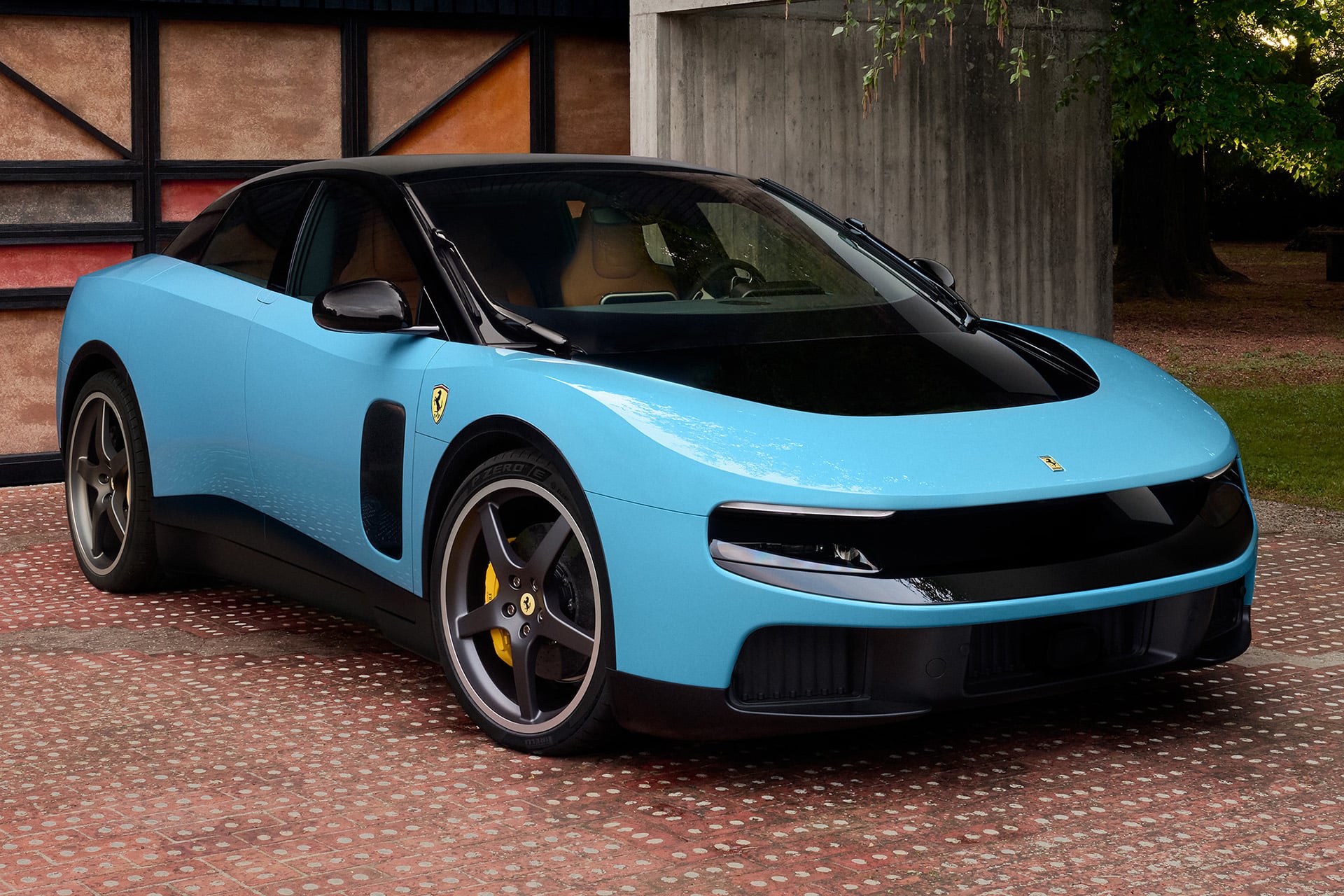
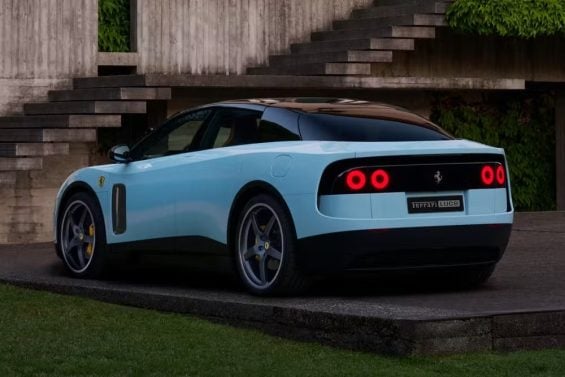
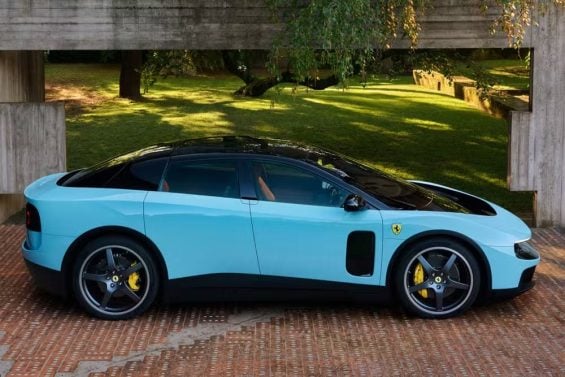
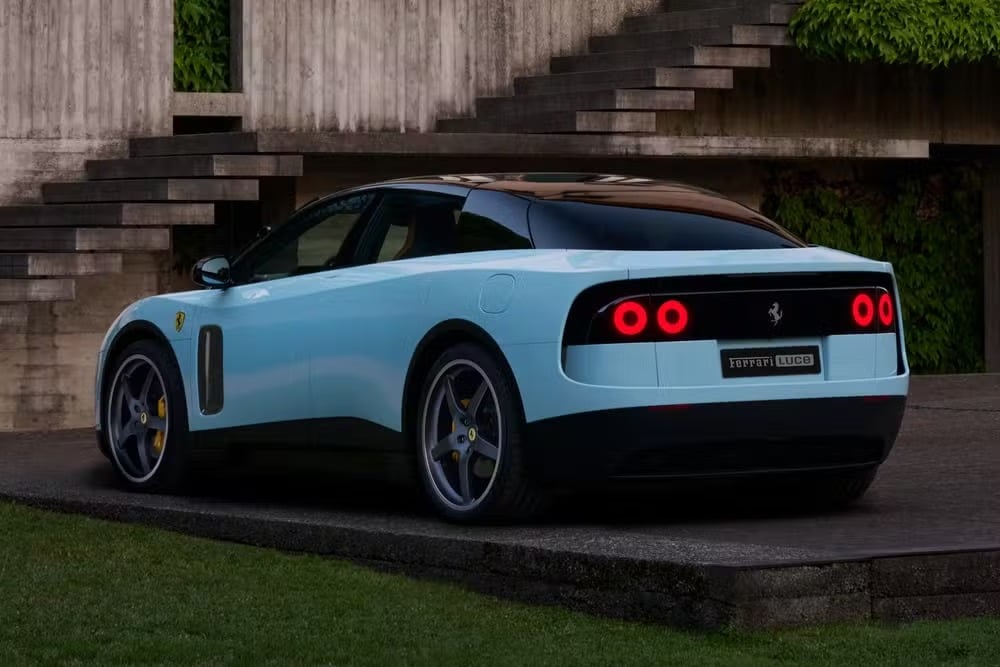
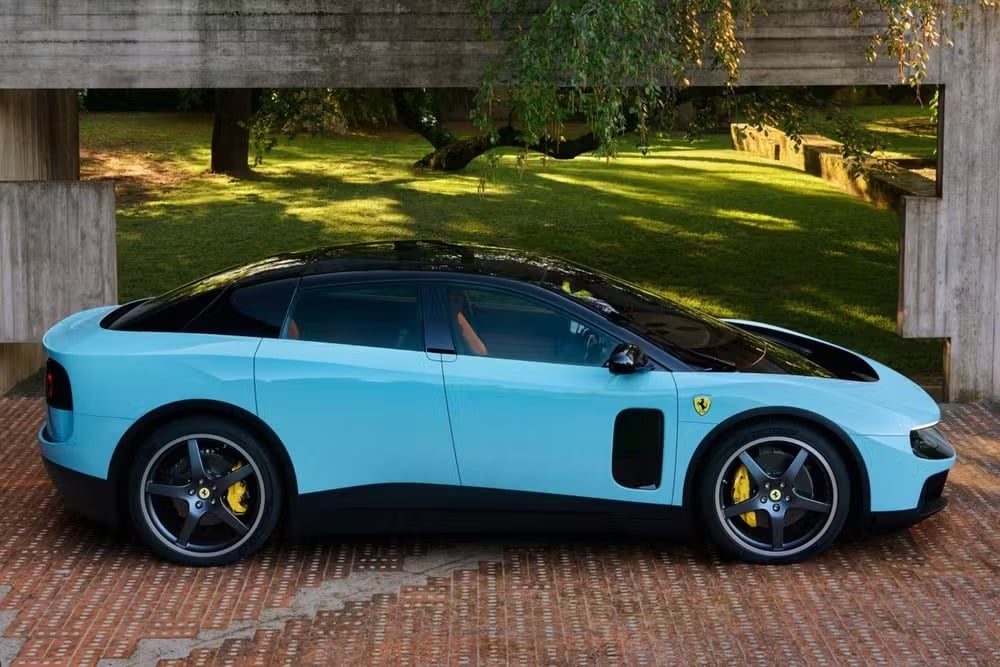
Apple-like look of the new Ferrari Luce did not please the market (Photo: Ferrari | Disclosure)
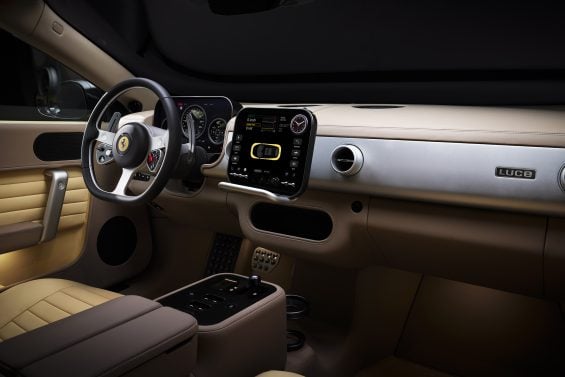
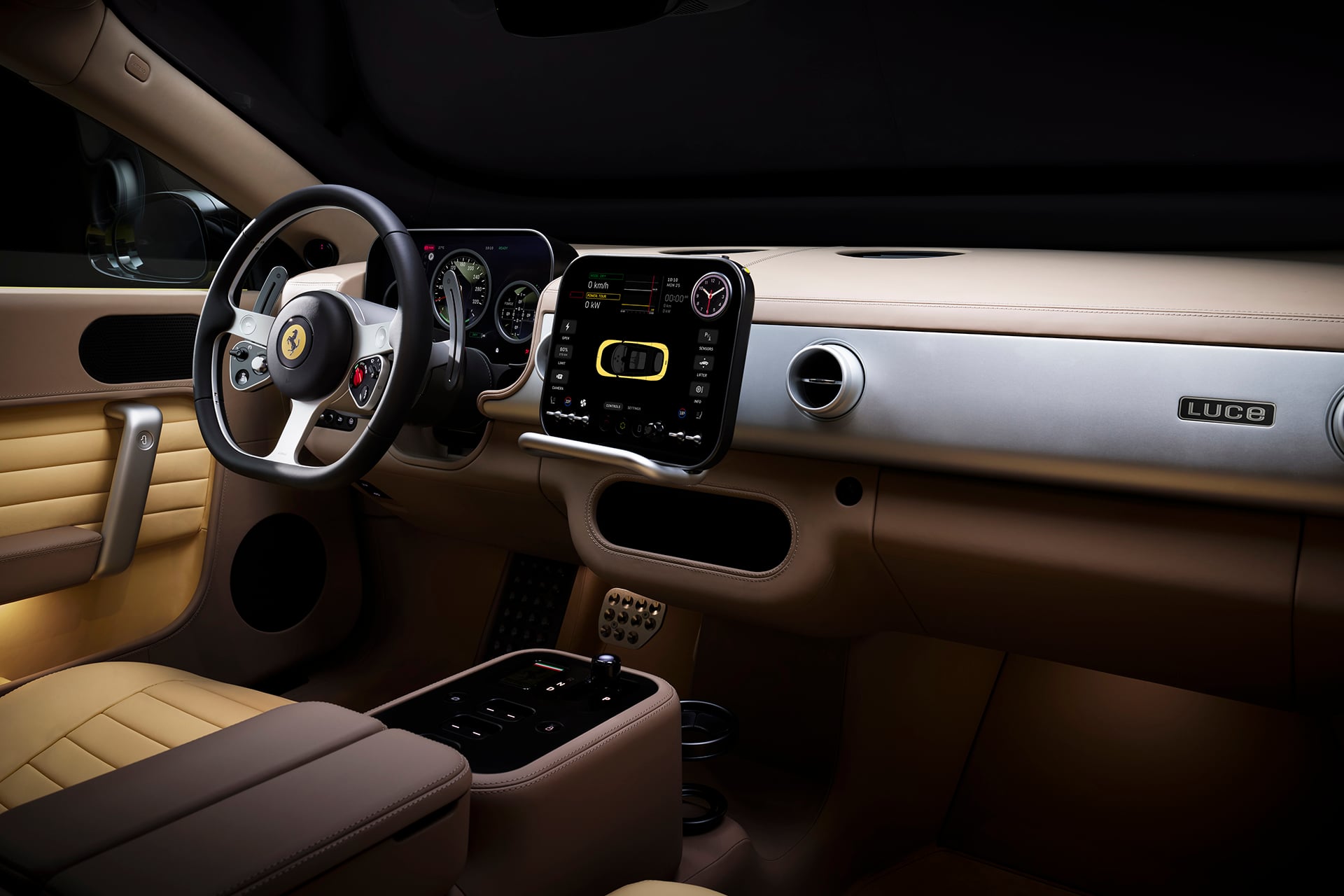
Hours after unveiling its first electric car, Ferrari saw its shares fall on the Milan stock exchange. The 6% decline after the arrival of the new Ferrari Luce signaled the immediate distrust of the financial market towards the model, which made the carmaker, valued at €56 billion before the announcement, lose market value. The oscillation was motivated by the division of opinions around the minimalist look of the car, designed by the LoveFrom studio, owned by Jony Ive, former head of design at Apple.
Sports performance and unprecedented family proposal
Despite the cool reception regarding aesthetics, Maranello’s engineering maintained the standard of high performance. The Luce has four electric motors that take it from 0 to 100 km/h in 2.5 seconds, with a top speed of 310 km/h. Powered by 122 kWh batteries, the vehicle promises a range of up to 530 km. The starting price for the international market is $640,000; in Brazil, this figure can exceed R$ 6 million.
This is a structural milestone: the Luce is the first car in Ferrari’s history to offer five factory seats and the second to adopt a four-door body, aimed at the high-income public. The crease-free look was championed by CEO Benedetto Vigna as a bold step, but analysts criticized the visual identity as a merger between a Tesla Model 3 and a Honda Accord. The main question is whether the new language breaks excessively with the legacy of combustion super sports cars.
Digital snoring and new projection for 2030
To mitigate the criticism of purist consumers, the electric emits an artificial engine sound. The noise is reproduced by internal and external speakers, generated from the direct amplification of the operating frequencies of the electric motors themselves. The launch of Luce coincides with a review of the company’s goals. The new plan retreated from the previous sustainable projection and now estimates a portfolio for 2030 consisting of 40% combustion models, 40% hybrids and only 20% purely electric.
Comments are the sole responsibility of their authors and do not represent the opinion of this site. Comments containing profanity or offensive language will not be published. If you identify anything that violates the terms of use, please report it.