


PwD cars: understand the impact of the decision that allows the purchase of vehicles with exemption for level 1 autistic people and people with mild disabilities
Supreme Court overturns restriction provided for by the Tax Reform and extends tax exemption on the purchase of vehicles by people with disabilities
By
Julia Vargas
Published on 2026-08-14 at 06:00 PM
Updated on 2026-08-17 at 02:23 PM
Published on 2026-08-14 at 06:00 PM
Updated on 2026-08-17 at 02:23 PM
Be the first to comment.
Summarize with:
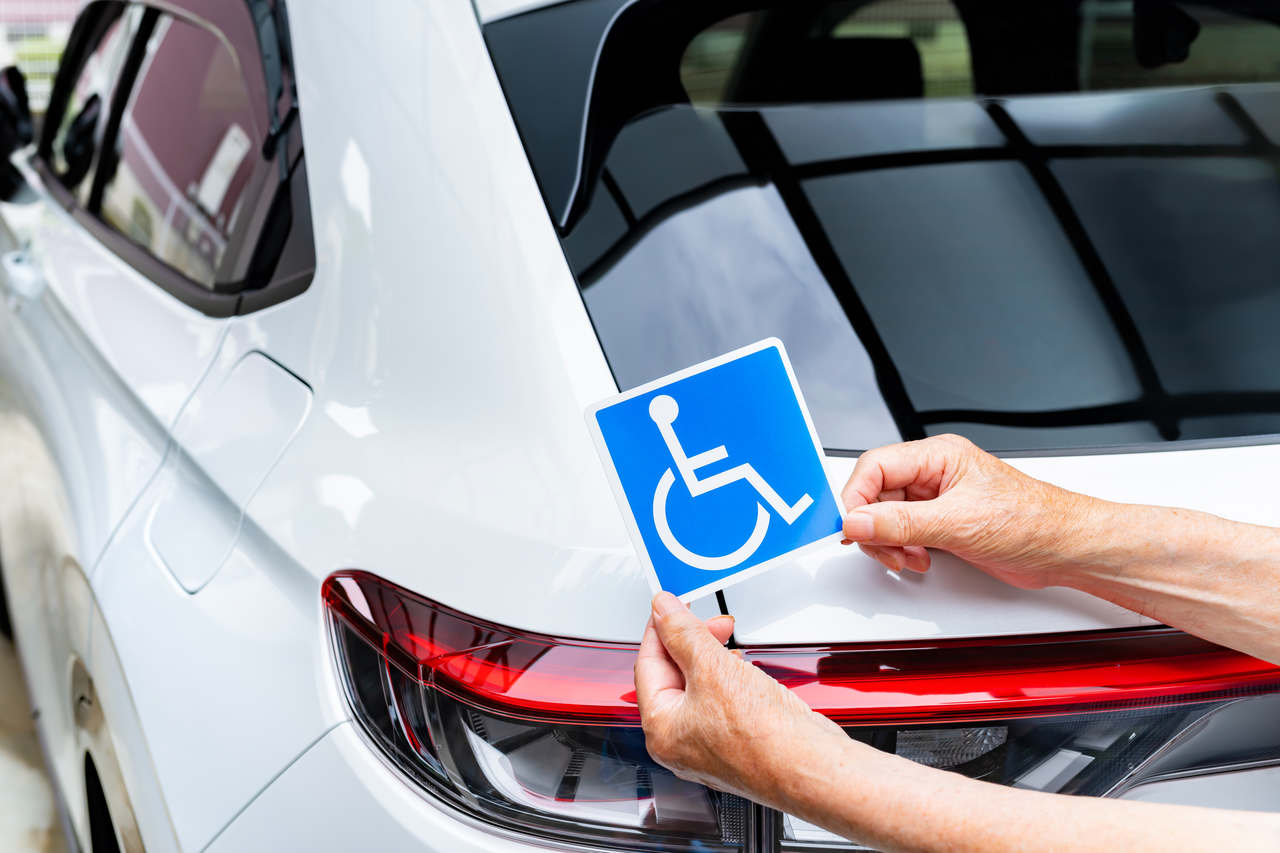
In a decision handed down by the Federal Supreme Court (STF), the ministers authorized people with mild mental disabilities and with Autism Spectrum Disorder (ASD) level 1 support to purchase brand new vehicles with tax exemption. The Court ruled unconstitutional the section of the 2025 Complementary Law, responsible for regulating the Tax Reform, which restricted the zero rate of the Tax on Goods and Services (IBS) and the Contribution on Goods and Services (CBS) only to moderate and severe diagnoses.
The direct action of unconstitutionality was filed by the National Institute for the Rights of Persons with Disabilities Oceano Azul and the National Association for the Support of Persons with Disabilities. The rapporteur of the case, Justice Alexandre de Moraes, emphasized in his vote that the granting of the tax benefit must be analyzed on a case-by-case basis, observing the requirements provided for in the legislation, prohibiting any type of automatic veto or generic discrimination.
SEE ALSO:
- Assistive engineering and PwD car; understand how to have an adapted vehicle
- What is a car like for PwD: understand adaptations in vehicles
- Engine oil additive is a trap
Moraes pointed out that individuals at level 1 of the autism spectrum can also have significant impairments in communication and social interaction on a daily basis.
Tax impact and benefit numbers
- Potential beneficiary: About 12.6 thousand people in level 1 of the autism spectrum (data from the Autism Brazil Map).
- Estimated annual demand: Average of 4 thousand requests per year (considering renewal every three years).
- Economic balance: the reporting minister stressed that the measure does not cause fiscal losses or generate risks to the country’s automotive sector.
Clinical degree cannot limit rights
Mara Ligia Kiefer, partner and leader of inclusion projects at Somar Diversidade and member of SAE (Society of Mobility Engineers) says that the STF’s decision was very consistent with the needs of individuals who are at level 1 support on the autism spectrum or who have mild disabilities. According to the expert, the level of support is to guide people’s needs and not to limit rights:
The fiscal restriction was violating the principles of Equality, Human Dignity and the UN Convention on the Rights of Persons with Disabilities. In addition, the decision of the justices brought more visibility to the evaluation model that is in the legislation: the person, their limitations, the barriers they face and their context. This condition is expressed in the Brazilian Inclusion Law.”
Mara Ligia Kiefer also pointed out that the overturning of the impediment expanded the debate on the conditions of people with non-visible limitations. Thus, as a rule, Autism is no longer described by the fixed condition of hierarchical severity, but by the functional level of support that the person needs to have autonomy and perform their activities.
Alessandro Fernandes, columnist for AutoPapo and author of Blog do Cadeirante, also reinforced that the decision was fundamental to increase inclusion, ensuring that people with disabilities have equal access to their rights, without arbitrary distinctions:
The STF’s decision was right in the sense of reinforcing constitutional principles such as human dignity, equality and prohibition of discrimination, since classification in grades has a clinical and care function only, and serves only to guide the type of support needed – and not to define who deserves legal protection or not.”
However, the columnist points out that there is still a lot to evolve with regard to PwD rights. In addition to this topic, Alessandro highlights the need for improvements in public transport, inclusive education, generation of opportunities in the labor market and in the health and rehabilitation conditions of people with disabilities, which should be on the agenda of bills and decisions at all levels of government.
SEE MORE ABOUT

0 Comments
Comments are the sole responsibility of their authors and do not represent the opinion of this site. Comments containing profanity or offensive language will not be published. If you identify anything that violates the terms of use, please report it.