Between August 11th and 13th, São Paulo hosted Lat.Bus 2026, one of the main urban mobility fairs in Latin America. The event brought together chassis manufacturers and bodybuilders, as well as panels and debates on the future of public transport and ways to reduce emissions. But another issue has also gained strength: the concern of the Brazilian industry with the advance of Chinese manufacturers.
From January to July 2026, according to data from the National Federation of Motor Vehicle Distribution (Fenabrave), BYD appears in second position among bus brands, with 175 units licensed. It is behind Caio Induscar, which supplies bodies for different chassis, including BYD’s own. Considering only July, however, the Chinese manufacturer led, with 60 units licensed.
During the event, the president of the National Association of Automotive Vehicle Manufacturers (Anfavea), Igor Calvet, said that Brazil needs to reconcile fleet renewal and decarbonization with the preservation of engineering and production capacity installed in the country.
According to him, foreign manufacturers are advancing not only in the Brazilian market, but also in neighboring countries that historically bought vehicles produced in Brazil.
Preserving our engineering is our productive capacity in the face of this competition is not resistance to change. It is the defense of qualified jobs and technical knowledge that manufacturers installed in Brazil took 70 years to build,” said Calvet.
Rubem Bisi, president of the National Association of Bus Manufacturers (Fabus), also defended consistent and sustainable programs to finance the technological update of public transport. For him, it is necessary to create balanced conditions of competition for an industry that generates jobs, collects taxes, develops low-emission solutions and exports vehicles and technology.
Automakers pin the Chinese
During the presentations, some automakers made a point of highlighting that their solutions are developed and tested in Brazil to meet the characteristics of the national market.
The argument also reached the after-sales. With locally developed products, the dealer network and technical support are closer to the customer. In other words: if there is a problem, the promise is of a faster solution than that offered by a fully imported product.
Check out the main releases:
Volvo
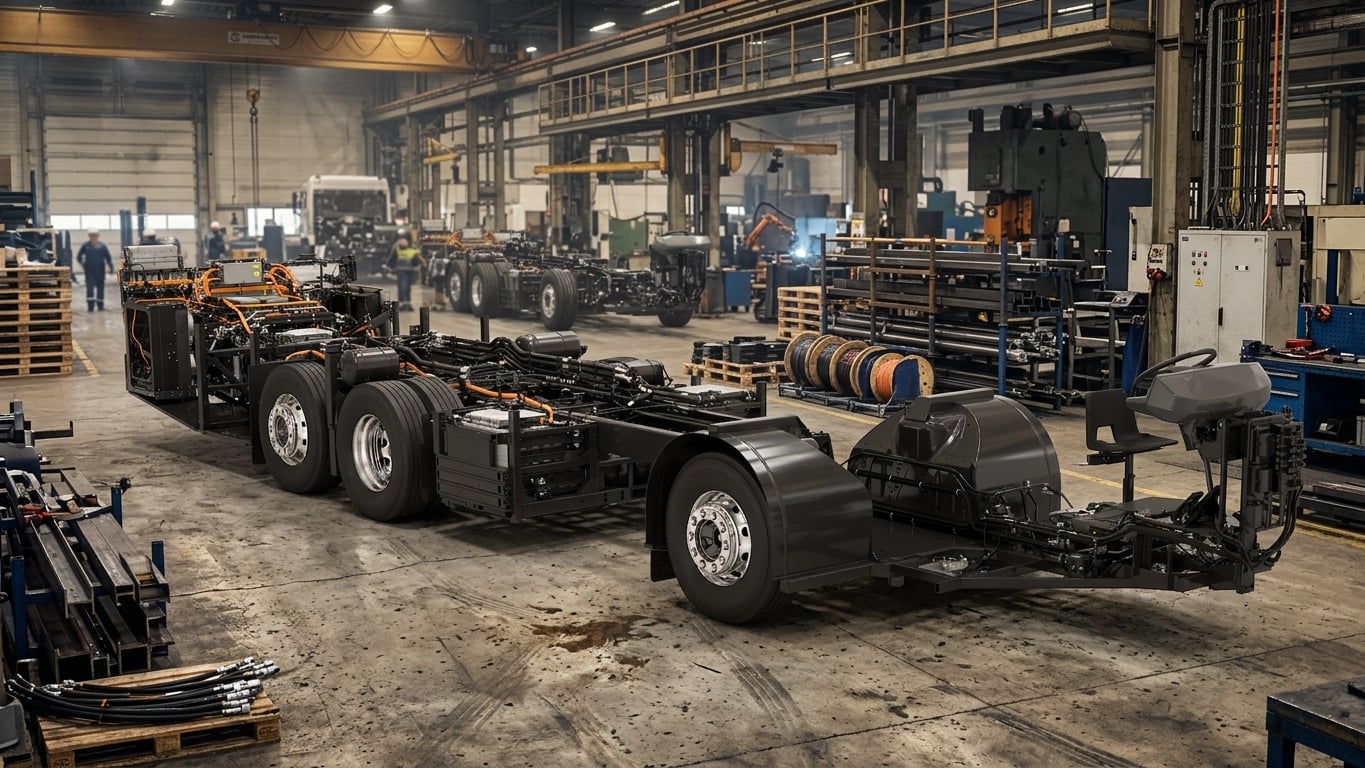
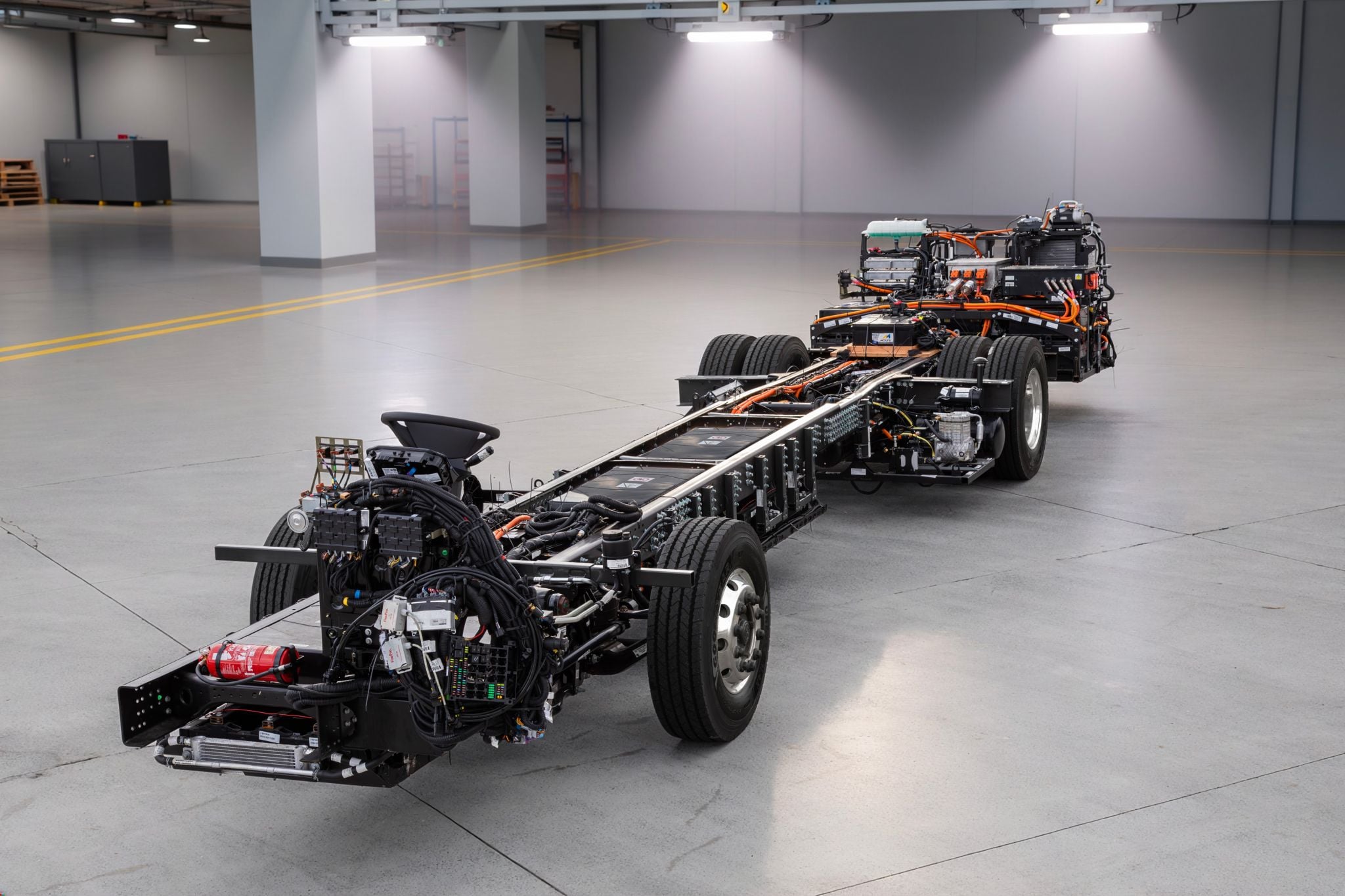
Volvo took two new products to Lat.Bus 2026. The first was the BZR-LE 6×2 electric chassis, intended for bodies of up to 15 meters and capacity for up to 110 passengers. The model uses the new generation of Volvo CUBE batteries, with high energy density, and can reach up to 300 kilometers of autonomy.
Volvo took a chassis for the 15-meter bodies, which has become an alternative to articulated (Photo: Volvo | Disclosure)
With high-power charging, the system supports up to 250 kW via the CCS2 socket and can perform a full charge in up to two hours.
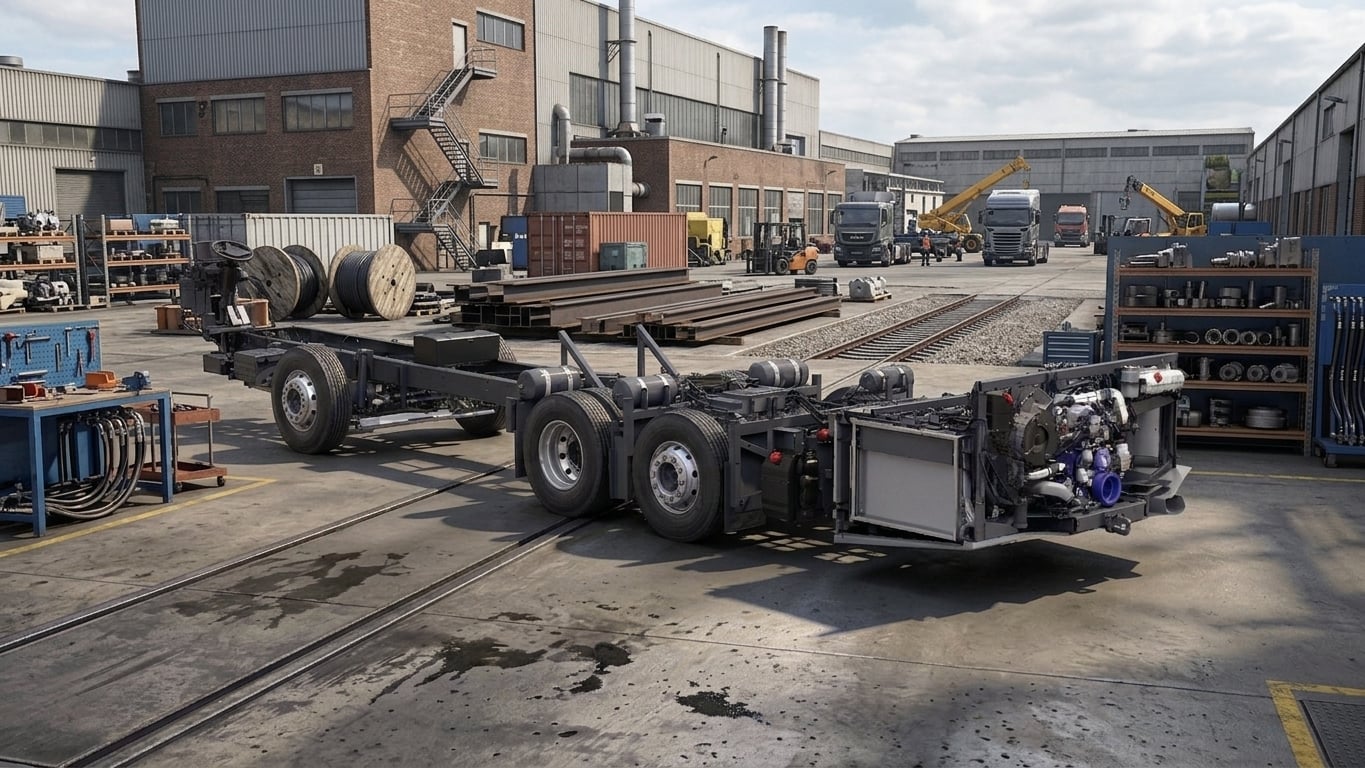
The second launch was the B320R B100 Flex 6×2. Equipped with the D8K engine, the same used in the semi-heavy VM, the chassis can operate with B100, pure biodiesel, or conventional diesel, in any proportion. The technology is already available in the FH 500 B100.
After the heavy FH has a version with pure biodiesel, the B100, the technology arrives in buses (Photo: Volvo | Disclosure)
Volvo also announced the arrival of the i-See system at Lat.Bus 2026, which uses artificial intelligence to optimize acceleration and gear changes. The technology will be offered in the B380R, B420R, B460R and B510R chassis, all equipped with a 13-liter engine.
Mercedes-Benz
Completing 70 years of operations in Brazil in 2026, Mercedes-Benz took advantage of the fair to announce the start of sales of the eO500UA chassis, intended for articulated buses.
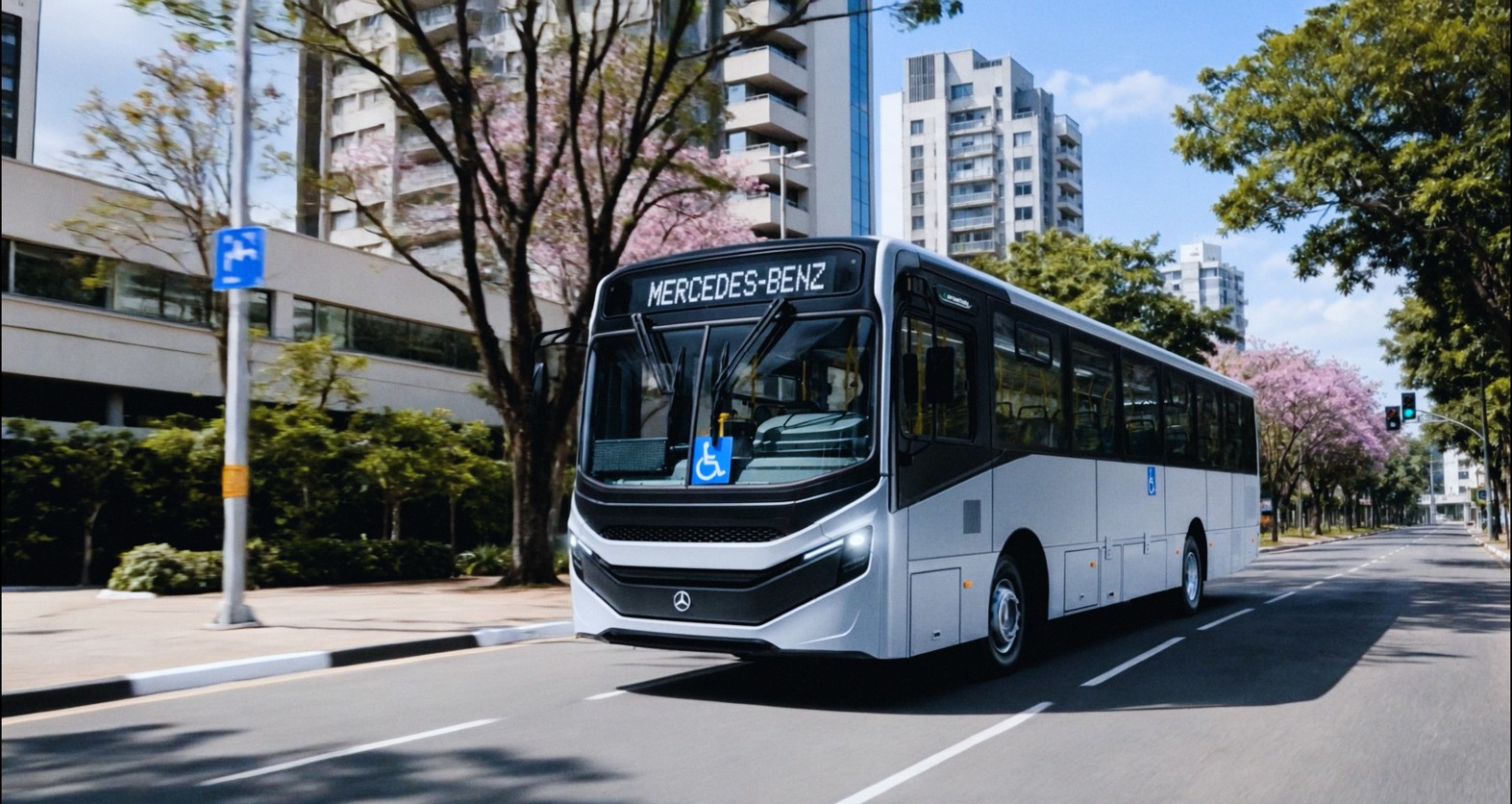
Mercedes eCity focuses on offering what the Chinese offer, a complete vehicle at a competitive price was one of the highlights of Lat.Bus 2026 (Photo: Mercedes-Benz | Disclosure)
But the big news was the eCity, a 100% electric bus developed on the OF chassis platform, the brand’s sales leader in the Brazilian market. The eCity will also be sold already body-trained, a strategy that puts Mercedes-Benz in a more direct confrontation with Chinese manufacturers that have adopted the same business model.
With 12 meters in length and a high floor, the bus will have an average autonomy of up to 150 kilometers. Mercedes-Benz will also offer electric mobility consulting to assess the technical feasibility of the vehicle in each operation.
It is scheduled to arrive on the market in 2027. The price has not yet been disclosed.
Volkswagen Trucks Buses
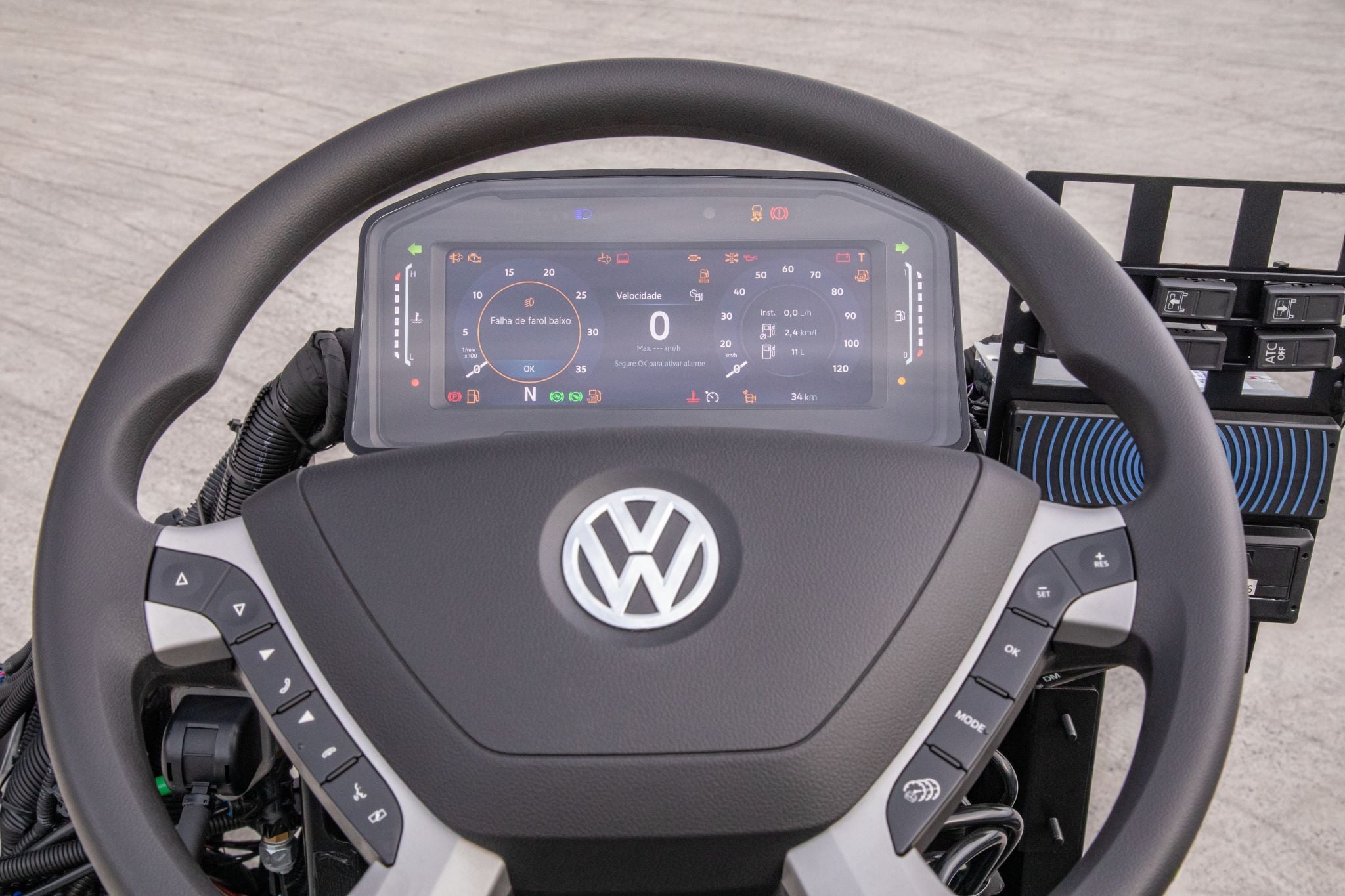
Another birthday girl, Volkswagen Caminhões e Ônibus, which celebrates its 45th anniversary in Brazil, presented three novelties. The first is that the entire bus line now has a digital panel, a technology already used in the Delivery, Constellation and Meteor models.
Panel that already equips the automaker’s trucks now reaches buses (Photo: VW | Disclosure)
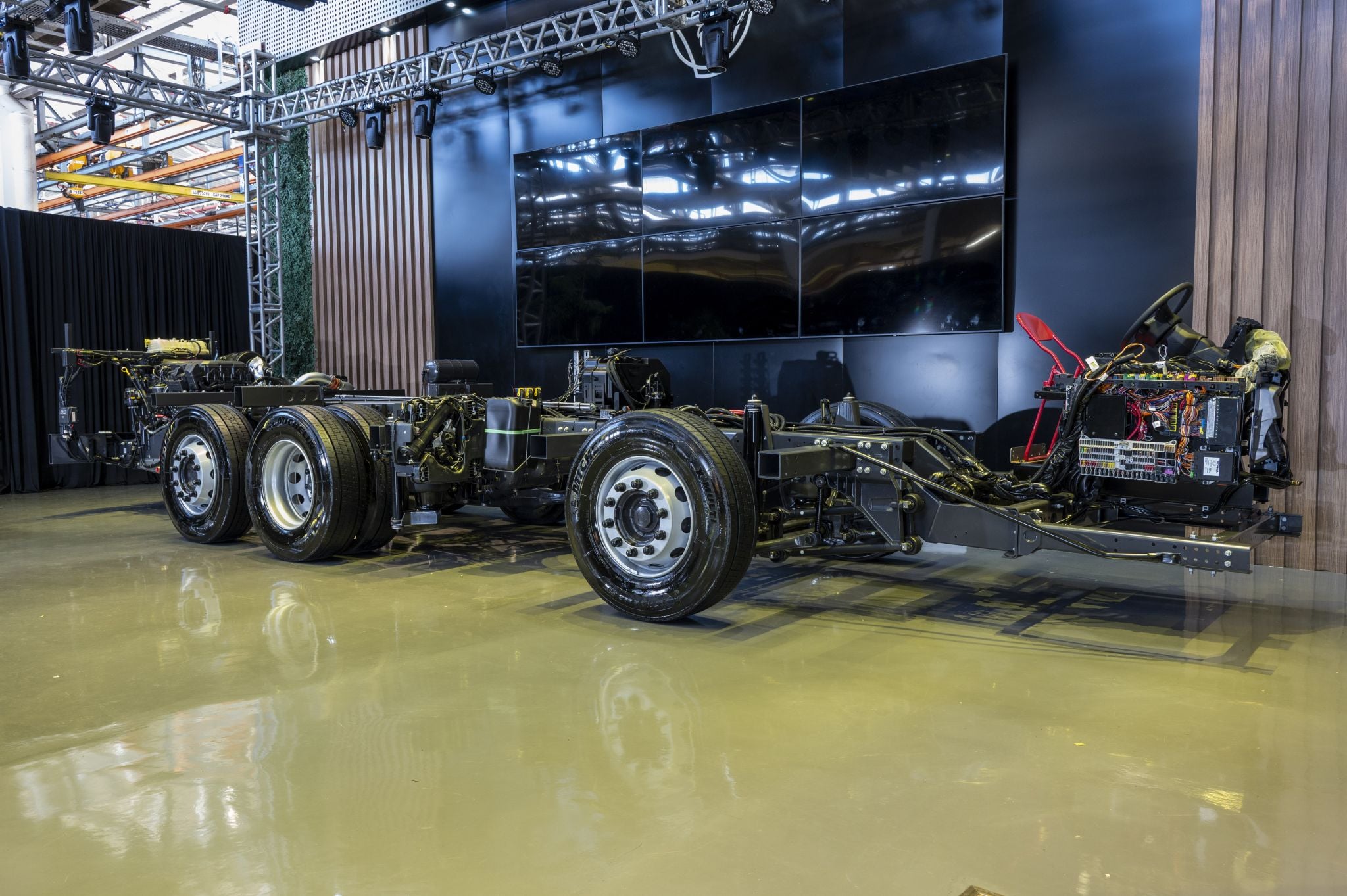
With a focus on electromobility, the manufacturer presented the new e-Volksbus 18H, aimed at charter transport, and e-Volksbus 22H, intended for urban operations, including BRT corridors and cities with elevated platforms. The e-Volksbus 22H can carry up to 82 passengers.
During the presentation, the automaker made a point of emphasizing that the chassis is a 100% national development (Photo: VW | Disclosure)
Both models will have two battery options. With eight packs, the autonomy reaches 200 kilometers. With 12 batteries, it can reach 250 kilometers.
Scania at Lat.Bus
The automaker brought news in diesel and electric buses. In diesel, it was the new 11-liter SUPER engine, which should also reach trucks and should be one of the novelties of Fenatran 2026.
Intended for road and urban applications, the engine will have versions of 350, 390 and 430 hp. The main novelty is the Turbo Dosing system, which uses the turbo to apply Arla 32, promoting more efficient spraying and reducing the consumption of the reagent.
SUPER engine previously available only with 13 liters, gains an 11-liter version and debuts on buses (Photo: Scania | Disclosure)
Along with the new engine come the G25CM 14-speed gearbox with overdrive, the new 4.700D retarder and the R 756 axle, up to 27 kg lighter than the R 780.
In electromobility, Scania presented the new K300 6×2 4 electric chassis, intended for bodies of up to 15 meters and capacity for up to 105 passengers. The autonomy is between 250 and 300 kilometers. The model also received the new R886 rear axle, with a 4.56:1 ratio.
In the configuration with four batteries, three in the roof and one installed in the rear region, the total capacity is 356 kWh, of which 320 kWh are usable. The recharge time is approximately 62 minutes.
With five batteries, the capacity rises to 445 kWh, with 400 kWh useful, and recharging takes about 73 minutes. The set uses the 300 kW C1-4 electric machine, equivalent to approximately 410 hp, connected to a four-speed transmission.
Iveco Bus
Experiencing a good moment in the Brazilian market, with significant growth in 2025, Iveco brought specific news to the fair.
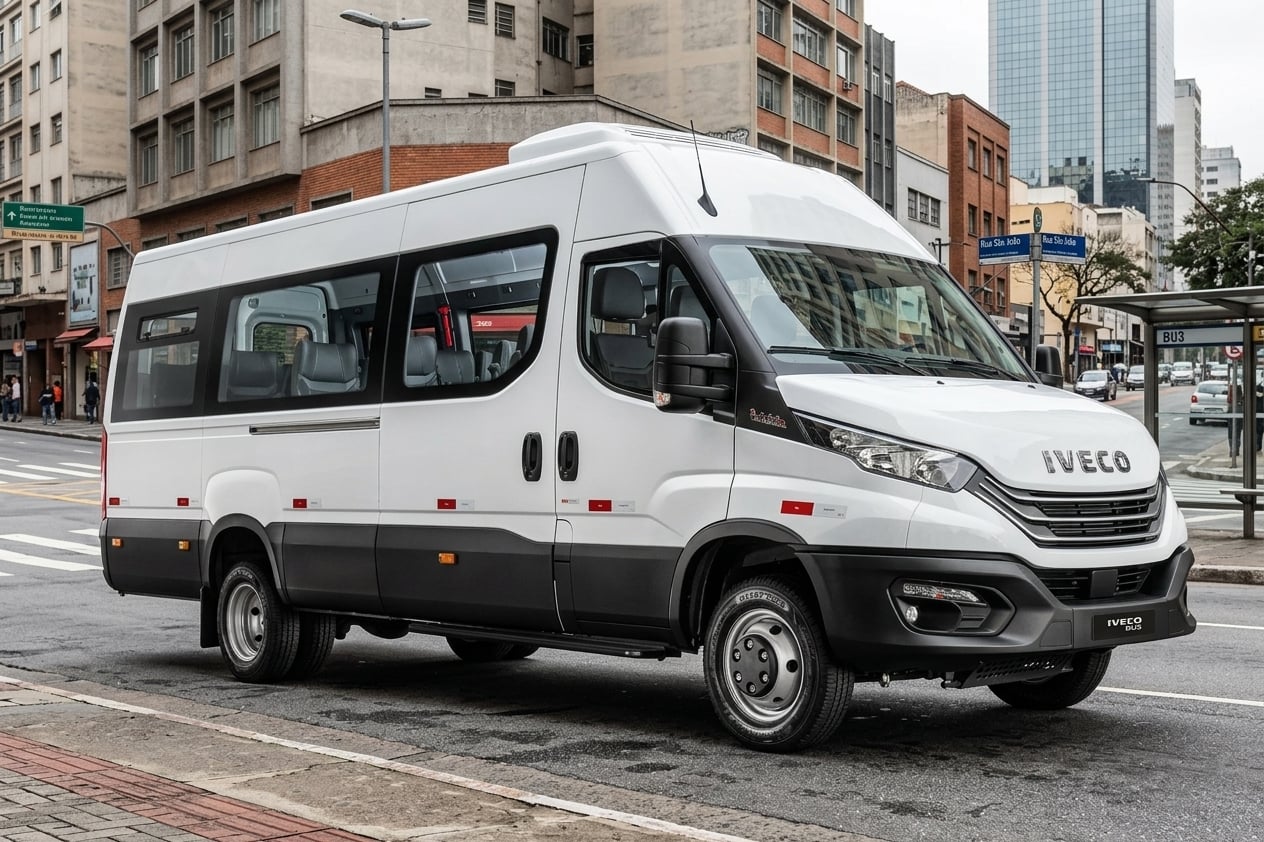
In the Daily Minibus line, the manufacturer presented the 17+1 configuration, with capacity for 17 passengers plus the driver, intended for the charter segment.
Hi-Matic automatic transmission leaves the cargo version and starts to equip the Daily passengers (Photo: Iveco | Disclosure)
The Daily Minibus 45-180 and 50-180 also feature the Hi-Matic automatic transmission, the same eight-speed ZF 8HP gearbox already offered in the Daily 35-180. The models use the FPT F1C engine, with 180 hp and 430 Nm of torque.
Among the chassis, Iveco presented the 17-280, marking the manufacturer’s debut in the segment with a four-cylinder engine. The engine is the FPT N45, with 210 hp and 720 Nm of torque.
Finally, the brand took the 17-210 G chassis, powered 100% by gas produced at the Iveco plant in Córdoba, Argentina.
Marcopolo at Lat.Bus
One of the most traditional Brazilian bodybuilders, Marcopolo presented two major launches. The first was the Paradiso G8 TEC, which gained new technological features, such as digital mirrors, a camera system with 360° vision and driver monitoring by artificial intelligence, capable of identifying signs of fatigue, distraction and risky behaviors.
The bodywork also received aerodynamic improvements. New fins, developed in partnership with the Technological Institute of Aeronautics (ITA), can reduce fuel consumption and emissions by up to 3.5%.
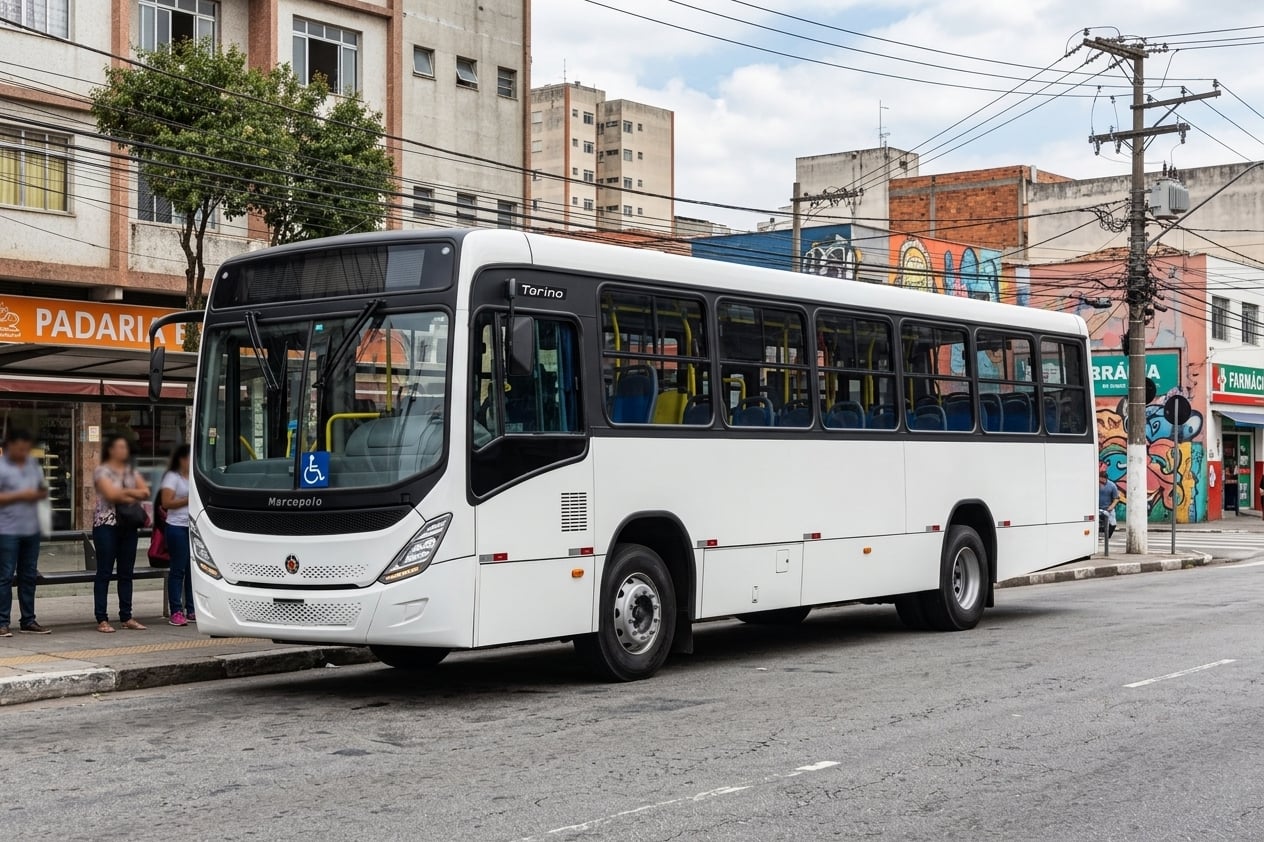
The traditional Torino gets a facelift for the 2027 line at Lat.Bus 2026 (Photo: Marcopolo | Disclosure)
The second novelty was the new Torino, a leading body in the urban segment and which has been on the market since 1983. In the 2027 line, the model received a new front optical set, with options of LED or halogen headlights, integrated LED DRL and LED fog lights. The headlight access cover has also been redesigned to facilitate maintenance and replacement of components.
The air conditioning system was also improved, with better air distribution inside. Torino also received new thermal and acoustic insulation packages and new seats.
Caio Induscar
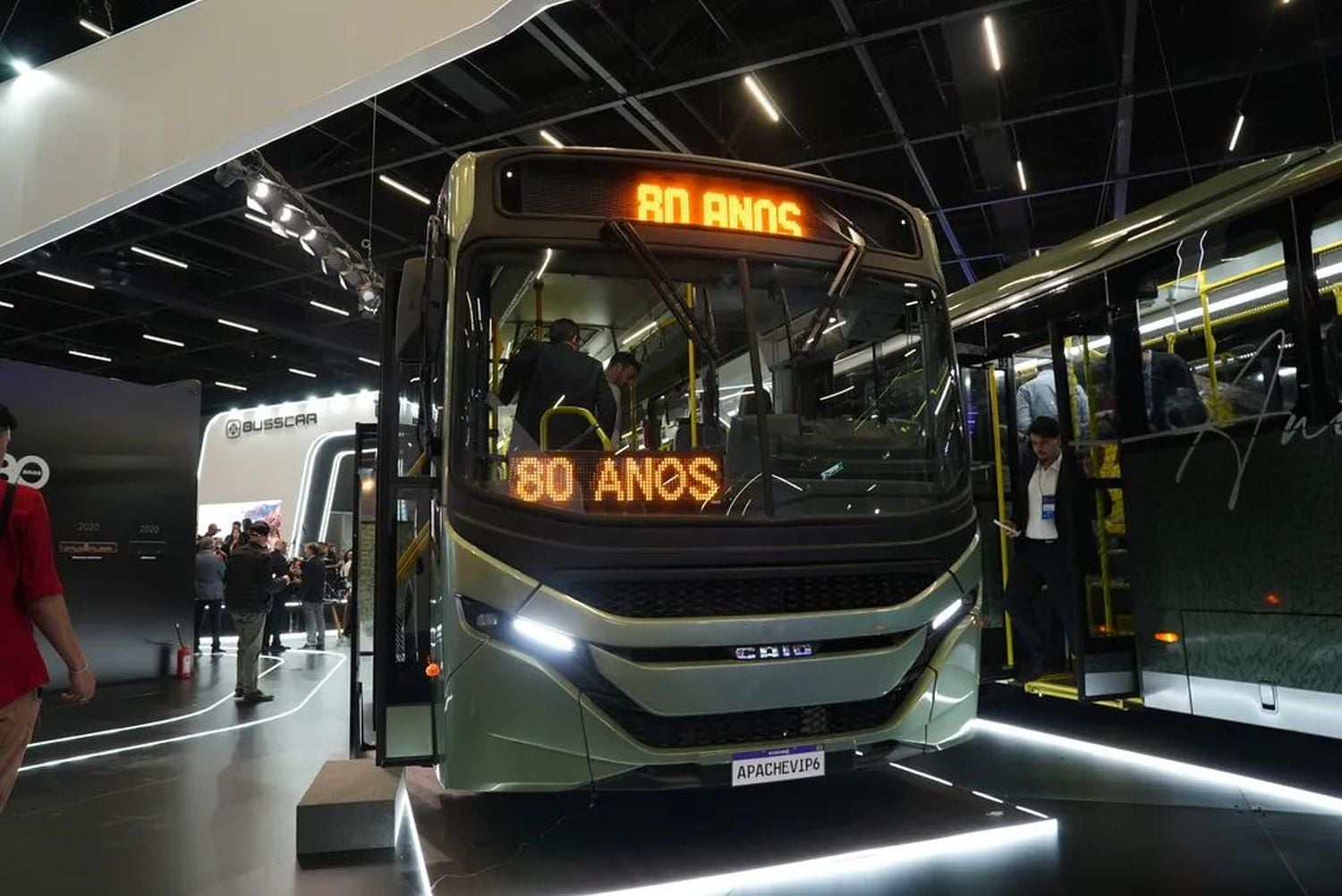
Finally, Caio Induscar presented, at Lat.Bus 2026, a new line aimed at urban applications. The second generation of the eApache VIP (electric), the Apache VIP IV (diesel), the bMillennium (biomethane and gas), as well as the eMillennium (electric) were at the booth.
Comments are the sole responsibility of their authors and do not represent the opinion of this site. Comments containing profanity or offensive language will not be published. If you identify anything that violates the terms of use, please report it.