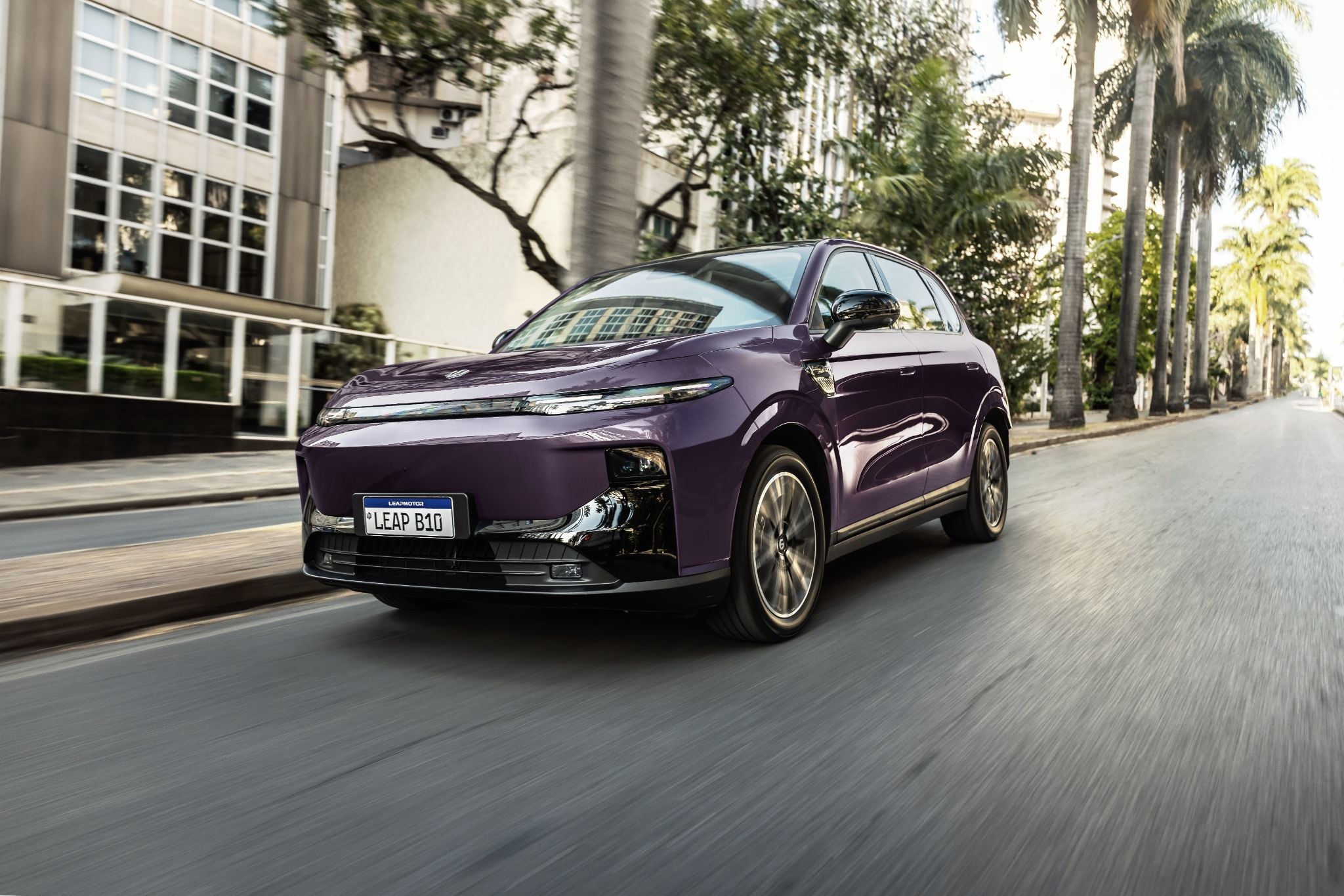
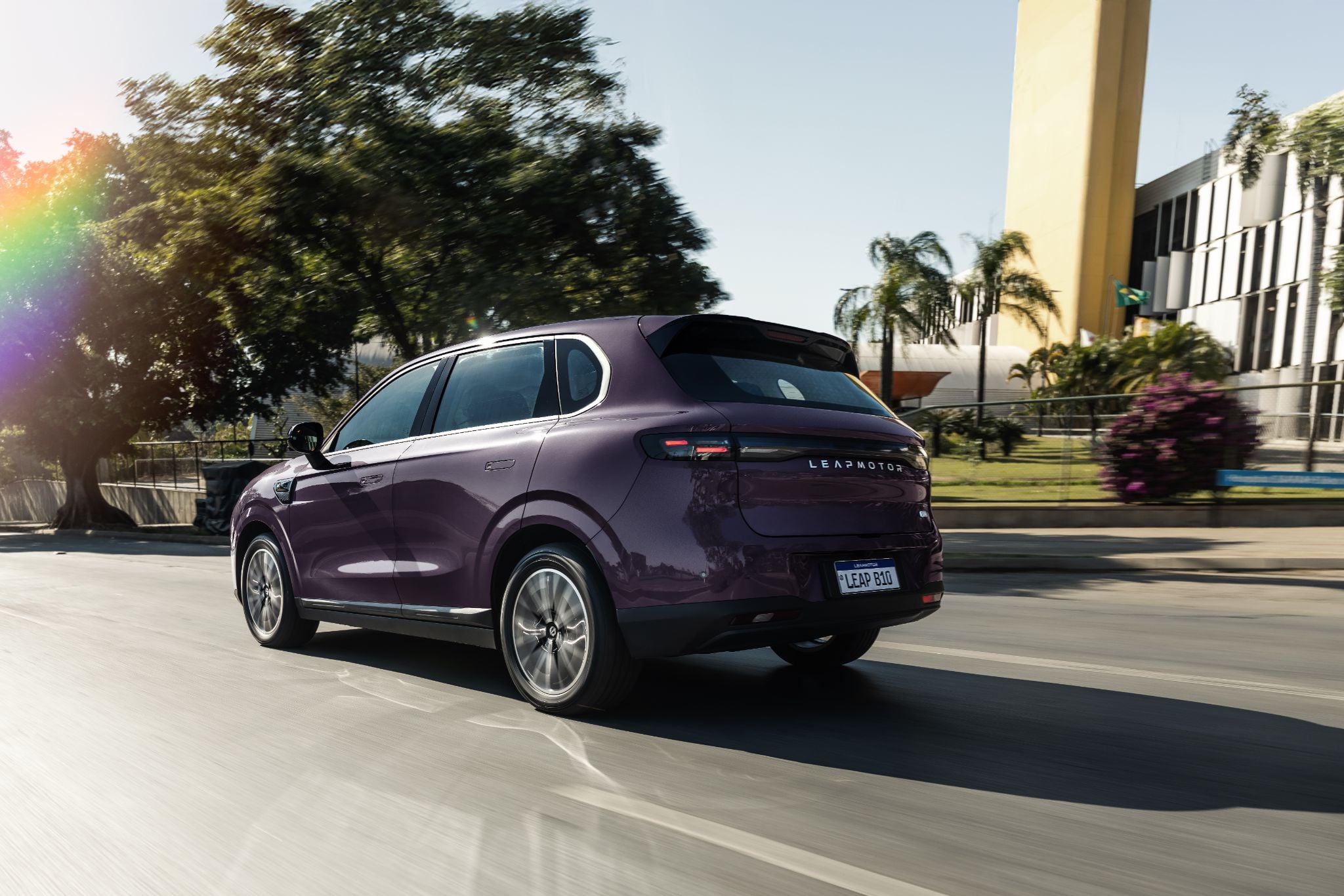
The popularization of electric cars still comes up against a common question among Brazilian consumers: is it possible to live with a battery-powered vehicle without installing a home charger? We climbed the Leapmotor B10, the new electric SUV of the Chinese brand controlled by the Stellantis group, to try to answer just this question.
With a suggested price of R$ 182.990, the model arrives to occupy an intermediate range of the market. It costs practically the same as entry-level versions of medium combustion SUVs, such as the Jeep Compass, but bets on a more sophisticated technological package and potentially lower operating costs.
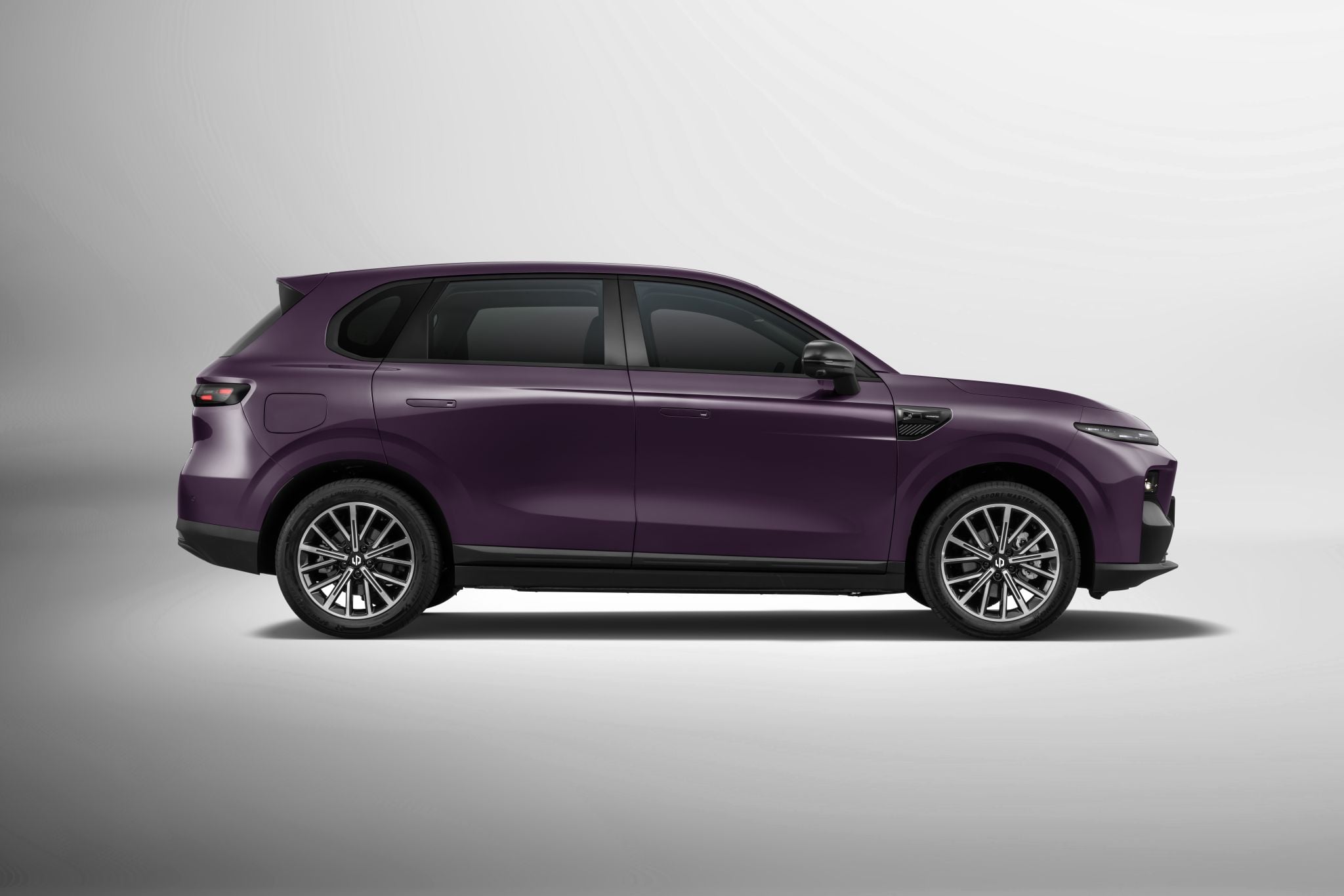
The B10 measures 4.51 meters in length and is similar in size to the best-selling medium SUVs in the Brazilian market. The proposal is to serve consumers who want to migrate to electrification without giving up internal space and without resorting to compact electric cars that dominate the most affordable ranges in the segment.
SUV is 4.51 m long and has a wheelbase of 2.73 m
The 56 kWh battery guarantees a range approved by Inmetro of 290 kilometers. As with any electric vehicle, the actual range depends on factors such as driving style, terrain, ambient temperature, and load carried. Still, for those who travel between 20 and 30 kilometers a day, the range allows you to spend practically an entire week without the need to recharge.
It was precisely this scenario that served as the basis for our test. During the evaluation period, the B10 was used without a home charger. Instead, the recharge was made at paid public charging stations.
Public recharge can pay off
In one of the shipments carried out in Belo Horizonte, about R$ 30 were spent to recover approximately 100 kilometers of autonomy. Considering the average price of gasoline recorded by the National Petroleum Agency in May 2026, this same value would allow to fill up about 4.5 liters of fuel.
Taking as a reference a medium combustion SUV with urban consumption close to 10 km/l, the same amount would be enough to travel something around 45 kilometers. In practice, the energy cost of electric was close to half of the equivalent in gasoline.
This result helps explain why many consumers are starting to consider electrification even without domestic charging infrastructure. In addition to direct savings, the owner avoids expenses with electrical installation, garage adaptations and eventual negotiations with condominiums.
Enough room for the family
The trunk offers 360 liters measured by the VDA standard, a volume that does not excite, but which is justified by the electric motor under the floor. There is no electric lid opening, but the compartment easily accommodates luggage for short trips and the typical demands of family use.
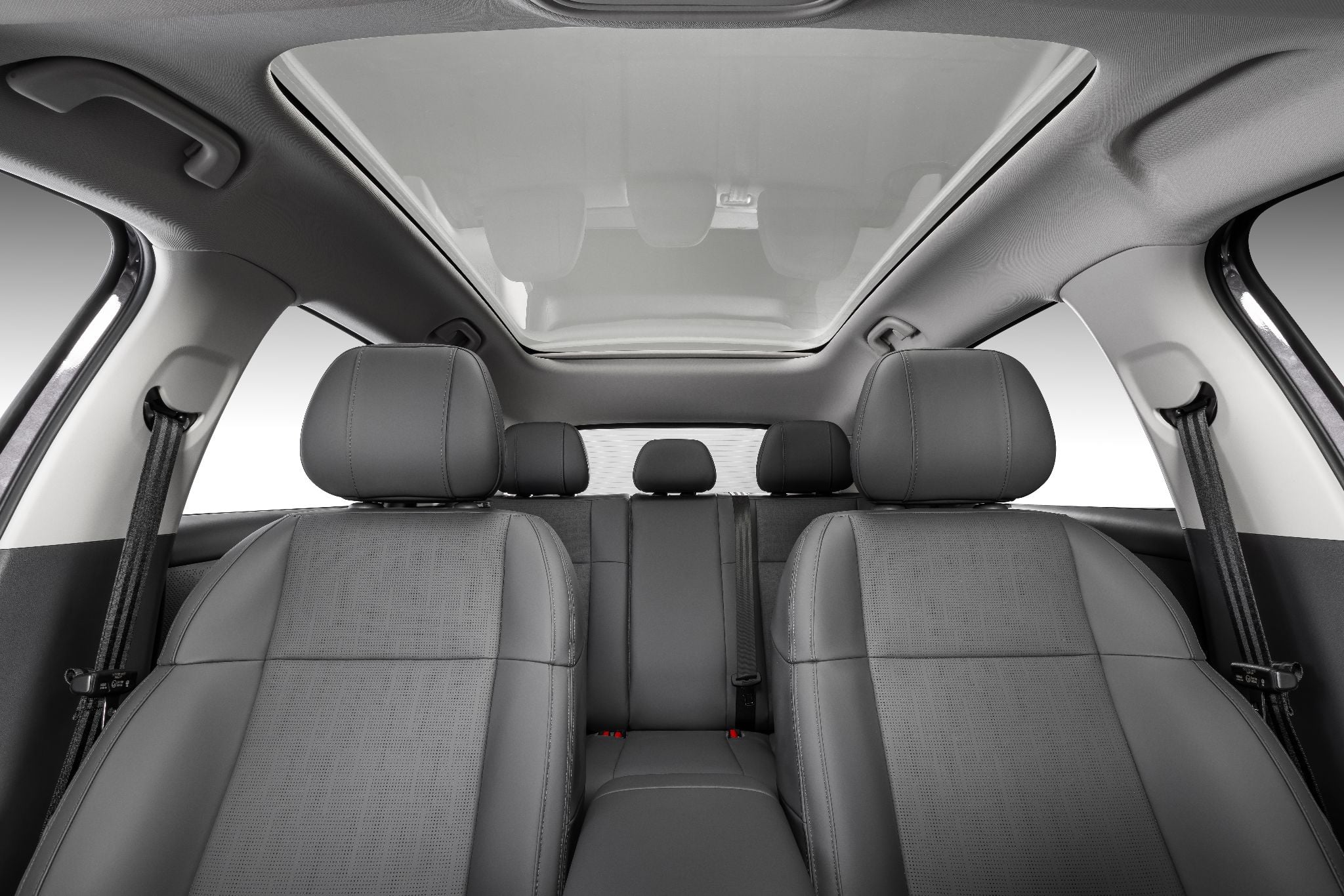
Large interior space and excellent finish quality, with a panoramic sunroof are strengths of the B10
The model also comes with a portable charger for 220-volt outlets, a solution that does not replace a wallbox, but can serve as an eventual alternative for those who need to recover part of the charge during the night.
Comfort and technology are highlights
At the wheel, the B10 repeats characteristics already seen in the bigger brother C10. The SUV offers good sound insulation, a finish above the average of national models in the same price range and a comprehensive package of driving assistance.
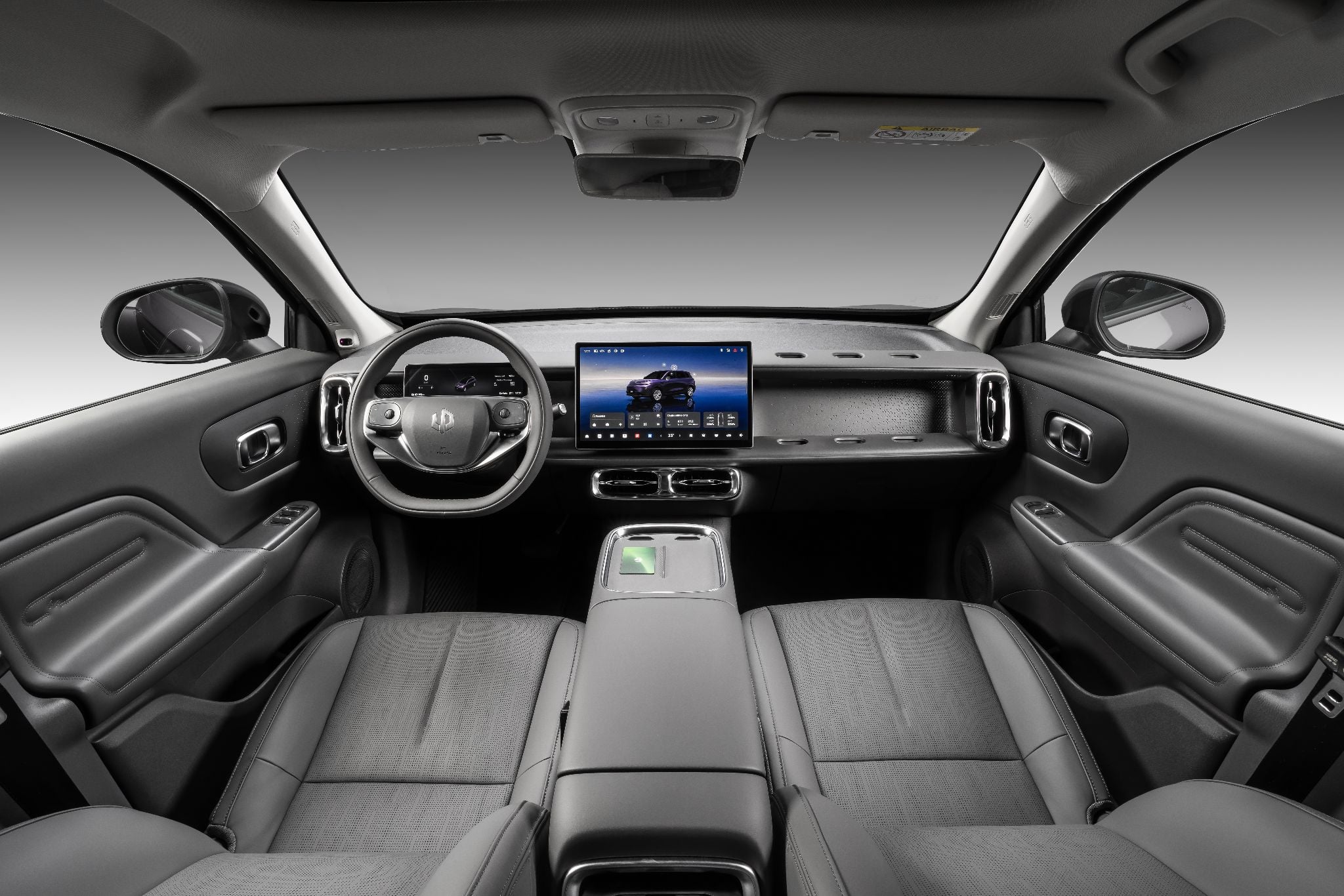
On the other hand, some solutions follow the trend adopted by several Chinese manufacturers to concentrate commands in the multimedia center. Mirror and sunroof adjustments, for example, depend on the central screen, which may require more attention from the driver while driving.
Giant multimedia screen concentrates most of the functions, but at least the direction of the air diffuser is analog
On the other hand, the system already has Android Auto and Apple CarPlay, an item that later arrived in the Leapmotor line and expands integration with smartphones.
Another positive point is in the suspension calibration. Unlike some of the brand’s vehicles previously evaluated in China, the B10 received adjustments more appropriate to Brazilian conditions, better absorbing irregularities and imperfections in the floor.
Is it worth it?
The Leapmotor B10 does not intend to compete with the cheapest electric cars on the market, nor with premium models. Its proposal is to offer space, comfort and technology at a level similar to that of medium combustion SUVs.
More importantly, it shows that the experience of using an electric car does not necessarily depend on a charger installed in the garage. For those who live in large urban centers and have a public charging network, the routine can be simpler than many imagine.
The B10 is not a car for long trips, but it is quite practical in everyday use
The B10 is definitely not the ideal car for frequent long trips. However, it makes sense for those who use the car mostly in the city and seek to reduce fuel and maintenance expenses without giving up the size of a family SUV.
Comments are the sole responsibility of their authors and do not represent the opinion of this site. Comments containing profanity or offensive language will not be published. If you identify anything that violates the terms of use, please report it.