

Electric car charger cables are the target of thefts throughout Brazil
With quick actions driven by the rise in copper, criminals leave charging points inoperative, especially in capitals
By
Julia Vargas
Published on 2026-09-01 at 04:00 PM
Published on 2026-09-01 at 04:00 PM
Be the first to comment.
Summarize with:
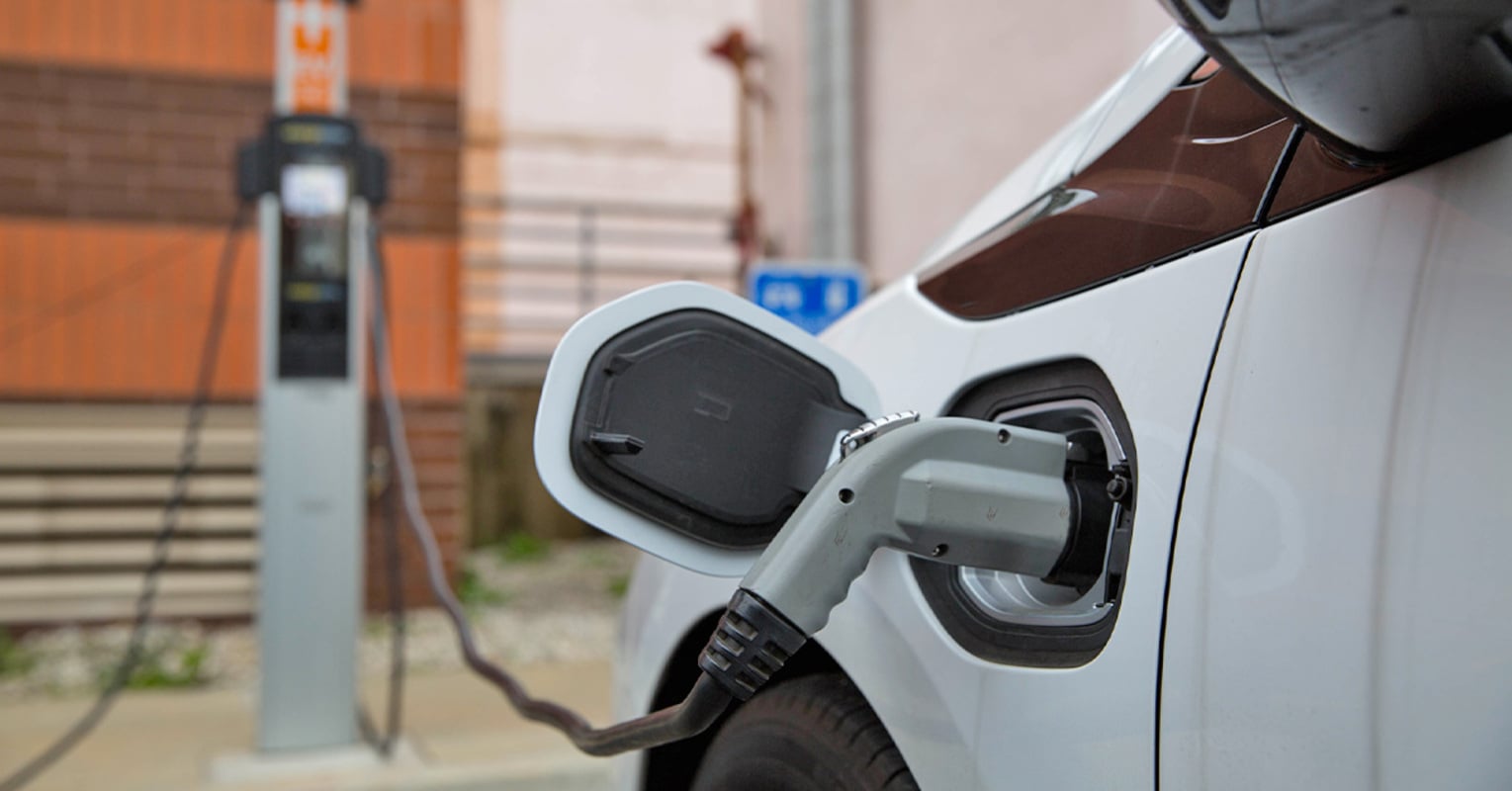
With more and more electric and hybrid cars on Brazilian streets, it is also natural that there will be an expansion of the charging infrastructure for these vehicles. However, chargers are being targeted by a series of thefts, which make the devices unusable.
Attracted by the appreciation of copper in the underground scrap market, criminals cut the wiring of electric stations with few tools in actions that last less than 30 seconds, as recently recorded in Curitiba (PR), Florianópolis (Coqueiros, SC) and Brasília (DF). This is facilitated by the fact that these devices are exposed in outdoor areas, parking lots, and places of public circulation.
SEE ALSO:
- What do you need to have to install an electric car charger in your home?
- Installation of electric car chargers at home; understand how it works
- Do you know all the fluids present in your car?
In addition to the cost of replacing the cable, the inoperability of the equipment generates chain losses:
- Interruption of service for drivers of electric and plug-in hybrid vehicles;
- Loss of revenue for station managers;
- Damage to the reputation and operation of partner establishments, such as shopping malls, gas stations and shopping centers.
Solutions to combat theft of electric and hybrid
car charger cables According to Arthur Carrão, CEO of Recharge Brasil, an engineering and electromobility company, to prevent theft and reduce losses, vehicle charging companies are already applying some strategies and adaptations. In Brazil, the solutions consist of:
- Physical Reinforcement: coating of the cabling with steel cables or meshes or attached to the charger structure to prevent cutting.
- Protected compartments: cables are housed in a specific compartment that only opens when the customer releases the charger through a QR Code.
In addition, other measures such as 24-hour monitoring by cameras or even the presence of a security agent can help.
Meanwhile, outside Brazil there are already advanced solutions such as the one adopted by the Finnish company Kempower. If a cable is violated, a mechanism shoots a transparent and harmless fluid over the criminal. This substance impregnates the suspect’s clothes and skin for several days, being visible under ultraviolet (UV) light so that police forces can easily identify those responsible.
SEE MORE ABOUT

0 Comments
Comments are the sole responsibility of their authors and do not represent the opinion of this site. Comments containing profanity or offensive language will not be published. If you identify anything that violates the terms of use, please report it.