What do you need to have to install an electric car charger in your home?
Understand how the installation of chargers in homes works, what are the safety standards and the risks of incorrect procedures
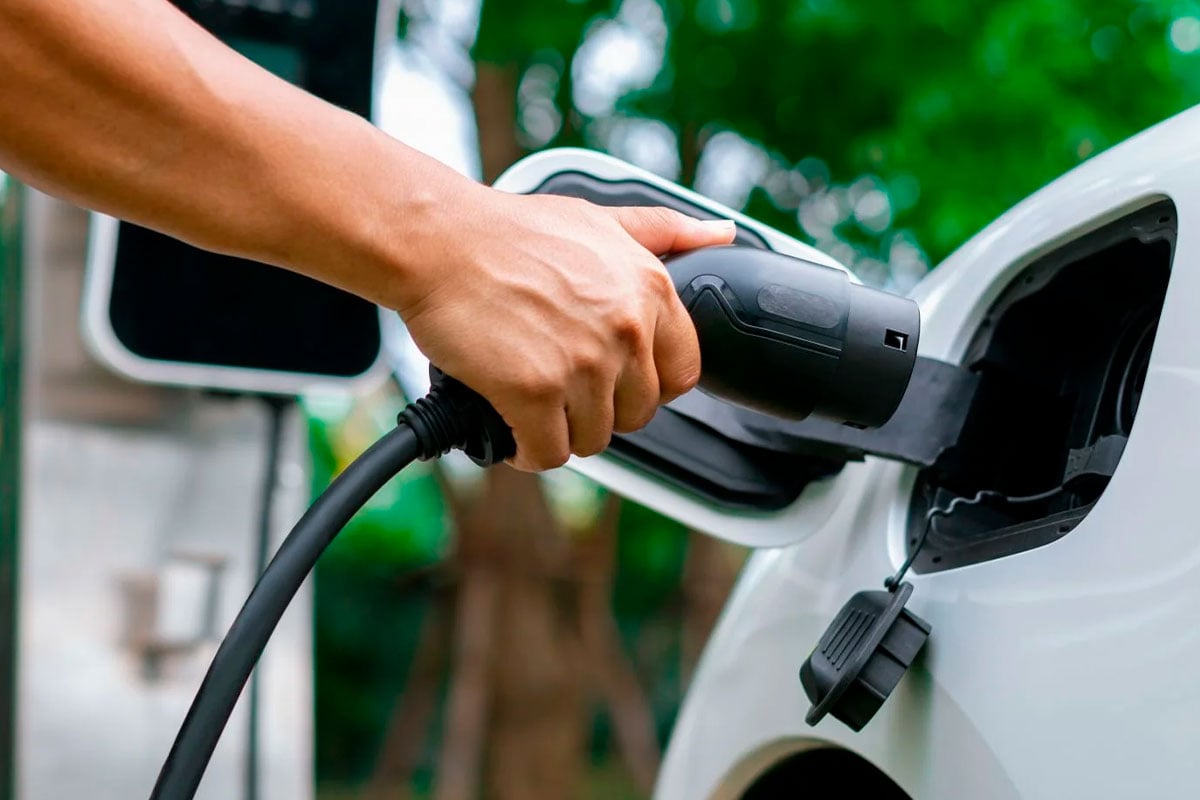
The technical person in charge must check the building's inspection report, evaluate the electrical network and prepare the installation project and possible adaptations (Photo: Shutterstock | AutoPapo)
By
Julia Vargas Published on 2026-05-17 at 11:00 AM
Updated on 2026-05-17 at 11:38 AM
The exponential growth in the sale of electrified vehicles in Brazil, which registered a 173% increase in April 2026, brought to light a challenge for many owners: the installation of electric and plug-in hybrid car chargers. Without a definitive national standard, the practice has generated doubts, real risks of fire and even legal disputes with the right to ‘impeach’ a manager.
In this article, you can check out what is needed to do the installation, including what the safety requirements are, the dangers of workarounds and the differences between the types of homes and charger models.
How to install an electric car charger in your home safely
According to Arthur Carrão, CEO of Recharge Brasil, an engineering and electromobility company, the main requirement for the installation of a vehicle charging device is an adequate and safe electrical infrastructure. The first step is to carry out a technical evaluation of the existing installation, verifying the capacity of the input standard, the electrical panel, the grounding and the availability of electrical load to support the charger.
As a rule, it is also necessary to have a dedicated circuit exclusively for recharging the vehicle, with specific protections such as circuit breaker, Residual Differential Switch (IDR) and Surge Protection Device (SPD) correctly sized.
For Carrão:
More important than simply ‘having an outlet available’ is ensuring that the installation is prepared to operate continuously, following all current regulations. It is important to highlight that electric mobility is no longer something ‘experimental’. Today there is a solid normative base in line with international standards.”
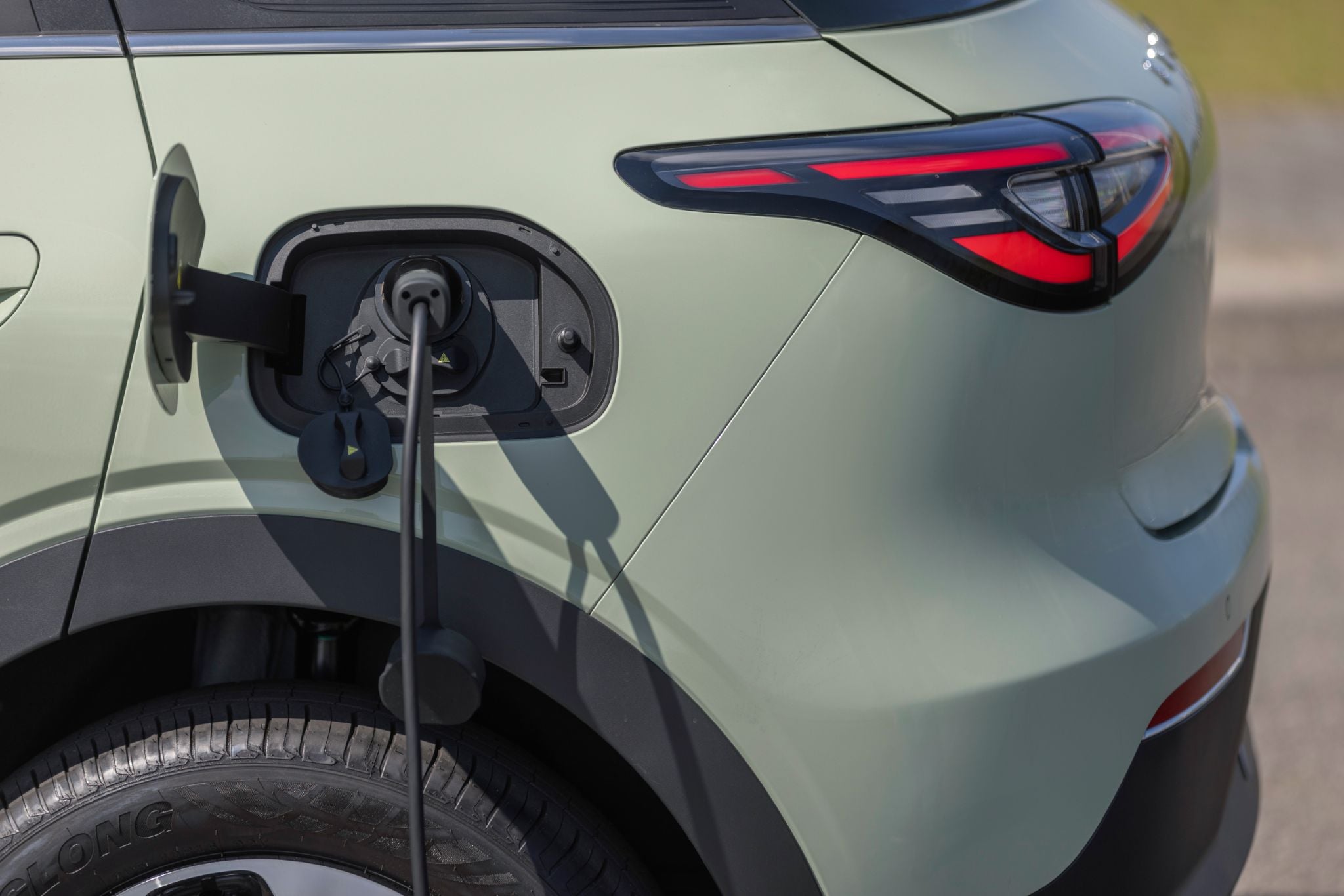
To install a charger, it is necessary to evaluate the electrical network, possibly make a series of adjustments. (Photo: Rodolfo Buhrer / La Imagem / Geely)
According to Márcio Severine, Counselor and Director of Infrastructure of the Brazilian Electric Vehicle Association (ABVE), after checking the electrical installations, the next step is to choose the most appropriate equipment model that meets the expectations of the owner of the electrified vehicle. After that, the director points out that it is important to hire a qualified technician to prepare the electrical project and the Technical Responsibility Note (ART).
The ART is an important official document that binds a registered electrical engineer to the authorship of a project, formalizing their legal responsibility for the installation and ensuring that technical standards have been followed.
Adaptations to the electrical network of homes
As mentioned earlier, if you want to install a device to recharge your car in your home, whether it is a house or an apartment, a prior study and a project based on this evaluation are required, in which the necessary changes will be indicated. Márcio Severine says that these adaptations may include replacement of cables and system components , installation of emergency shutdown points, replacement of conduits and installation of distribution boards.
Arthur Carrão, from Recharge Brasil, also points out that there is a difference in the arrangement of the electrical networks of houses and buildings.
Houses – in homes with only one family, adaptation is usually simpler and involves analyzing the available load, creating a dedicated circuit and installing the appropriate protections.
Condominiums and buildings – with multiple family nuclei, the complexity increases a lot. It is necessary to evaluate the simultaneous demand, the capacity of the transformers, the individualized metering and load balancing strategies to avoid overloading the building’s electrical system. In addition, in buildings it is common to need to align with the manager, administrator, concessionaire and even the Fire Department, depending on the project.
Attention: it is necessary to be extra careful in buildings, as the evaluation of the infrastructure by the qualified professional must be global, avoiding individualized projects without a study of the total load, especially if more than one load will be made at the same time.
Having a qualified professional or a specialized company responsible for the installation is essential
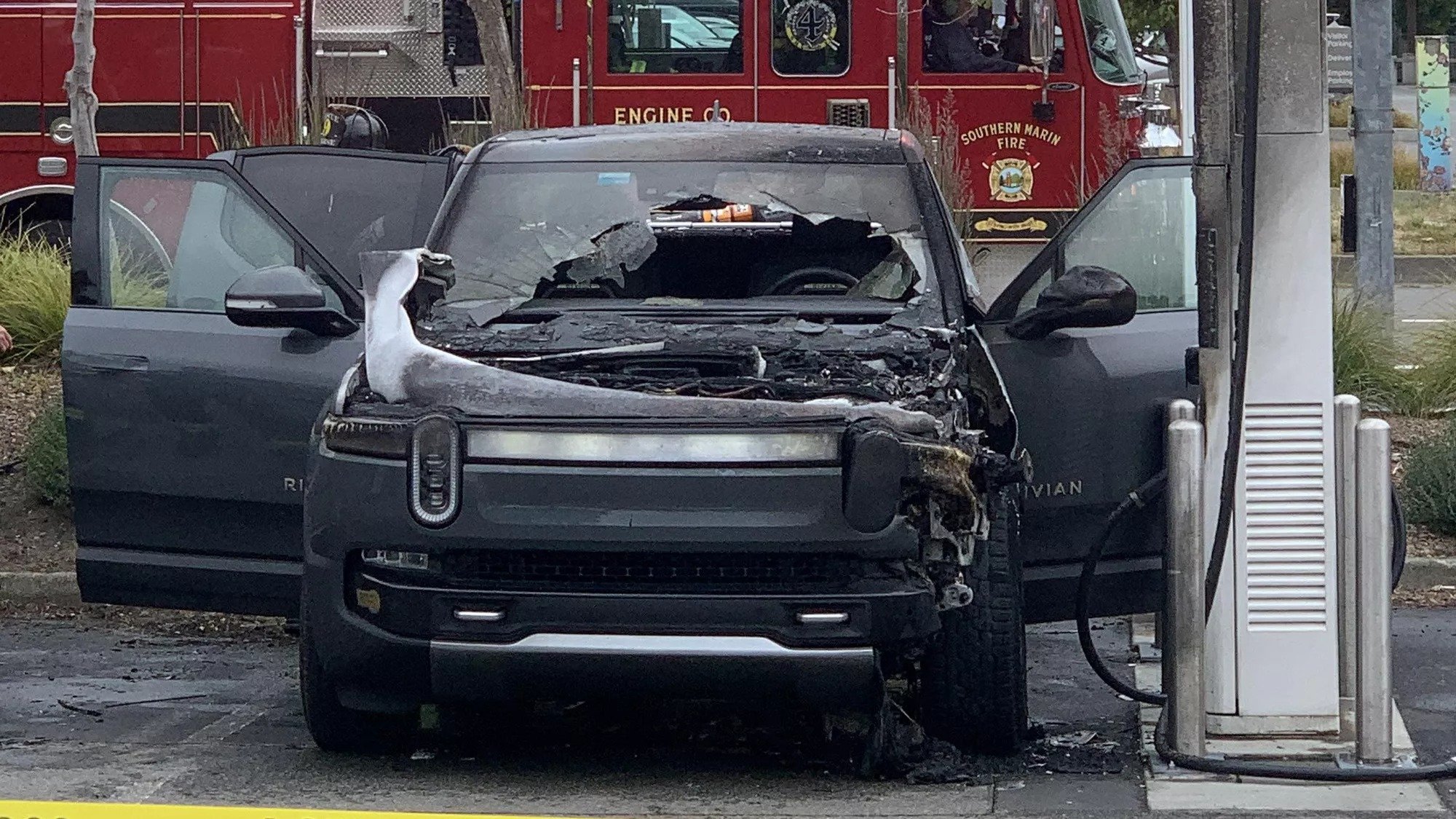
With numerous cases of electrified car fires, many of which involve the charging process, many owners of these vehicles are afraid. The problem is that many owners still don’t understand that recharging a battery-powered car is not the same thing as plugging a common appliance into the socket.
Arthur Carrão, from Recharge Brasil, points out that the safety of recharging depends directly on the quality of the engineering and the execution of the installation. For him, “the installation of a vehicle charger is no longer just a conventional electric service. Today it involves engineering, energy management, connectivity and operational safety.”
The executive says that there is currently a growing number of engineers, electricians and integrators specialized in electric mobility in Brazil, as well as manufacturers and companies that offer specific training for the installation and commissioning of chargers. However, there is still a lack of standardization and qualification in part of the market. Therefore, Carrão advises consumers and condominiums to look for companies with proven experience, technical responsibility and specific knowledge in charging infrastructure.
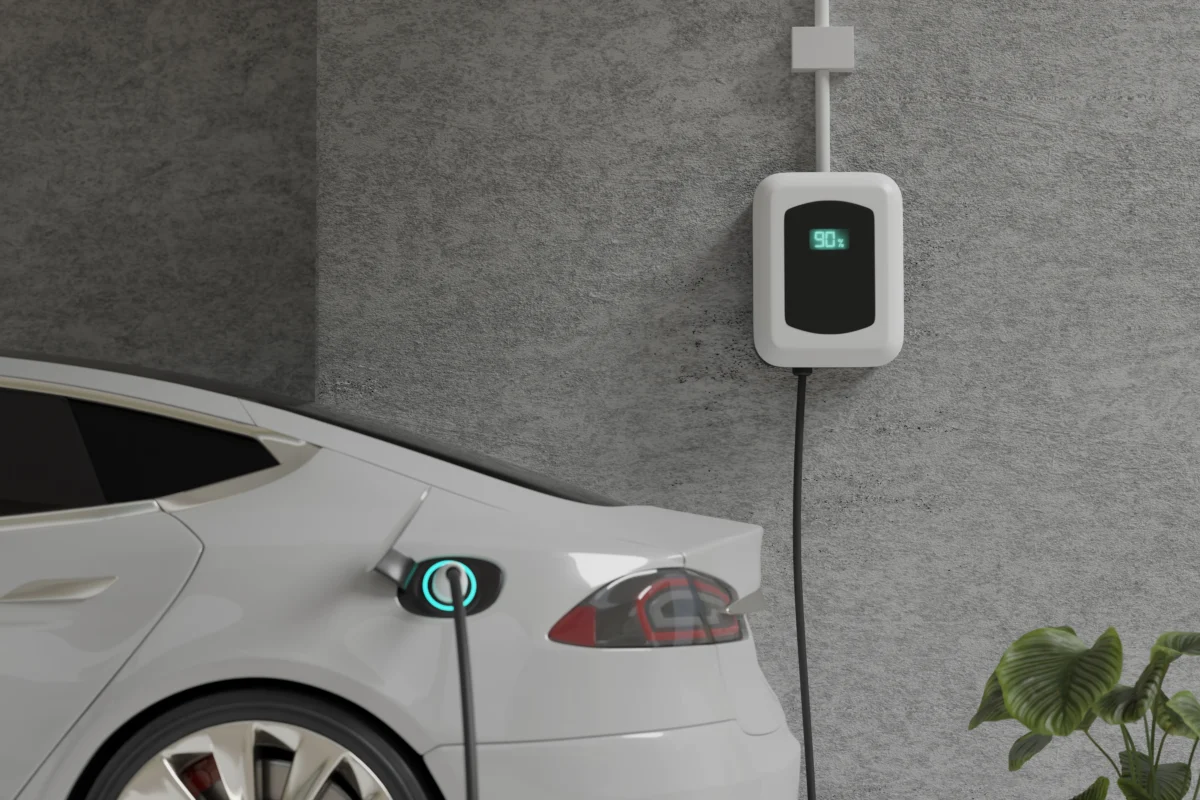
The technical person responsible for the installation needs to write the ART to make the authorship of the project official. (Photo: Stellantis | Disclosure)
In addition, before starting any installation, it is essential that the building’s Inspection Certificate (AVCB) is verified. The technical person in charge must assess whether it will be necessary to make adaptations to the building’s fire and panic safety design.
According to the Minas Gerais Fire Department (CBMMG), if it is necessary to regularize the building, the technical responsible needs to verify the safety conditions of the building where the Electric Vehicle Power System (Save) will be inserted. It will still be necessary to adopt the necessary measures to mitigate risks related to the loading of this type of vehicle. It is essential that the installation of Save is accompanied by a qualified professional.
Once the procedure is completed, you can request an inspection from the Fire Department. The agency can verify the validity of the AVCB and also request the presentation of the technical responsibility document (ART) issued by a competent professional attesting that the installation of the charging points followed the provisions of the current technical standards.
What is the difference between the installation of a wall box and a portable charger?
According to Márcio Severine, director of infrastructure at ABVE, the technical requirements for a safe installation of portable chargers and Wallbox are the same, as well as the protections of the charging system. The main differences involving the two pieces of equipment are the electric current and power, which are higher in the case of a Wallbox.
The portable charger is usually plugged into conventional outlets and has reduced power. It can work as an emergency or occasional solution, but it requires extra attention to the quality of the outlet and the electrical installation. If you think you can use this type of device on a daily basis in a common (220V/20A) outlet, you are making a mistake that can be serious.
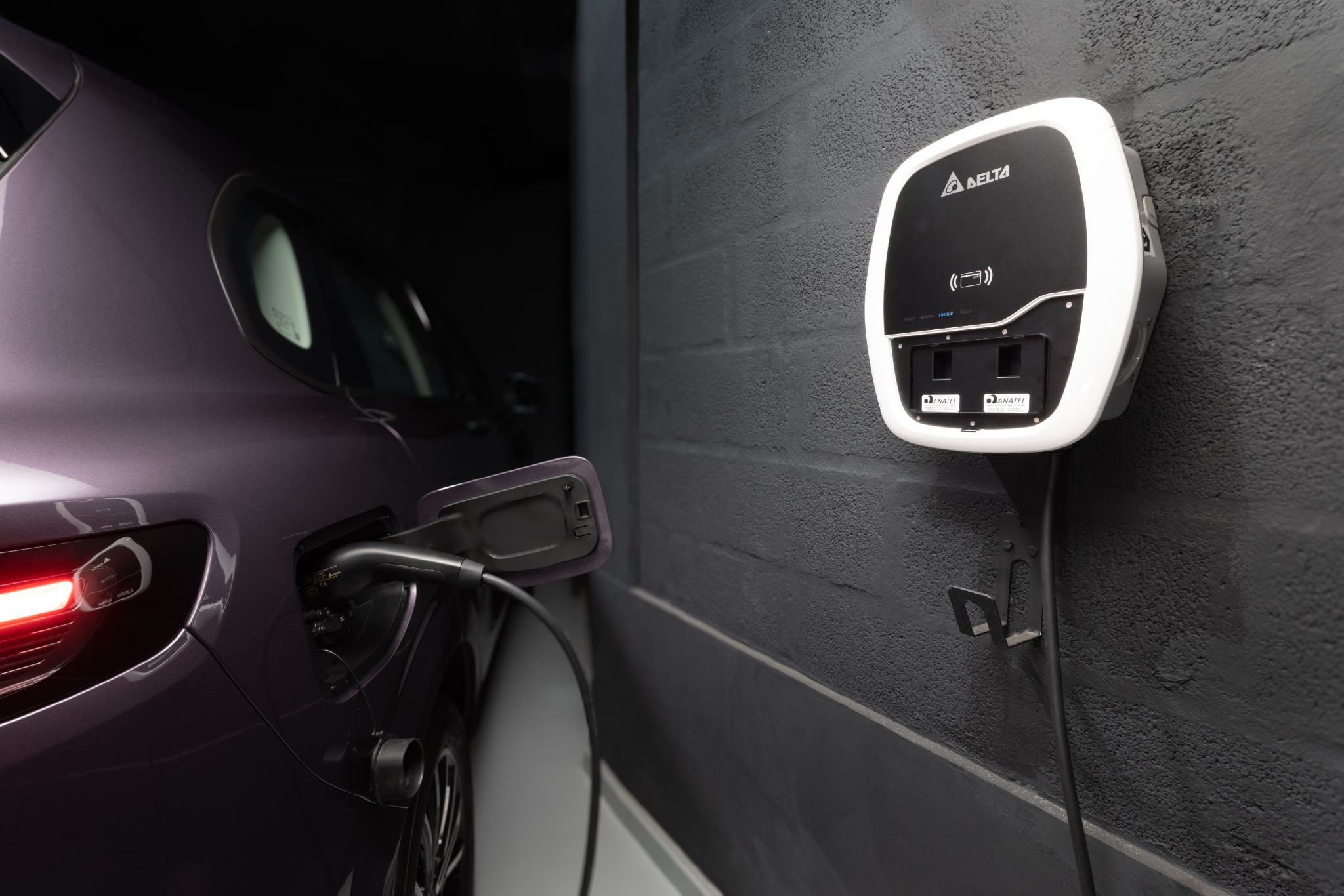
The Wallbox is the most suitable equipment for daily charging. (Photo: ShutterStock)
This is because portable equipment, in general, works with a current higher than 30A, in addition to the fact that a residential outlet does not have the necessary mechanical resistance to withstand 8 or 12 hours of daily operation and does not have the protection devices required by law. In other words, this type of charger requires the adaptation of electrical installations to ensure risk-free operation.
Meanwhile, the wall box is a fixed equipment, developed specifically for vehicle recharging. It offers greater power, more safety, intelligent communication with the vehicle, additional protections and a more efficient experience. In practice, the wall box is the recommended solution for daily and recurring use.
Rules for the installation of chargers go through technical standards, even state guidelines
Brazil already has technical standards that regulate the installation of chargers and are in a constant process of evolution. An example of this are the Brazilian Regulatory Standards (NBR), guidelines created and certified by the Brazilian Association of Technical Standards (ABNT). More specifically, NBR 17019, which deals with the electrical infrastructure for powering electric vehicles, the traditional NBR 5410, which governs low-voltage electrical installations, and NBR IEC 61851-1, which deals with conductive charging systems for electric vehicles, deserve to be highlighted.
Entities such as the Federal Council of Engineering and Agronomy (Confea) have their own guidelines published. Confea established the 2025 edition of the provisional technical note called “Guidelines for the installation of electric vehicle charging points in buildings”. The document provides for the mandatory nature of fire detection systems, risk management plans, inspection protocols and periodic maintenance.
Additionally, each state can define technical instructions, through the Fire Department, to increase the safety of the facilities against possible fires. These standards define criteria for safety, electrical protection, grounding, cable sizing, protection devices, and even requirements for use in condominiums and public areas.
The Minas Gerais Fire Department, for example, is in the final stages of developing its own standard to reconcile the safety of buildings and people with the advancement of market innovations. Until this text is published, no additional security measures are required in the state. The standard is a new edition of Technical Instruction No. 30 – Electrical Installations and Equipment aimed at buildings or spaces intended for collective use that apply the Electric Vehicle Power System (Save).
Standards for the installation of electric car chargers in São Paulo
Earlier this year, the governor of São Paulo, Tarcísio de Freitas (Republicans), signed Law No. 18,403, the so-called Right to Recharge law, which ensures the right to charge electric vehicles in commercial and residential condominiums in the state of São Paulo.
In the state, this law works associated with the specific rules provided for in Technical Instruction No. 41 of the São Paulo Fire Department and in Ordinance No. 003/970/2026 published in March, which provides more specifically for Save in residential buildings.
The text clarifies the technical and safety requirements, as well as the responsibility for the installation:
Technical responsibility: the installation and warranty of the system are the sole responsibility of the qualified professional or the installation company, in compliance with the applicable technical standards;
Prohibition of improvised solutions: the use of common sockets, adapters, extensions or non-dedicated chargers for vehicle charging is prohibited;
Emergency shutdown: it is mandatory to install an emergency switch for manual shutdown of the system, according to the technical specifications of the Ordinance;
Integration with fire systems: the charging points must be integrated with the building’s fire alarm systems, ensuring automatic shutdown in emergency situations;
Mandatory signage: the building must have clear signage on the correct use of the charging system, the location of manual shutdown devices, emergency procedures and activation of the Fire Department and contacts for maintenance and technical support.
Improvised installation of electric car charger can cause fire
The installation of an electric car charger must receive attention and needs to be done correctly, as the risks of a poorly done or irregular service are serious. Hacks can cause overheating, melting of cables and connectors, short circuits, vehicle damage, electric shocks, and even fires.
Most electric car fires are caused by failures or workarounds at the time of recharging.
The Minas Gerais Fire Department points out that the danger is not only in the incorrectly placed charger, but also in its associated infrastructure. This includes:
Unanticipated taps from individual gauges;
Unplanned interventions in conduits;
Connections executed in restricted spaces;
Absence of adequately sized reload frames.
All this significantly increases the risk of electrical failures, overload of conductors, busbars and plumbs, poor contact, inadequate performance of protections and difficulty in disconnecting in emergencies.
According to CBMMG, several installation procedures done in different ways on the same network can be a problem:
“The multiplication of individual and decentralized solutions makes it difficult to supervise, maintain, and manage the load, which can compromise the safety of the building, increase the probability of fire, and expose users, condominiums, and technical managers to property, operational, and legal risks.”
In addition to the structure of the residence, the flames can reach the electric vehicle, which, unlike combustion models, has other risk factors. In particular, lithium batteries, which present specific challenges:
Water volume: Hundreds of times more water is needed to extinguish the flames of this component.
Combat time: fire can last for a long time until the entire component is consumed.
High voltage: to extinguish the fire, the system needs to be turned off via specific fuses, requiring technical training.
Comments are the sole responsibility of their authors and do not represent the opinion of this site. Comments containing profanity or offensive language will not be published. If you identify anything that violates the terms of use, please report it.