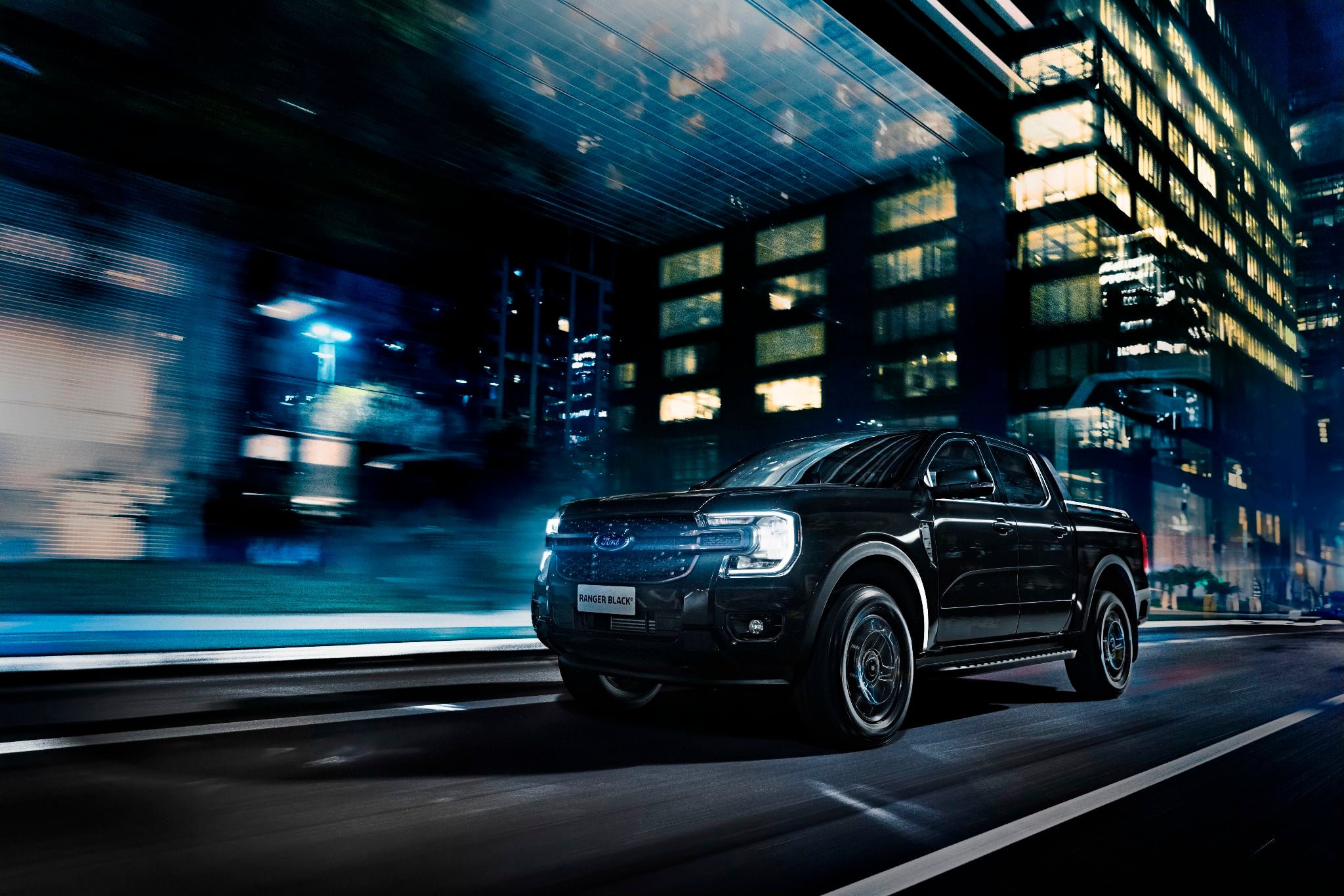
Brazilian roads are always full during the day and traveling at night can be an alternative to avoid heavy traffic. But the lighting conditions during this period require some care when driving.
You must always be attentive, as darkness can hide dangers and other drivers may be sleepy or distracted. See the seven tips we have selected to help you on night trips.
The driver needs to be rested to be able to be attentive (Photo: Shutterstock)
Driving at night after a day full of assignments is dangerous, as fatigue always wins. We recommend resting well before hitting the road, sleep earlier to have a calm mind.
Having a coffee or energy drink are palliative measures, their effect is temporary. Do this only if you need to drive a few kilometers to reach your destination or somewhere safe.
If you start to feel sleepy behind the wheel of the vehicle, look for a gas station or a service station of the highway concessionaire to rest. Places busier by truck drivers are usually safer.
2. Study the route
The ideal on a road trip is always to stop every two or three hours to get out of the car and stretch. As not all stations and restaurants are open at night, it is worth studying the route to select where to stop.
This analysis also helps to anticipate if the road is poorly lit, potholed and other important information. Navigators also advance toll values.
3. The correct use of headlights
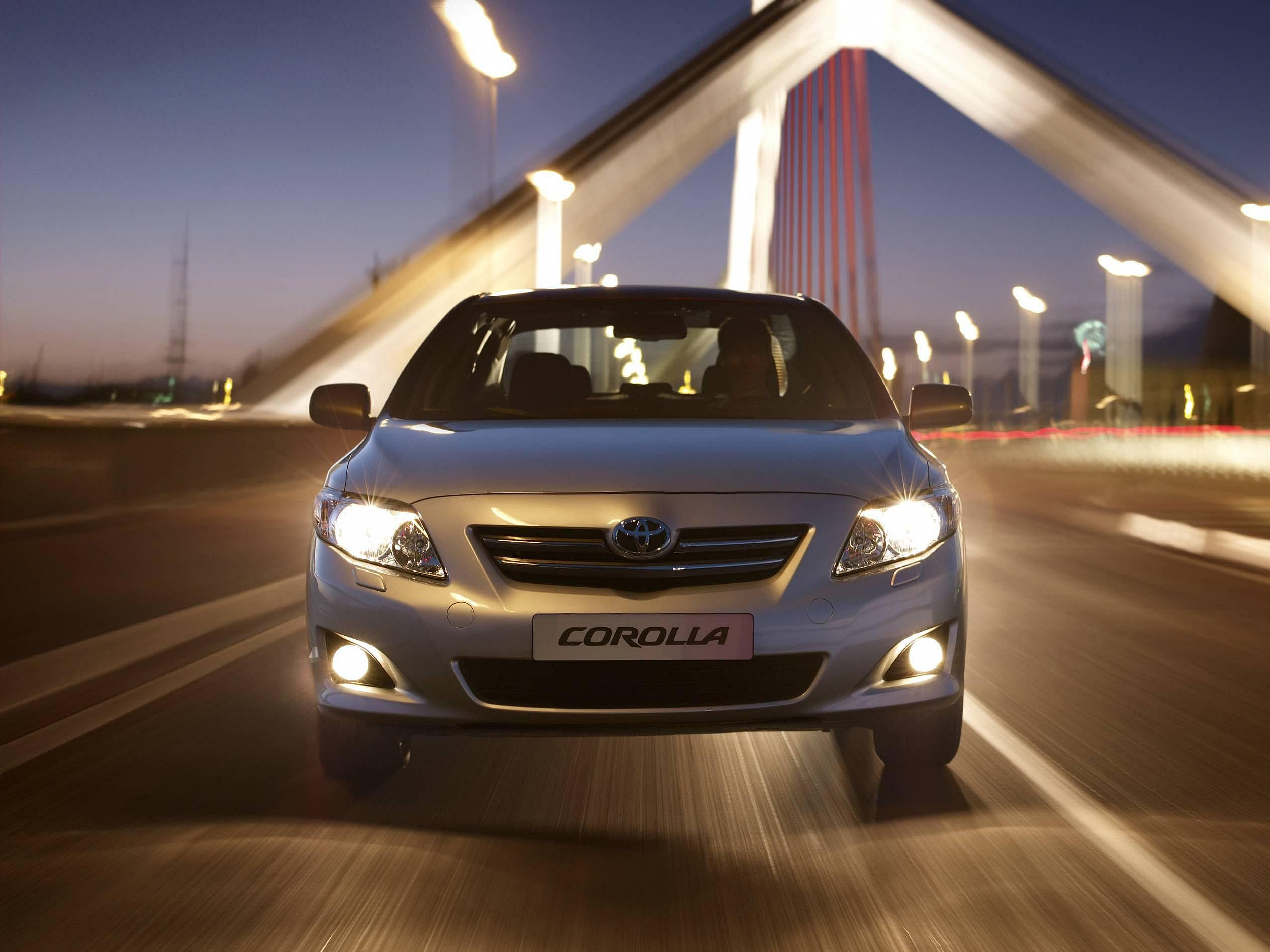
The high beam should only be used if there are no other vehicles ahead (Photo: Toyota | Disclosure)
Many drivers are using high beams unnecessarily, even in cities. This light should only be used on unlit roads and without other cars ahead. If there is someone coming from the opposite direction or if you are overtaken, switch to the low beam.
It is also essential to regulate the height of the headlights before hitting the road at night so as not to dazzle other drivers. Adjustment should be made if the car is loaded to compensate for the inclination of the body.
All new cars sold in Brazil from 2024 onwards need to have this electric adjustment in the cabin or automatic. In simpler cars prior to this year, the adjustment must be done directly at the headlight through a lever, consult your car’s manual for more information.
4. How to avoid glare
We know that not all drivers will have their headlights set or using the low beam on the road. If this happens to you, there is a trick not to be dazzled: look at the lane of the highway on your right.
That way your vision won’t be bothered by the light and it will take less time to get used to the darkness again.
5. Increase the safety
distance The popular rule on the roads is to keep a distance of three seconds to the vehicle in front. Driving at night you need to leave a larger space to ensure safety.
As visibility is limited, it is difficult to see any obstacles if the vehicle in front needs to swerve. In addition, you have more space to accelerate when overtaking, staying in the opposite direction of the road for a short time.
6. Regulate the brightness of instruments
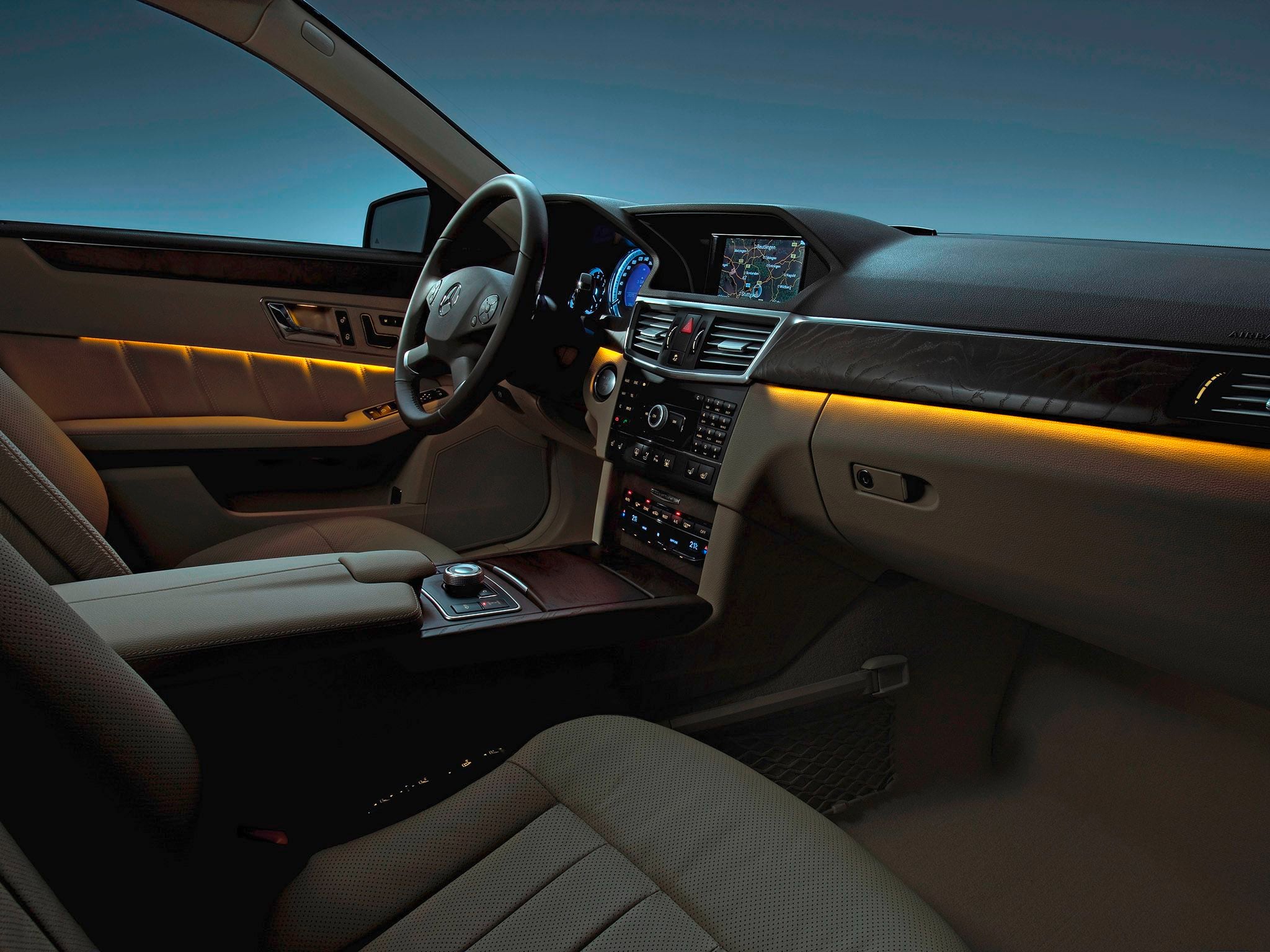
Excessive glare in the cabin can hinder the driver’s visibility (Photo: Mercedes-Benz | Disclosure)
Modern cars bring lighting on the door and console buttons, indirect lighting on the dashboards and large screens for the multimedia center. All this brightness fills the eyes at the time of purchase, but it can play against the driver on a night trip.
When driving at night, reduce the brightness of the instruments and screens to a minimum. That way it will be less annoying and you will be more used to seeing in the dark. If you know the way or if you are not using the navigator, we even recommend turning off the screen of the multimedia center.
7. Is it worth wearing yellow lens glasses to drive at night?
Older people should remember the advertisements for Ambervision glasses, which among the many benefits included improving visibility at night. Glasses with yellow lenses are popularly recommended for night driving, but there is no scientific proof of this benefit.
Researchers at the Schepens Eye Research Institute (affiliated with Harvard Medical School in the USA) conducted studies with this type of glasses. The yellow lenses showed no improvement and in some cases even hindered drivers in identifying pedestrians.
To drive at night you don’t need to wear special glasses, only those prescribed by ophthalmologists. Lenses with anti-reflective treatment help prevent annoying glare from other cars and poles.
Comments are the sole responsibility of their authors and do not represent the opinion of this site. Comments containing profanity or offensive language will not be published. If you identify anything that violates the terms of use, please report it.