Two Democratic congresswomen from the state of Michigan have introduced a legislative proposal called the “Act to Protect America from Chinese Cars.” With this bill, they intend to prohibit the entry of connected vehicles, designed and manufactured in China, into American territory. The proposal also prevents Canadian or Mexican tourists from crossing the borders of the United States driving these models, even if they stay in the country for only one day.
The commercial siege and the impact on traditional brands
The move aims to close what policies see as dangerous loopholes in border enforcement with Canada and Mexico, countries where the presence of Chinese automakers has grown rapidly.
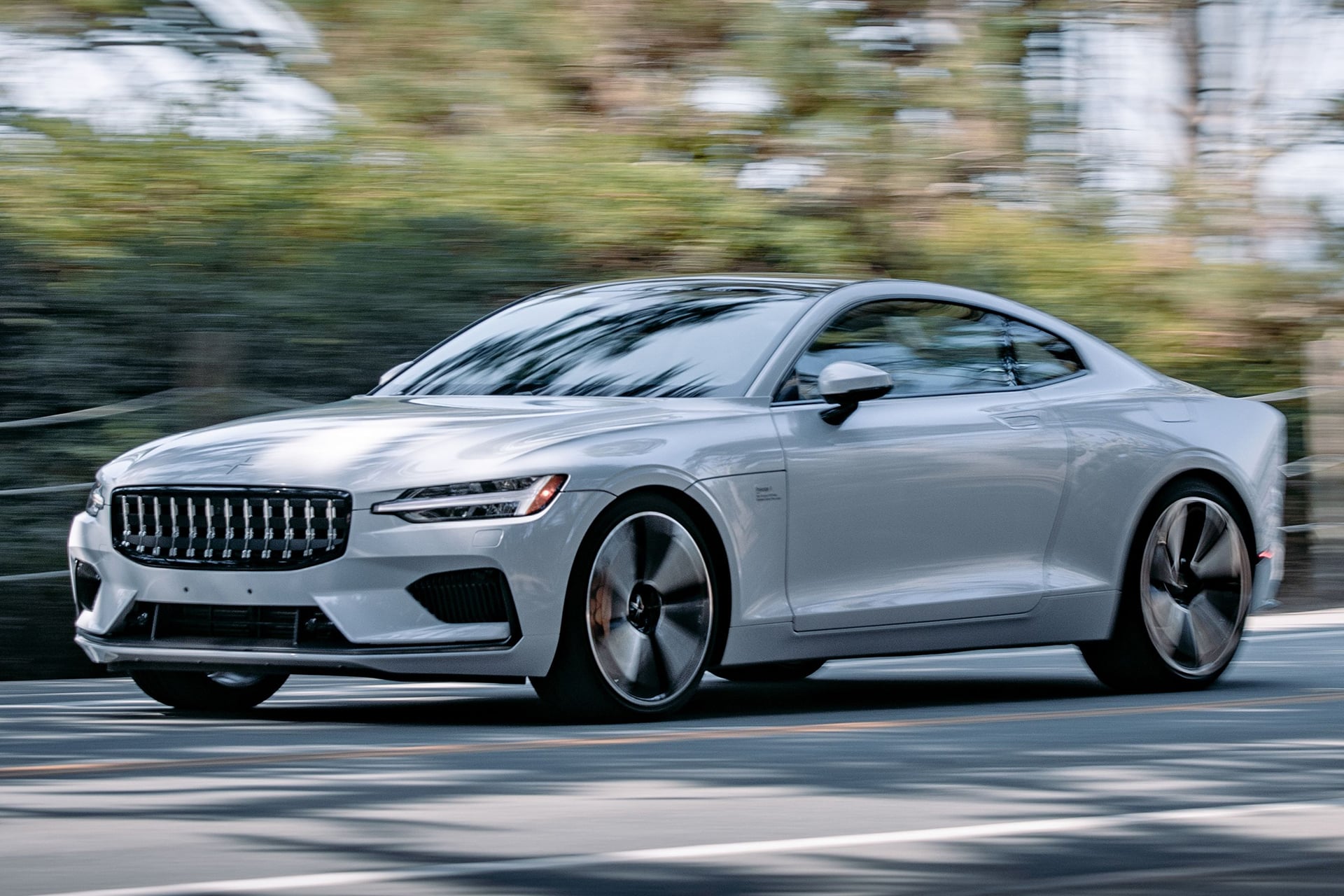
The proposed restriction covers vehicles produced or designed entirely in the “rival” country and models manufactured by global automakers in which Chinese companies have an equity stake of more than 15%. Thus, the cut-off rule would directly affect traditional brands in the market, such as Volvo and Polestar. The Chinese group Geely holds 78.7% and more than 20% of the shares of these companies.
Polestar has been part of the Chinese group Geely since 2015 and may be banned in the US (Photo: Polestar | Disclosure)
National security justification and exceptions
The project’s central argument defines modern Chinese automobiles as surveillance packages on wheels. According to Senator Slotkin (one of the parliamentarians responsible for the proposal), the connected systems of these cars are fully capable of geolocating drivers, capturing real-time video and mapping infrastructure areas, such as US military installations.
To avoid a total blockade of allied technologies, the text provides for the granting of specific circulation authorizations. However, the new bill establishes that these exceptions would only be released under strict conditions and with strong oversight and transparency by the US Congress.
Comments are the sole responsibility of their authors and do not represent the opinion of this site. Comments containing profanity or offensive language will not be published. If you identify anything that violates the terms of use, please report it.