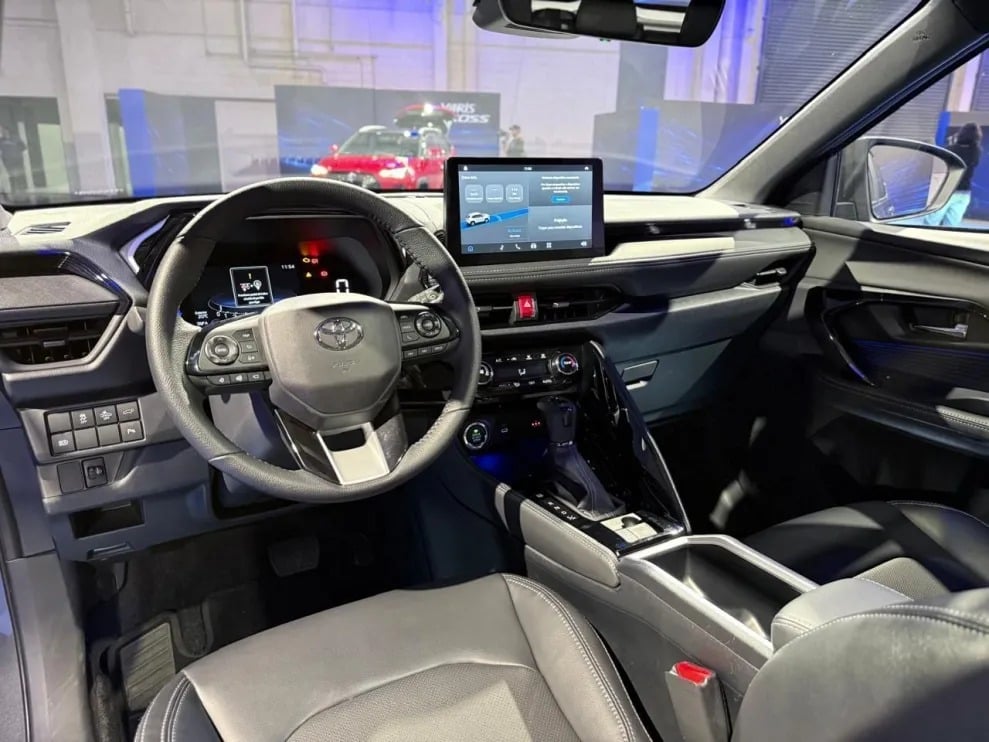
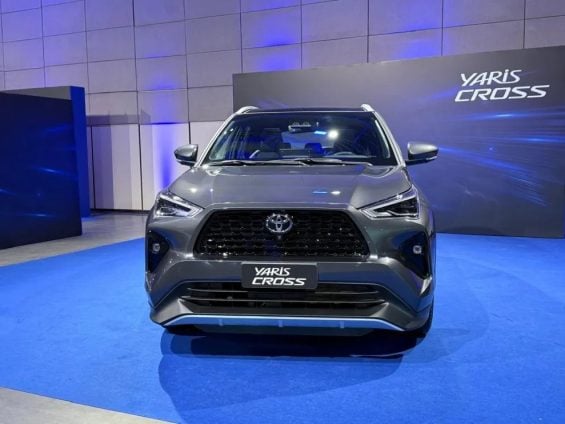
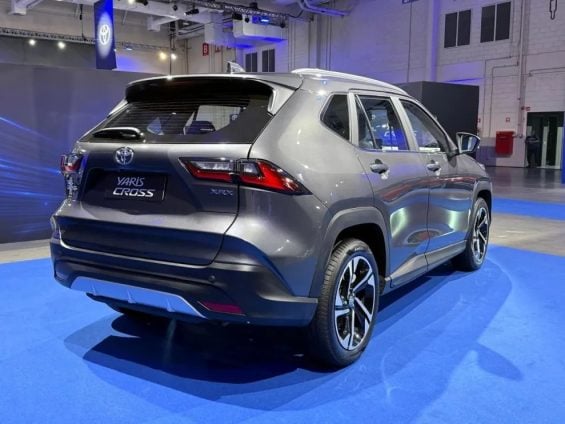
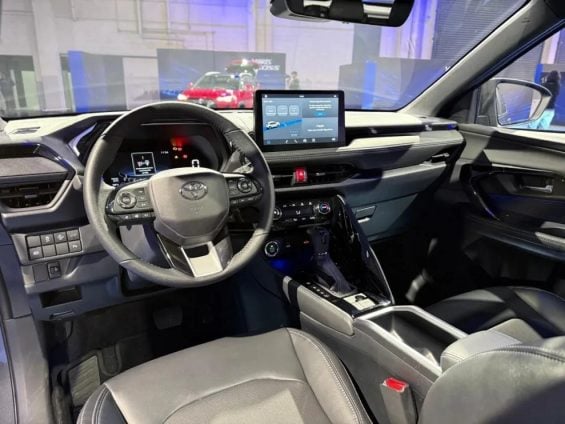
Armored Toyota Yaris Cross weighs more in the pocket than in the body
Unit of the intermediate version XRE announced is R$ 80 thousand more expensive than the official table due to ballistic protection, reaching R$ 240.888
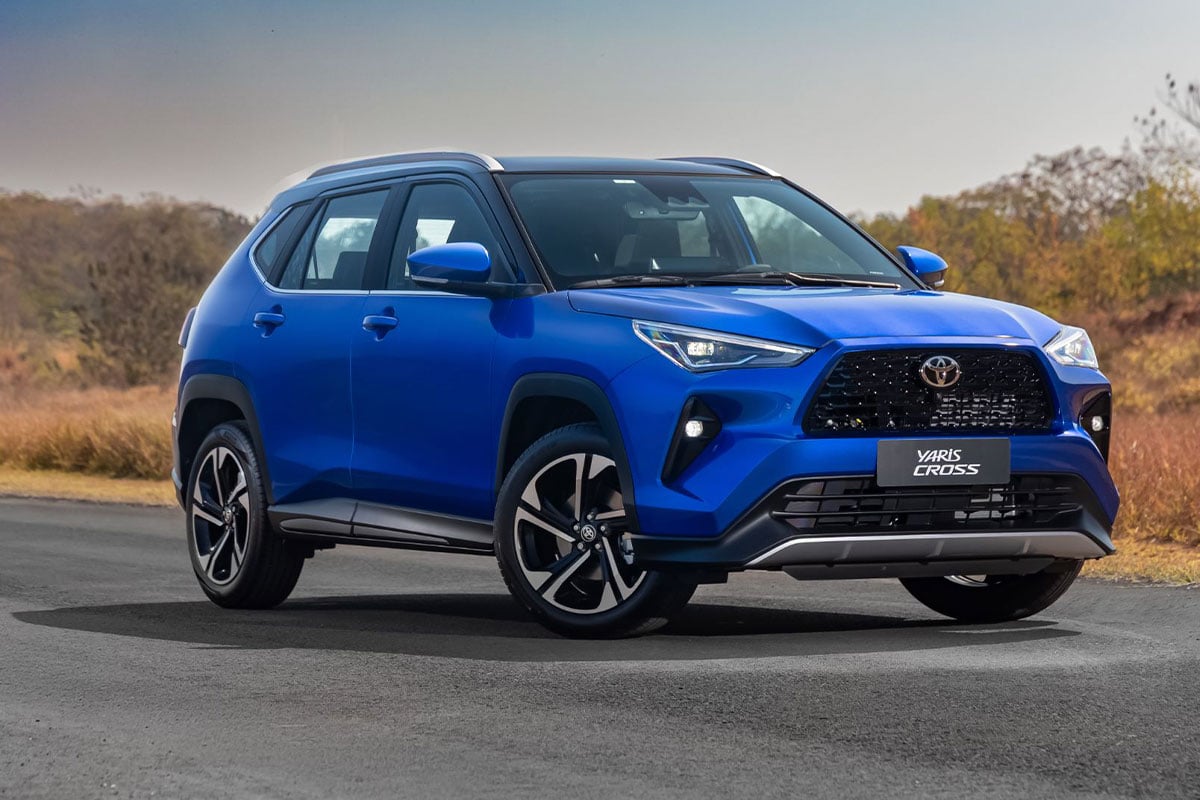
Japanese compact SUV can be offered with armor, which is made by certified partner (Photo: Toyota | Disclosure)
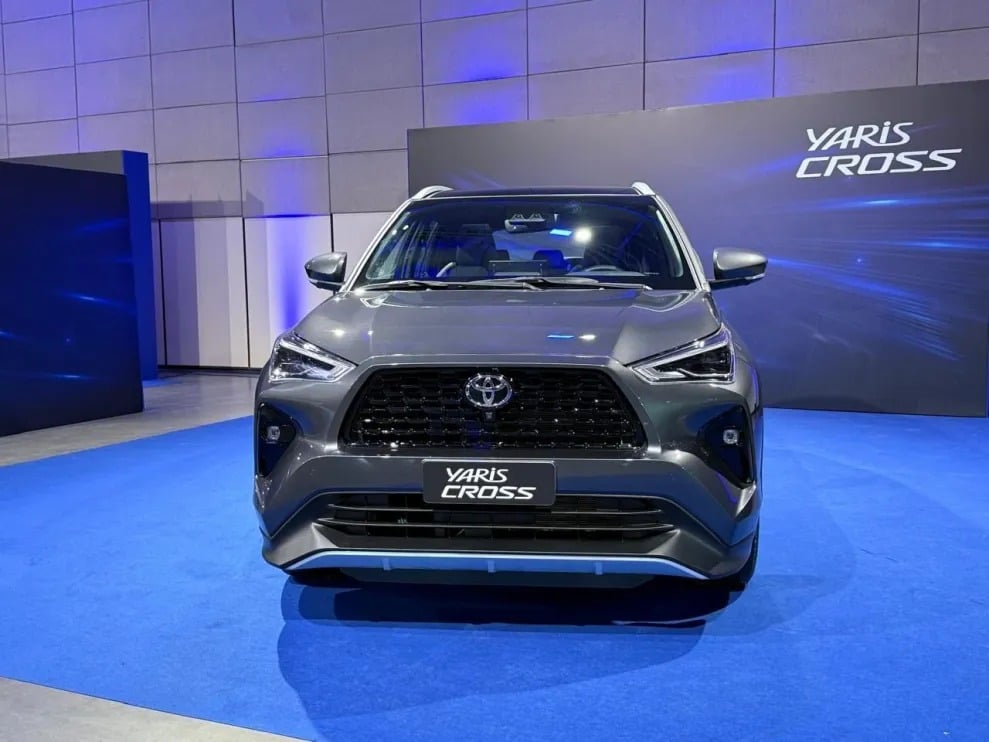
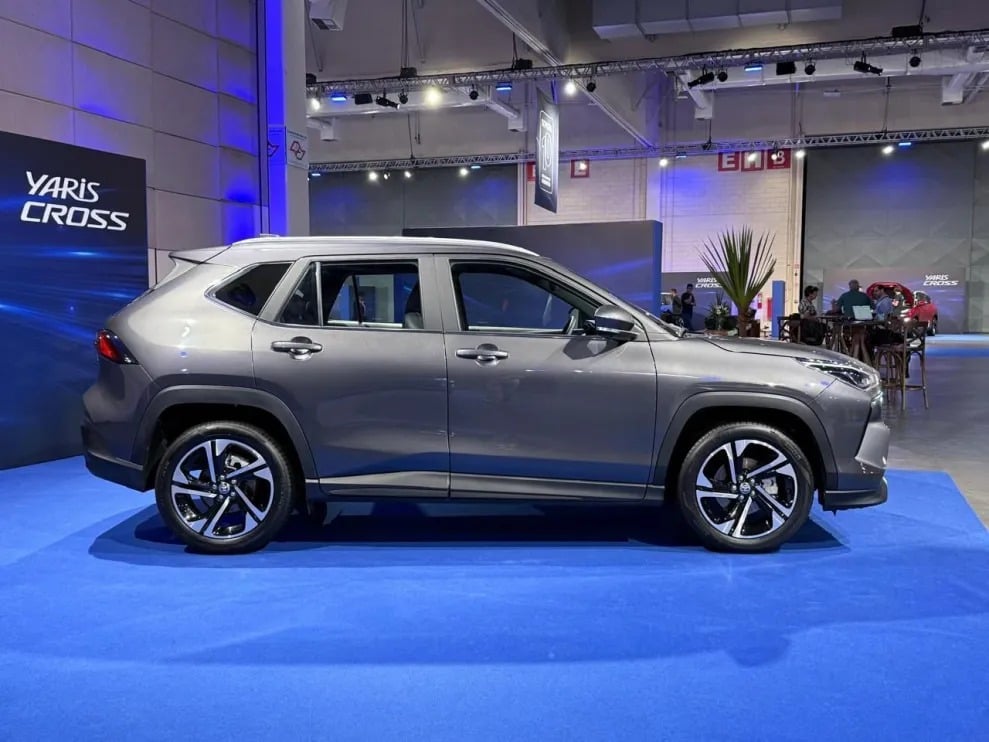
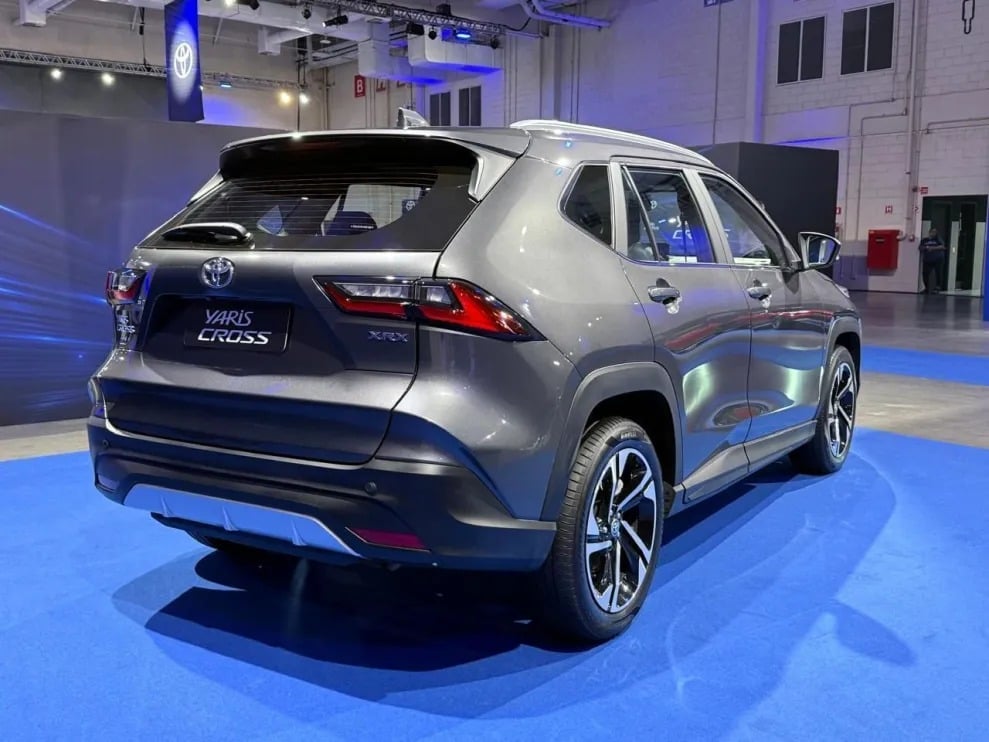
The Toyota Yaris Cross arrived on the Brazilian market in early 2026 in five versions, with prices ranging between R$ 149.990 and R$ 189.990. However, an announcement of the XRE intermediate version on the Webmotors platform drew attention for reaching the value of R$ 240.888. The reason for this increase would be the fact that the announced unit already comes with armor certified by the brand.
A quotation made with the specialized company Carbon points out that the armoring service for the Yaris Cross costs R$ 104,500 (only the protection) or R$ 109,300 (with the Detran documentation included).
The process can add between 150 kg and 250 kg to the vehicle. This extra weight slows down accelerations and can harm Inmetro’s official averages of the 1.5 flex engine of 122 hp, which originally registers 12.6 km/l in the city and 14.3 km/l on the highway with gasoline.
The dilemma of alternatives at the same price
For the level of R$ 240 thousand, the buyer of the armored Yaris Cross gives up space and power in favor of safety. In the same price range, it is possible to purchase models of higher categories, although without armor:
GWM Haval H6 PHEV19: plug-in hybrid medium SUV, with 326 hp and up to 73 km of electric range.
Jeep Compass Blackhawk: Model with 4×4 traction, 2.0 turbo engine of 272 hp and trunk of 476 liters.
Toyota Corolla Cross: The brand’s own “bigger brother”, costing R$ 192.990 in the entry-level XR version (2.0 flex of 175 hp).
In the end, it is up to each consumer to match prices and evaluate whether safety is above potency on their list of priorities.
Comments are the sole responsibility of their authors and do not represent the opinion of this site. Comments containing profanity or offensive language will not be published. If you identify anything that violates the terms of use, please report it.