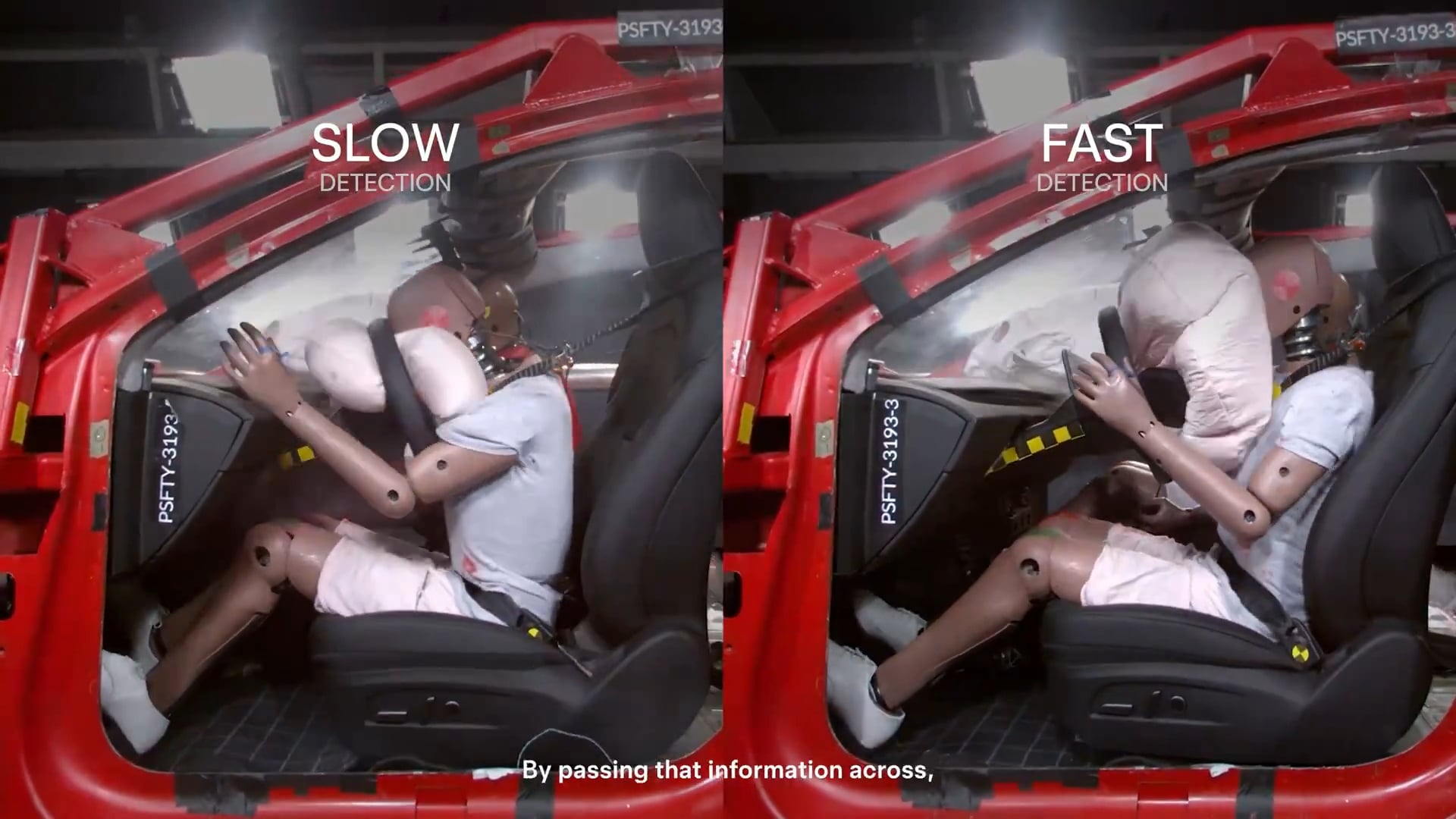
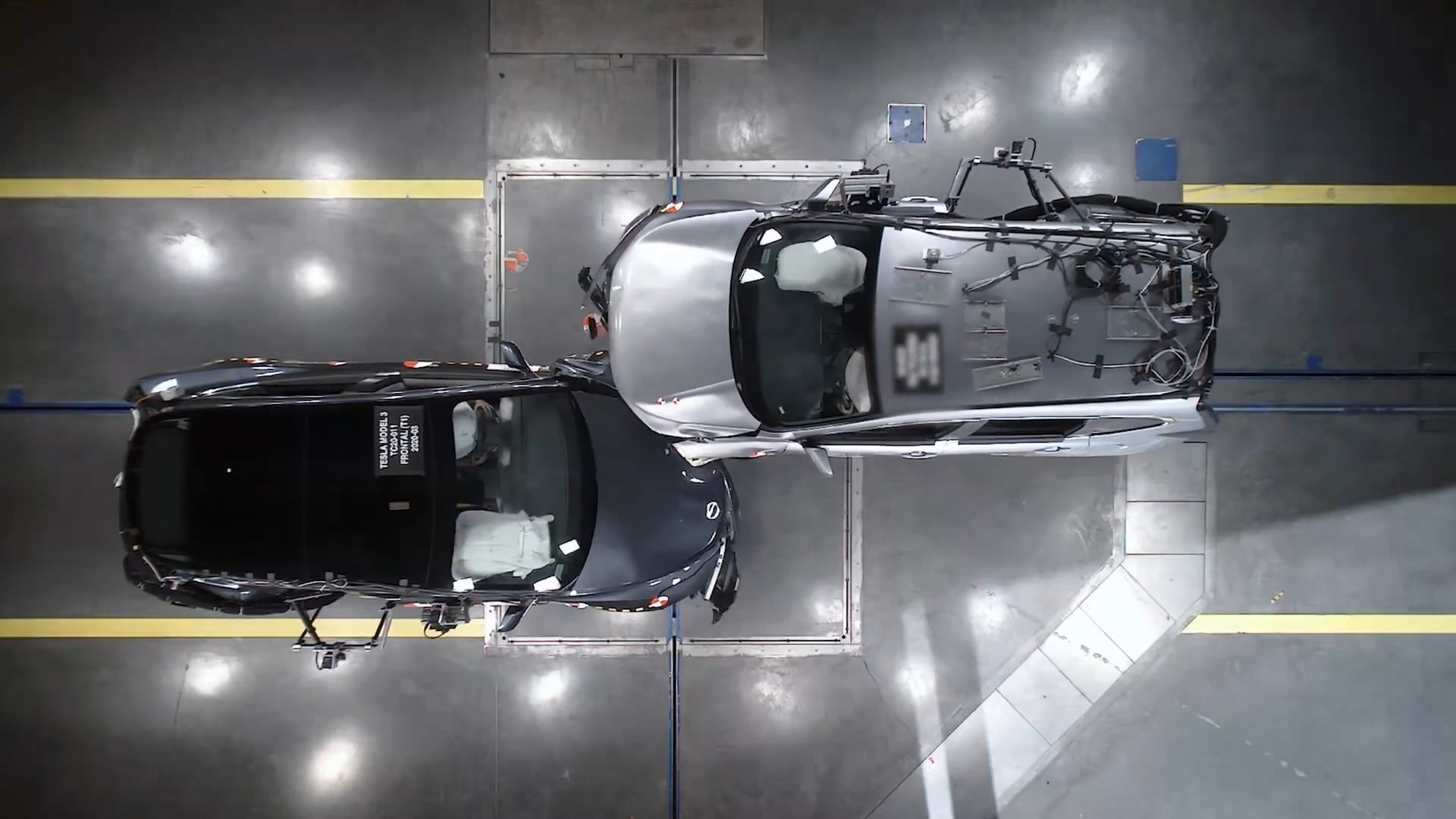
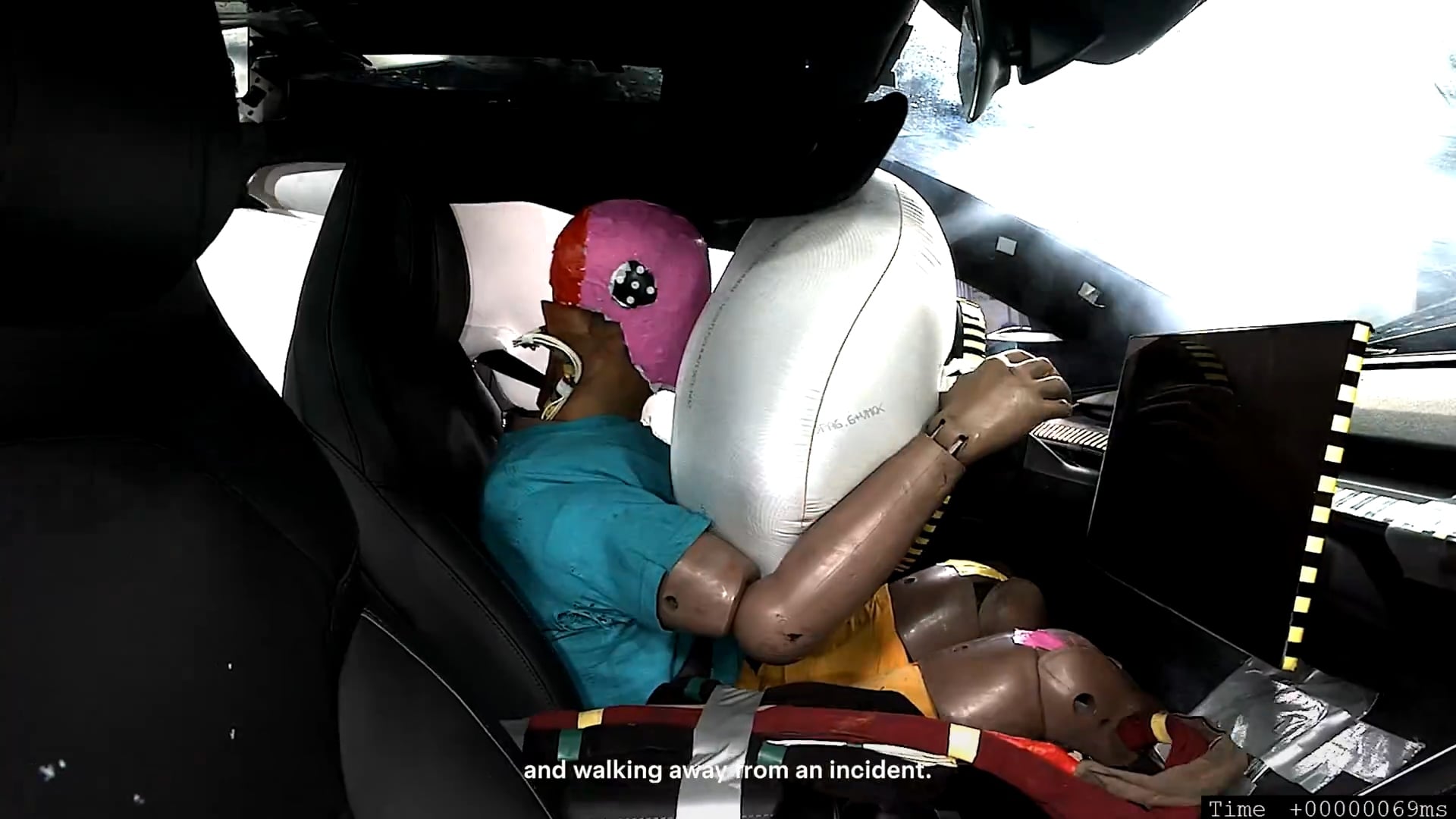
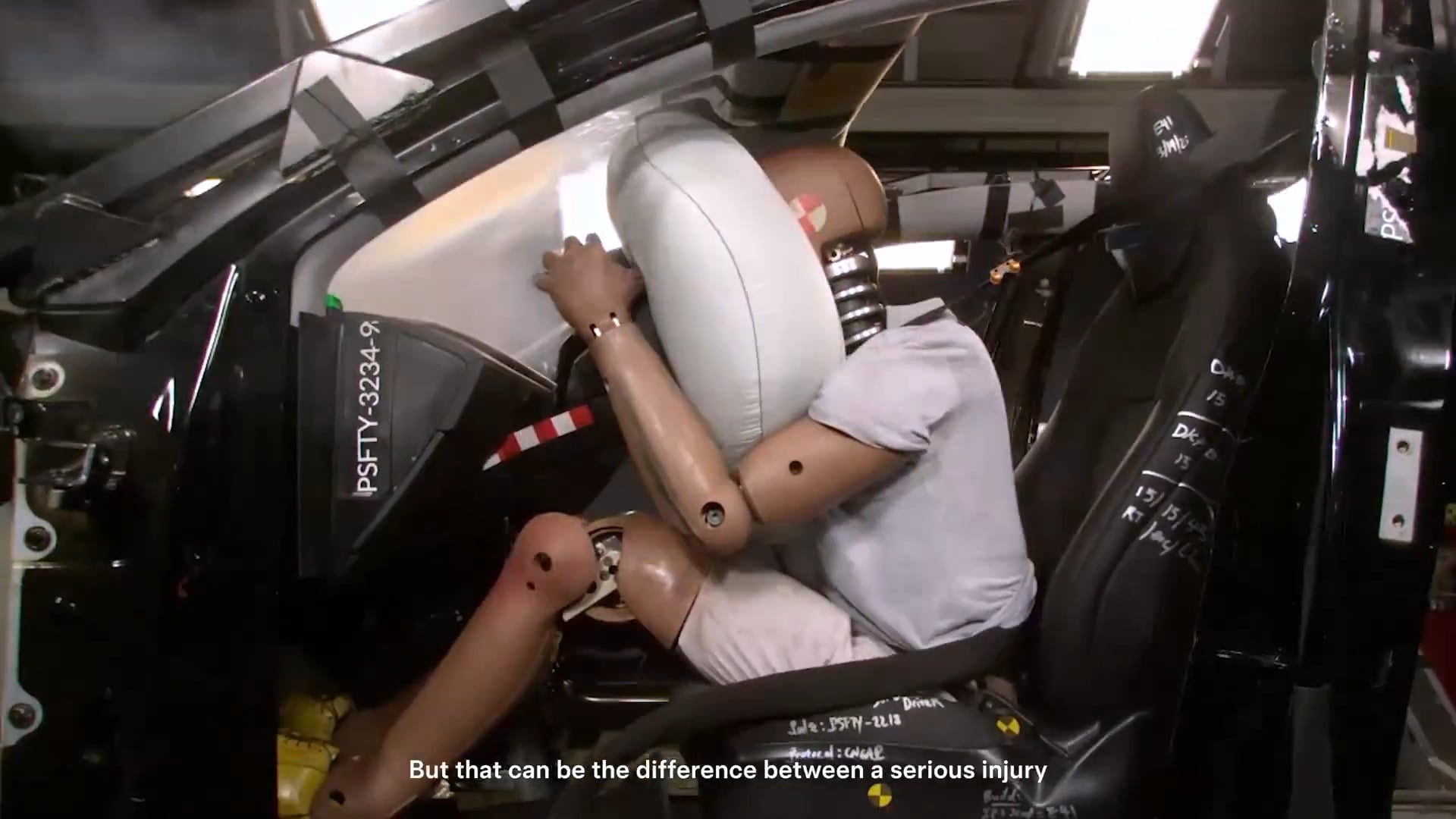
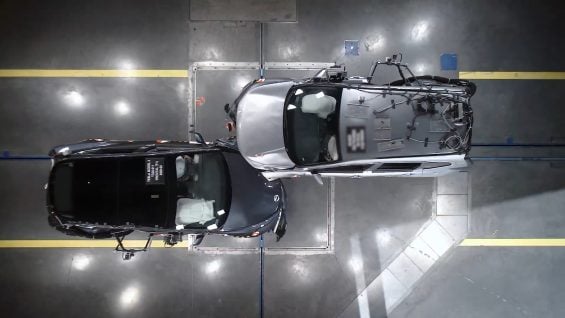
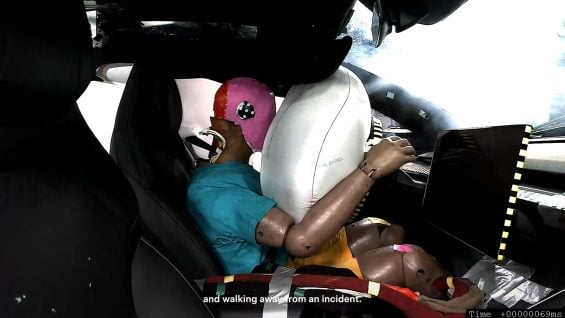
Tesla has started the distribution of a software update that uses artificial intelligence to predict collisions even before physical contact between vehicles occurs. Through the Tesla Vision camera system, the brand’s models can identify the imminence of an accident up to 70 milliseconds in advance, allowing the early deployment of passive safety items, such as airbags and seat belts.
This approach represents a paradigm shift in the automotive industry. Conventional safety mechanisms rely on impact sensors and accelerometers installed in crumple zones of the body. In these systems, the protection is only activated after the shock is physically detected, at a time when the occupants’ bodies have already started the movement of displacement. With AI prediction, the vehicle gains a critical window of time to prepare the cabin for sudden deceleration.
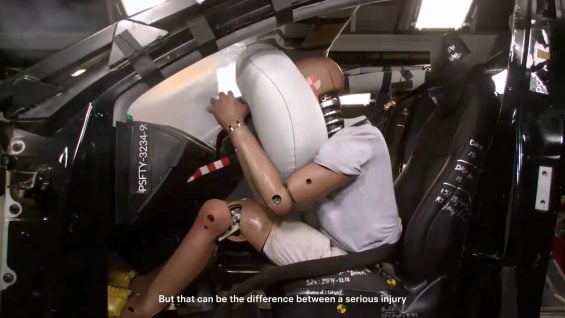
During the 70 milliseconds preceding the strike, the software coordinates the immediate tensioning of the belts and prepares for the expansion of the air pockets. According to the manufacturer, this extra fraction of a second helps keep passengers in the ideal position, increasing the effectiveness of the protection and reducing the risk of injuries from body ricochet. The technology was developed from the analysis of billions of kilometers of real data, allowing the neural network to distinguish an inevitable collision from a near-miss situation.
Software accessibility
The functionality will be made available as standard in new vehicles and sent via remote update to cars already in circulation, as long as they are equipped with updated camera hardware. The initiative reinforces the company’s strategy of replacing radars and pressure sensors with systems based exclusively on computer vision. By centralizing safety in data intelligence, the brand tries to prove that software can be as effective as traditional physical components in preserving life in serious accidents.
Comments are the sole responsibility of their authors and do not represent the opinion of this site. Comments containing profanity or offensive language will not be published. If you identify anything that violates the terms of use, please report it.