

After 71 years of trauma, Switzerland reopens car racing in the country
Veto instituted after tragedy at Le Mans in 1955 is overturned; Change allows the return of circuit competitions, but infrastructure is still a problem
By
Tom Schuenk
Published on 2026-05-12 at 08:00 AM
Updated on 2026-05-12 at 09:10 AM
Published on 2026-05-12 at 08:00 AM
Updated on 2026-05-12 at 09:10 AM
Be the first to comment.
Summarize with:
Switzerland has officially lifted one of the longest-running bans in motorsport history by lifting a ban on closed circuit racing in the country. The restriction had been in place since 1955, enacted as a drastic response to the disaster at the 24 Hours of Le Mans, which killed 84 people and shocked the international community at the time. The decision of the Swiss Federal Council marks the end of the validity of Article 52 of the Road Traffic Act, opening a new era for motorsport in the Alpine territory.
The repeal of the veto is the culmination of a legislative process that has gained strength in recent years. In 2022, the Swiss Parliament had already signaled its desire to modernize the standard, culminating now in the full release for competitive events on circular circuits. Until then, local legislation was strict, allowing only rallies and hill-climb events, under the justification that track competitions were inherently dangerous and unnecessary.
SEE ALSO:
- Renault Koleos: hybrid SUV surprises in comfort, but consumption…
- Honda’s darling has the lowest devaluation among motorcycles
- Automakers want to hire, but there is a lack of qualified workers in Brazil
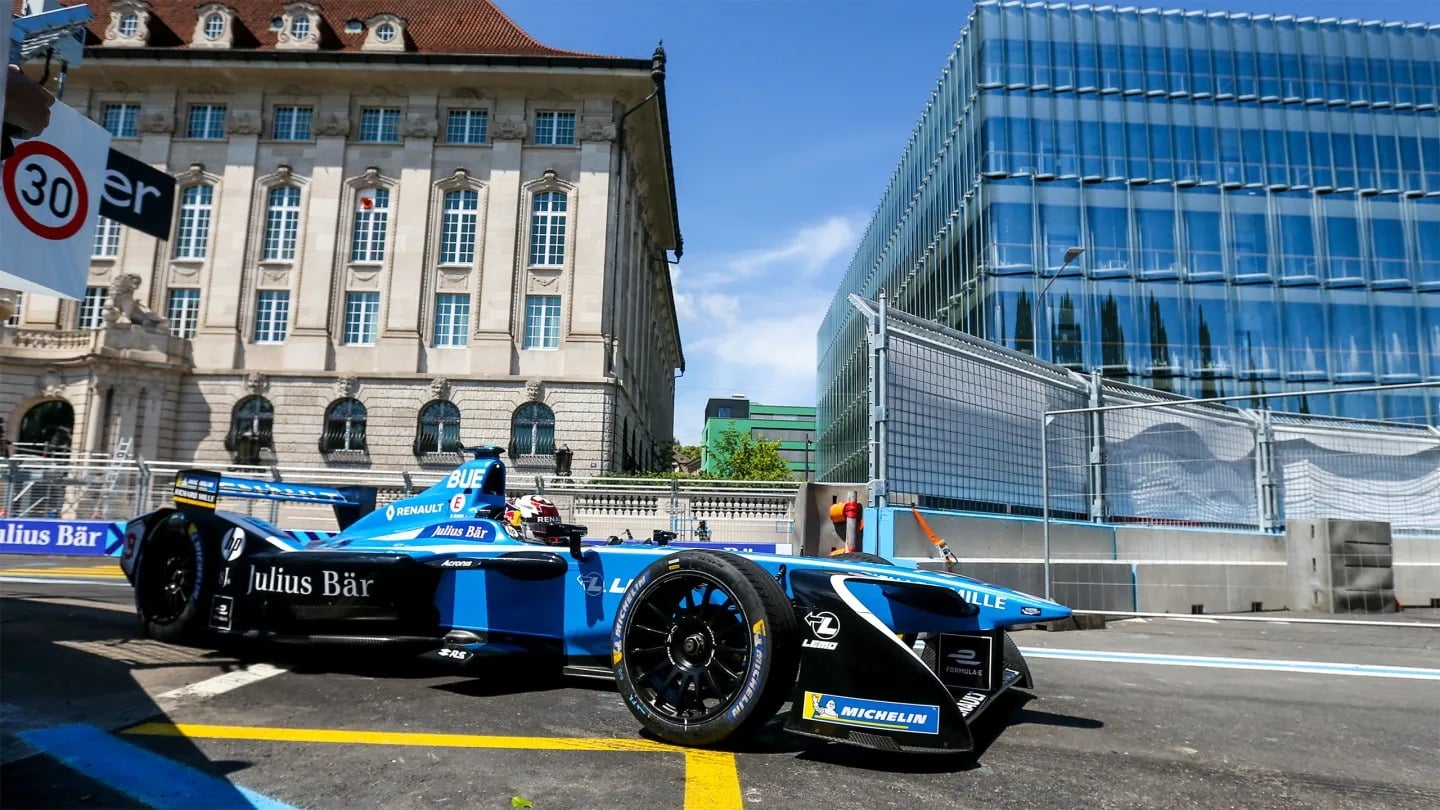
With the new regulation, the authority to allow or veto events has been transferred to the 26 cantons that make up the country. This regional autonomy reflects the flexibility that began between 2018 and 2019, when occasional exceptions were made for Formula E in Zurich and Bern under the argument of sustainability and electric mobility.
Despite the end of the legal embargo, the immediate return of elite categories, such as Formula 1, faces physical barriers. Currently, Switzerland does not have racetracks that meet the “Grade 1” criteria of the International Automobile Federation (FIA). The fall of the law, however, regulates the practice of the sport for local talents and opens room for investments in infrastructure, allowing the country, birthplace of renowned drivers such as Sébastien Buemi and Clay Regazzoni, to finally dream of its own Grand Prix.
SEE MORE ABOUT

0 Comments
Comments are the sole responsibility of their authors and do not represent the opinion of this site. Comments containing profanity or offensive language will not be published. If you identify anything that violates the terms of use, please report it.