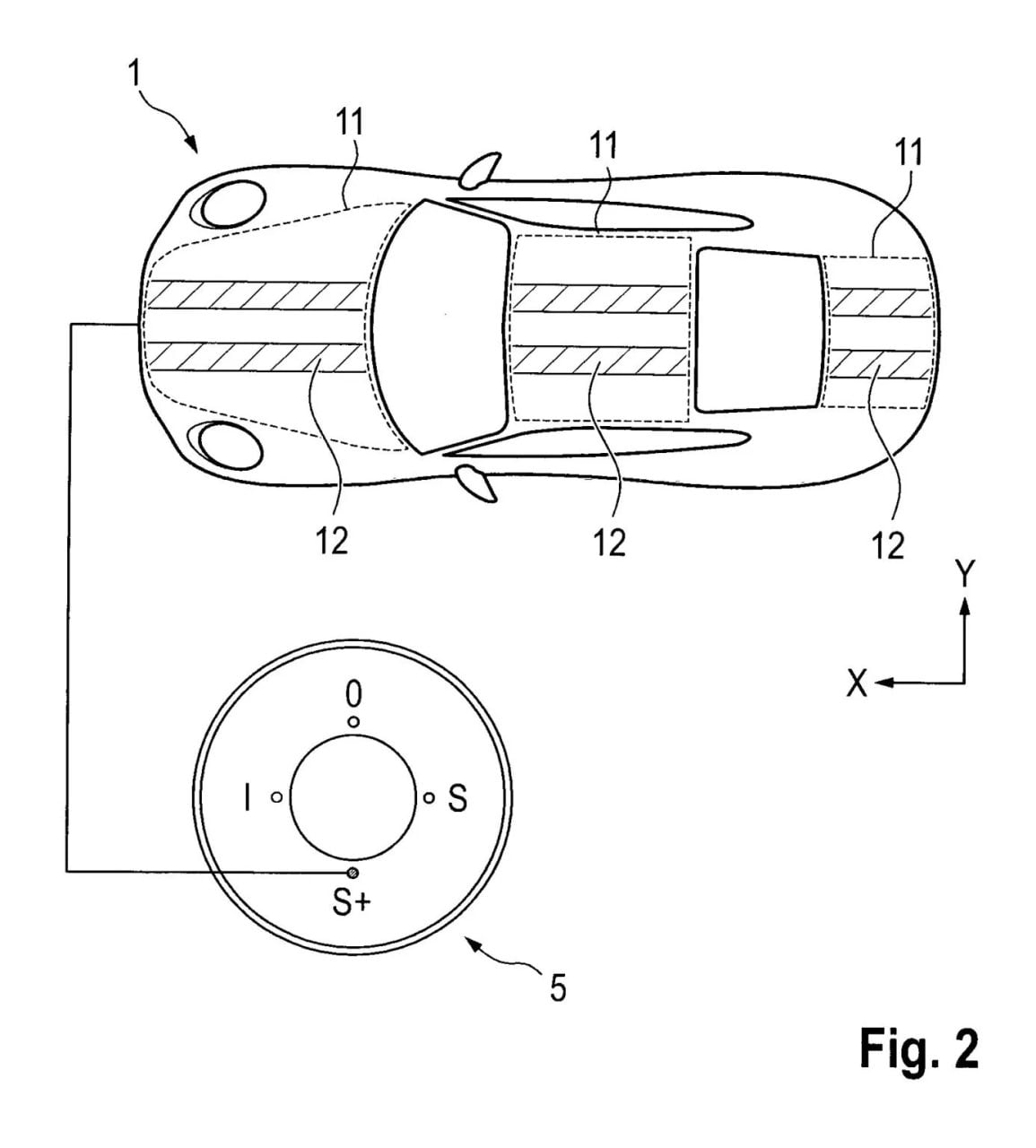
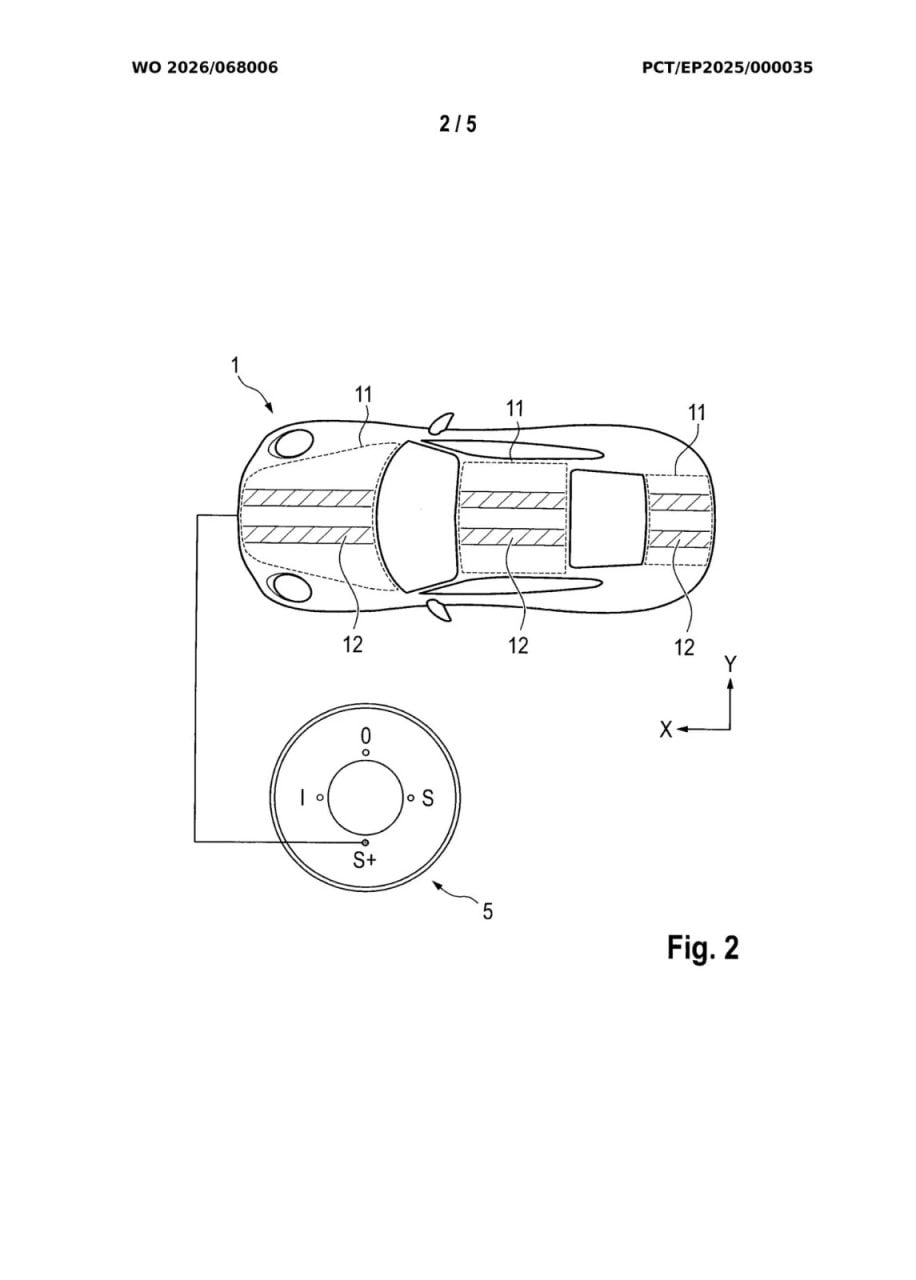
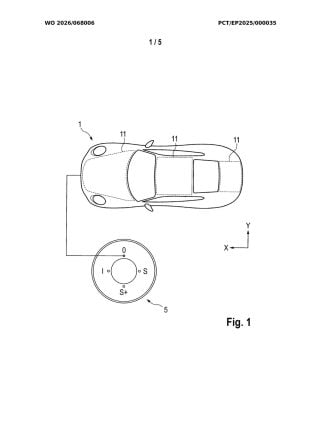
Porsche has filed a technology with the U.S. patent office that aims to turn automotive personalization into an instantaneous, digital experience. The project describes a body capable of changing its visual appearance at the touch of a button, using an “optically variable coating” applied to the vehicle’s exterior panels.
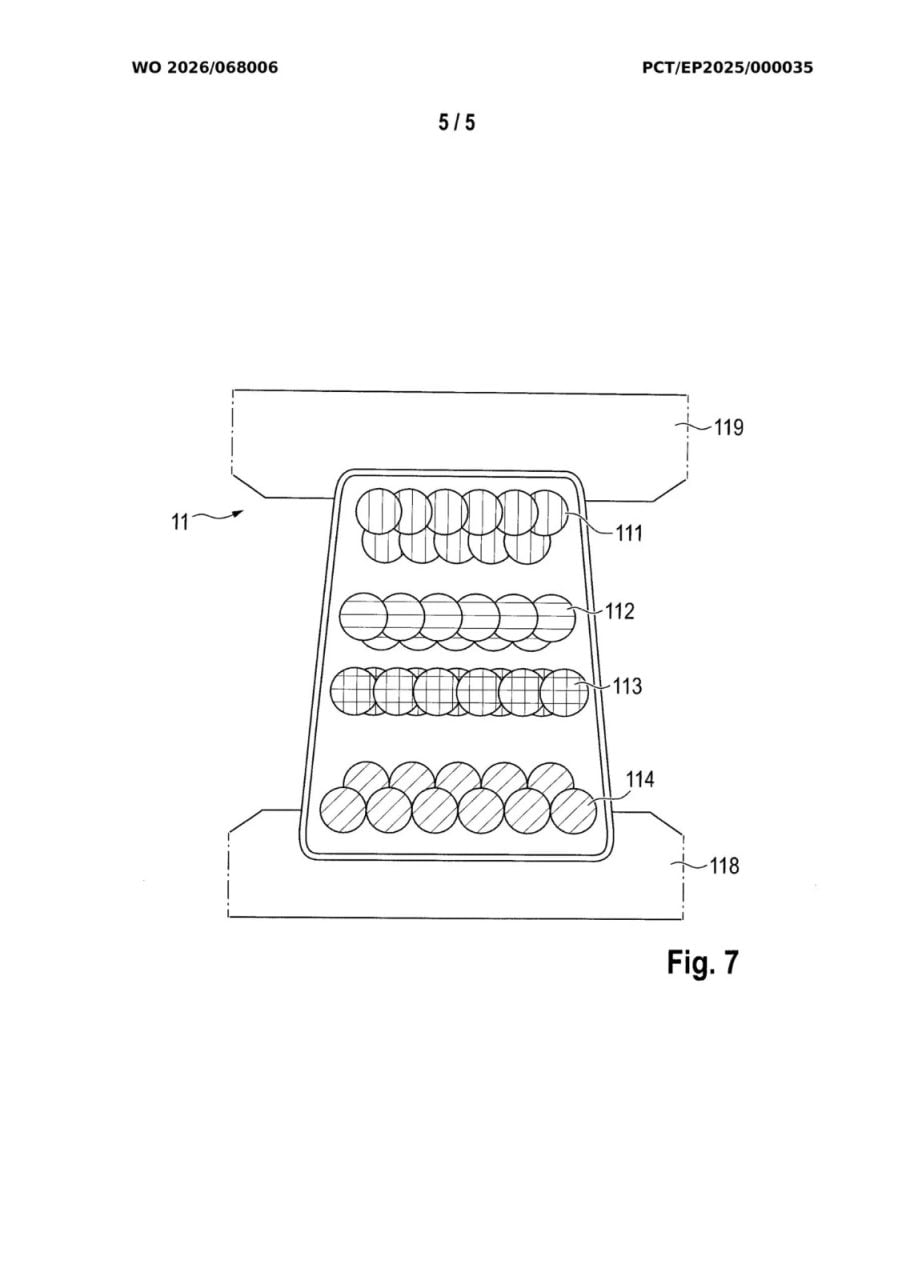
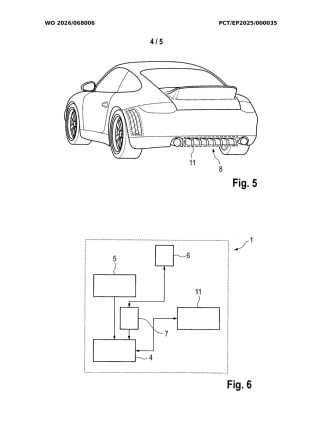
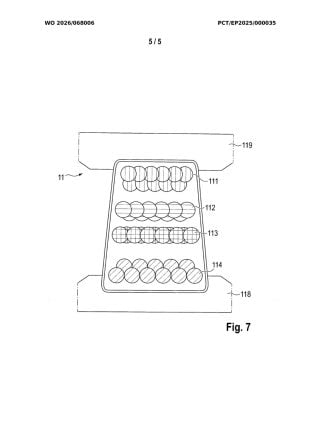
The system works by means of layers of electrodes that, when subjected to different electrical voltages, change the orientation of particles or the opacity of the material. In practice, the innovation allows the bodywork to change color or display complex patterns instantly, eliminating the need for professional painting services or applying adhesives to renew the car’s style.
Dynamic aesthetics and integration with driving modes
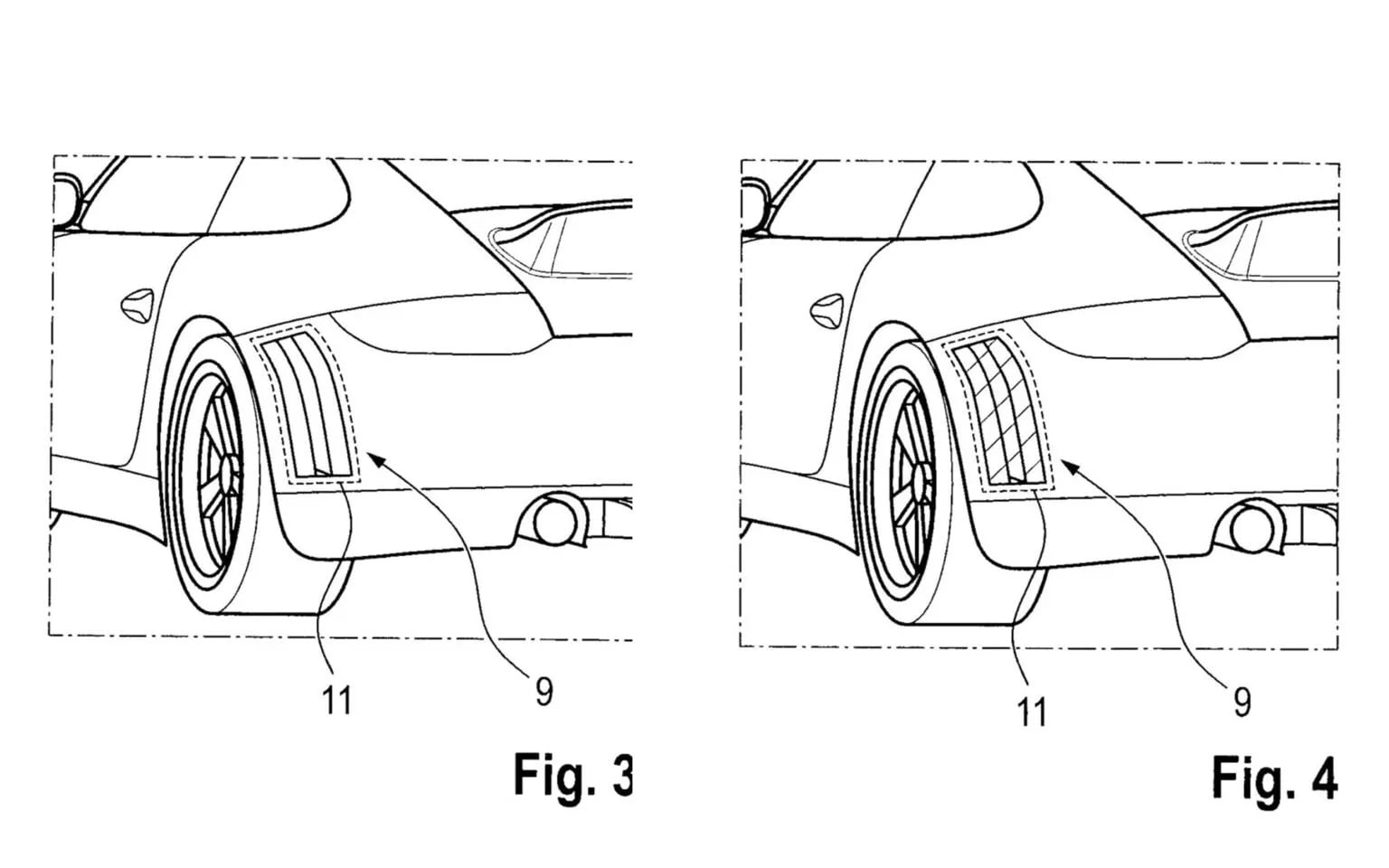
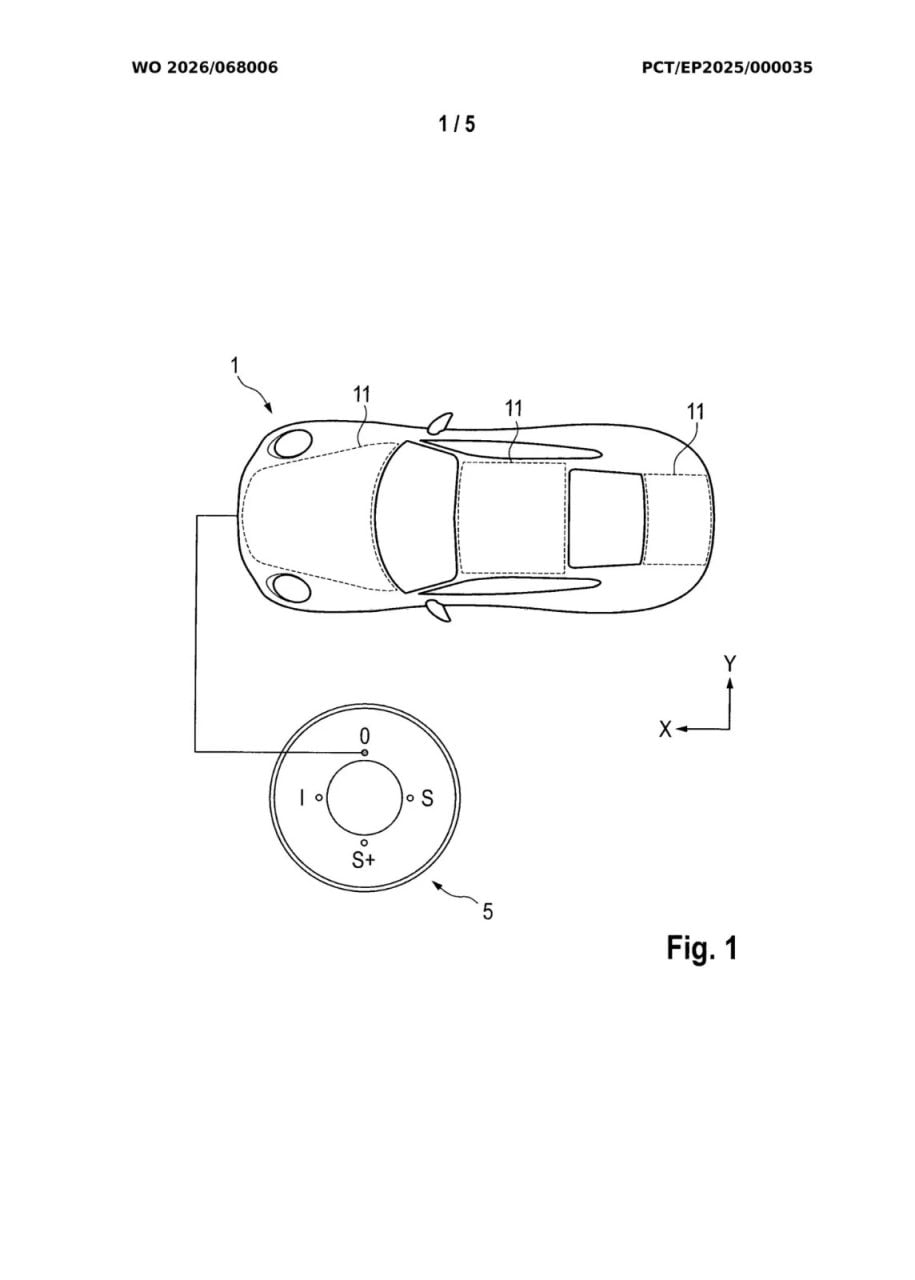
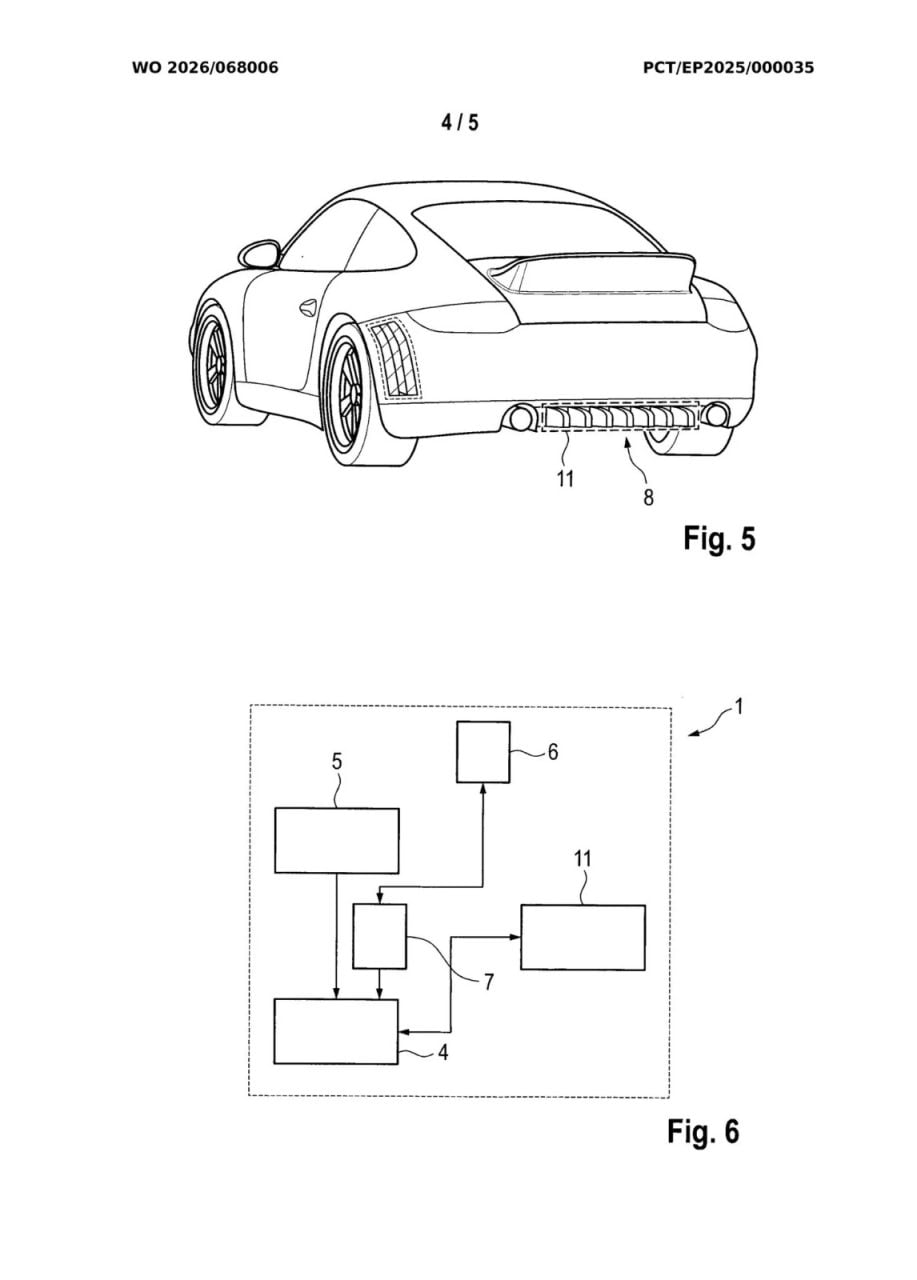
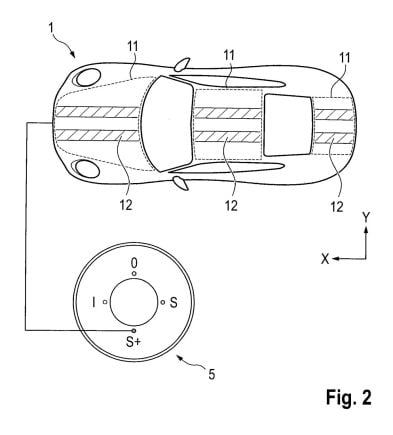
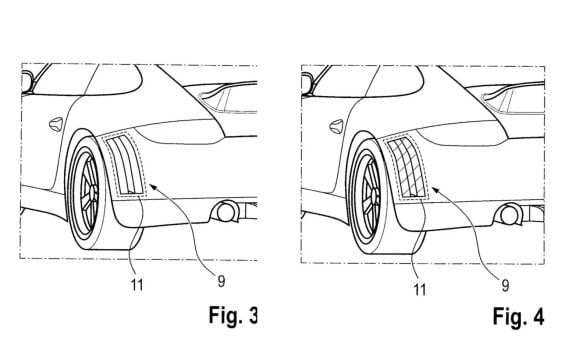
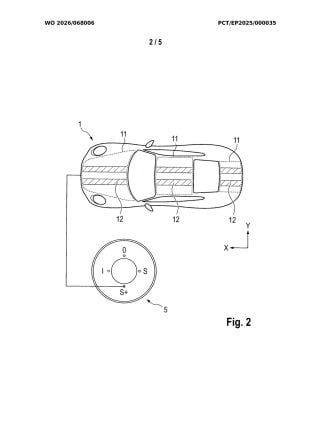
The innovation envisages the use of “electronic ink” (e-ink) or paramagnetic coatings to reflect the car’s performance in real time. By activating Sport mode, for example, the system could make “rally strips” automatically appear on the hood and roof. In addition to the visual appeal, areas such as the rear diffuser and the side fins can be illuminated, reinforcing the dynamic aspect of the vehicle according to the driving profile chosen by the driver.
In addition to design, Porsche points out functional applications for the technology. In competitions, the coating would make it easier to identify identical cars on the track through changeable visual signals. In electric models, the body would work as an external charge indicator: a panel could light up green for a full battery or red to signal the need for recharging, eliminating the need to consult apps or the internal panel.
Technological vanguard and challenges
Although similar solutions already exist to adjust the transparency of sunroofs, direct application to metal or carbon fiber panels is unprecedented. The German manufacturer admits that the project still faces technical challenges, such as the durability of the coating under intense sun exposure and adverse weather conditions. While there is no confirmation of serial production yet, the filing signals a trend toward extreme digital personalization in the luxury industry.
Comments are the sole responsibility of their authors and do not represent the opinion of this site. Comments containing profanity or offensive language will not be published. If you identify anything that violates the terms of use, please report it.