How the vibrator under the seat of the new electric Mercedes-AMG GT works
Electric coupe debuts technology with haptic actuators and 1,600 audio files that reproduce the feeling of driving a combustion sports car
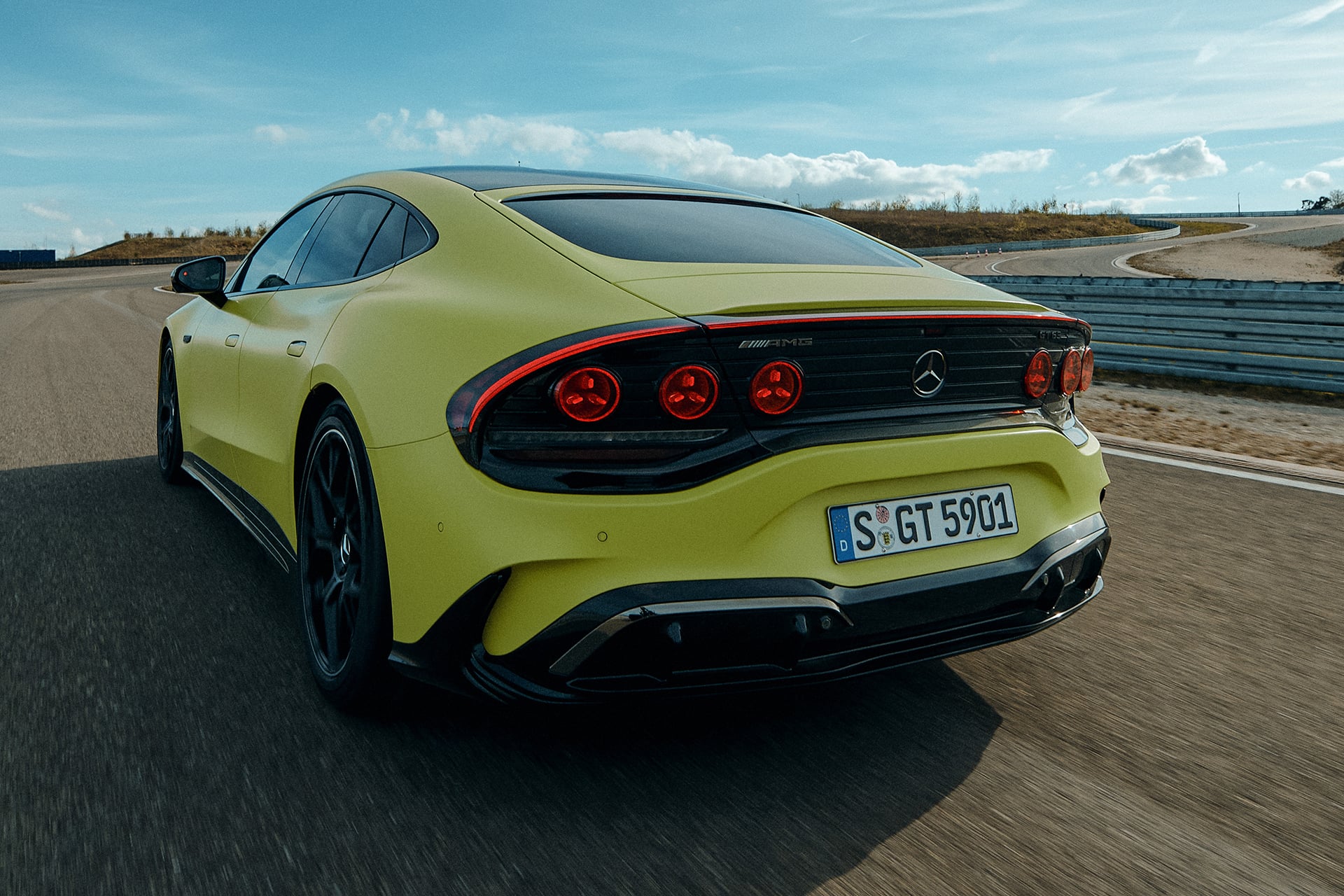
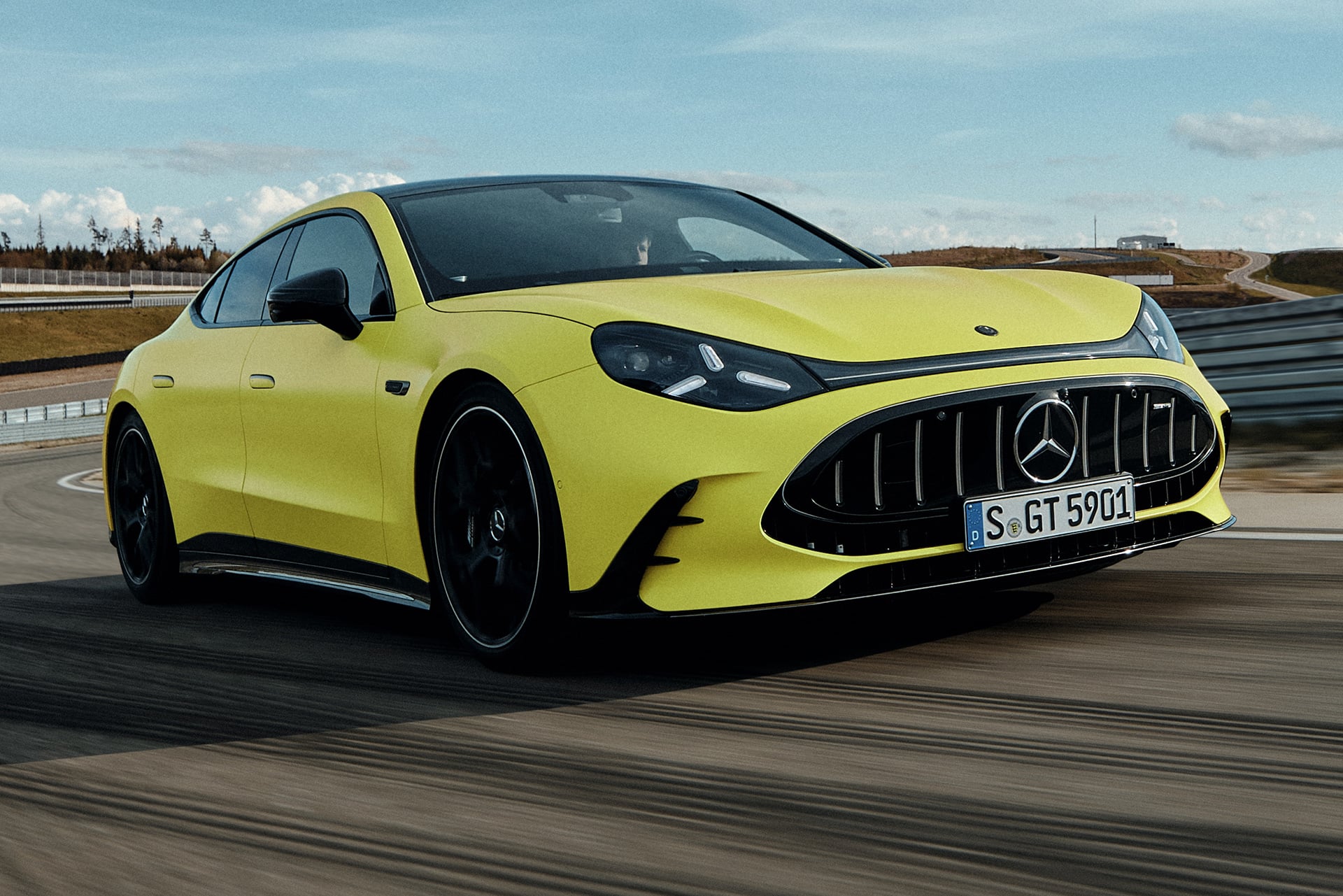
The electric sports car combines artificial sound, vibrations and simulated shifts to recreate the feeling of a combustion AMG (Photos: Mercedes-Benz | Disclosure)
With V8 engines increasingly pressured by the stringent anti-pollution emissions standards in Europe, Mercedes-AMG has developed an ingenious feature to try and maintain the tactile and auditory experience of its sports cars in the new 4-door AMG GT Coupé, which is now 100% electric.
The model introduces a high-tech system that combines artificial sound emission, physical vibrations in the driver’s seat and simulated gear changes to reproduce the feeling of driving a vehicle equipped with the traditional combustion engine.
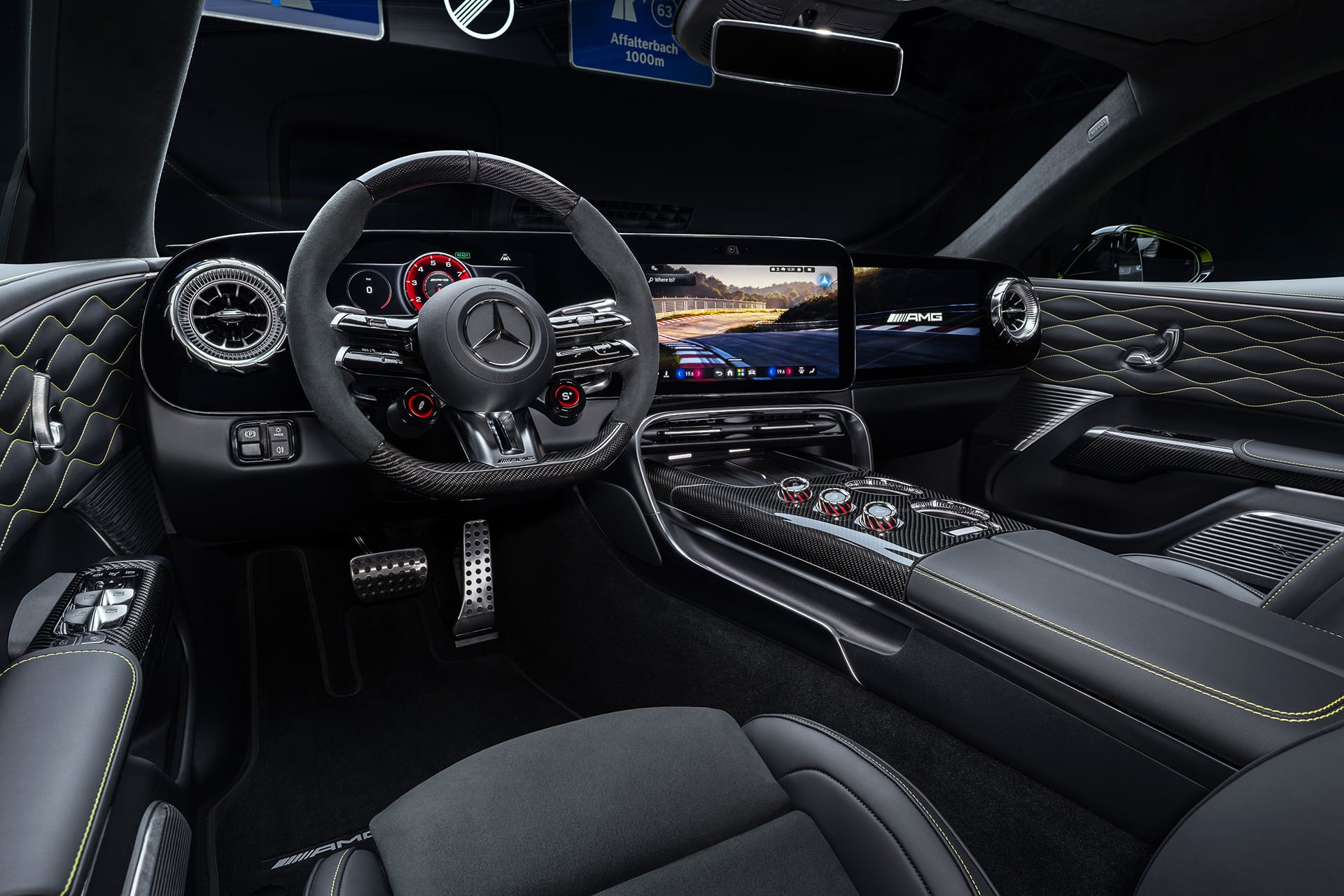
In addition to the characteristic rumble echoed by the cabin speakers, the electric sports car uses haptic actuators installed in the front seats. These components generate physical vibrations that are rigorously synchronized with accelerations, downshifts, and gear changes. The goal of German engineering is to make the driver feel the dynamic and mechanical behavior of the chassis in his own body, and not just listen to pre-recorded audio, increasing the immersion in driving to the maximum.
The automaker claims that the sound signature was calibrated based on the legendary original AMG GT R, the brand’s top sports car that uses a V8 biturbo engine. To achieve the desired fidelity, the electronic center processes more than 1,600 different audio files in real time. The software crosses vehicle dynamic parameters — such as current speed, accelerator pedal position, battery charge, lateral acceleration and the use of steering wheel selection paddles — adjusting sensory response instantly.
To complement the illusion of a traditional mechanical assembly, the system also schedules brief momentary interruptions in the power delivery of the electric motors. This strategy mimics the natural and characteristic jerk of the gear changes of a conventional AMG SPEEDSHIFT automatic transmission.
The level of simulation of the sports car reaches its apex during the use of launch control. When activated by the driver for a full acceleration start, the seat belts automatically tighten, the ambient lighting changes color to a more aggressive tone and the car starts to vibrate intensely in a perceptible way, physically indicating that the extreme power is fully ready to be poured on the asphalt.
Comments are the sole responsibility of their authors and do not represent the opinion of this site. Comments containing profanity or offensive language will not be published. If you identify anything that violates the terms of use, please report it.