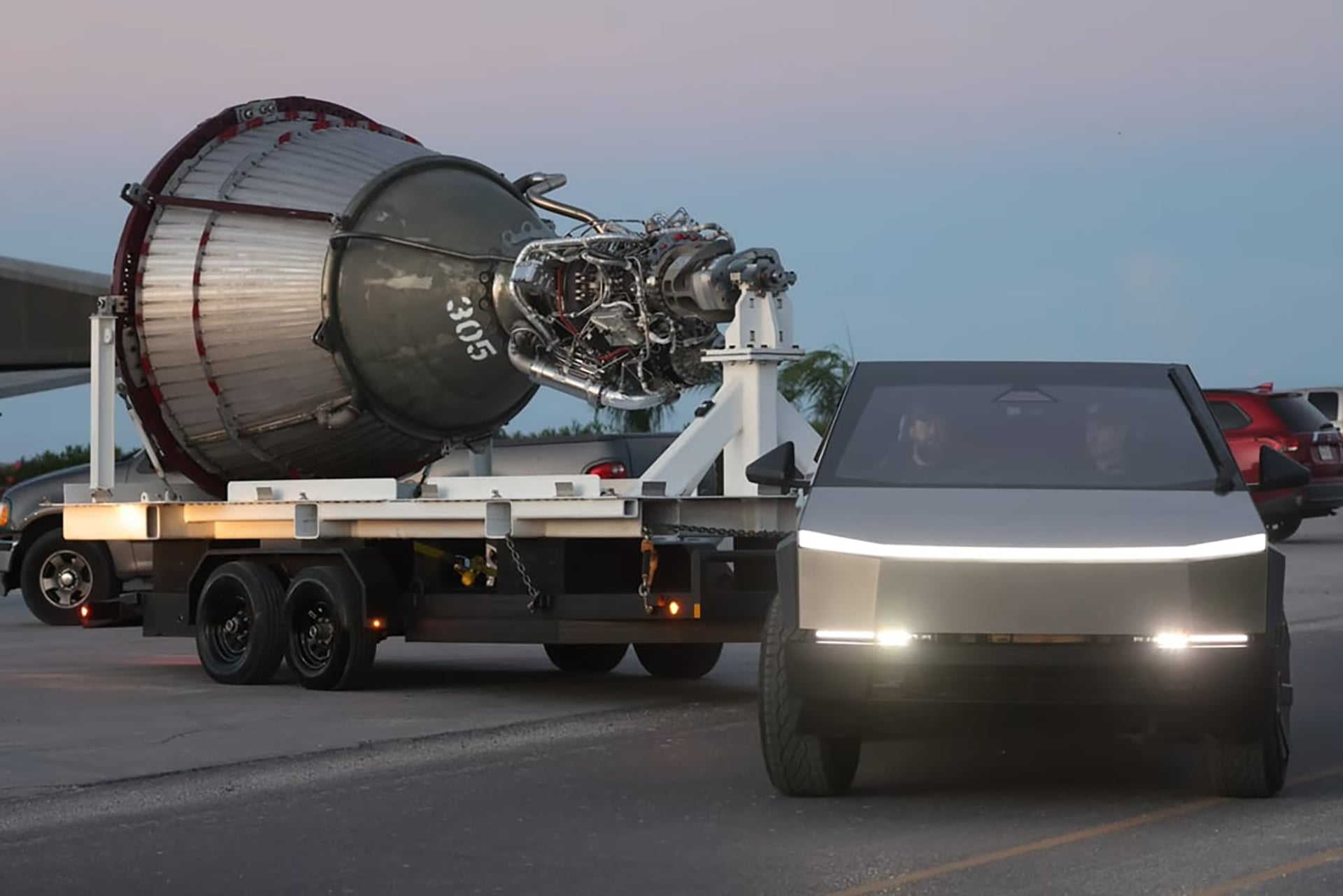
Tesla has been using internal sales to SpaceX — a space exploration company also controlled by Elon Musk — to support the Cybertruck’s registration numbers in the United States. Despite the low popularity of the model for work purposes, SpaceX acquired 1,279 units of the Cybertruck in the last quarter of 2025 in the US.
In all, 7,071 Cybertrucks were registered in this period. This means that practically one in five units of the pickup was sold to another company in Musk’s conglomerate. Without this ‘little force’, sales of the pickup would only grow by 7% — against the officially registered 31%. This is in a momentary high, since the beginning of 2026 ended with only 3,519 registrations accounted for.
These are numbers that, in the view of critics, only confirm the low adherence of the public to the extravagant-looking truck. In parallel, Elon Musk has always promised spectacular sales: in 2019, the entrepreneur promised a pickup truck with a starting price of US$ 39,900 and celebrated a queue of 1 million reservations; today, the entry-level model of the Cybertruck exceeds US$ 80,000 and the annual production (projected for 250 thousand units) has not even reached 10% of that.
Suspicions of artificial demand
Documents submitted to regulatory bodies revealed by Bloomberg reveal that SpaceX spent $2 million on Tesla vehicles in the first half of 2024. Although corporate sales are common practice in the industry, the interdependent relationship between the companies raises suspicions of an artificial demand. The move allows Tesla to post positive deliveries in its quarterly earnings at a time of market skepticism about the viability of the Cybertruck’s exotic design and real range from traditional competitors.
The phenomenon of “fugazi sales” — a term that refers to something illusory — suggests an effort to shield the value of the automaker’s shares. By selling units to SpaceX, Musk tries to mitigate the perception that the Cybertruck, after years of delays and technical revisions, has not reached the status of a mass phenomenon that the initial “hype” suggested. In the market, the move is seen as an attempt to maintain the growth narrative, even at the expense of internal capital transfers.
Analysts point out that the lack of transparency about how many units are destined for companies in the group itself makes it difficult to analyze the real profit of the electric division. Without a clear distinction between end consumers and corporate transfers “in the family”, the investor operates under a statistical fog that favors the maintenance of optimism on Wall Street, ignoring the vacuum left by the unfulfilled promises of 2019.
Comments are the sole responsibility of their authors and do not represent the opinion of this site. Comments containing profanity or offensive language will not be published. If you identify anything that violates the terms of use, please report it.