


Volvo executive tells the ‘truth’ about plug-in hybrid cars: ‘worst of both worlds’
For Volvo's sub-brand director, the extra weight and double maintenance make plug-in hybrids less efficient than other options
By
Tom Schuenk
Published on 2026-04-17 at 02:00 PM
Updated on 2026-04-17 at 02:25 PM
Published on 2026-04-17 at 02:00 PM
Updated on 2026-04-17 at 02:25 PM
Be the first to comment.
Summarize with:
An executive at Polestar, Volvo’s spin-off sports electric vehicle brand, has struck a critical tone regarding the industry’s energy transition. Scott Maynard, the manufacturer’s managing director in Australia, defined plug-in hybrid vehicles (PHEVs) as “the worst of both worlds”. The statement only reinforces the automaker’s strategy of ignoring internal combustion engines to focus investments exclusively on 100% electric vehicles.
In Maynard’s assessment, the attempt to reconcile a gasoline engine with a more robust electrical system results in an unnecessarily complex and heavy set. The executive argues that the vehicle inherits the disadvantages of both architectures: the high mass of the batteries and the mechanical complexity of the thermal propellant. “You end up carrying an internal combustion engine and a fuel tank everywhere, even when you don’t use them,” the director told the Motor1 portal.
SEE ALSO:
- Royal Enfield motorcycles become more expensive days after Classic 650 launch
- Mercedes-Benz brings seven-seater SUV to Brazil, but it costs R$ 1 million
- Renault Boreal hybrid with all-wheel drive arrives next year
Another point of criticism lies in maintenance. Having two independent systems under the hood means, in practice, double overhaul costs for the owner. Maynard also points out a vice in use: many plug-in hybrid owners rarely use external charging. Without electric charge, the vehicle consumes more fuel than a conventional model just to shift the additional weight of the inactive electrical components.
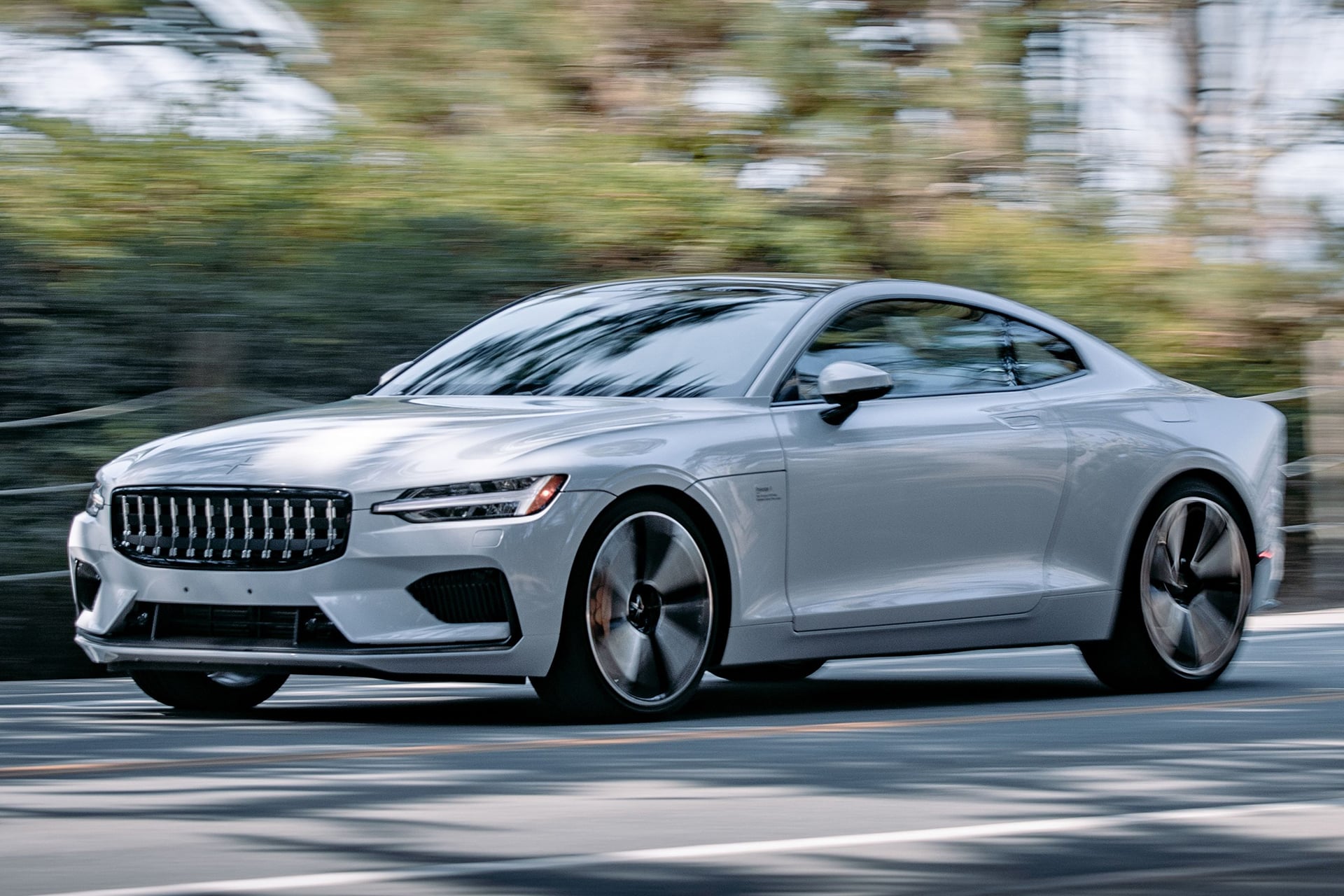
Polestar’s stance ignores the paradox of its own history, as its first independent model, the Polestar 1, was precisely a plug-in hybrid. In addition, Maynard’s speech generates diplomatic wear and tear within the Geely group. That’s because sister brands such as Volvo, Lotus and Lynk & Co continue to invest PHEVs as a source of revenue and volume in markets where charging infrastructure is still nascent.
For Polestar, however, the additional hardware required by hybrids is a hindrance that sacrifices interior space and performance, becoming a transitional technology that loses its meaning as the range of purely electric cars advances.
SEE MORE ABOUT

0 Comments
Comments are the sole responsibility of their authors and do not represent the opinion of this site. Comments containing profanity or offensive language will not be published. If you identify anything that violates the terms of use, please report it.