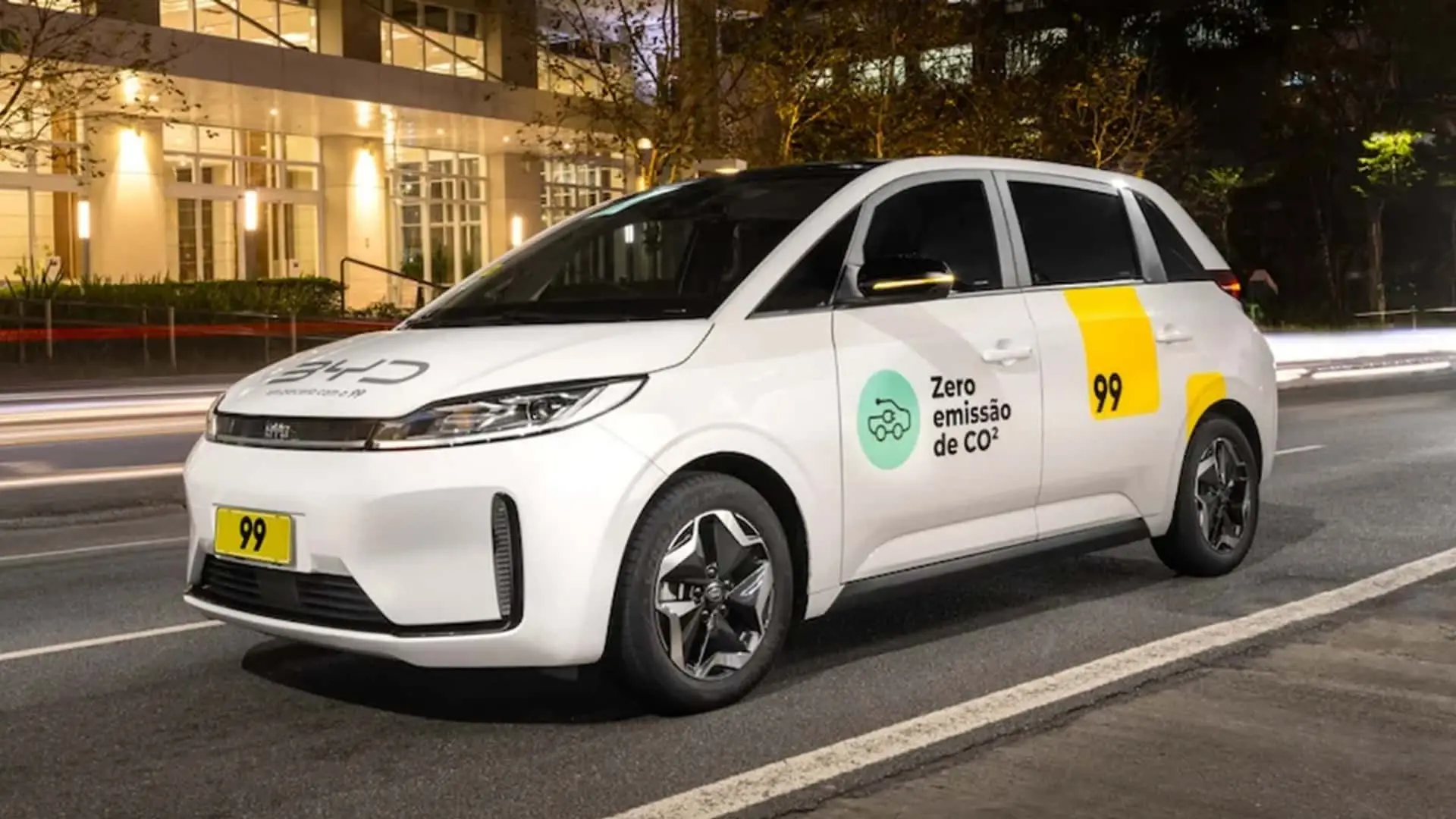
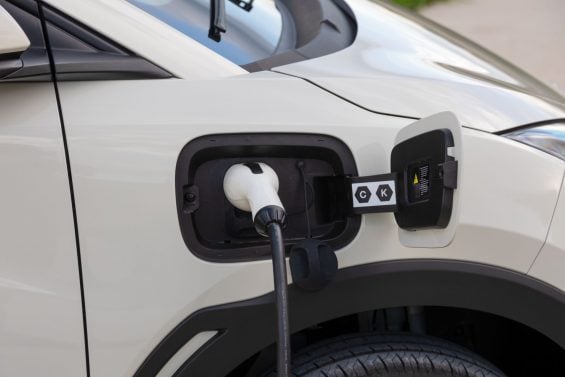
A study carried out by the financial management startup GigU with more than 56 thousand drivers in 22 states indicates that the migration to electric vehicles has become the main driver of profitability in ride-hailing in Brazil. According to the data, the net profit of those who use models powered exclusively by batteries can be up to 70% higher than that of drivers who depend on gasoline engines.
The research reveals a clear statistical advantage across all financial metrics. While the median net margin of gasoline cars stagnated at 36.8%, that of electric cars jumped to 57%. In practice, this efficiency is directly reflected in the revenue per working time: drivers with EVs receive, on average, R$ 21.86 per hour, against R$ 12.85 recorded by traditional combustion models.
The financial superiority of electric vehicles is based on the drastic reduction in operating costs. The energy cost for an EV is around R$ 0.10 per kilometer driven, a value that is up to five times lower than the cost of fossil fuels. In addition, preventive and corrective maintenance of these vehicles is between 30% and 50% cheaper, due to less mechanical complexity and the absence of components such as oil filters, spark plugs, and belts.
The survey also highlighted financial predictability as a differential. Unlike ethanol and gasoline, which are subject to weekly price variations at the pumps, the cost of electricity is more stable, allowing for more rigorous cash planning for the self-employed.
CNG and ethanol as alternatives
The study also evaluated the performance of other energy matrices. CNG (vehicular natural gas) remains a competitive alternative, with a profit margin of 52.7%, although it still loses to electricity in terms of maintenance cost and real autonomy. Ethanol, on the other hand, presented the most unstable results in the period, penalized by the lower energy yield and the higher frequency of stops in workshops.
Comments are the sole responsibility of their authors and do not represent the opinion of this site. Comments containing profanity or offensive language will not be published. If you identify anything that violates the terms of use, please report it.