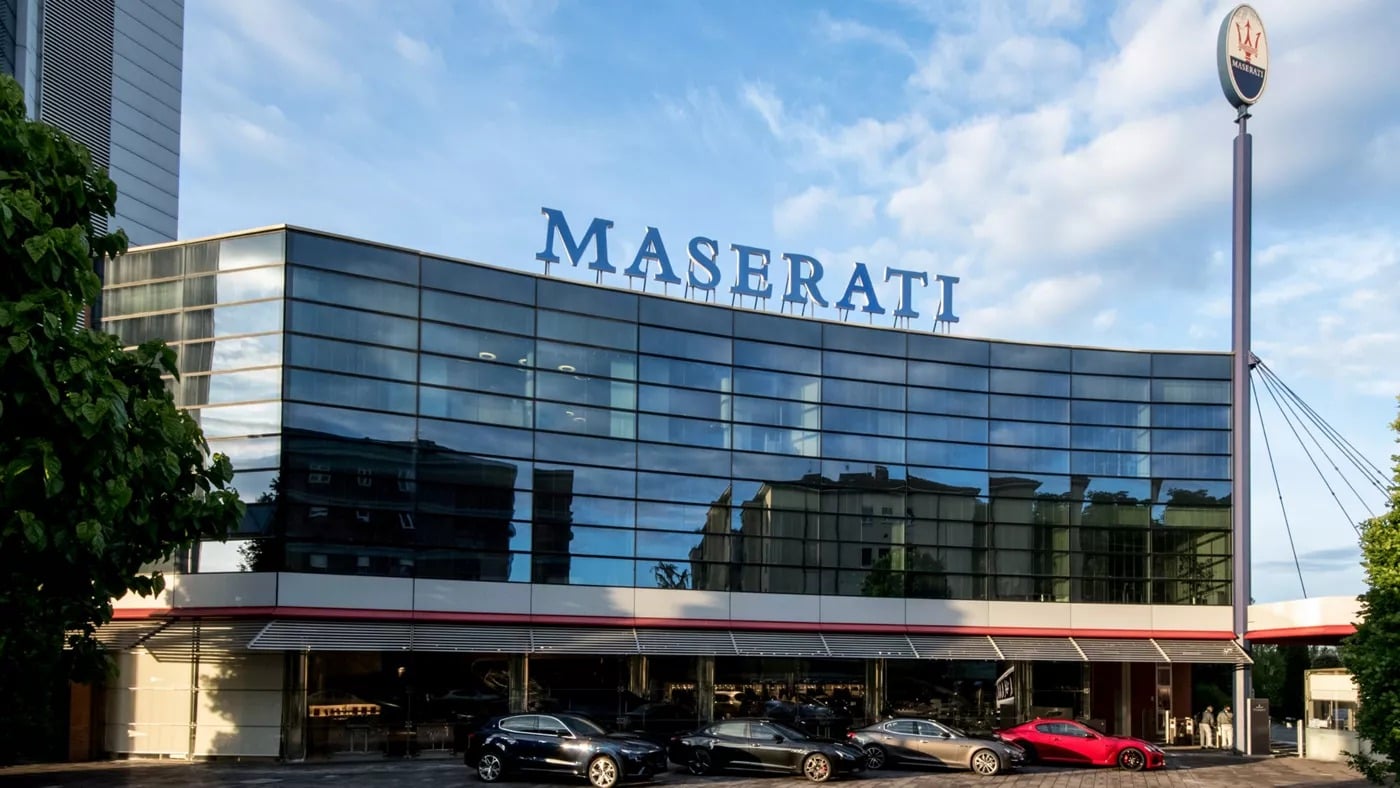
Italian luxury car manufacturer Maserati is in advanced talks with Chinese companies Huawei and JAC Motors to outsource the development and production of its future electrified vehicles. The measure — advanced by the Chinese website Yunjian Insight — represents a historic break in the brand strategy of the Stellantis group, which has always prioritized exclusive manufacturing on Italian soil, and comes as a direct response to a financial crisis triggered by the collapse of its global sales.
Under the cooperation model under discussion, the automotive group JAC would take over the stages of research, development and factory production, using the connectivity, software and electric propulsion systems provided by the technology giant Huawei. Maserati would be responsible for design refinement, dynamic calibration and overall brand management.
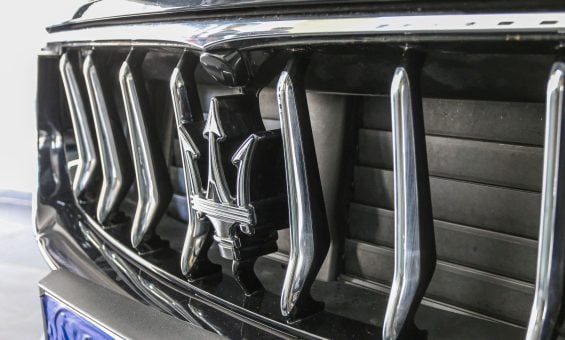
The arrangement provides for market differentiation: the cars resulting from the partnership would be marketed in China under the Maextro brand – the very high luxury division of Huawei’s mobility ecosystem – but exported to the rest of the world bearing the traditional logo of the Italian trident. The synergy aims to accelerate the energy transition of the European manufacturer, which is facing difficulties in developing competitive electric platforms independently.
Sales crisis and command restructuring
The approach to the Asian supply chain is driven by critical business results. Maserati’s global registration volume plummeted 57% in a year, falling from 26.6 thousand units to just 11.3 thousand vehicles. The sharp operational setback generated idleness on European assembly lines and pressured the profit margins of its parent company.
The restructuring plan is led by the conglomerate’s new global CEO, Antonio Filosa, who took office with the mission of reversing the operating loss. The executive is expected to detail the guidelines of the agreement in the coming months, under the challenge of balancing the perception of value and the historical heritage of the luxury brand with the need to adopt technologies and manufacturing costs competitive from the Chinese industry.
Comments are the sole responsibility of their authors and do not represent the opinion of this site. Comments containing profanity or offensive language will not be published. If you identify anything that violates the terms of use, please report it.