

Volvo launches technology that limits truck speeds by GPS in Brazil
Safety Zones system uses geolocation to automatically reduce speed in risk areas; technology has already reduced bus accidents by 50%
By
Júlia Haddad
Published on 2026-05-15 at 01:00 PM
Published on 2026-05-15 at 01:00 PM
Be the first to comment.
Summarize with:
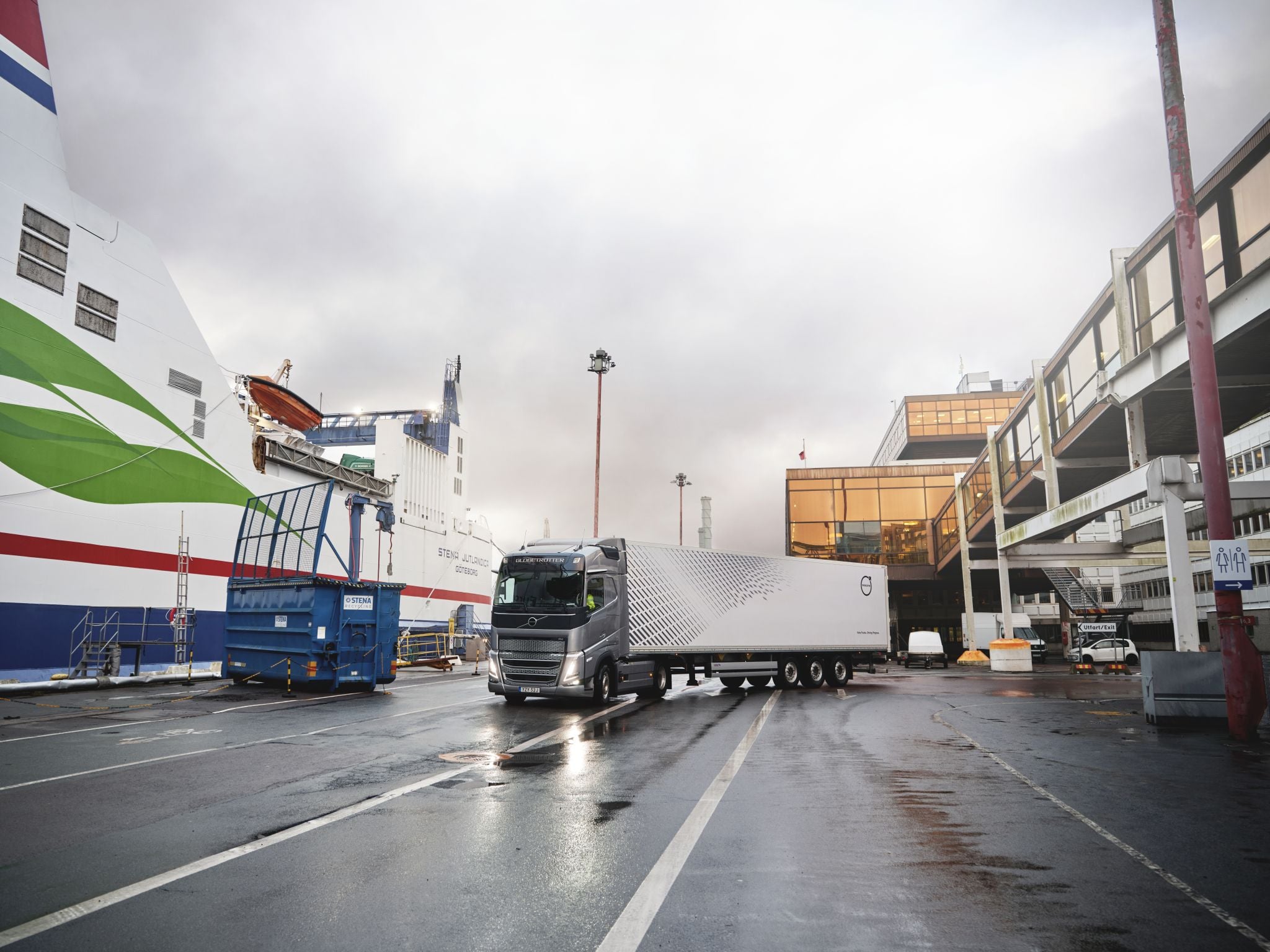
Volvo has started offering Safety Zones in the Brazilian market, a connectivity system that uses geolocation to automatically limit the speed of trucks in critical areas. The technology, which operates through “virtual fences”, aims to increase security in highly complex operations and is available for the 2026 line of Volvo FH, FM and FMX models.
The feature works independently of the driver’s action. When crossing the perimeter of a pre-defined area via GPS — such as the yard of a mining company, port terminals or logistics centers — the vehicle activates the engine brake and restricts acceleration so as not to exceed the limit established by the fleet manager. On the dashboard, the driver receives real-time notifications about entering the monitored zone and the performance of the limiter.
SEE ALSO:
- Ford Transit City will be the new electric van in the Brazilian market
- Lula will give credit to app drivers to buy their own vehicle
- BYD negotiates purchase of Stellantis plants to dominate Europe
According to the manufacturer, the management of the service is centralized on the Volvo Connect platform. There, carriers can digitally configure speed limits, adjusting restrictions by route section, day of the week or even specific times. This flexibility allows the same road to have different boundaries during the day and night, for example.
The solution arrives at trucks after a period of consolidation in the brand’s urban buses. According to Volvo data, the application of the technology in collectives helped reduce the accident rate in monitored areas by 50%. The focus now is to expand this standard of protection to heavy cargo transport, protecting not only property, but also pedestrians and local infrastructure.
Safety Zones is offered under the subscription model and is part of the Swedish brand’s “Zero Accident” vision. The system reinforces the role of connectivity as an active management tool, allowing fleet control to be exercised remotely and accurately, regardless of traffic conditions or the driver’s experience behind the wheel.
SEE MORE ABOUT

0 Comments
Comments are the sole responsibility of their authors and do not represent the opinion of this site. Comments containing profanity or offensive language will not be published. If you identify anything that violates the terms of use, please report it.