


BYD negotiates purchase of Stellantis plants to dominate Europe
Chinese giant seeks to take over underutilized units and rules out partnerships to maintain direct control; Italy is one of the markets on the company's radar
By
Júlia Haddad
Published on 2026-05-14 at 12:00 PM
Published on 2026-05-14 at 12:00 PM
Be the first to comment.
Summarize with:
BYD confirmed that it is in talks with Stellantis and other automakers to acquire underutilized factories in Europe, Bloomberg said. The strategy aims to consolidate the brand’s industrial presence on the continent and accelerate local production, as revealed by the company’s executive vice president, Stella Li, during the “Future of the Car” conference in London.
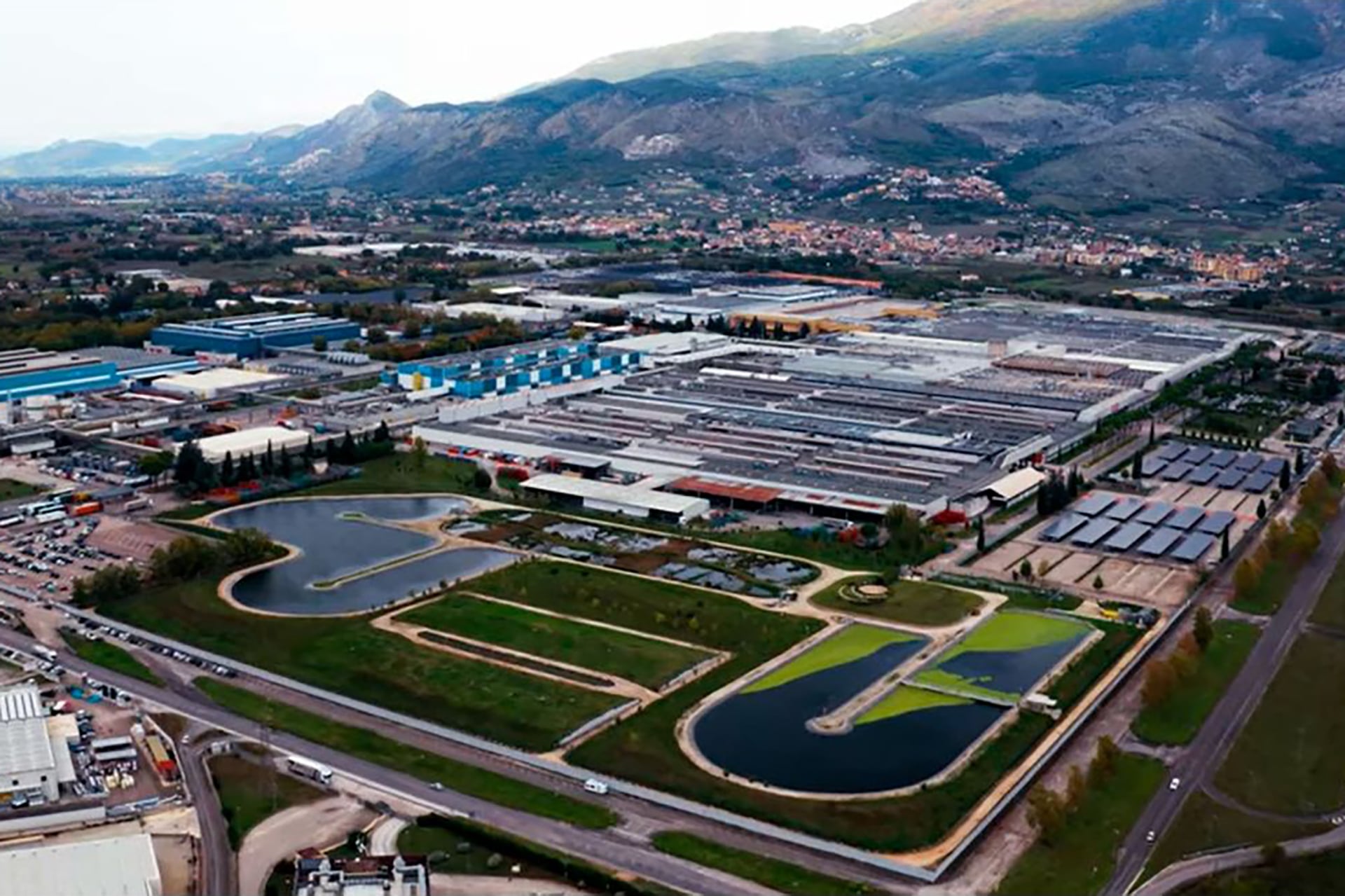
The executive pointed out that BYD evaluates opportunities in several countries, with special attention to Italy. The country is at an impasse between the government and Stellantis, with Rome pushing the group to reach the goal of 1 million vehicles produced annually at Italian plants. For BYD, the priority is direct management: the manufacturer prefers to operate the units without the formation of joint ventures – a common model in international partnerships in China.
SEE ALSO:
- Tesla uses artificial intelligence to deploy airbags even before the crash
- Audi prepares “super SUV” to displace German rivals in 2026; see photos
- Michelin’s new tyre brakes up to 5.5 metres ahead of wet rivals
The move comes at a time of transition for Stellantis, which is betting on a partnership with China’s Leapmotor to gain competitiveness in the electrified segment in Europe and America. The group plans a line in Zaragoza, Spain, for the production of the B10 SUV and another electric SUV, from Opel. In addition, the Villaverde plant in Madrid is expected to be used for the production of new models by the subsidiary Leapmotor International.
The Chinese offensive in Europe is not restricted to BYD. Recently, Geely advanced in negotiations to take over Ford’s plant in Spain, aiming to expand its industrial footprint in the electric market. For BYD, the acquisition of ready-made infrastructure complements the factory already under construction in Hungary and the announced plans for a new unit in Turkey.
The expansion is accompanied by the launch of high value-added products. Last month, the company presented its premium sub-brand Denza in Paris, starting sales of the Z9 GT and D9 models. With local production, BYD seeks to reduce logistics costs and circumvent the growing tariff barriers imposed by the European Union, intensifying the dispute with traditional manufacturers that face difficulties in electrifying their fleets.
SEE MORE ABOUT

0 Comments
Comments are the sole responsibility of their authors and do not represent the opinion of this site. Comments containing profanity or offensive language will not be published. If you identify anything that violates the terms of use, please report it.